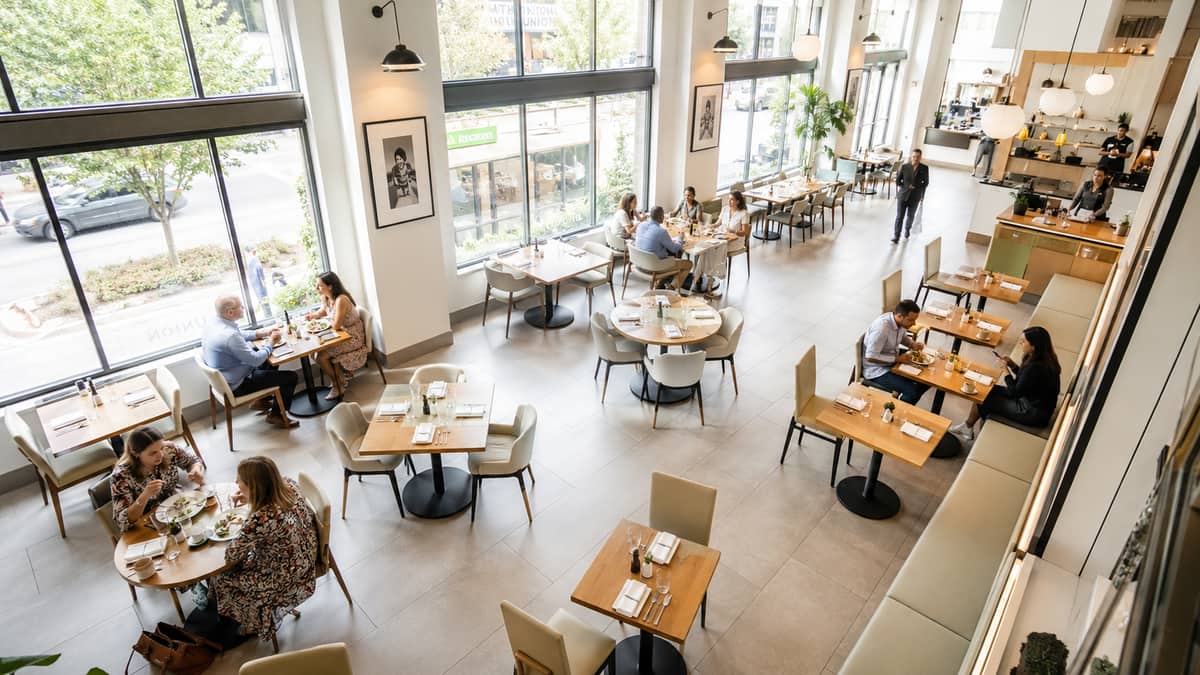
Restaurant furniture in Buffalo has to hold up to a lot more than a good-looking dining room. Between downtown lunch traffic tied to the office and convention crowd, arena-driven pre-event and post-event volume near KeyBank Center, and a growing Elmwood Village and waterfront Canalside dining scene competing for the same diners, operators need seating and tables built for daily commercial use, not furniture that happened to look right in a showroom. Here is what contract-grade restaurant furniture actually means for a Buffalo operator, and how to source it correctly.
Why Contract-Grade Furniture Is the Minimum Specification
Retail dining furniture is not built for restaurant volume. A dining chair rated for home use might see a few hours of occupancy a day around a family table. The same style of chair in a Buffalo restaurant near downtown or Elmwood Village can be occupied for ten or twelve hours straight across lunch and dinner service, seven days a week. Frame joinery, foam density, and fabric abrasion resistance all have to be rated for that kind of continuous cycling or the furniture fails within a year or two, not a decade.
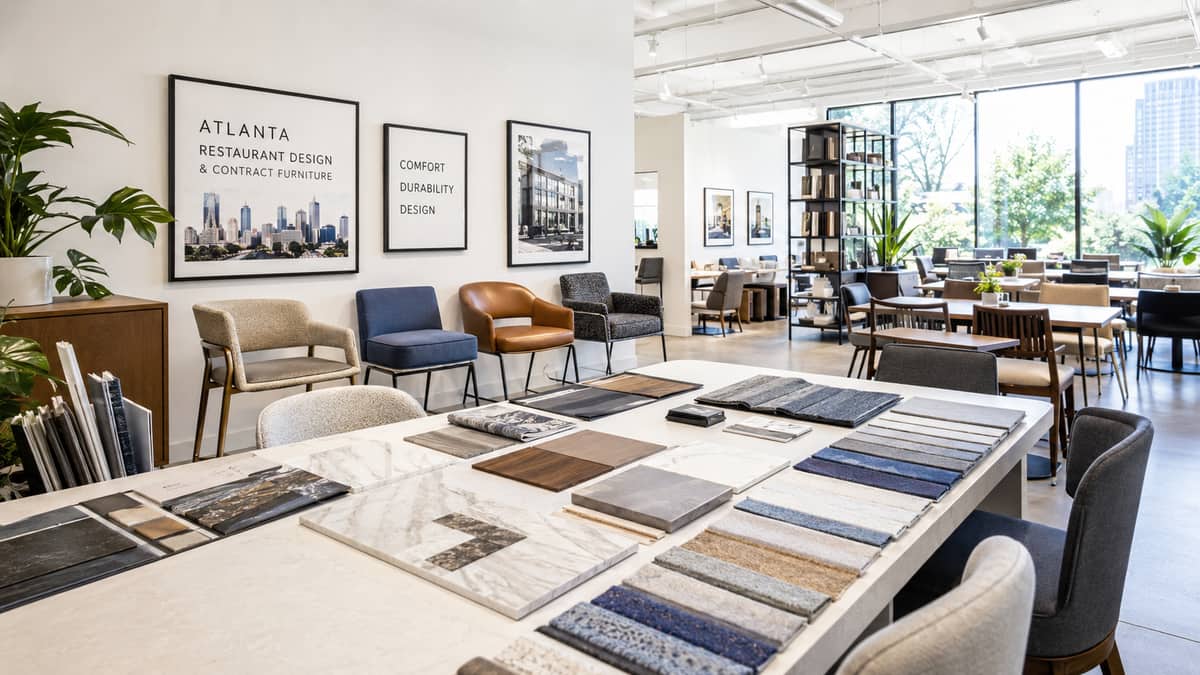
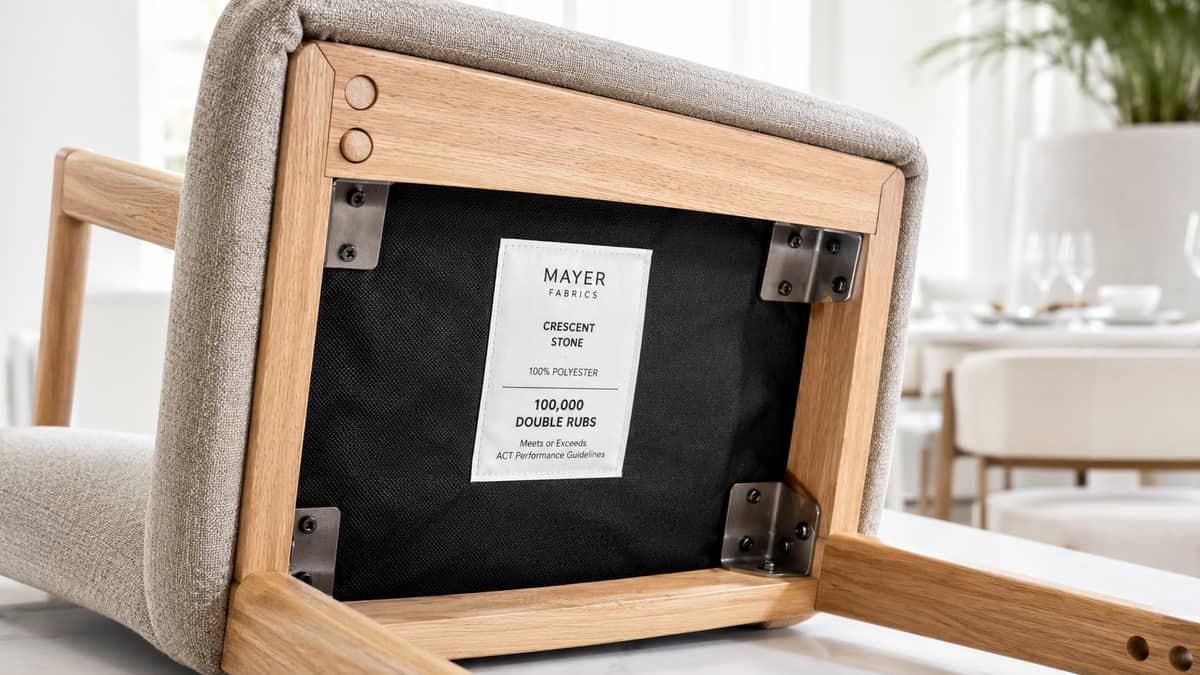
Commercial-grade seating rated to BIFMA standards is built with reinforced frames, commercial-rated foam, and fabrics tested for high rub counts, the kind of specification that anticipates exactly the wear pattern a busy Buffalo dining room produces. Ask any supplier quoting your project for the actual test data on frame load rating and fabric durability before you commit. If they cannot produce it, that is a sourcing decision made for you.
Materials and Upholstery for Buffalo's Range of Environments
Western New York winters are not a minor detail in furniture selection. Restaurants with any outdoor or semi-outdoor seating, and there are more of these than operators expect once patios, covered porches, and seasonal Canalside dining spaces are counted, need furniture that can handle temperature swings, road salt exposure near entrances, and repeated moisture cycling without warping, rusting, or losing finish integrity.
Powder-coated aluminum and galvanized steel frames resist the corrosion that plain steel develops fast in a climate with heavy winter road treatment. Solution-dyed acrylic fabrics hold their color and resist mildew in a way that printed or piece-dyed fabrics cannot, which matters for any seasonal outdoor program running from spring through fall. For interior dining rooms, vinyl and performance textiles remain the standard for high-turnover seating because they clean fast between covers and hold up to the kind of contact wear a busy Elmwood Village or downtown dining room produces every service.
Tables and Bases: Getting the Specification Right for Buffalo Venues
Table bases take abuse that diners rarely notice but operators feel in the maintenance budget. Chairs pushed in and out, bar carts and bus tubs bumping against pedestal bases, and the simple weight-bearing demand of commercial dining all shorten the life of an underspecified table.
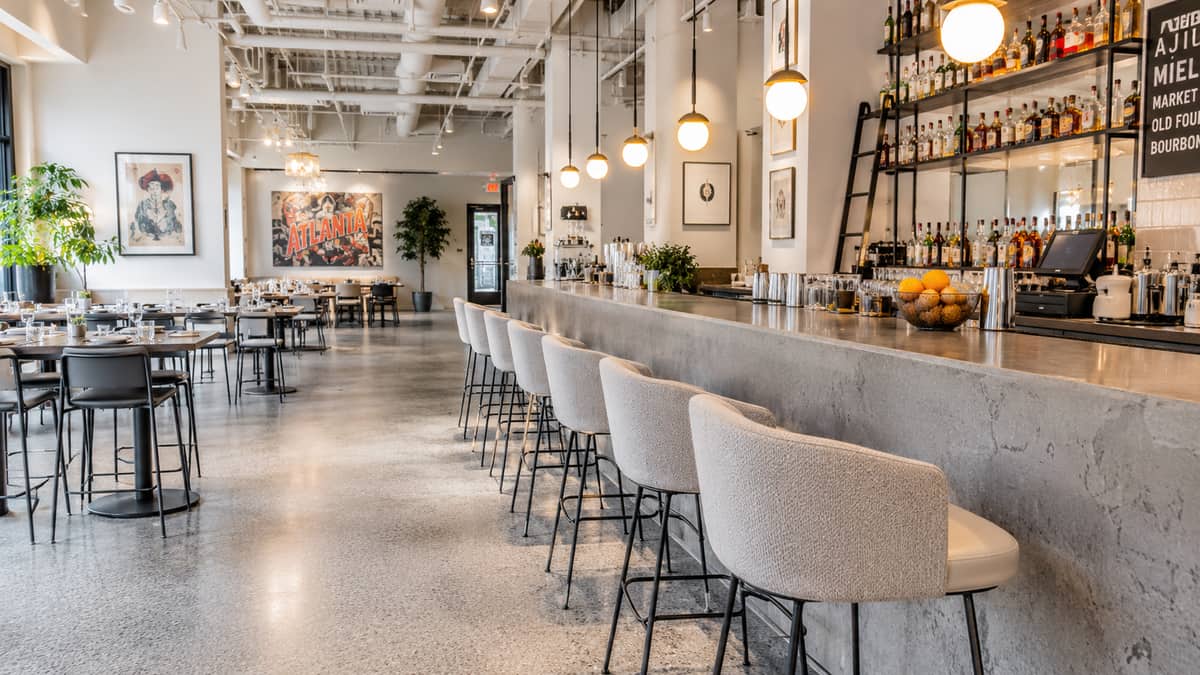
Cast iron and heavy-gauge steel bases hold up better than the lighter aluminum bases sometimes sold for residential or light commercial use. Tabletops in commercial laminate, sealed wood, or solid surface material resist the moisture and cleaning chemical exposure a Buffalo restaurant kitchen produces daily. Match your base weight and footprint to your seating plan before you order, an underweighted base paired with a heavier chair creates a stability problem that shows up as a complaint, not a spec sheet issue.
Finding the Right Supplier Relationship for Buffalo
A restaurant furniture supplier worth working with in Buffalo understands the seasonal rhythm of the market, from the winter interior-dining stretch to the spring and summer patio season along the waterfront and in Elmwood Village. They should be able to phase your order around a build-out timeline, hold stock or manage lead times on custom fabric orders, and coordinate delivery to an occupied or under-construction space without disrupting your opening date.
Ask about their track record with restaurant openings and renovations specifically, not just hospitality furniture in general. A supplier who understands the difference between a fast-casual concept near the arena and a full-service dining room in Elmwood Village will spec differently for each, and that distinction is exactly what keeps your furniture budget matched to your actual operating environment. Request a quote to start the conversation on your project.
Related reading
- Restaurant lounge seating: specs for bar-adjacent and waiting areas
- What is contract furniture
- Commercial furniture vs retail
- Hospitality furniture supplier guide
- Restaurant dining chairs
- Restaurant barstools
- Restaurant tables
- Bar and lounge furniture in Buffalo
- Commercial patio furniture in Buffalo
- Commercial furniture in New York