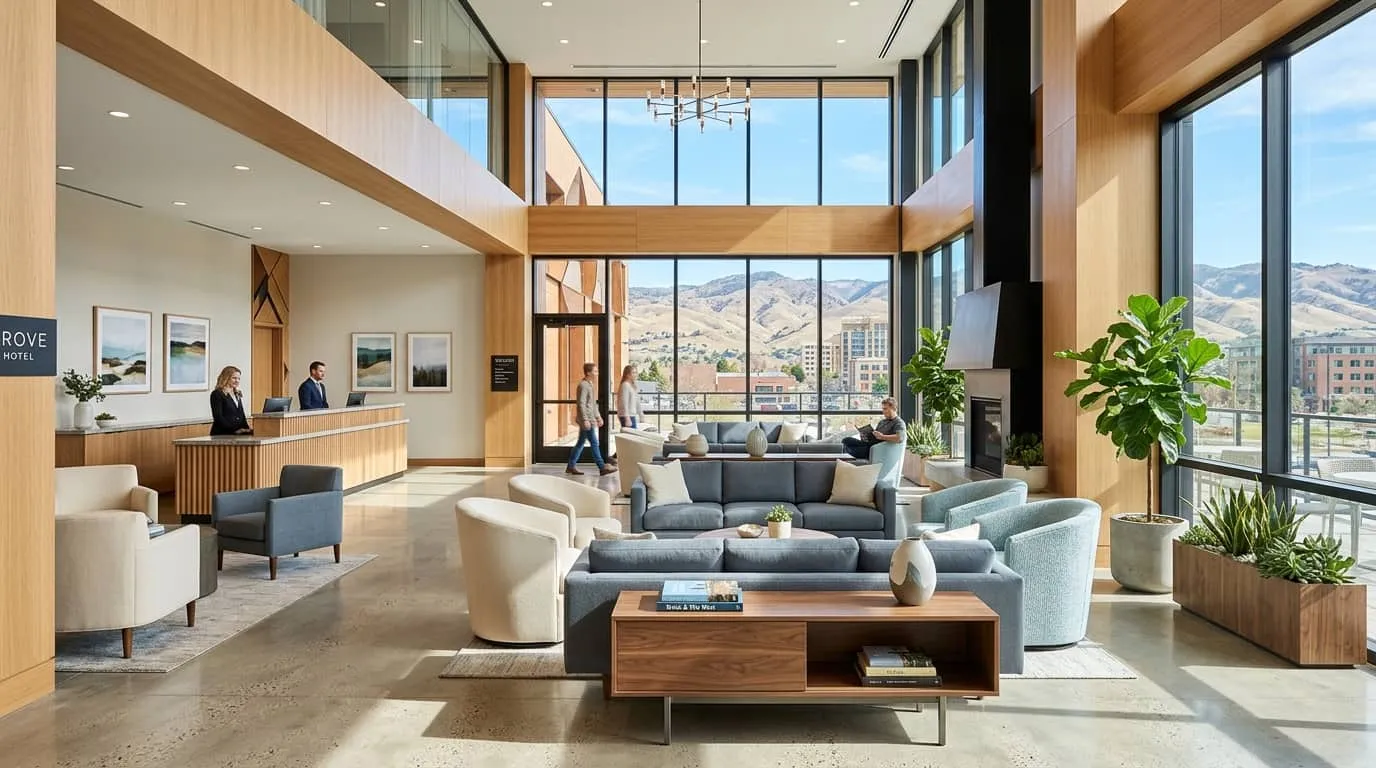
Boise's restaurant scene has matured faster than most food media coverage has acknowledged. The Basque Block anchors a culinary identity the city has carried for decades, but the wave of restaurants opening across BoDo, the North End, and out through Meridian and Nampa reflects a much broader shift. Operators who moved here from Portland, San Francisco, and Los Angeles brought expectations about what a serious dining room looks like, and the local guest base has absorbed those standards quickly. If you are opening or refreshing a restaurant in the Treasure Valley, the furniture conversation is more consequential than it was five years ago.
The Boise Dining Guest Has Changed
The demographic transformation driving Boise's growth has direct consequences for restaurant operators. The tech industry relocation from California brought a wave of guests who are accustomed to dining rooms where every element has been considered. They know what commercial-grade seating feels like compared to stacked chairs from a restaurant supply liquidator. They notice when a banquette back is too shallow to sit in comfortably for two hours, or when a dining table wobbles because the base was not built for repeated commercial use.
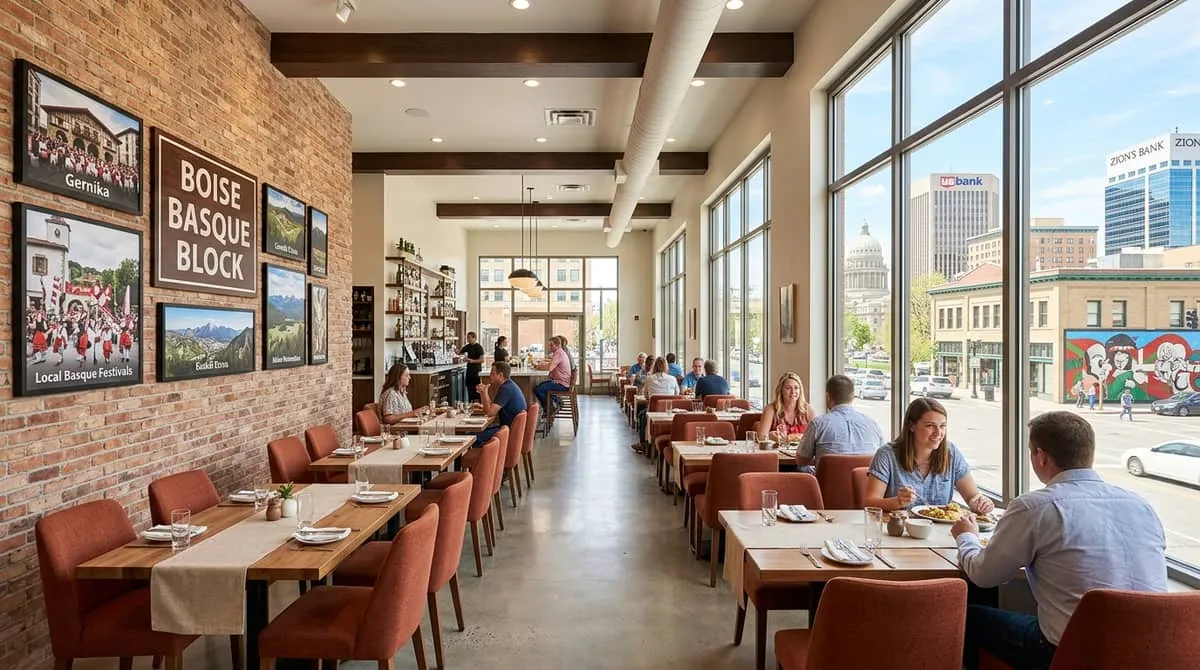
That shift is visible in what operators are asking for now. Requests for solid wood table tops with hardwax oil finishes, upholstered dining chairs with commercial-grade fabric, and booth configurations with proper lumbar support have increased significantly among Boise-area operators compared to even a few years ago. The dining public in the Treasure Valley is no longer comparing your room to the restaurant down the street. They are comparing it to experiences they had in larger markets.
This changes the calculus on budget allocation. Spending more on the dining room furniture than a first instinct suggests is defensible in Boise right now because the guest will notice, and the review they leave reflects the whole experience, not just the food.
Commercial Furniture Specs That Actually Matter for Restaurants
Restaurant furniture fails in specific and predictable ways when it is not built to commercial standards. Knowing which specs to prioritize saves you from the replacement cycle that kills margins in the first two years of operation.
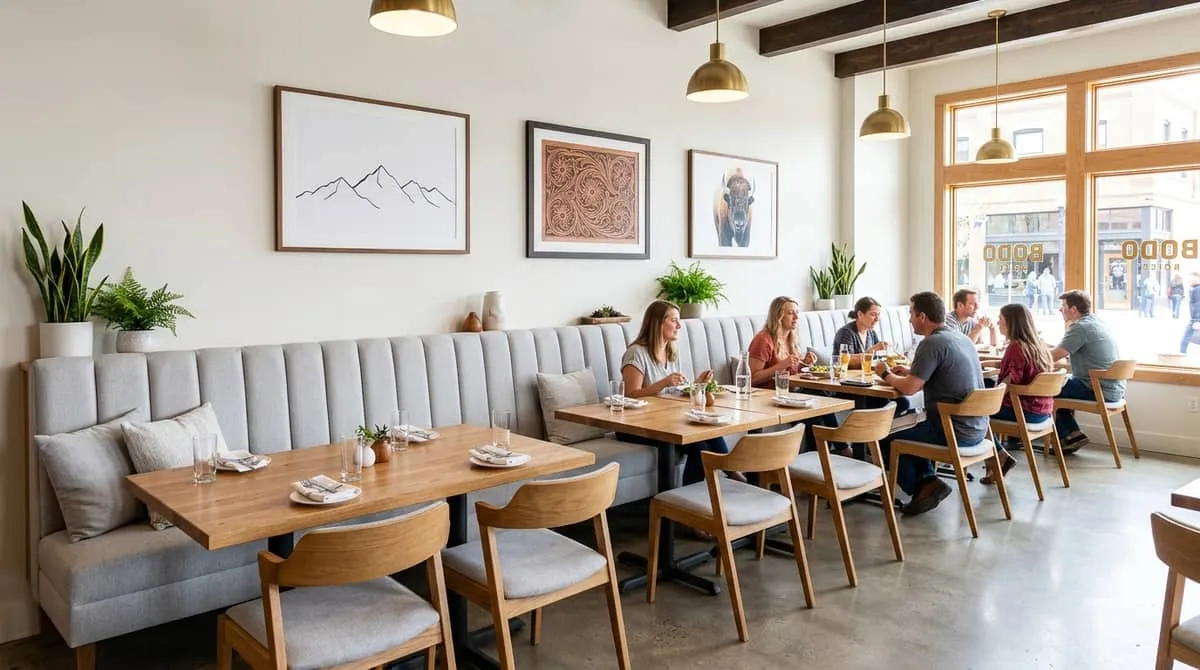
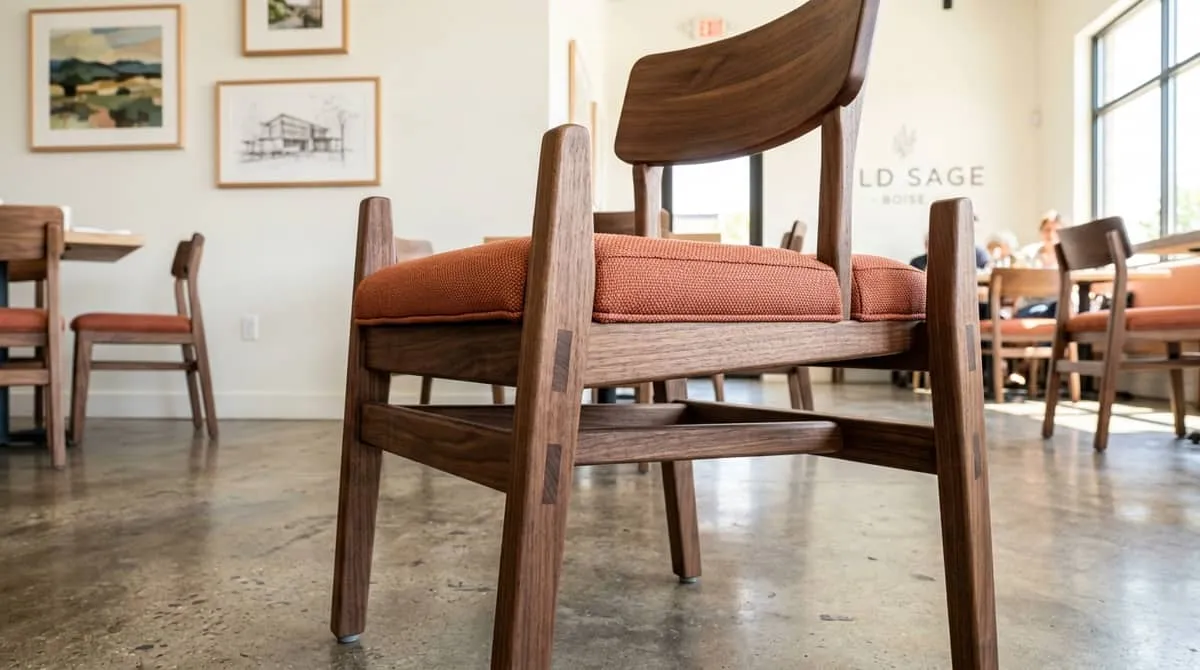
Frame construction on dining chairs is where the biggest failures happen. Residential chairs use corner blocks and dowels that loosen under repeated commercial use. Commercial chairs use mortise-and-tenon joinery, metal corner brackets, and glue-block reinforcement. The difference in cycle-count ratings is significant: residential chairs might handle 50,000 to 75,000 cycles, while BIFMA-tested commercial chairs start at 250,000 cycles and higher. For a busy Boise restaurant doing 200 covers on a weekend night, that matters.
Table bases need to match the top weight and the floor surface they sit on. Cast iron bases work well on concrete floors common in BoDo restaurant spaces but can walk on smooth tile if leveling feet are not properly adjusted. Table tops should be a minimum of 1.25 inches thick for four-top and larger sizes. Anything thinner shows edge wear and corner damage quickly in commercial use.
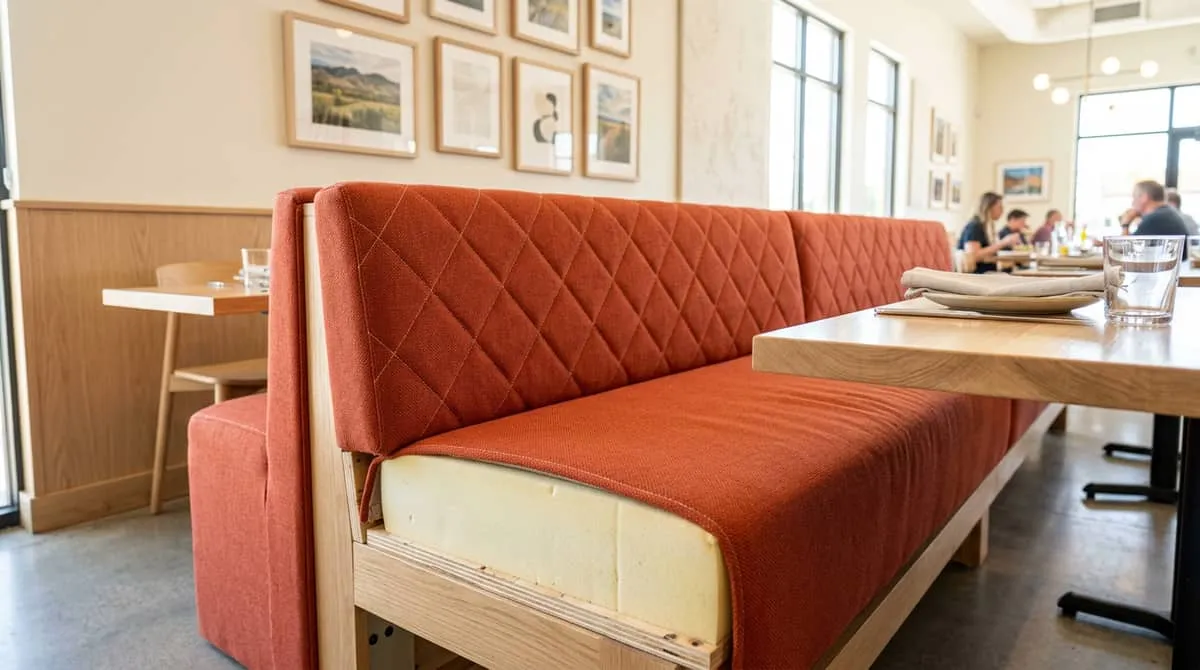
Upholstery on booth seating and dining chairs is the highest-wear category in most restaurants. Specify minimum 50,000 double rubs on any fabric used for seat cushions. Vinyl and coated fabric alternatives offer easy cleaning but need to be specified at commercial thickness, typically 0.9 millimeters or above, to resist cracking at seat creases. For a restaurant near the Boise River Greenbelt or a Bogus Basin access corridor where guests arrive in outdoor gear, cleanability should be weighted heavily in the spec.
Matching Furniture to Boise Restaurant Concepts
The range of restaurant concepts opening across the Treasure Valley is wide, and furniture should reflect concept, not default to a middle-ground solution that fits nothing particularly well.
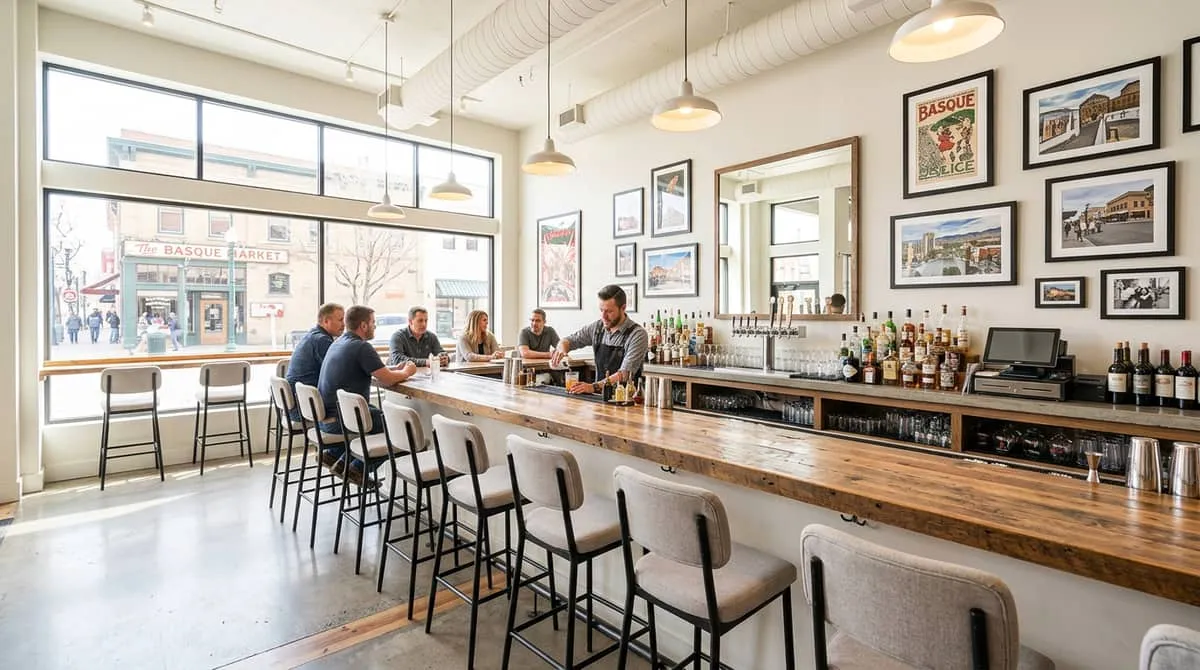
For casual dining concepts in the BoDo district, operators are leaning into industrial materials that acknowledge the urban fabric of downtown Boise without feeling derivative. Steel-framed chairs with solid wood seats, reclaimed or live-edge table tops, and banquette seating in dark leather or textured vinyl read well in those spaces and hold up against the heavy-use patterns of a downtown dining room running lunch and dinner service.
Upscale casual and fine dining concepts opening near the Basque Block or targeting the tech-executive guest arriving for Boise Centre events need a higher finish level. Upholstered chairs with wood legs and piped cushion details, hardwood table tops with fine oil finishes, and custom banquette upholstery in hospitality-grade fabric signal a different level of investment that guests calibrate immediately. The furniture program in those rooms communicates price point and intent before a menu reaches the table.
Fast-casual concepts expanding through Nampa and Meridian as the Treasure Valley suburban market grows face a different set of priorities. Durability and cleanability over design complexity, stackable seating for flexible floor configurations, and solid-surface table tops that can be sanitized quickly are the governing specs. The key mistake in fast-casual restaurant furniture is confusing cheap with practical. A commercial-grade stackable chair costs more than a residential equivalent but absorbs five to ten times the use before it needs replacement.
Buying Restaurant Furniture for a Boise Property
The practical process for sourcing restaurant furniture in Boise starts with a complete floor plan and a clear concept brief. Any supplier worth working with needs to understand your cover count, your table turn goals, your design direction, and your opening timeline before they can put a useful specification package together.
Lead times for custom pieces run 10 to 14 weeks for upholstered dining chairs and banquettes, and similar timelines for custom table tops. In-stock commercial seating programs from domestic manufacturers can ship in two to four weeks and work well as a faster path for straightforward applications. Be clear with your supplier about which items are on the critical path for your opening and which can arrive slightly later without operational consequences.
Request samples before finalizing any upholstery or finish selection. The difference between a fabric swatch and installed banquette upholstery under a restaurant's lighting is significant, and changing your mind after production approval is expensive. A supplier who pushes back on sample requests is not set up to serve your project well.
Warranty documentation should cover frames, finish adhesion, and fabric performance separately. Three years on structural components is a baseline; five years is better. Ask specifically how the supplier handles warranty claims from Idaho, because freight-back return processes for heavy case goods and seating create real operational problems if the supplier has not thought through their replacement logistics for Mountain West markets.
We quote restaurant furniture for Boise operators against their own layouts and order sizes rather than a generic sheet. Request a quote and we will put together pricing for your property.