
Atlantic City's restaurant scene runs on two overlapping economies. There is the casino resort dining built into the Boardwalk and Marina District properties, seating thousands of covers a week without a slow night, and there is the independent restaurant and bar scene that has grown up around the Boardwalk and the surrounding shore neighborhoods, feeding both tourists and the local South Jersey market. Both need furniture that survives constant use and a coastal climate that is harder on materials than most inland markets ever have to plan for. If you are furnishing a restaurant in Atlantic City right now, the spec sheet matters as much as the design.
Why Contract-Grade Furniture Is the Minimum Specification
Contract-grade is not a marketing term. It refers to furniture built to commercial performance standards, ANSI/BIFMA in the US, meaning stress-tested frames, commercial-weight glides, foam density at 1.8 lb or above, and upholstery rated for 50,000 double rubs at the low end. For a busy Atlantic City dining room near the Boardwalk or inside a resort property, 100,000 double rubs is the more realistic floor for any upholstered seat in daily service.

The gap between contract-grade and retail furniture shows up fast in this market. A residential dining chair might handle twenty or thirty sits a day in a home. A restaurant chair inside a casino resort dining room or a Boardwalk-facing restaurant does multiples of that before the kitchen closes on a summer Saturday. Joints fail first, then glides, then the upholstery surface, and operators end up replacing furniture on a twelve to eighteen month cycle instead of a five to seven year one. That math never works out in an operator's favor.
Materials and Upholstery for a Shore Climate
Atlantic City sits directly on the coast, and that changes the materials conversation more than most operators expect coming from an inland market. Salt air accelerates corrosion on hardware and frames, humidity swings hard between a summer afternoon and a winter nor'easter, and any furniture exposed to that environment needs a different spec than the same piece would need a hundred miles inland.
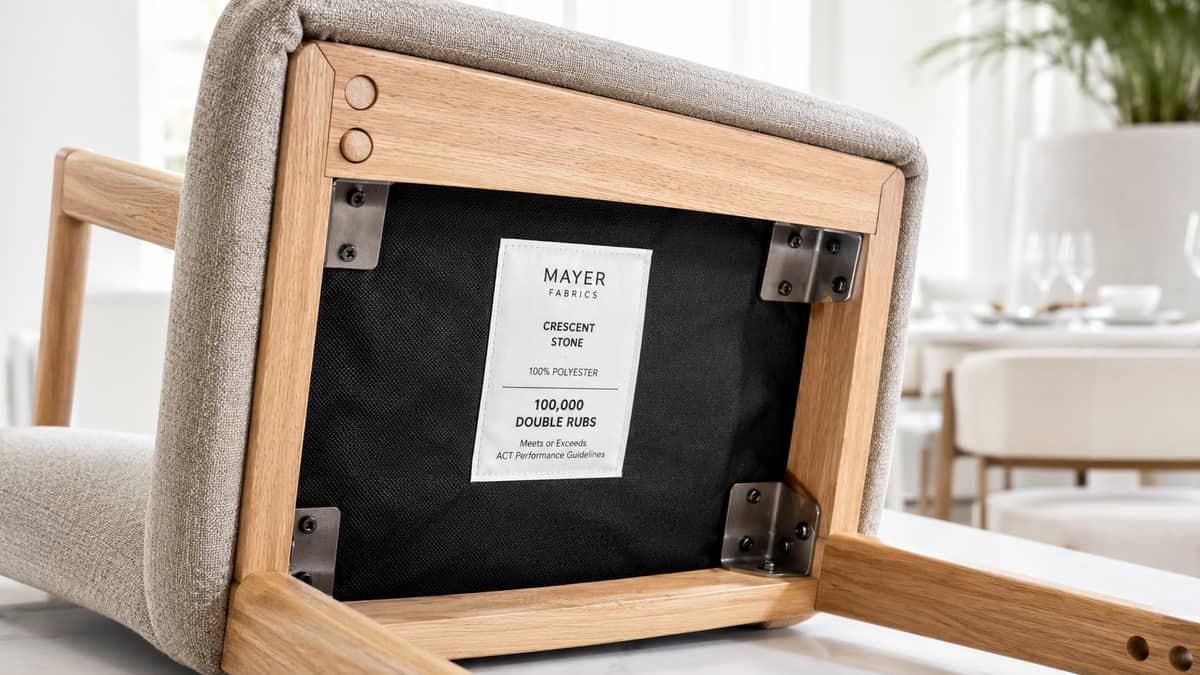
For indoor high-traffic seating, casino resort dining rooms and busy Boardwalk-adjacent spots, performance vinyl and commercial polyurethane upholstery are the practical choice. They clean fast, resist grease and bar-rag wear, and hold up against the friction of constant use. Ask any supplier directly about double-rub counts before you commit to a fabric line.
For any patio, boardwalk-facing, or covered outdoor seating, solution-dyed acrylic fabric is the standard, and it matters more here than in a drier climate. Cushion foam that is not properly sealed traps moisture and mildews fast in shore humidity, and unsealed fabric fades and degrades under direct sun exposure across a full summer season. Powder-coated aluminum frames are the right call for any exterior application. Anything less resistant to salt air corrosion is a maintenance problem within a year, not a design choice that lasts.
Tables and Bases: Getting the Specification Right
Atlantic City's dining aesthetic ranges from casino resort formal to casual shore dining, and the table and base specification should match the operational reality of each. Solid wood tabletops with a commercial lacquer or resin coat hold up well in a climate-controlled interior. Uncoated or lightly oiled wood is a liability anywhere near a bar program or an outdoor setting, it swells and stains fast in humid shore conditions.
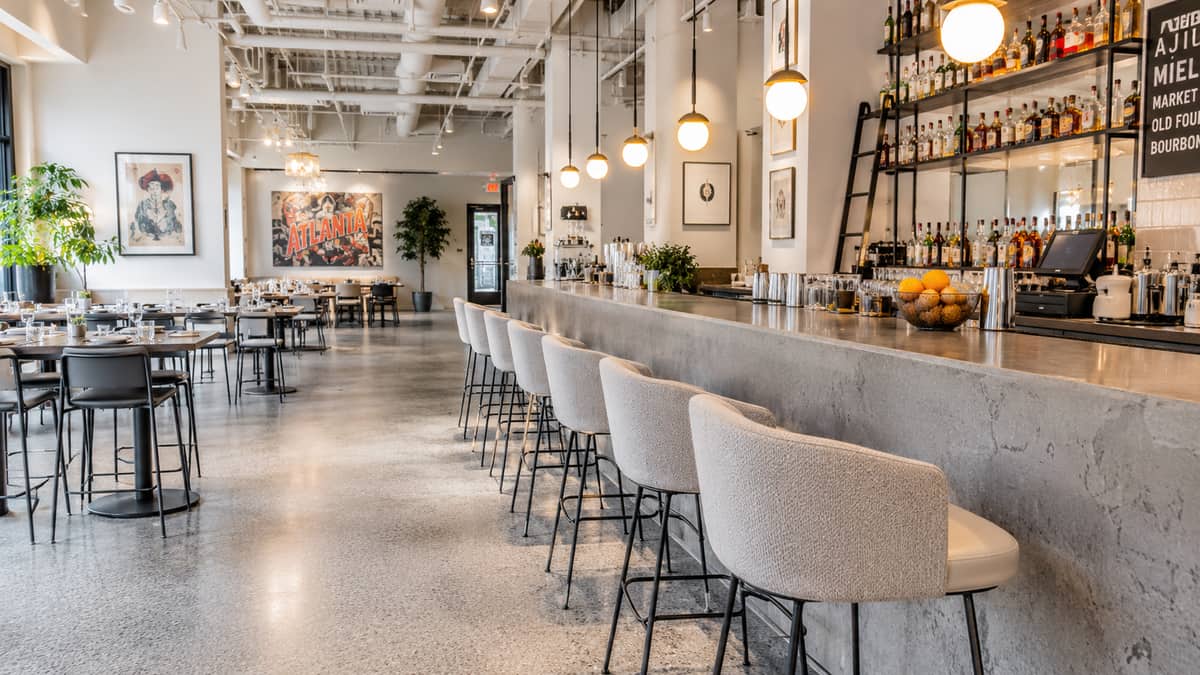
For venues running high cover counts during peak summer weekends, laminate tops in a realistic wood or stone finish clean faster and cost significantly less to replace than solid wood. Table bases are where operators most often underspend. Cast-iron or heavy-gauge steel bases are correct for any bar-height application, since lightweight aluminum bases wobble under constant use. For patio and boardwalk-facing settings, powder-coated steel or aluminum with a UV-stable, corrosion-resistant finish is non-negotiable given the year-round salt air exposure.
Finding the Right Supplier Relationship
One-off purchases from liquidation sources or retail furniture stores create operational headaches down the line. When a chair cracks or a barstool base fails mid-season, an operator needs a supplier who still stocks the SKU, can match the finish, and ships fast enough to keep the dining room looking consistent through peak tourist traffic.
Look for suppliers who carry hospitality-specific lines built for coastal commercial use, not residential or office crossover product repackaged with a commercial label. Sit in the chair before ordering a full dining room's worth, if you can. No spec sheet substitutes for testing seat height, checking table wobble, and confirming a finish reads the way you expect it to under your actual lighting. Operators who treat furniture sourcing with the same rigor they apply to kitchen equipment come out ahead two seasons into the lease.