Boutique hotels in Atlantic City compete against a very specific backdrop: large-scale casino resorts with amenities and square footage an independent property cannot match. That competitive reality shapes the entire furniture conversation. A boutique property here wins on character, a distinctive lobby, guest rooms that feel curated rather than templated, and public spaces that photograph well and hold up to daily shore-market traffic. Getting that mix of design intent and contract durability right is the whole job.
Design Intent Meets Coastal Durability
The Atlantic City boutique market draws on the same design language you see in shore hospitality up and down the coast, natural materials, a relaxed but polished palette, furniture that feels residential without being residential-grade underneath. That distinction matters more here than almost anywhere else on the sourcing map. A piece that looks handcrafted and durable in a showroom needs to survive salt air, humidity swings, and a guest base that ranges from weekend beachgoers to convention travelers passing through for the Atlantic City Convention Center.
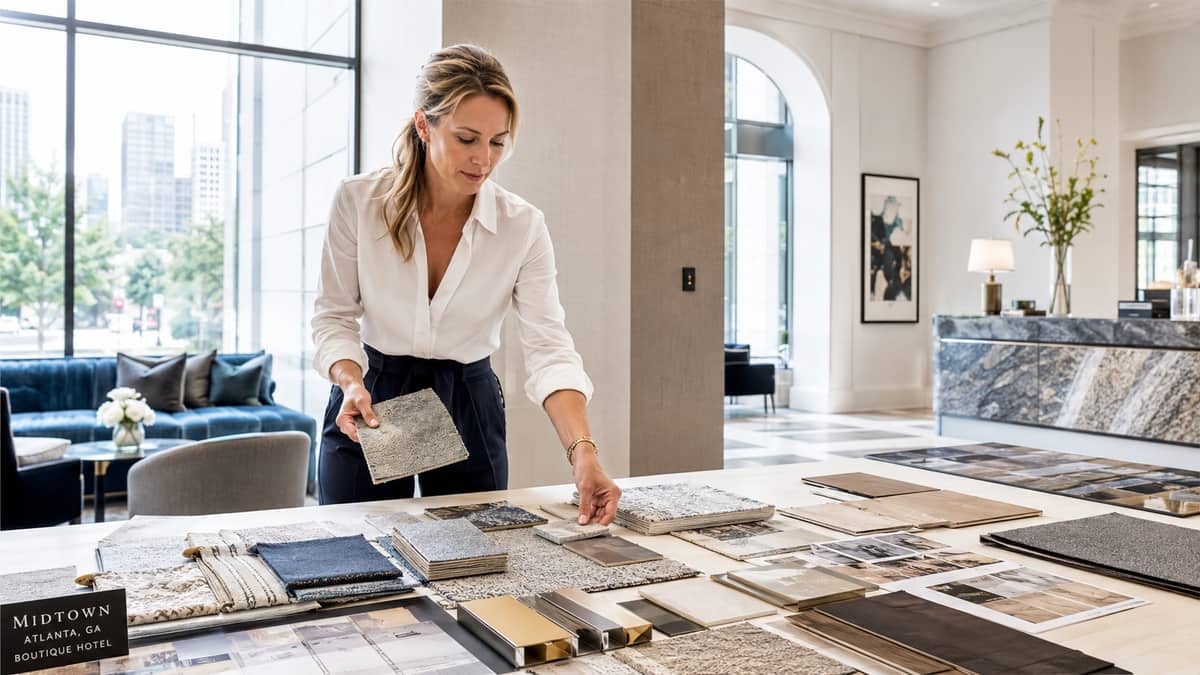
Custom and semi-custom furniture programs are common in this segment, since a boutique property's entire value proposition depends on not looking like the property down the block. That means longer lead times than off-the-shelf contract lines, and it means working with a supplier who can execute a design vision without losing the commercial performance underneath it. Ask about their custom capability directly: fabric sourcing, frame customization, finish options, and how far they can push a design brief while still delivering BIFMA-rated performance.
Guest Room Furniture That Reads as Intentional
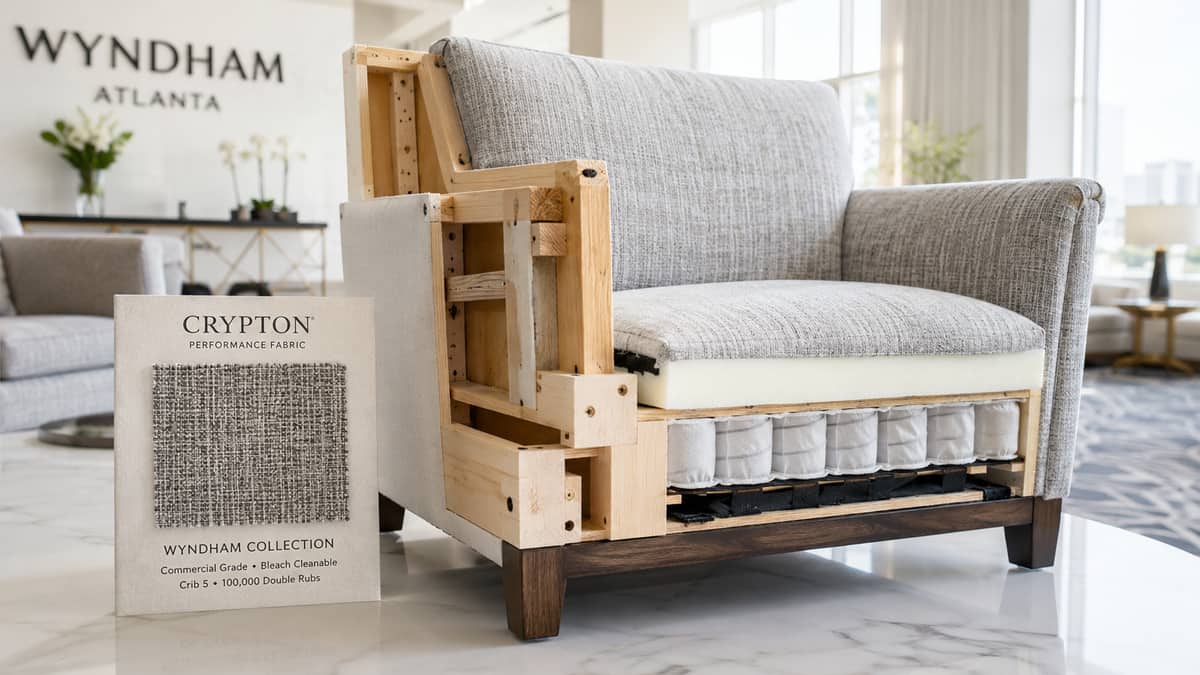
Guest rooms are where a boutique property's design identity either lands or falls flat. Casegoods, headboards, and seating need a cohesive point of view that a big resort chain cannot replicate at scale, but they also need to survive the same guest turnover and housekeeping cycles as any commercial hotel room. That is a harder brief than it sounds. A headboard with a unique upholstered profile still needs commercial-grade foam and fabric underneath. A dresser with a distinctive finish still needs drawer hardware rated for daily commercial use, not residential cycles.
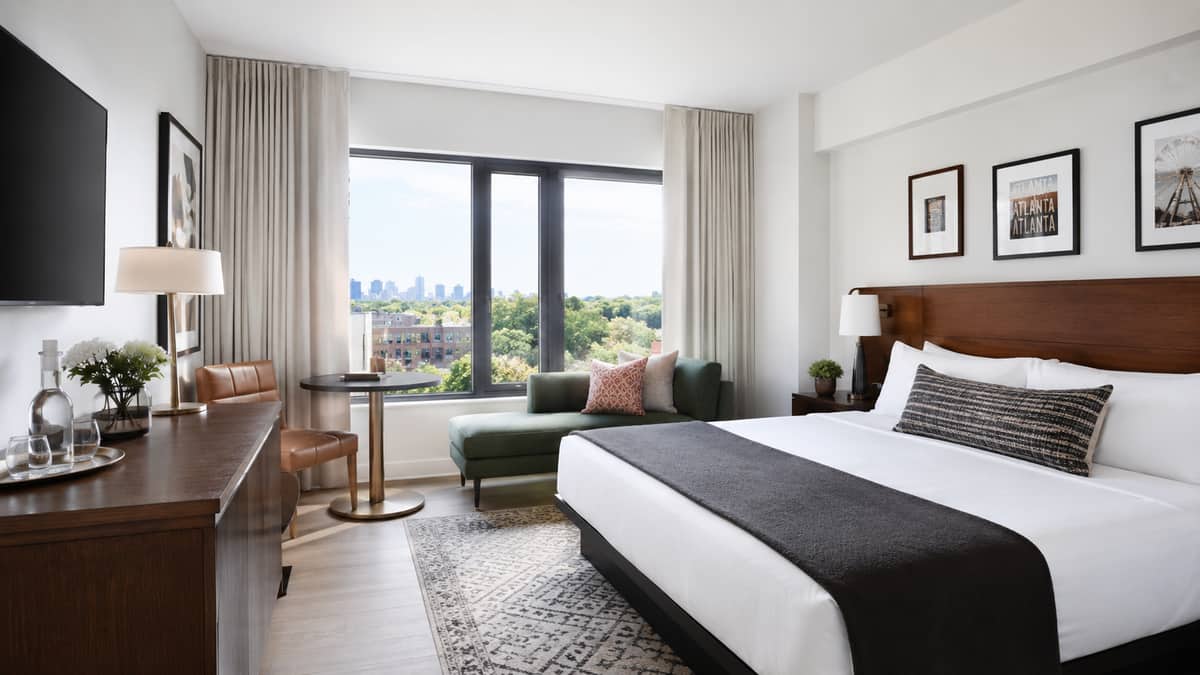
Work with a supplier who understands that distinction rather than pushing you toward a standard catalog line because it is easier to fulfill. The right partner treats a boutique brief as a design problem to solve within commercial constraints, not a compromise to negotiate down.
Public Spaces as a Competitive Advantage
For a boutique property in a market dominated by resort scale, the lobby and common areas do more marketing work than almost any other part of the building. A distinctive lobby chair or a well-curated lounge arrangement is what shows up in guest photos and drives the word of mouth an independent property depends on more than a resort brand does.
That means public space furniture in this segment carries a higher design bar than a standard limited-service hotel, while still needing to survive constant use from a guest base that mixes weekend leisure travelers with convention and business traffic passing through Atlantic City year round. Lounge seating, accent chairs, and lobby tables all need the same contract-grade construction as any hospitality furniture, foam density, frame reinforcement, fabric durability, dressed in a design language that does not look like it came from the same catalog as every other hotel on the shore.
Sourcing Strategy for Boutique Projects
Start the furniture conversation early, earlier than most boutique operators expect to need to. Custom and semi-custom programs run longer lead times than standard contract lines, often 14 to 20 weeks depending on complexity, and a boutique property's opening date rarely has the flexibility to absorb a late furniture delivery.
Work with a supplier who can show you a design portfolio, not just a spec sheet. Ask to see completed boutique projects, ideally in comparable coastal or resort-adjacent markets, and evaluate how well they balanced design distinctiveness against commercial performance. A supplier who only has standard hotel chain installations in their portfolio may struggle to execute a boutique brief without pushing you toward safer, more generic choices.
Budget for the reality that boutique furniture programs cost more than standard contract lines, both in unit price and in the design collaboration time required to get it right. That premium buys a property that does not look interchangeable with every other hotel competing for the same Atlantic City guest, and in a market this crowded with resort-scale competition, that differentiation is worth paying for.