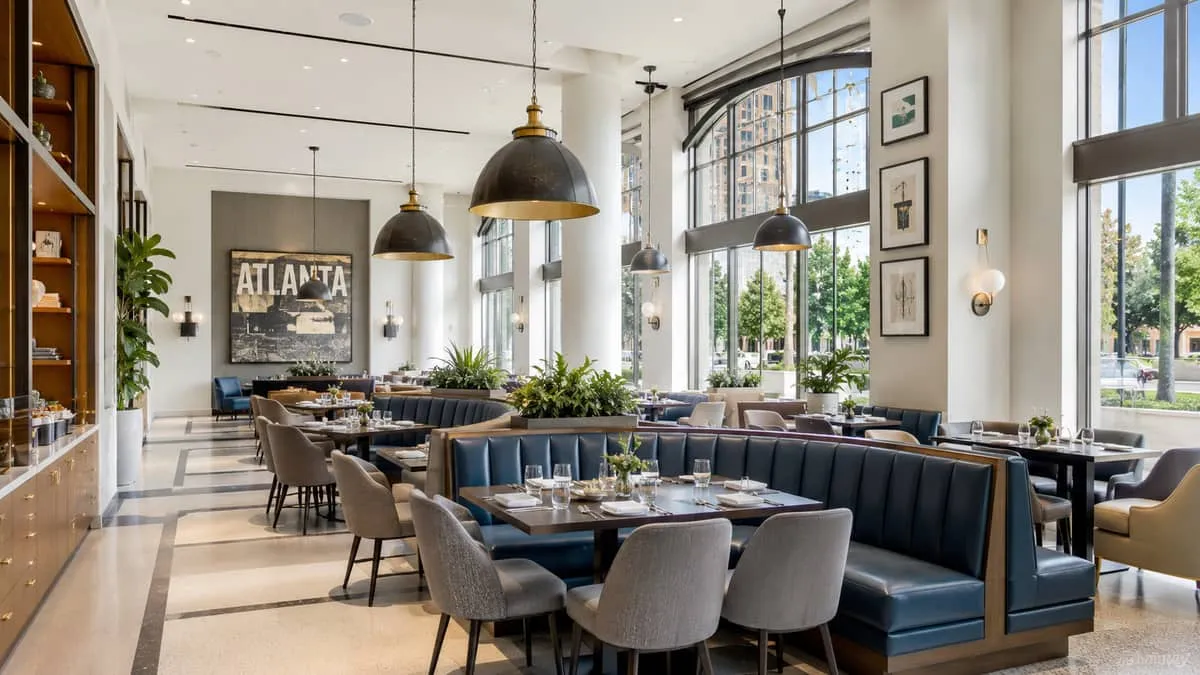
FF&E procurement in Atlantic City runs on a tighter set of constraints than most hospitality markets. Casino resort properties operate at a scale that pushes order volume and coordination complexity well past a standard hotel buildout. The Atlantic City Convention Center calendar keeps a steady stream of renovation and buildout projects moving around fixed event dates. And the compressed peak tourist season means any project targeting a spring or early summer opening has essentially no room for schedule slippage. Understanding how those pressures shape the procurement process is what separates a smooth FF&E rollout from one that blows its budget and its timeline.
The Procurement Sequence That Actually Works
FF&E procurement should start the moment interior design drawings are finalized, not after construction is underway. Furniture specification, sample approval, and purchase order issuance all take real time, and starting that process late is the single most common cause of delayed openings in this market. A typical sequence runs design finalization, supplier RFQ and sample review, purchase order and deposit, production, and delivery and installation, each stage with its own lead time that compounds if any step gets delayed.
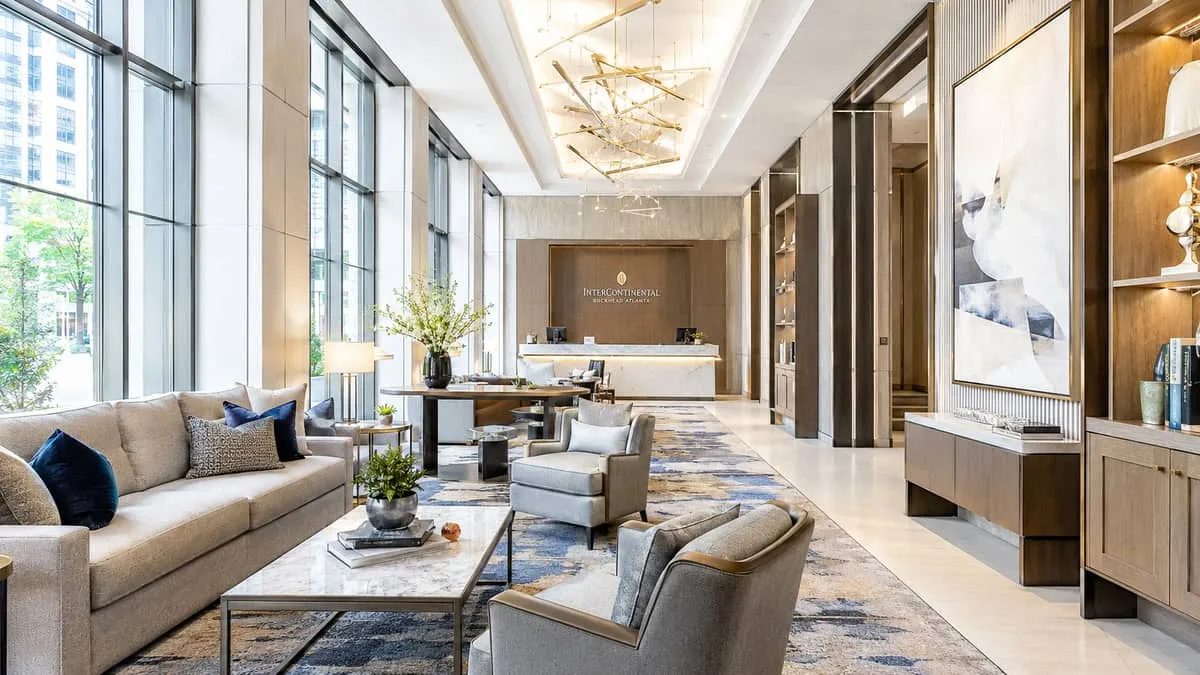
For resort-scale casino hotel projects, that sequence gets more complex because of order volume. A single guest room furniture package for a large property can run into thousands of individual pieces across dozens of SKUs, which means production scheduling, quality control sampling, and delivery logistics all need to be coordinated at a scale a boutique property or standalone restaurant never has to manage. Work with a procurement partner who has actually executed orders at that scale, not one whose largest prior project was a fraction of the size.
Budgeting and Purchase Order Structure
FF&E budgets in Atlantic City hospitality projects need to account for a few market-specific realities. Resort-scale properties typically negotiate volume pricing that a smaller independent buyer cannot access, which means a boutique property or standalone restaurant should budget per-unit costs closer to standard contract pricing rather than resort-scale discounts. Coastal shipping and delivery logistics also add cost that an inland market procurement plan might not account for, since freight to a barrier island destination runs on a different cost structure than a standard metro delivery.
Purchase order structure should build in contingency for lead time variability, particularly for any custom or semi-custom furniture program. A well-structured PO separates deposit, production milestone, and final payment terms clearly, and ties each to a specific delivery commitment rather than a vague estimated window. That structure protects the buyer if a supplier's timeline slips and gives leverage to hold them to their commitment.
Coordinating Around the Convention and Peak Season Calendar
Atlantic City's FF&E procurement timelines need to work backward from two fixed points most other markets do not have to plan around as tightly: the Convention Center's event calendar and the start of peak tourist season. A hotel renovation project needs to avoid disrupting occupancy during major convention weeks, and any property targeting a spring reopening cannot absorb a furniture delivery delay without losing meaningful revenue during peak season.
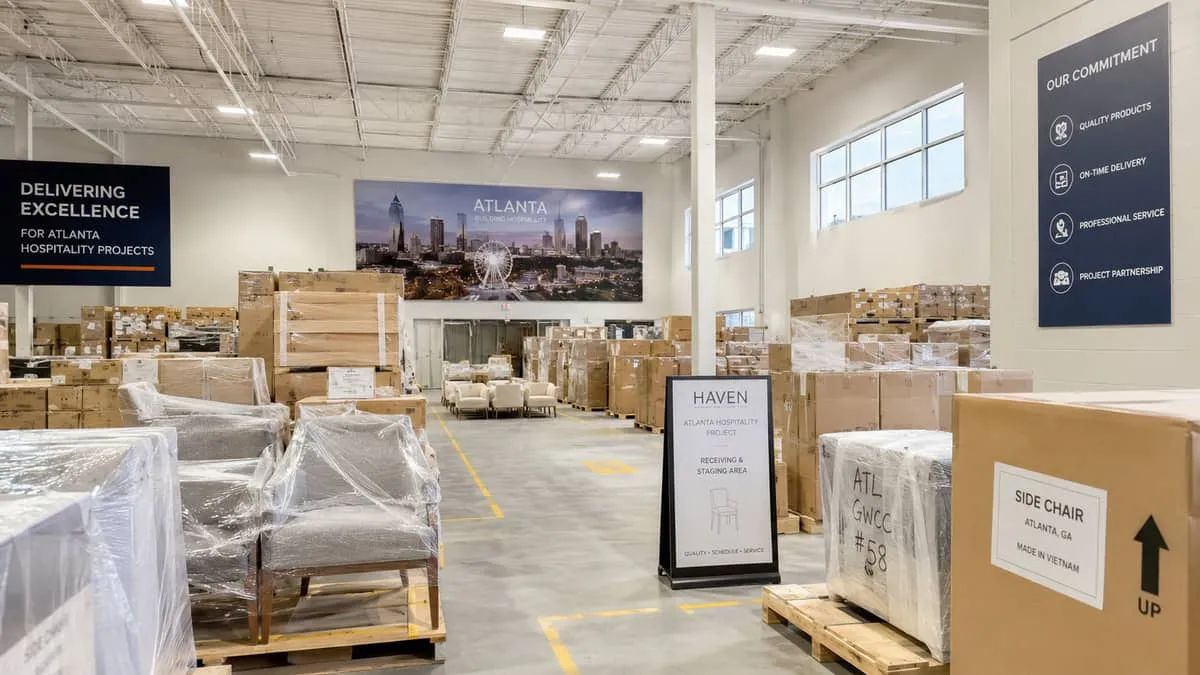
Build procurement timelines with real buffer against both of those fixed dates, not the supplier's best-case lead time estimate. A supplier's standard 10 to 16 week lead time assumes no complications, and complications, port delays, production issues, freight disruptions, are common enough that a procurement plan without buffer is a procurement plan that risks the opening date.
Working With a Single FF&E Partner Versus Multiple Vendors
Larger Atlantic City hospitality projects benefit from consolidating FF&E procurement under a single supplier relationship rather than splitting orders across multiple vendors by category. A single partner handling guest room casegoods, lobby seating, and dining furniture together simplifies delivery coordination, gives the buyer one point of accountability if something goes wrong, and often unlocks better pricing through combined order volume.
That said, no single supplier is the right fit for every category on every project. Evaluate potential partners on their actual track record in the specific categories your project needs, hospitality casegoods, contract seating, outdoor furniture for coastal exposure, rather than assuming a generalist supplier can execute every category equally well. The right FF&E partner for an Atlantic City project is one who can prove they have handled comparable scale and comparable coastal market conditions before.