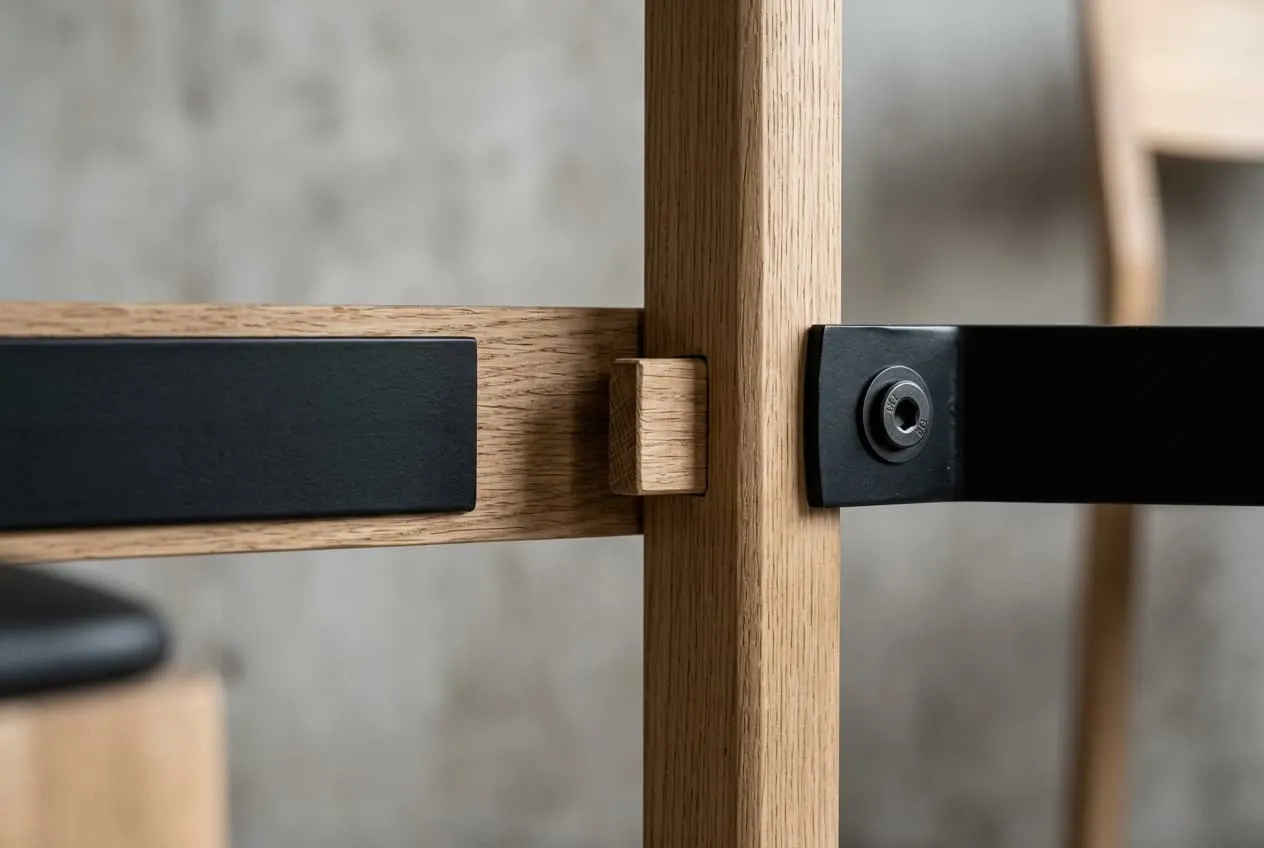
Albuquerque's dining scene has a character that does not really exist anywhere else in the country, and that shapes what your furniture program needs to survive. Old Town still pulls tourists into century-old adobe courtyards for green chile and margaritas. Nob Hill's Route 66 storefronts have filled in with a dense strip of chef-driven restaurants and late-night bars. Downtown keeps building around the Convention Center, and every October the International Balloon Fiesta floods the whole metro with visitors who need somewhere to eat breakfast at 6 a.m. and dinner reservations that book out weeks in advance. If you are furnishing a restaurant in Albuquerque right now, you are specifying for a climate and a crowd that most contract furniture catalogs were not built with in mind.
Why Contract-Grade Furniture Is the Minimum Specification
Contract-grade is not a marketing term. It refers to furniture built to commercial performance standards, ANSI/BIFMA in the US, which means stress-tested frames, commercial-weight glides, foam density at 1.8 lb or above, and upholstery rated for 50,000 double rubs at the low end. For a busy Albuquerque dining room, especially one running patio seating for most of the year, 100,000 double rubs is a more realistic floor for any upholstered seat in daily service.
The gap between contract-grade and retail furniture shows up fast in this market. A residential chair might handle 20 to 30 sits per day in a home. A restaurant chair in a Nob Hill spot doing back-to-back seatings on a Friday night does multiples of that before last call. The joints go first, then the glides, then the upholstery surface splits along the seams. You end up replacing furniture on a 12-to-18-month cycle instead of a five-to-seven-year one, and the sun here accelerates that timeline further than most operators expect.
Albuquerque has steady hospitality construction across Uptown, the Sawmill and Wells Park district, and the hotel corridor near the Sunport and I-25, so contract furniture suppliers are competing for your business. Use that leverage. Get warranty terms in writing, ask about commercial-use coverage explicitly, and do not accept vague answers about lead times, because freight into New Mexico can run longer than operators budget for.
Materials and Upholstery for Albuquerque's Climate
Albuquerque's high desert climate is the single biggest variable in any furniture spec here, and it is unlike what most national suppliers plan for. Summers bring intense, direct UV at 5,000 feet elevation, with a monsoon season from July through September that swings from bone-dry afternoons to sudden, hard downpours within an hour. Winters can drop below freezing overnight even when the days are mild. Your furniture program needs to hold up to all of it, often on the same patio.
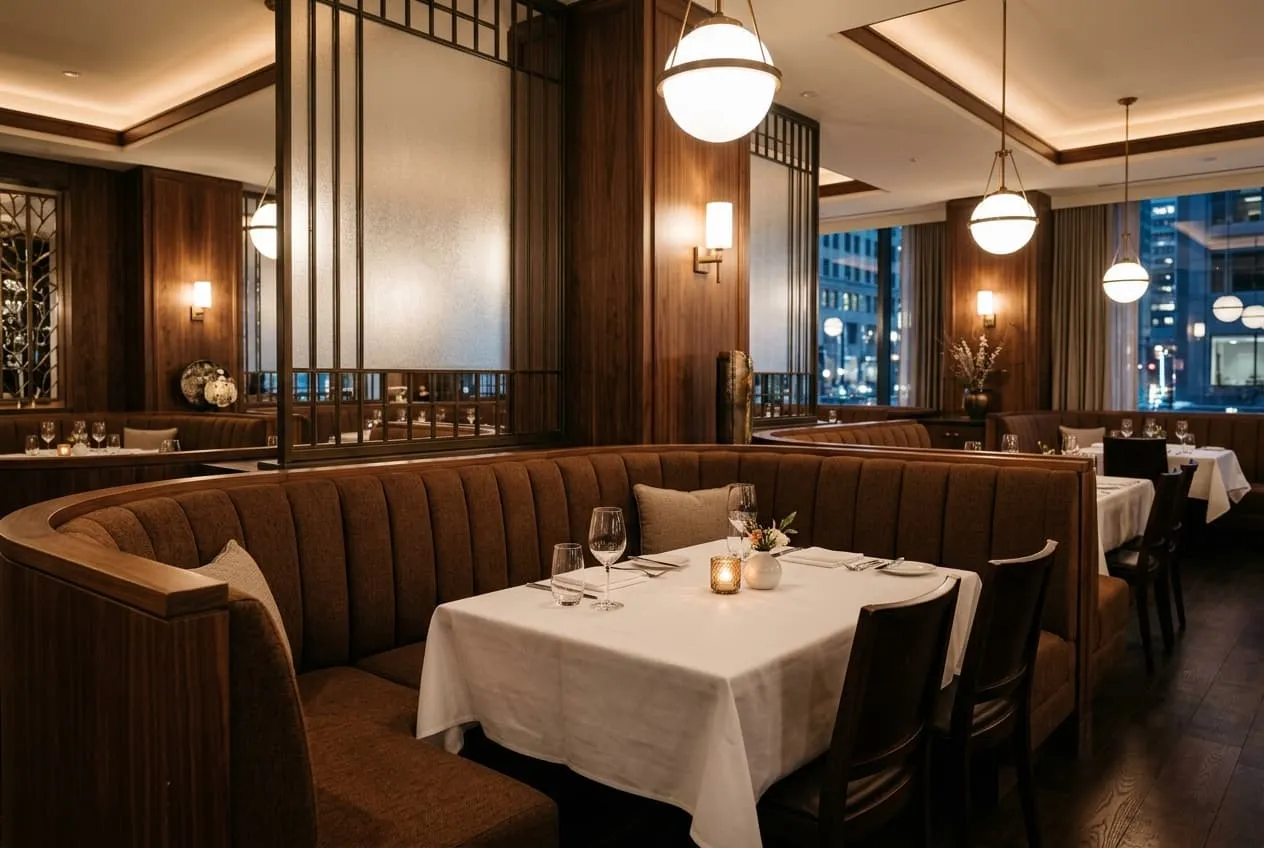
For indoor high-traffic seating, taquerias and green chile counters along Central Avenue, brewpubs in the Sawmill District, brunch spots in Nob Hill running heavy weekend covers, performance vinyl and commercial polyurethane upholstery are the practical choice. They clean fast, resist the grease and chile stains that come with New Mexican cuisine, and hold up against constant friction. These materials are rated by double-rub count, and that number is worth confirming directly with any supplier you are evaluating.
For patio and courtyard settings, which make up a larger share of Albuquerque's seating capacity than in most cities, solution-dyed acrylic fabric is the standard. UV exposure at this elevation degrades ordinary fabric dye within a season, and cushion foam that is not sealed properly will trap monsoon moisture and mildew before the season ends. Powder-coated aluminum frames are the right call for any exterior application, since they will not corrode and hold their finish through repeated freeze-thaw cycles in winter. Wrought iron and Pueblo-style wood accents can still work for the aesthetic Old Town and Nob Hill operators favor, but they need a genuine commercial-grade finish underneath, not a decorative one.
For higher-end concepts near Uptown or in the hotel dining rooms serving the Convention Center and Balloon Fiesta Park crowds, performance woven textiles offer more visual depth than vinyl while still meeting commercial durability standards. The qualifier that matters in every category is the word "commercial." Residential fabric in a restaurant setting voids most supplier warranties and fails fast enough in this sun that the up-front savings disappear within a year.
Tables and Bases: Getting the Specification Right for Albuquerque Venues
Albuquerque's dominant restaurant aesthetic runs from Southwestern adobe warmth, exposed vigas, terra-cotta, hand-carved wood accents, the look you see throughout Old Town and the historic KiMo Theater district, to a cleaner, more industrial style showing up in Sawmill and Downtown buildouts. Both directions have real furniture implications, and getting the table specification right matters as much as the seating.
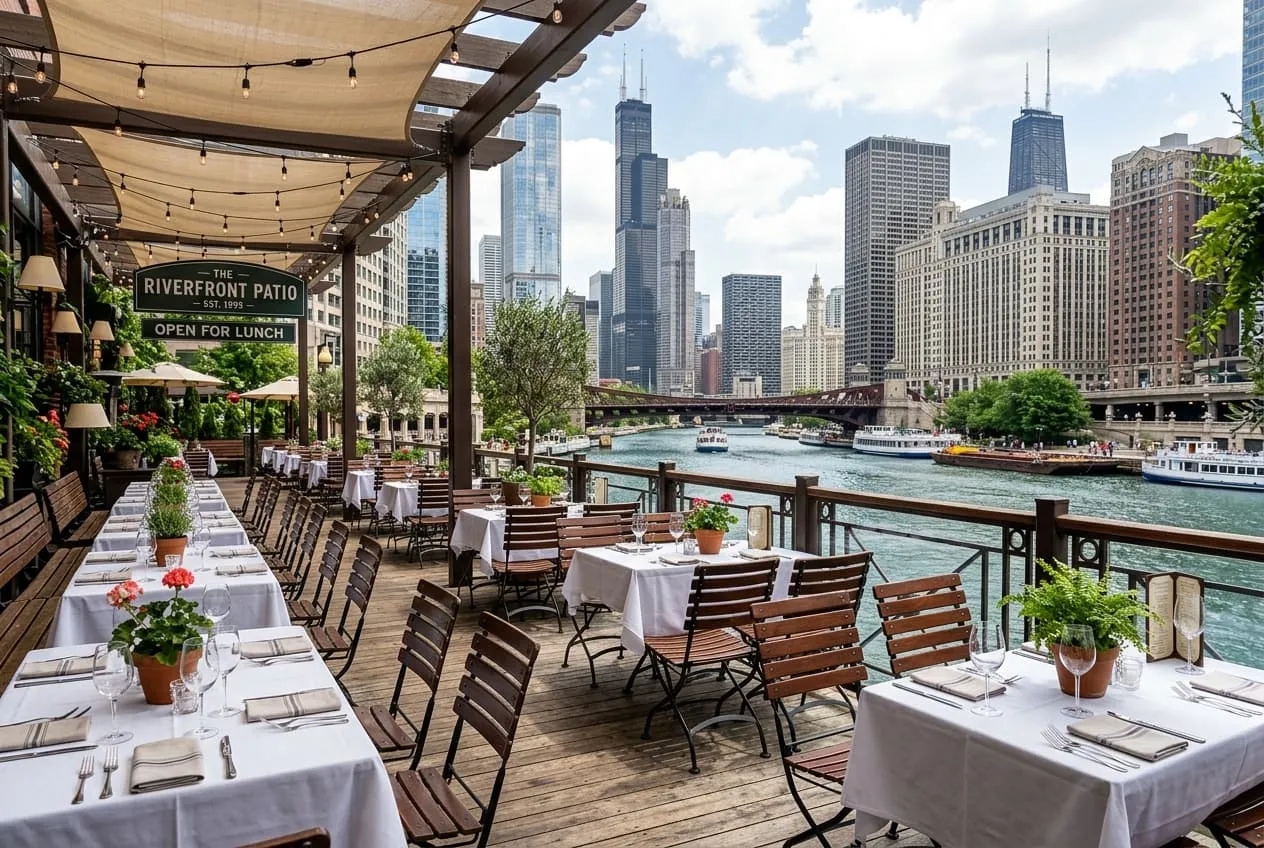
Solid wood tabletops with a commercial lacquer or penetrating resin coat survive this environment and photograph well against an adobe backdrop, but uncoated or lightly oiled wood is a liability anywhere near a bar program or an open patio. Dry desert air pulls moisture out of wood unevenly and causes checking and cracking faster than in humid climates. Laminate tops with a realistic wood or stone surface are worth serious consideration for high-cover venues. They resist the sun, clean faster, and cost significantly less to replace when they eventually wear out.
Table bases are where Albuquerque operators consistently underspend, and the effect shows up immediately to guests and servers. Cast-iron or heavy-gauge steel bases are correct for bar-height and standing-height applications. Lightweight aluminum bases walk and wobble, and that problem gets worse on the uneven flagstone and brick patios common in Old Town courtyards. For rooftop and patio settings, and Albuquerque has plenty of them with sweeping Sandia Mountain views, powder-coated steel or aluminum with a UV-stable finish is non-negotiable. The elevation here is unforgiving to a finish that was only tested for lower-altitude sun exposure.
Match your table sizing to your operational reality. Fast-casual green chile and burrito counters near the Sunport and along Central Avenue benefit from smaller two-tops that turn quickly. Private dining rooms supporting Convention Center groups or Balloon Fiesta corporate hospitality tents need the clearance and formality that a properly sized round or rectangular table provides. Build your floor plan before you finalize your table order, because changing your mind after 80 units arrive at your loading dock is an expensive problem to solve.
Finding the Right Supplier Relationship for Albuquerque
One-off purchases from liquidation sources or retail furniture stores create long-term operational headaches. When a chair cracks or a barstool base fails eight months after opening, you need a supplier who still stocks your SKU, can match your finish, and ships fast enough to keep your dining room looking consistent. A liquidation lot cannot give you that, and a retail source will tell you the item is discontinued.
For restaurant furniture sourcing in Albuquerque, look for suppliers who carry hospitality-specific lines, not residential or office crossover products repackaged with commercial-sounding descriptions. The best supplier relationships for Albuquerque operators involve reps who understand contract warranty terms, can speak honestly about freight timelines into New Mexico, and know how to support phased project openings around events like Balloon Fiesta. A supplier who can hold inventory for a stage-two delivery or accommodate a schedule shift is worth paying a slight premium to work with.
If you can sit in the chair before you order 80 of them, do it. Ask whether the supplier has showroom access in the Southwest or a regional rep who covers the New Mexico market. No spec sheet substitutes for testing the seat height, checking the table wobble, and confirming the finish reads the way you expect under actual desert light. Albuquerque operators who treat furniture sourcing with the same rigor they apply to kitchen equipment will be in better shape two years into their lease than those who rushed the decision to meet a soft opening deadline.
Pricing for restaurant furniture in Albuquerque depends on quantities, finishes, and your delivery window, so a project-specific quote beats any list figure. Request a quote to get yours.