Renovating a hotel while it stays open is a different logistical problem than furnishing new construction, and Worcester properties face a version of that problem shaped by the city's event calendar. A downtown hotel near the DCU Center cannot simply close for six weeks during a phased furniture rollout, because that six week window likely includes several major events the property depends on for occupancy and rate. Renovation furniture procurement here has to work around a live building with guests in it and a calendar that does not pause for construction.
Phasing Furniture Delivery Around an Occupied Property
The core challenge in any Worcester hotel renovation is sequencing. Furniture cannot arrive all at once for a property that is still selling rooms, because there is nowhere to stage a full floor's worth of casegoods and seating without disrupting operations. Phased delivery, floor by floor or wing by wing, matched to your renovation contractor's actual work schedule, is the standard approach for occupied-building projects.
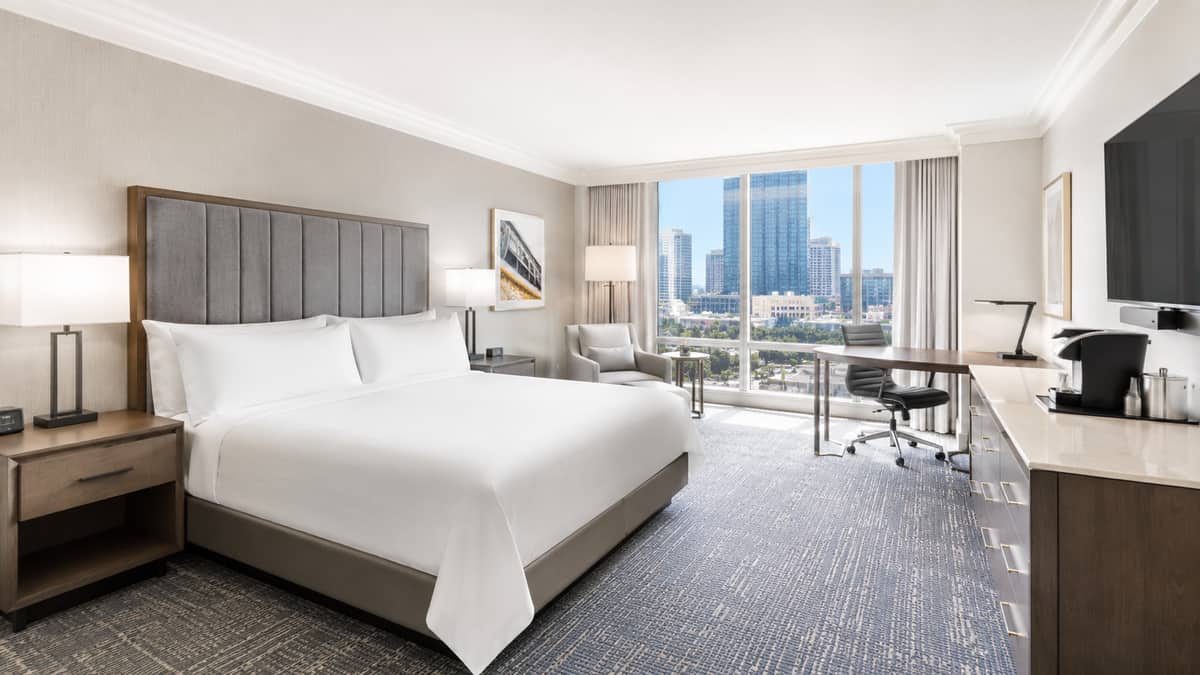
That phasing requires close coordination between your furniture supplier, your general contractor, and hotel operations staff. A supplier experienced in renovation work will build a delivery schedule that matches your construction sequence rather than pushing all inventory to your warehouse or job site loading dock at once. Ask potential suppliers directly about their renovation project experience versus new-build experience, the two require genuinely different logistics skill sets.
Timing Around the DCU Center Event Calendar
Worcester hotel renovations near downtown have an added scheduling variable most markets do not carry to the same degree: the DCU Center's event calendar drives real occupancy and rate swings, and a renovation schedule that ignores it risks disrupting your highest-value weeks. Smart renovation planning maps the construction and furniture delivery schedule against the venue's known event dates, concentrating disruptive work, demolition, heavy installation, noise-generating tasks, during lower-demand periods and protecting your event-driven high occupancy weeks from disruption entirely where possible.
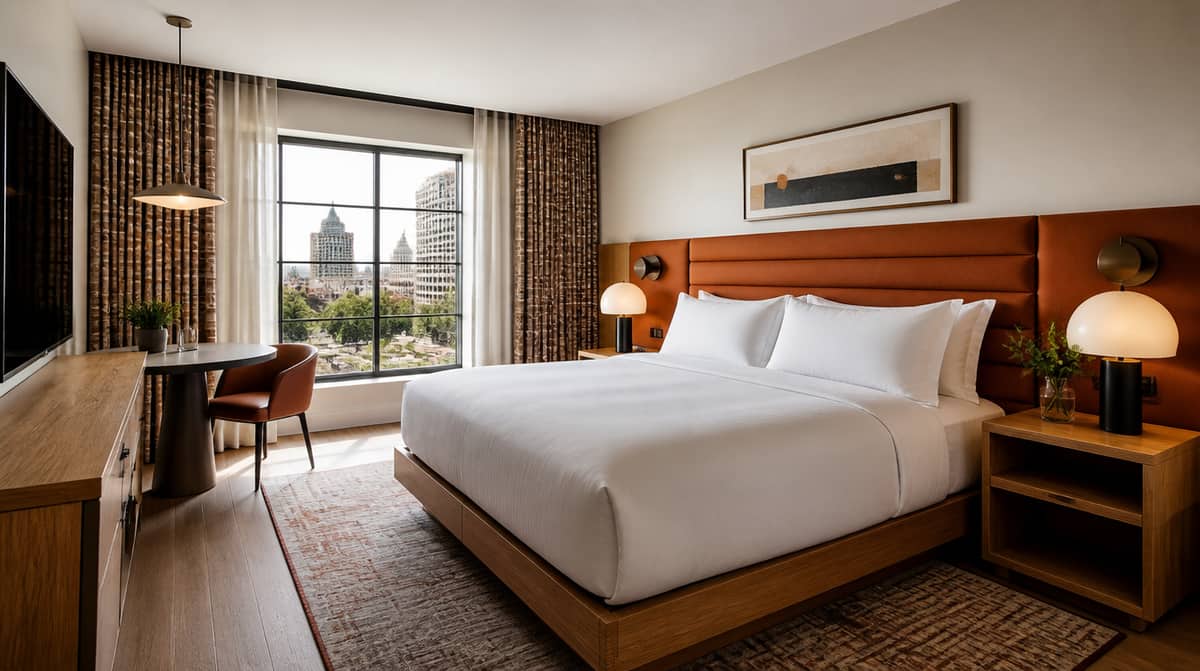
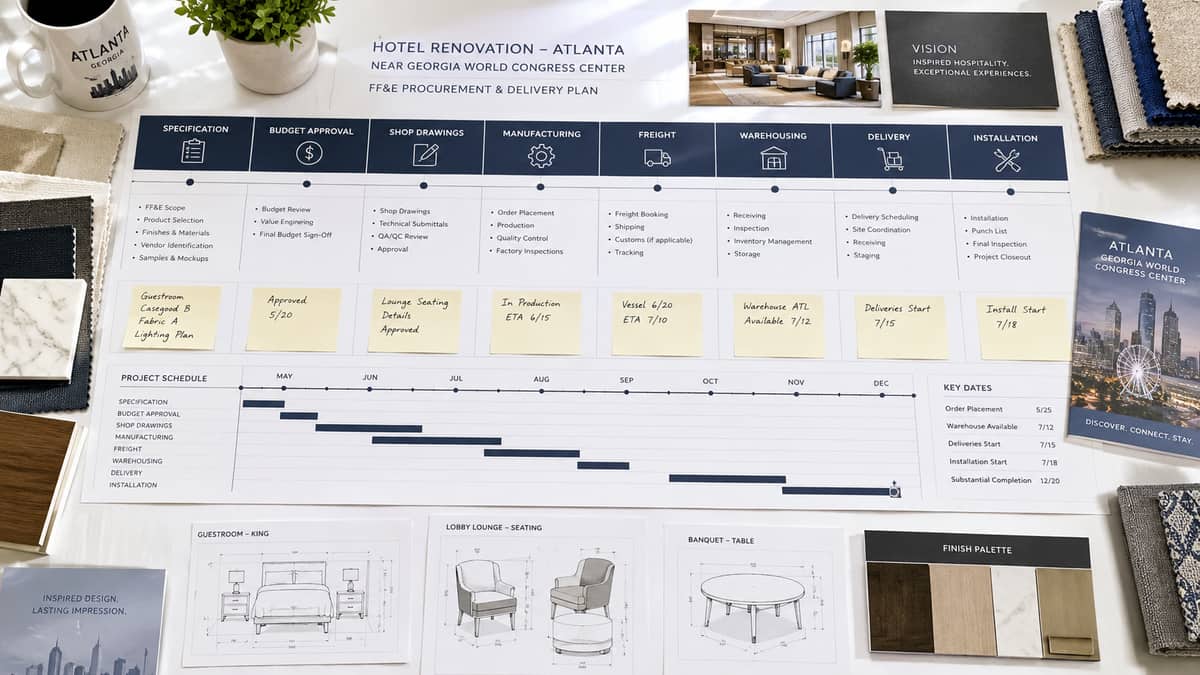
That planning has to happen early, well before your purchase orders go out, because furniture lead times of 12 to 20 weeks for standard contract product mean your ordering decisions are locked in months before the actual installation date. If your renovation is targeting completion before a known high-demand event window, work backward from that date with real lead time numbers, not optimistic ones.
Matching New Furniture to What Stays
Most Worcester hotel renovations are partial, not full gut jobs. Some furniture, casegoods in good condition, certain lobby pieces, gets retained while other categories get fully replaced. That creates a matching problem: new furniture needs to coordinate with what remains, at least until the next renovation cycle addresses the retained pieces too.
A supplier who can work from your existing finish specifications, matching wood tones, metal finishes, and fabric families to what is staying in the building, saves you from a renovated property that reads as visibly mismatched floor to floor. This is a place where working with a single supplier who has full visibility into your original specifications pays off, rather than sourcing the renovation furniture from a different vendor than your original build-out used.
Minimizing Guest Disruption During Installation
Installation crews working in an occupied Worcester hotel need to operate on a schedule that respects guest privacy and quiet hours, particularly on floors where renovation work is happening adjacent to occupied rooms. White-glove delivery and installation teams experienced in occupied-property work know how to stage materials, manage noise timing, and coordinate elevator access without turning a guest's stay into a construction experience.
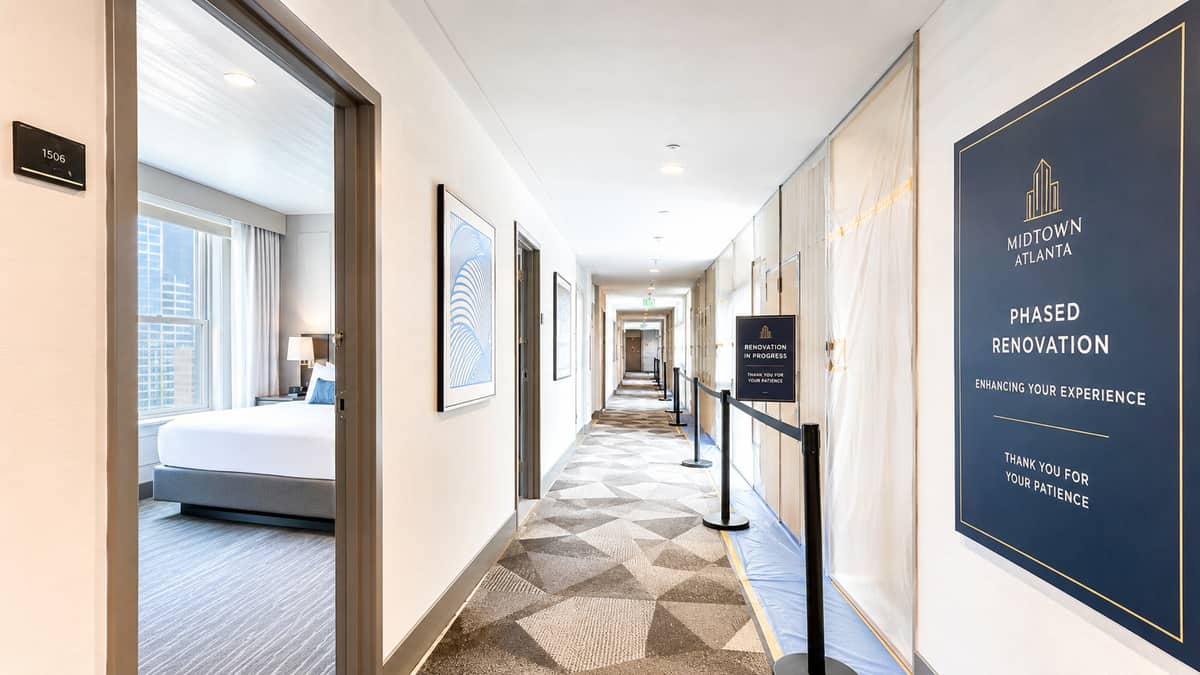
Ask your supplier specifically how they handle occupied-floor installation, elevator scheduling with hotel operations, protective floor and hallway coverings, disposal of old furniture without it sitting in guest sightlines. These are the details that separate a renovation guests barely notice from one that generates complaints and refund requests during the exact weeks you are trying to reposition the property.