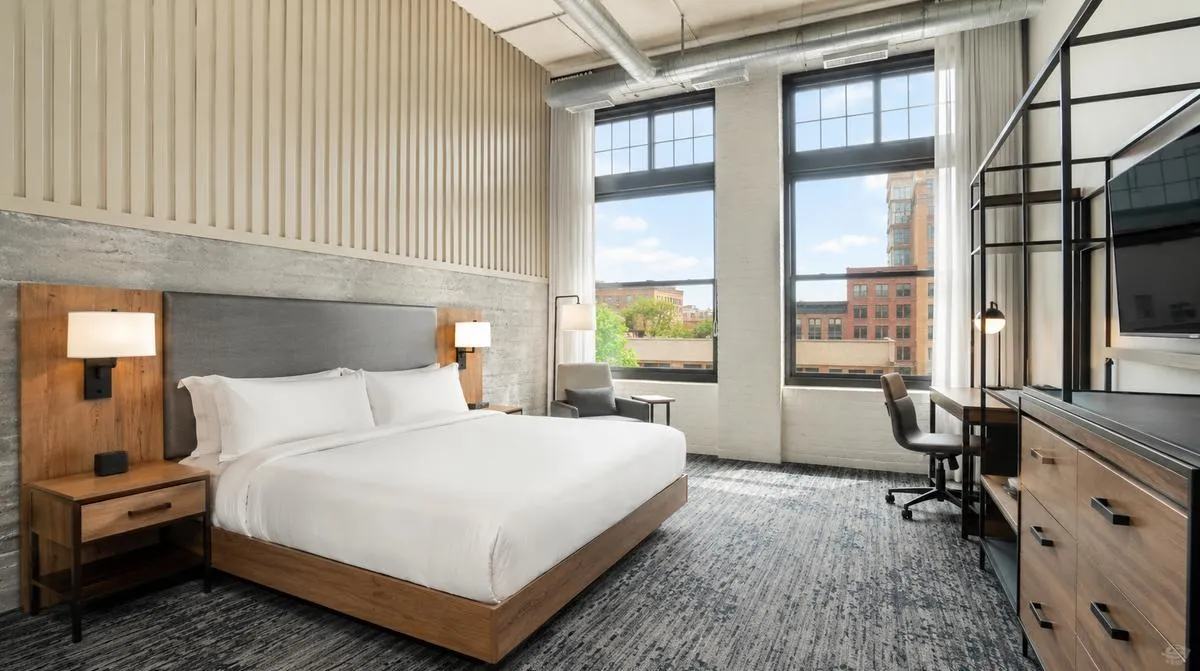
Wichita's hospitality market runs on a different rhythm than the coastal convention cities, but it is no less demanding when a renovation is on the calendar. Downtown properties near Century II Performing Arts and Convention Center see a steady flow of trade shows and regional conferences, while the corporate travel generated by Koch Industries, Cargill, and the concentration of aviation manufacturers that earned Wichita the nickname Air Capital of the World keeps guestrooms full on a weekday cadence most markets would envy. Old Town's brick warehouse district has become the city's dining and entertainment hub, pulling boutique and select-service properties into a design conversation that didn't exist a decade ago. When you plan hotel renovation furniture Wichita procurement, you're working inside a market where business travelers expect reliability and where a stalled refresh costs you exactly the corporate accounts that make Wichita's occupancy numbers work in the first place.
Wichita's Renovation Calendar Has Its Own Pressure Points
The event calendar at Century II and Intrust Bank Arena, combined with the Wichita State University sports and conference traffic that fills nearby properties on football and basketball weekends, sets firm windows that renovation projects have to respect. Downtown and Delano district hotels sitting close to the Arkansas River can't afford to have rooms offline when a major trade show or a WSU Shockers home stand is filling every property within walking distance. For properties competing for the corporate account base tied to the aviation cluster on the city's east and southeast sides, a renovation that runs long during peak business travel months means losing rate to a competitor that finished on schedule.
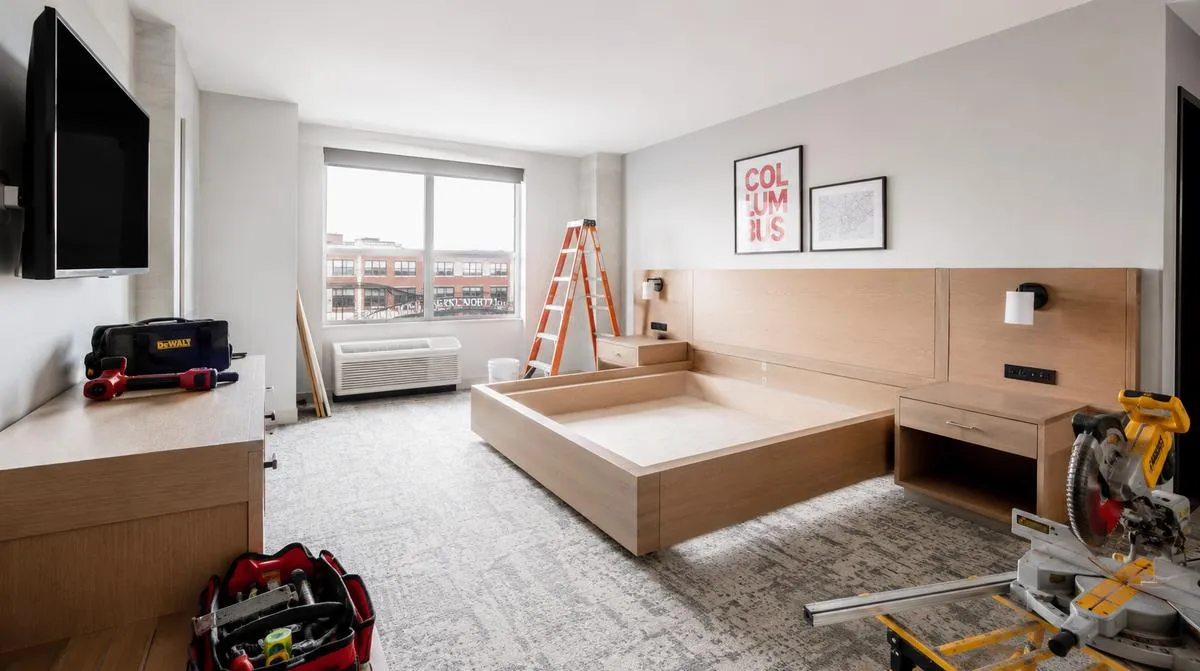
Most Wichita renovations follow the same phased model you'd see anywhere: one floor or wing closed at a time while the rest of the hotel keeps taking reservations. That approach protects revenue during the project, but it puts real pressure on your FF&E supplier to hit staggered delivery dates tied directly to construction and housekeeping handoffs, not a single bulk shipment. If a supplier treats your project as a series of one-off orders instead of a coordinated schedule, the gap shows up the first time a floor reopens without furniture on the dock.
Before signing with any supplier, get delivery windows in writing along with a dedicated logistics contact. Phased milestones belong in the procurement agreement itself, documented and tied to accountability on both sides, not handled as a verbal understanding that falls apart under pressure.
FF&E Lead Times: Work Backward From Your Opening Date
Custom and semi-custom contract furniture generally runs 12 to 18 weeks from order confirmation to delivery on your dock. That covers case goods, upholstered headboards and seating, bed frames, and anything requiring COM fabric or brand-specified finishes. If your project involves custom millwork or a proprietary finish match, which comes up often in independent boutique refreshes around Old Town and College Hill, add two to four weeks to that baseline.
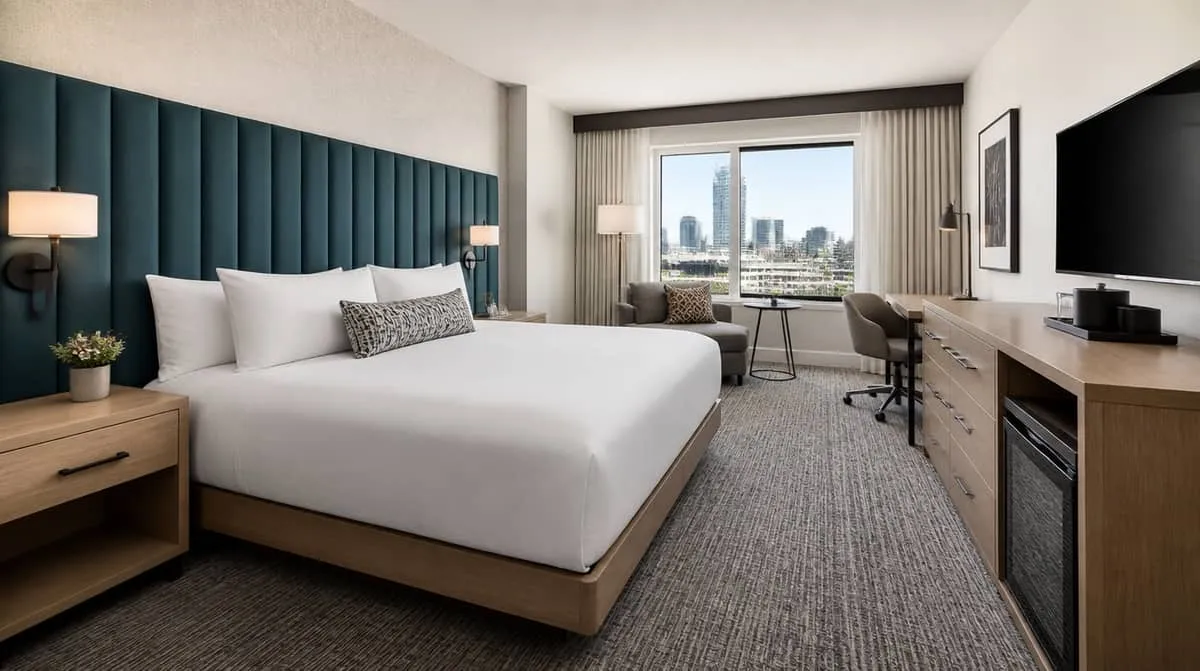
For a Wichita property targeting a reopening ahead of the fall aviation industry conference season or before WSU's basketball schedule fills Downtown hotels, those lead times matter down to the week. Want rooms finished by early September? Furniture orders need to go in no later than late spring. Operators who wait until permits clear or construction begins to think seriously about FF&E procurement end up choosing between two bad outcomes: buying off the shelf and accepting pieces that miss the design intent, or missing the opening date and absorbing the lost revenue.
Kansas's continental climate adds its own wrinkle for properties with rooftop or patio amenities. Summers run hot and humid with real storm exposure, and winters bring genuine cold and ice. Outdoor contract furniture built to handle that swing usually sits on a separate production queue from interior FF&E, so plan for it independently rather than assuming it rides the same timeline as your guestroom order.
Brand Standards and the Wichita Design Context
Wichita's hotel market spans a wide range of brand environments, from full-service flagged properties near Century II and the airport corridor to independent boutique hotels carving out a niche in Old Town and Downtown's converted warehouse buildings. Flagged properties operate under brand standard documents that govern case good construction, fabric fire ratings, and mattress specifications down to precise dimensions. Independent properties have more design freedom, but that freedom comes with higher expectations from a guest who chose the property specifically because it wasn't another chain box.
For flagged properties, compliance isn't optional. A piece that looks right on paper but fails a fire rating review or misses the flag's seating height minimum gets rejected, and your timeline takes the hit while you source a replacement. Work with an FF&E supplier that keeps current brand standard files for major flag groups and can cross-check your selections before specs are finalized. That review, done early, saves you the expensive back-and-forth that derails renovation schedules.
For independent properties, your own design intent functions as your brand standard, so define it clearly before procurement starts. A supplier that asks real questions about your guest profile, your building's architectural character, and your competitive set will serve you better than one that hands you a catalog and waits for a line-item order.
Delivery and Installation in an Operating Property
Getting furniture into a functioning Wichita hotel without disrupting operations takes real logistical planning. Downtown properties near Century II deal with event-driven traffic and loading dock congestion during major conventions. Properties along Kellogg and near the airport corridor have their own freight access patterns tied to shift changes at nearby employers. Older buildings converted into boutique hotels in Old Town often have narrower service corridors and freight elevators that were never designed with a full FF&E rollout in mind.
A supplier with real experience delivering to occupied hotels in Wichita already understands these constraints. They arrive with the right crew and equipment on a schedule built around your property's operations, not their own convenience, coordinating with your front desk, engineering team, and general contractor so furniture arrives staged and ready to install rather than sitting in a hallway blocking guest traffic.
Ask every supplier you're evaluating a direct question: have they delivered to occupied hotel properties in Wichita specifically? What's their white-glove installation protocol for an active building? A vague answer is a warning sign. You need a partner with operational experience in this market, not just a catalog and a freight quote.
The difference between a Wichita hotel renovation that opens on time and one that drags past every deadline usually comes down to procurement decisions made in the first few weeks of planning. Treat FF&E as a core operational workstream from day one, and your renovation has a real shot at running the way it was designed.
For Wichita properties comparing hotel renovation furniture options, project-specific pricing tells you more than any published range. Request a quote and we will scope it to your space and volume.