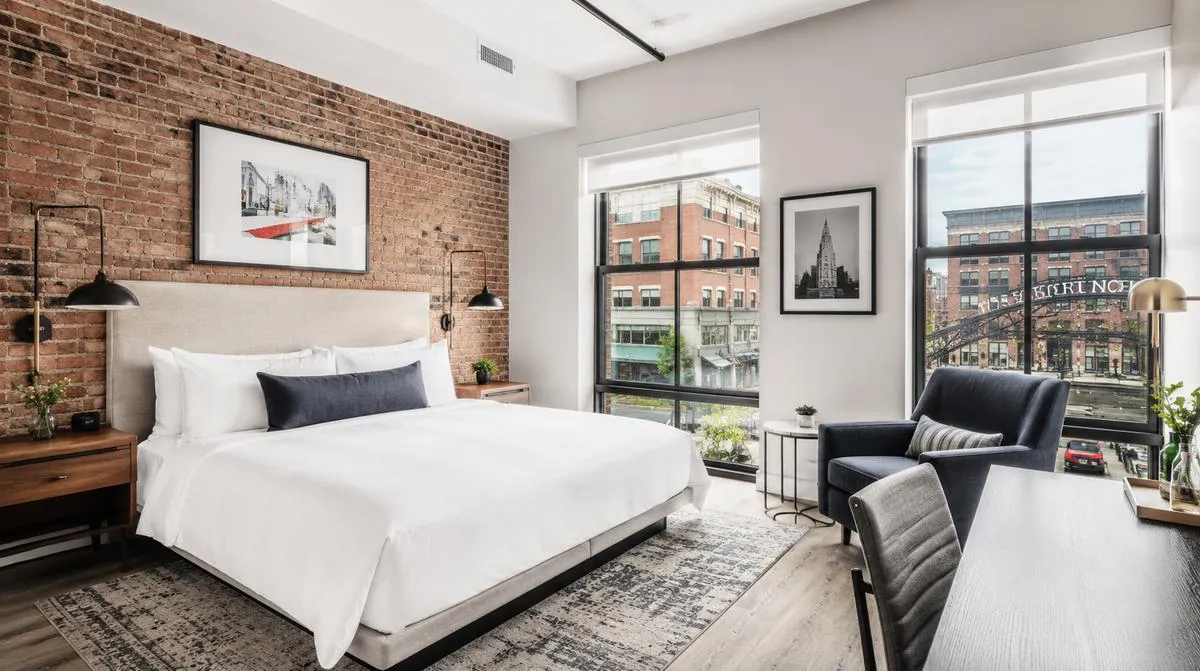
Wichita's boutique hotel market runs on a different engine than most mid-size cities. Aviation manufacturing (Textron Aviation, Spirit AeroSystems, and the supplier network that surrounds them) keeps a steady stream of engineers, contractors, and corporate travelers moving through the city on weekday cycles that have nothing to do with tourism. Layer on convention business at Century II, event traffic through INTRUST Bank Arena, and the Old Town entertainment district's own draw for weekend guests, and you get a hospitality landscape where boutique properties are competing for two very different guests at once: the frequent business traveler who wants efficiency and the leisure or event guest who wants character. If you are sourcing boutique hotel furniture Wichita style, the core challenge is building a specification that satisfies both without collapsing into a generic middle ground.
Why Wichita's Business Travel Calendar Changes the Durability Math
Aviation and manufacturing travel does not follow a seasonal pattern the way tourism does. It runs Monday through Thursday, year round, driven by supplier audits, training rotations, and project deployments tied to Textron and Spirit AeroSystems schedules. Add in Century II's convention and trade show calendar and the periodic surges around Shocker athletics and downtown events, and boutique properties in Old Town and near the Delano district absorb a level of sustained, weekday-heavy occupancy that a smaller leisure-only property in a resort market never sees.
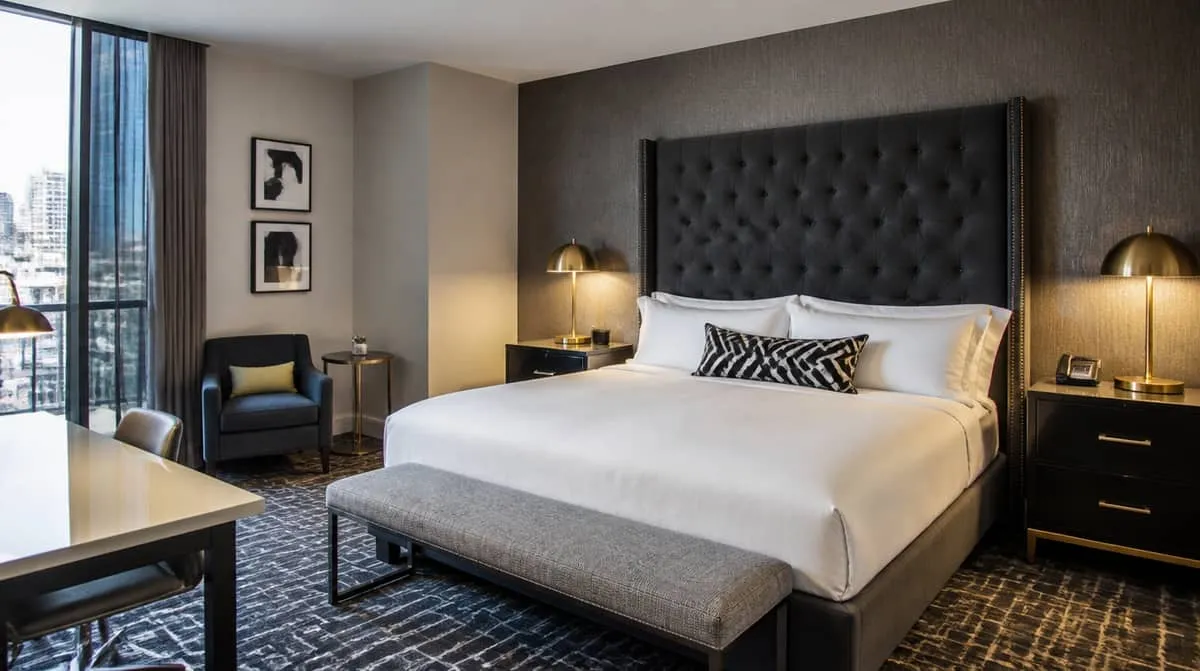
Furniture that would hold up fine at a weekend-only boutique inn faces a much harder test when the same lounge chairs and lobby seating are cycling through business travelers five nights a week, fifty weeks a year. Residential-grade pieces marketed with hospitality language tend to fail within a year or two under that kind of continuous use. Frames loosen, cushions compress unevenly, and casters and glides wear out faster than anyone budgeted for.
Contract-grade construction is the only real answer: hardwood or engineered hardwood frames, upholstery rated above 30,000 double rubs in lobby and lounge areas, and joinery specified for daily commercial use rather than occasional guest turnover. For a Wichita boutique property built around a weekday corporate clientele, that standard is not a nice-to-have. It is the baseline that keeps furniture out of the replacement budget for the first five to seven years.
Design Cohesion in a City Rebuilding Its Warehouse Core
What separates a memorable boutique property in Wichita from a forgettable one is not any single statement piece. It is whether the guest experiences the room as a coherent, considered space, and that comes down to locking a material palette before sourcing begins rather than after.
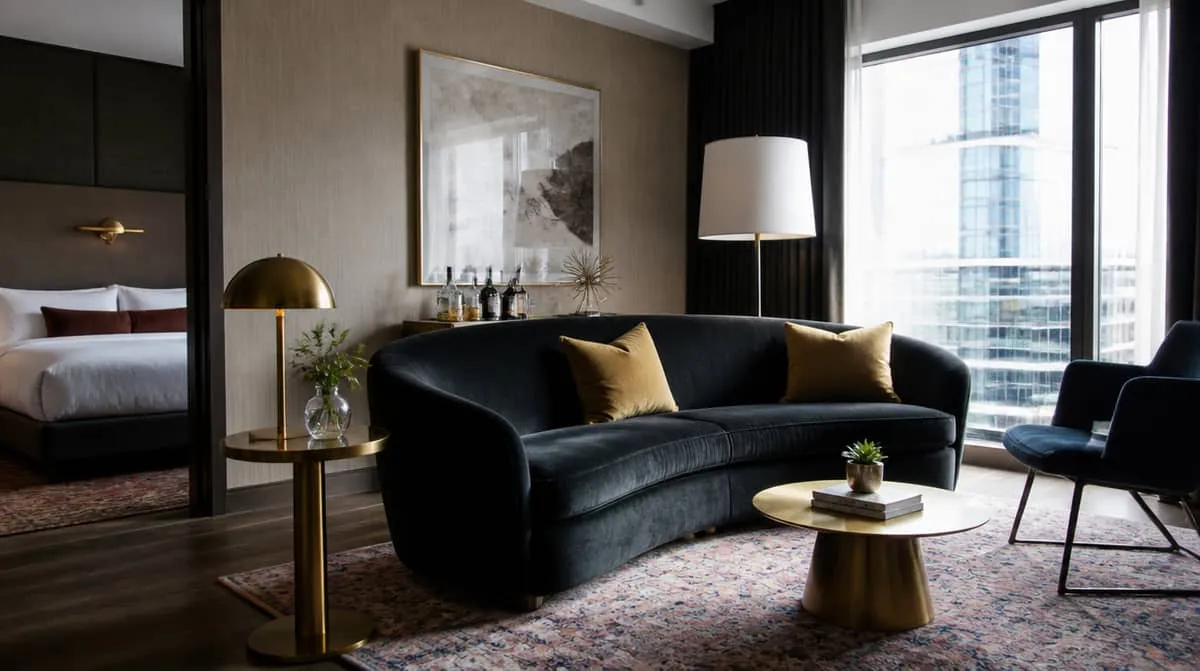
Old Town's brick warehouse buildings, many converted from the city's original grain and manufacturing base, lend themselves naturally to an industrial-warm palette: exposed brick backdrops paired with warm wood case goods, leather or performance-leather seating, and metal accents in aged brass or blackened steel that acknowledge the building's history without feeling like a theme. A Delano district property closer to the Arkansas River and the Douglas Design District can lean into a cleaner, more design-forward program, lighter wood tones, upholstered pieces in muted tonal fabrics, brushed nickel or matte black hardware that reads current to a design-literate guest without chasing a trend that will look dated in three years. A property positioned toward the aviation and corporate travel base near the airport corridor needs something in between: durable, polished, and efficient, without sacrificing the character that separates it from the branded chain properties clustered nearby.
The failure mode is sourcing individual pieces that each photograph well on their own and then discovering at install that nothing agrees with anything else. Business travelers may not articulate design critiques, but they notice a room that feels assembled rather than designed, and repeat guests, who are the backbone of any boutique property serving a corporate travel base, notice fastest. Settle on two or three anchor finishes, a defined wood tone family, and a tight fabric range before a single purchase order goes out.
Navigating Minimums and Finding the Right Suppliers
Most large contract furniture manufacturers are built for scale, comfortable filling orders for 250-room or 300-room branded properties. A 40-room boutique in Old Town ordering 30 lounge chairs and 20 desk chairs is a rounding error to that kind of manufacturer, and their minimum order quantities are set accordingly.
That is a filtering problem, not a dead end. The suppliers worth working with are the ones structured around independent hotels, boutique conversions, and restaurant and hospitality groups operating at exactly this scale. These manufacturers are set up for mixed SKU orders, COM fabric programs, and the kind of specification flexibility a converted warehouse property requires, since no two rooms in an adaptive reuse building are ever quite the same size. Ask about minimums early and in writing, before your design team builds an entire specification around a manufacturer who cannot actually fulfill it.
Wichita's design and furnishings trade is smaller than a coastal market's, which makes supplier vetting more important, not less. Work with contract furniture suppliers who can document commercial ratings, provide fire retardant and flammability compliance certifications, and show a track record delivering into properties with weekday-heavy occupancy comparable to yours. If your project is being managed through an FF&E consultant or purchasing agent, one of their core functions is aggregating your order with other boutique hospitality projects to reach manufacturer volume tiers your standalone order would never unlock on its own.
Planning for Wichita's Renovation Cycle
Boutique properties in Old Town and the surrounding downtown corridor tend to refresh on a shorter cycle than owners initially plan for. As more of the warehouse district continues to convert and new competition opens nearby, a guestroom that felt current at opening can start to feel dated within four to six years, particularly against a corporate travel base that stays at the property repeatedly and notices when the design has not moved.
The right moment to plan for that eventual refresh is during initial procurement. Specify frames and case goods built to last the full renovation cycle, and treat upholstery as the component you expect to rotate sooner. Require COM-ready construction on every upholstered piece from day one, with no proprietary fabric systems locking you into a single vendor, so a future reupholstery project is straightforward rather than a full replacement. Keep a clean specification record: frame construction, foam density, fabric weight, and finish codes, so the next sourcing round starts from documentation instead of guesswork.
Custom upholstery programs typically run 10 to 16 weeks from order to delivery. If you are opening on a set date or timing a renovation around a slower travel period, furniture orders need to go out early enough that the lead time does not compress your install window. Wichita's aviation-driven business travel calendar rarely offers a long slow season to absorb a delay, which makes early ordering less of a suggestion and more of a scheduling requirement.
Sourcing boutique hotel furniture in Wichita is a more specific problem than general commercial procurement. The city's business travel patterns, its warehouse-district design identity, and the pace at which nearby properties are renovating all shape what holds up and what does not. Getting the specification right before the purchase order ships is the least expensive decision on the entire project.
Ready to spec boutique hotel furniture for your Wichita project? Send us the details and we will price it around your requirements. Request a quote to start.