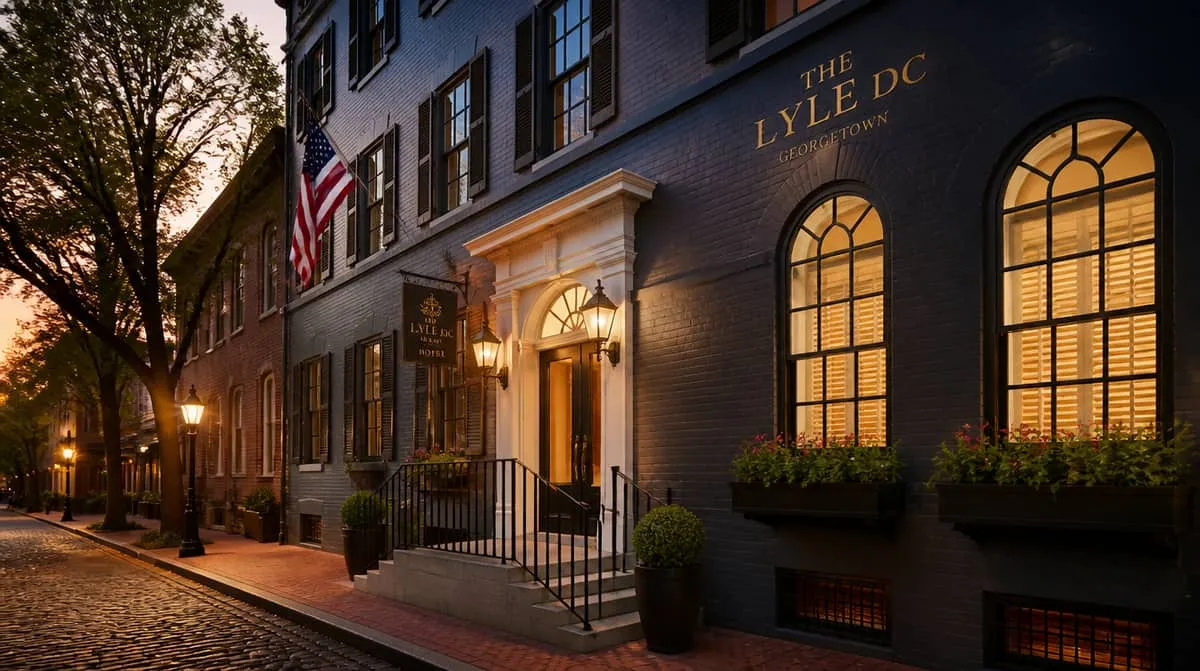
Hotel renovation in Washington DC is an exercise in precision timing. The city's demand calendar is rigid in ways that most markets are not: when Congress is in session, downtown properties run at occupancy levels that make large-scale renovation work impossible. The August recess, the December-January holiday slowdown, and the occasional spring or fall shoulder period between major events are the windows that renovation projects must target and missing one of those windows means waiting months for the next viable opportunity. Hotel renovation furniture Washington DC procurement is the foundation of executing those projects successfully: get the furniture ordering timeline right, and the renovation lands on schedule. Get it wrong, and you are either installing furniture during your highest-revenue weeks or delaying a project that ownership has already committed to.
Understanding DC's Hotel Renovation Landscape
Washington DC's hotel inventory spans a wide range of property types, each with its own renovation dynamics. The large convention hotels in the Penn Quarter, K Street, and Downtown corridors many of them branded properties affiliated with Hilton, Marriott, Hyatt, and IHG operate on brand-flag renovation cycles that typically require comprehensive FF&E refreshes every seven to ten years. At this scale, a guestroom renovation may involve 300 to 600 rooms and require procurement of complete furniture packages: headboards, case goods, desk chairs, upholstered lounge chairs, and all case good accessories.
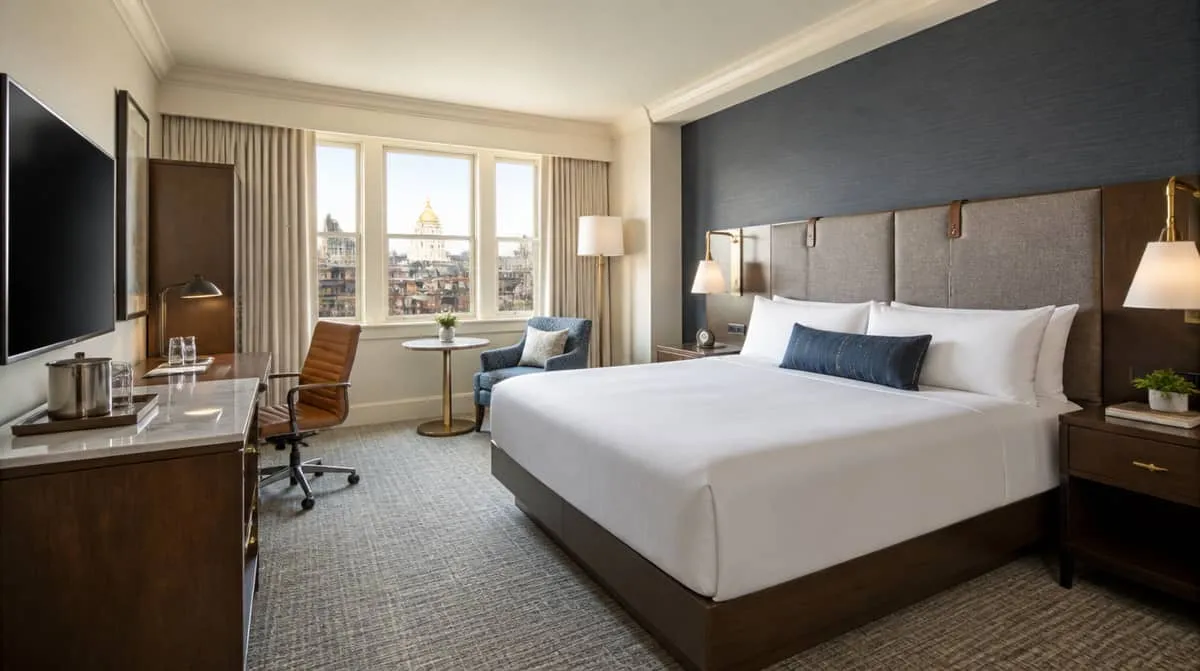
The boutique hotel sector in Shaw, Capitol Hill, and Georgetown operates on a different cycle. These properties tend to be smaller 40 to 150 rooms but more design-sensitive. A boutique Georgetown hotel refreshing its guestrooms and lobby is making a brand statement with every piece it selects, and the renovation brief is as much a marketing exercise as a procurement one. The furniture needs to advance the property's positioning, not merely replace worn-out pieces with similar ones.
Guestroom case goods dressers, nightstands, desks, and armoires see the most wear in DC hotel guestrooms and are typically the first items that need replacement in a phased renovation. DC's high-occupancy periods during Congressional session drive rapid case good wear, particularly on surfaces that take daily contact from multiple guests. A dresser or desk that might last twelve years in a leisure hotel may show meaningful wear after six to eight years in a downtown DC business property running at 75 to 85 percent annual occupancy.
The diplomatic market adds renovation complexity at properties serving foreign government delegations. Some of these properties have finishes, materials, or configurations that reflect specific cultural preferences of their recurring diplomatic guests and renovation decisions that disrupt those preferences without notice can affect long-term block business. An experienced hotel renovation furniture Washington DC supplier will flag these considerations during the procurement planning process.
Specification Standards for DC Hotel Renovation Projects
Washington DC hotel renovation furniture specifications need to reflect both the market's aesthetic expectations and the commercial durability demands of a high-occupancy professional travel market. The two requirements reinforce each other: the materials that DC guests expect dark wood, leather, brass are also, when properly specified, among the most durable options available.
Hotel guestroom chairs in DC hotel renovations should be upholstered in performance fabrics rated for 100,000 double rubs or above, or in commercial leather. DC business travelers spend more time in guestroom chairs than leisure travelers do working in the room, taking calls, reviewing documents which means the foam, the frame, and the upholstery all take more daily load than the same chair would in a resort guestroom. Under-specifying guestroom chair durability in a DC business hotel renovation is a common and costly mistake.
Case good construction for DC hotel renovations should specify solid wood fronts or commercial-grade MDF with catalyzed lacquer or veneer finishes in the darker tones that DC's design brief requires. Walnut and mahogany veneers over MDF perform well in hotel applications when the base construction is properly commercial-grade. Particleboard cores with paper laminate which appear in a lot of residential furniture that gets pulled into hotel purchasing decisions will not survive DC hotel use cycles.
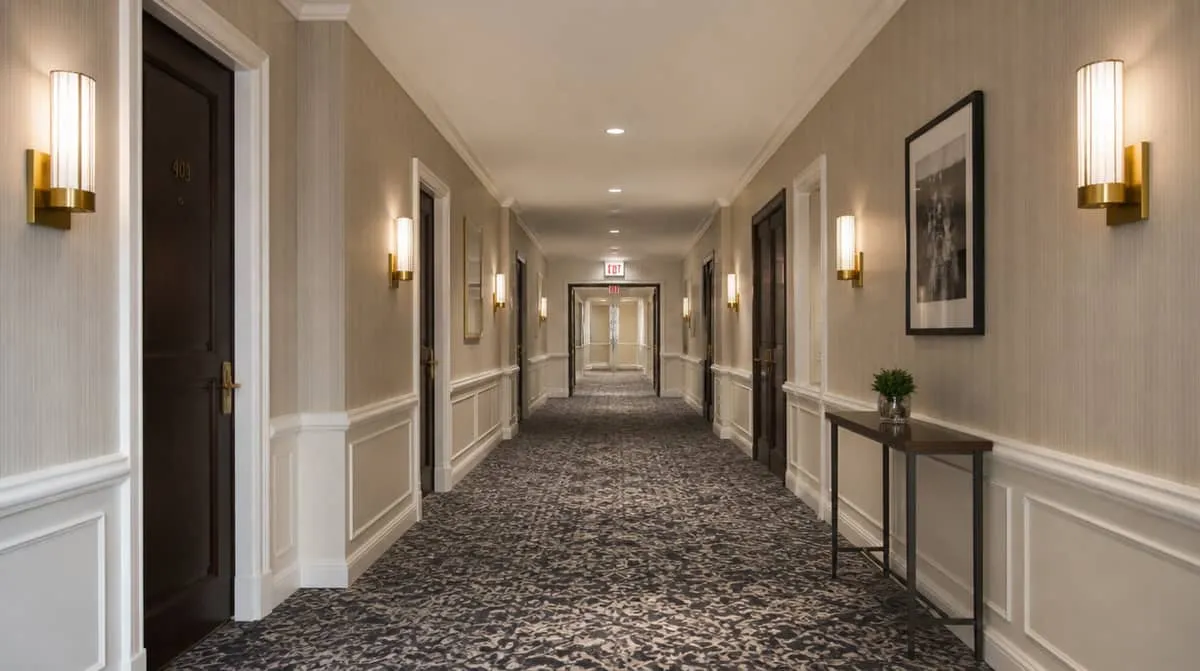
Lobby and public space renovation furniture needs to be specified at a higher durability standard than guestroom furniture. Hotel lounge chairs and lobby sofas in DC properties absorb traffic from every guest at the property plus day-use business meeting guests who may never check in. The lobby seating at a 400-room downtown DC hotel during Congressional session may see more daily seated hours than a residential sofa sees in a decade. Commercial-grade foam, welded frame construction, and 100,000-plus double-rub fabrics are the minimum appropriate specifications.
The meeting room and event space furniture included in larger DC hotel renovations also deserves careful attention. Commercial dining chairs for hotel meeting rooms and restaurant spaces should be specified for back-to-back daily use across year-round event programming, not just the brand-flag minimum standards that some renovation cycles default to.
Renovation Timeline Planning for DC Properties
The fundamental constraint in DC hotel renovation planning is the calendar. Large-scale furniture installations cannot happen during Congressional session peaks in the spring or fall, or during major convention periods at the Walter E. Washington Convention Center. The viable windows August recess and December-January require procurement timelines that begin months in advance.
A complete renovation procurement timeline for a DC hotel project: design specification and finish approval, four to six weeks. Custom upholstered furniture manufacturing, 10 to 16 weeks. Case good manufacturing, eight to twelve weeks. Freight, receiving, and installation, two to four weeks. Total from first supplier engagement to installed and punched-out furniture: five to seven months minimum.
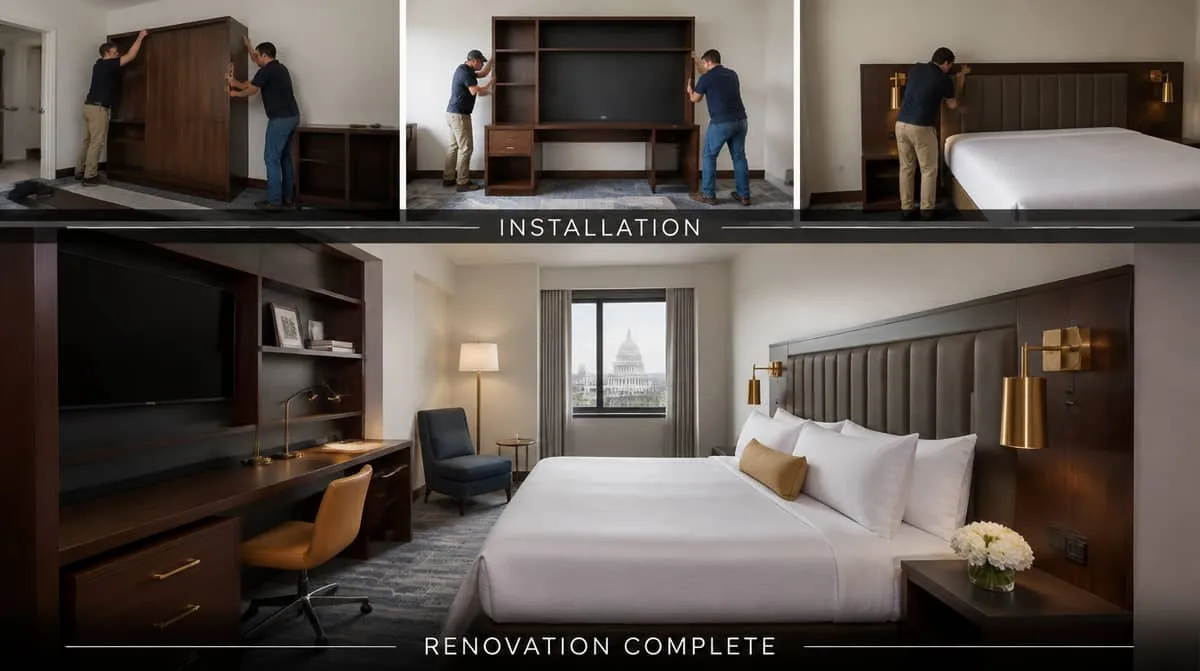
For a property targeting August installation, that means initiating procurement in February or March. For December-January installation, procurement begins in June or July. A hotel renovation furniture Washington DC supplier who understands this calendar and who has the manufacturing relationships to deliver reliably within it is the most valuable partner a DC property manager can have in the renovation planning process.
If you are sourcing hotel renovation furniture for your Washington DC property, the fastest way to real numbers is to tell us what you need. Request a quote with your quantities and timeline.