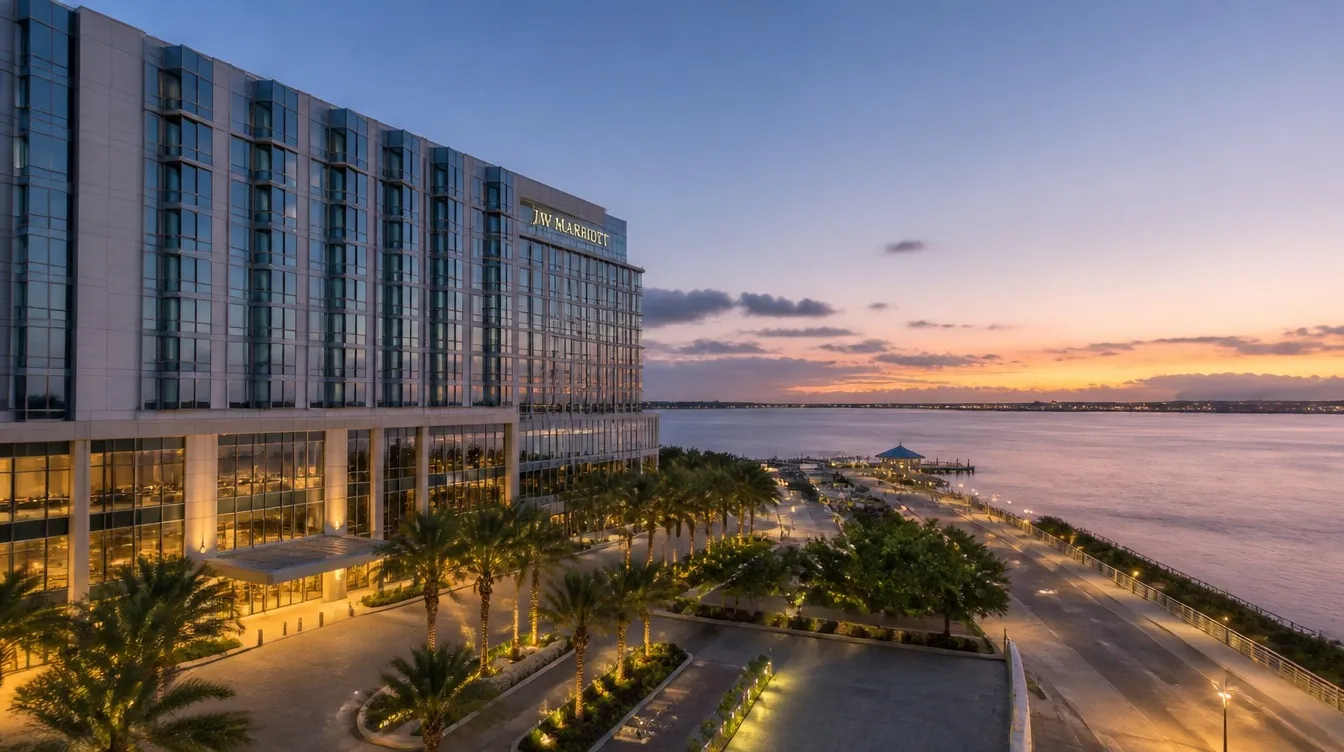
Hotel renovation is one of the highest-stakes purchasing decisions a hospitality operator makes, and Tampa's market adds specific complexity that generic renovation guidance does not address. The Convention Center's year-round conference calendar means most properties have limited renovation windows that do not disrupt their highest-revenue booking periods. Port Tampa Bay's cruise season creates demand that makes extended room-blocks impractical from September through April. And the Gulf Coast climate means that everything selected for the renovation needs to be specified for sustained humidity, UV exposure in outdoor and transitional spaces, and the moisture that Tampa guests bring in with them from the waterfront and pool areas. Getting hotel renovation furniture Tampa FL right requires planning that accounts for all of these factors from the beginning.
Why Renovation Procurement Starts Earlier Than Most Owners Expect
The single most common mistake in hotel renovation furniture procurement is starting too late. Owners who begin furniture conversations after the contractor is already on site are working with a timeline that does not close cleanly in most cases. Custom upholstered pieces from contract manufacturers require 10 to 16 weeks from order confirmation to delivery. That does not include the four to six weeks before the order releases specification review, sample approval, COM selection, ownership sign-off. And it does not include freight, receiving, and installation coordination on the back end.
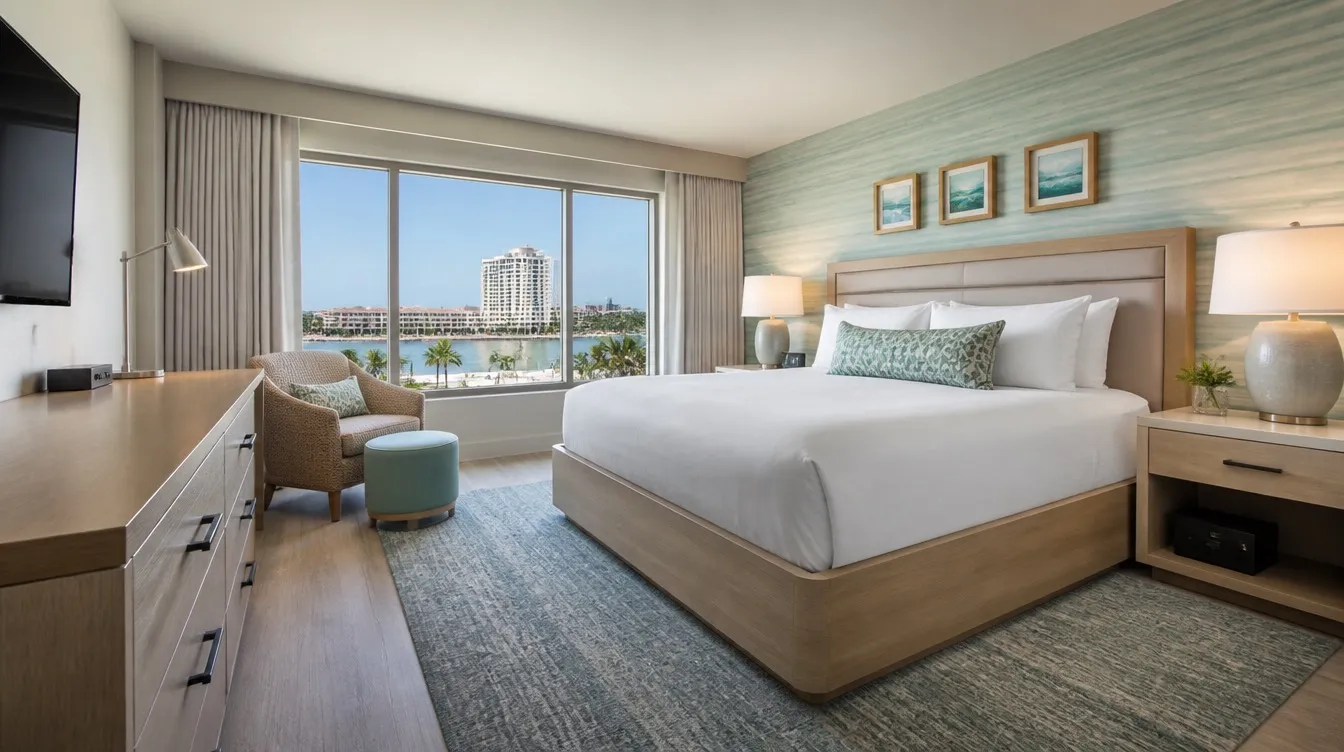
For a Tampa hotel targeting a renovation completion before the fall hospitality peak ideally operational by early October before the Convention Center's fall conference season and cruise demand ramp furniture orders need to be released no later than late spring. That means specification work starting in February or March. Owners who are still selecting finishes in June are behind, and no amount of supplier optimism about compressed lead times changes the math on a 14-week production run.
The convention calendar creates a specific planning pressure that most Tampa properties have learned to respect. If your property has a major conference group booked for November and you want to be finished before they arrive, the renovation window closes in October at the latest. Map that date against realistic lead times before you commit to a contractor schedule. The projects that land on time are the ones that did that calculation first.
Phased Renovation: Keeping Revenue Flowing
Most Tampa hotel renovations are phased rather than full-property shutdowns, and furniture procurement has to be structured to support that approach. A property that takes floors offline in rotation eight rooms at a time across a 150-room hotel needs furniture deliveries timed to each phase completion rather than a single large delivery that arrives all at once and cannot be stored.
For phased renovations, work with suppliers who can schedule production and delivery in batches, hold finished goods at their warehouse if the construction timeline shifts, and provide consistent product across multiple deliveries without variation in finish or fabric lot. The last point matters more than buyers usually anticipate. Fabric dye lots change between production runs. A supplier who cannot guarantee lot consistency across a phased delivery will deliver your first phase in color A and your second phase in color A-prime close enough that individual rooms look fine, but visible enough in a hallway comparison that it creates a maintenance complaint within the first guest cycle.
Phased delivery also requires coordination between the furniture supplier and the general contractor that most renovation schedules underestimate. Furniture cannot go into a room that has not cleared construction and cleaning. Furniture that arrives before the room is ready either gets stored on-site which may not be available or goes back to a warehouse with associated fees. The renovation project manager who owns the handoff coordination between GC milestones and furniture deliveries is doing some of the most value-generating work in the project, and it is often not formally assigned to anyone until something goes wrong.
Material Specifications for Tampa's Climate
A hotel renovation in Tampa is an opportunity to correct material specifications that have been underperforming. Properties that installed retail-grade or light-commercial upholstery in their last renovation cycle and have been replacing pieces ahead of their expected lifespan should treat the renovation as a chance to specify correctly rather than repeat the cycle.
For guestroom seating the upholstered chair or bench at the end of the bed that takes heavy incidental use specify performance fabric at 100,000 double rubs minimum with a moisture-resistant treatment. Tampa's humidity means any fabric that holds moisture will show mold and odor before the standard warranty period in most climates. Solution-dyed fabrics hold color longer in indirect UV exposure than surface-printed alternatives. For any guestroom or common area piece near an exterior wall or window with significant solar gain, that distinction shows up in year two.
For common areas lobby seating, corridor benches, elevator waiting areas the durability specifications are the same but the aesthetic requirements are more visible. Tampa's design direction for hospitality ranges from the coastal Florida contemporary that works well in Channelside and downtown properties to the warm industrial aesthetic appropriate for Ybor City and historic district hotels. Both directions are achievable in commercial-grade materials without compromising durability for design. COM programs let you bring a designer's fabric selection into contract-grade construction the combination is standard practice in any renovation with a serious design intent.
Outdoor and semi-outdoor pieces pool deck furniture, terrace seating, covered outdoor dining areas should be refreshed in renovation projects with specifically outdoor-rated materials even when the previous specification was nominally commercial. The Gulf Coast climate eliminates any margin in outdoor furniture specs. Powder-coated aluminum frames, marine-grade hardware, solution-dyed acrylic upholstery, and compact laminate or resin tabletops are the minimum for outdoor pieces in Tampa that are expected to hold through a five-year service cycle without major replacement.
Coordination Between Suppliers and the General Contractor
Hotel renovation projects in Tampa that go smoothly share one consistent characteristic: the furniture supplier and the general contractor have a clear, written handoff protocol from the beginning of the project. Room readiness definitions what "ready for furniture installation" actually means, who confirms it, and how furniture installation is scheduled against that confirmation need to be established before anyone starts ordering anything.
Surprises at the end of a renovation are expensive. A room that is not ready when furniture arrives costs money in labor, storage, and scheduling rework. A furniture shipment that arrives two weeks late when rooms are sitting empty after construction costs money in lost revenue and creates pressure to rush the installation phase. Both problems are avoidable when the timeline is built honestly from the beginning with supplier input, not just from the GC's construction schedule.
Ask your furniture supplier explicitly what they need from the GC and the property in order to execute a smooth installation floor protection requirements, elevator access windows, dock or loading access specifications. Suppliers who have done hotel renovation work in Tampa's market know what to ask for and what the common friction points are. Suppliers who are learning the workflow on your project create coordination problems that slow down installation and delay completion.
The Long-Term View on Renovation Furniture Investment
A hotel renovation in Tampa is a capital investment that should be evaluated on total cost of ownership, not unit cost at purchase. Contract-grade furniture that holds its structural integrity and appearance for eight to ten years through sustained commercial use is a different investment than light-commercial furniture that starts showing wear in year three and requires significant replacement by year five.
The math is not complicated. A lobby lounge chair that costs $400 at contract-grade and serves eight years represents roughly $50 per year of operating cost. The same chair at $180 retail that requires replacement in three years represents $60 per year, plus the replacement labor and procurement overhead that the first chair avoided entirely. For a 150-room hotel with dozens of lobby and common area pieces plus guestroom seating throughout, that difference compounds significantly over a full renovation cycle.
Tampa's hospitality market is sustained enough convention business, cruise traffic, major events that properties which maintain their physical quality hold better guest ratings and repeat booking rates than properties that allow their renovation investment to degrade prematurely. The furniture specification decision made during a renovation is one of the longest-lasting operational choices a hotel makes.
For Tampa properties comparing hotel renovation furniture options, project-specific pricing tells you more than any published range. Request a quote and we will scope it to your space and volume.