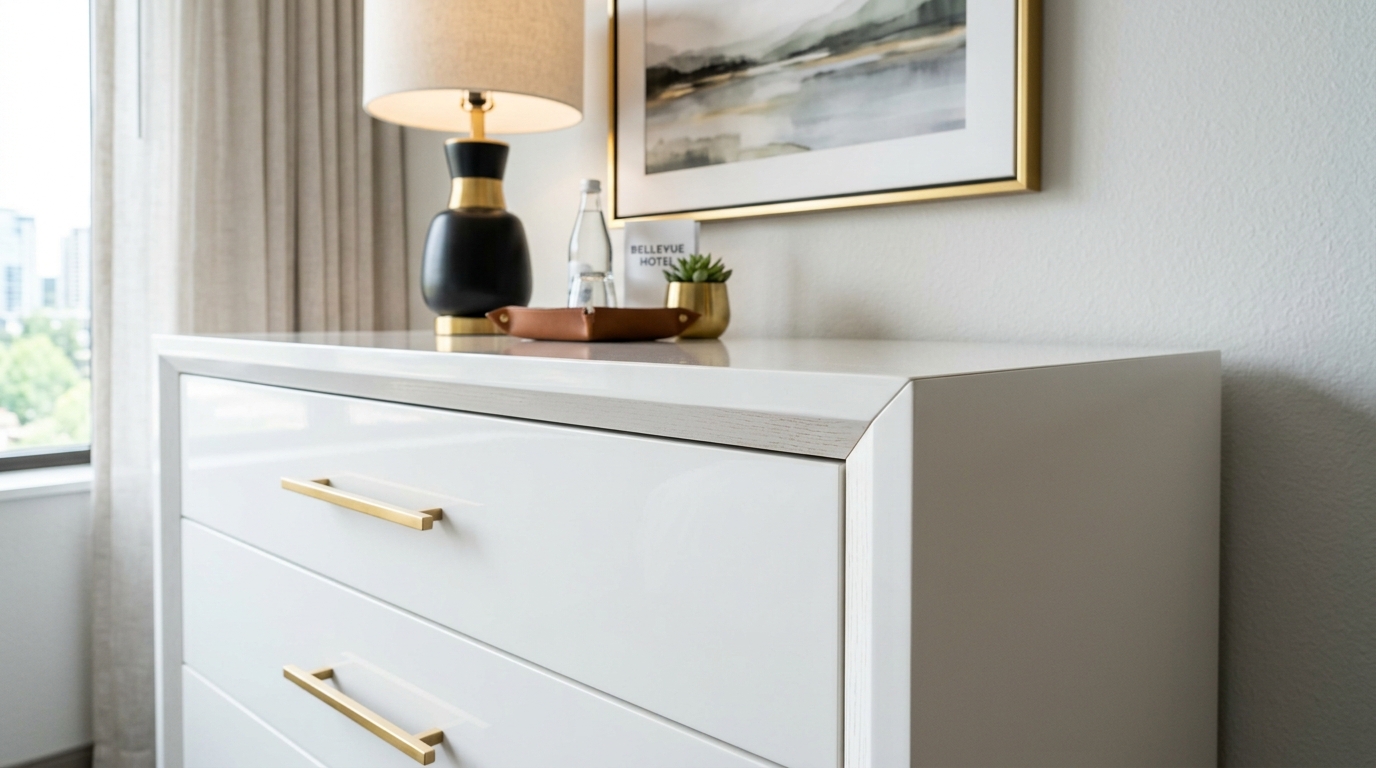
Sioux Falls doesn't get talked about as a hospitality market the way coastal convention cities do, but the numbers on the ground tell a different story. The Denny Sanford Premier Center and the adjacent Sioux Falls Convention Center pull in concerts, trade shows, and regional sporting events that fill downtown and Empire Mall area properties on a rolling basis. Sanford Health and Avera Health both draw a steady stream of business travelers and visiting families to the city year round. Add the Sanford International golf tournament each September and a corporate base anchored by financial services and agribusiness headquarters, and you have a hotel market that stays busier than its size would suggest. When you take a property offline for renovation in this market, you're competing against neighbors who never close their doors, and a hotel renovation furniture Sioux Falls project that drags past its target date hands market share to whoever finishes first.
Sioux Falls Runs on a Corporate and Event Calendar, Not a Tourist Season
Unlike coastal or mountain resort markets, Sioux Falls demand isn't seasonal in the traditional sense. Corporate travel tied to the city's banking and healthcare sectors runs steady from January through December, and the event calendar around the Premier Center and Convention Center adds spikes on top of that baseline almost every month. Properties along the Interstate 29 corridor near 41st Street and those clustered downtown near Phillips Avenue both depend on being bookable during these windows, which means a renovation has to be planned around specific dates on the arena and convention calendar rather than a vague "slow season."
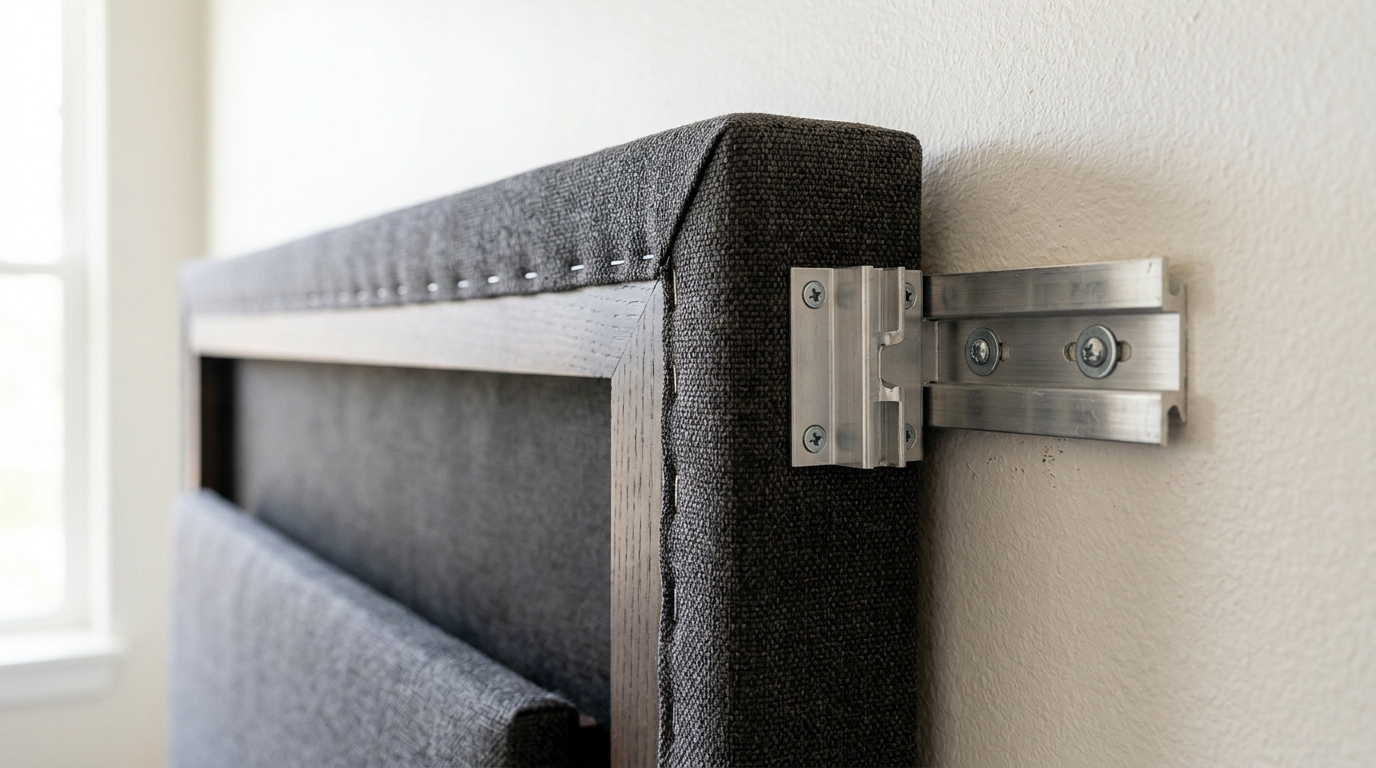
Most renovations in this market are phased, floor by floor or wing by wing, so the property stays partially bookable through the entire project. That approach protects revenue during a Premier Center concert weekend or a Sanford International week, but it puts real pressure on your furniture supplier to hit staggered delivery dates tied to your construction schedule rather than a single bulk shipment. A supplier who treats each delivery as its own transaction, disconnected from the ones before and after it, will cost you a bookable floor at exactly the wrong moment.
Before signing with any FF&E supplier, get delivery windows in writing along with a named logistics contact who owns the schedule. Phased milestones need to live in the procurement agreement itself, not in a verbal understanding that falls apart the first time a shipment runs late.
FF&E Lead Times: Work Backward From Your Reopening Date
Custom and semi-custom contract furniture typically takes 12 to 18 weeks from order confirmation to delivery on your dock. That covers case goods, upholstered headboards and seating, bed frames, and anything specified with COM fabric or a brand's proprietary finish. Properties near downtown's boutique corridor that are chasing a design-forward look with custom finishes should add two to four weeks on top of that baseline, since finish matching and small-batch upholstery runs slower than standard brand-spec orders.
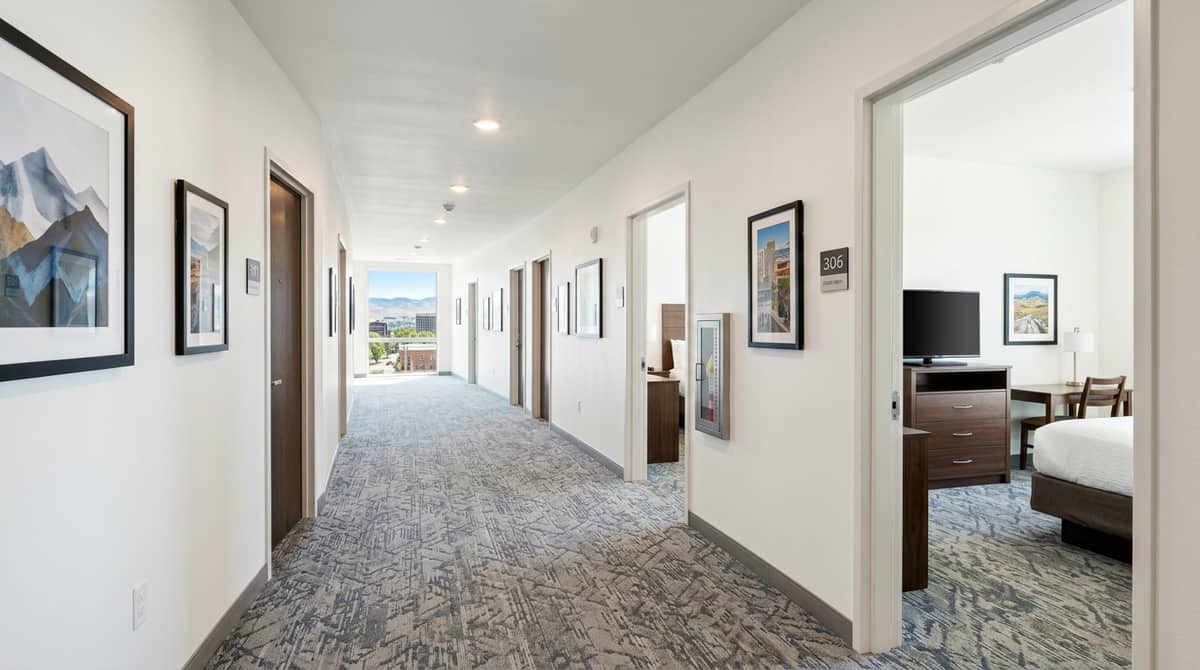
If you're targeting a reopening ahead of a fall Premier Center concert season or before Sanford International week fills every room within a few miles of the course, those lead times matter down to the week. Want rooms ready by early September? Furniture orders need to be placed no later than late spring. Operators who wait until permits clear or construction starts before thinking about FF&E procurement usually end up choosing between two bad options: accept off the shelf pieces that don't match the design intent, or push the reopening date and absorb the lost revenue.
Outdoor and patio furniture runs on its own separate production queue. Sioux Falls sees genuine four season weather, with hot, humid summers and winters cold enough that any exterior seating, courtyard, or pool deck furniture needs construction rated for real temperature swings. Don't assume outdoor pieces will land on the same truck or the same timeline as your guestroom order, plan that piece of the project separately from day one.
Brand Standards and the Sioux Falls Design Context
Sioux Falls hospitality spans a broad range, from flagged select service and full service properties along the Interstate 29 corridor and near the airport to independent and boutique properties downtown along Phillips Avenue and near Falls Park. Flagged properties operate under brand standard manuals covering case good construction, fabric fire ratings, and mattress specifications down to the inch, and none of that is negotiable during a renovation review.
A piece that looks right on paper but fails a fire rating check or misses a flag's seating height minimum gets rejected, and your timeline absorbs the delay while you scramble for a replacement. Work with a supplier that already keeps brand standard files on hand for the major flag groups represented in this market and can cross-reference your selections before specs are finalized. That review done early, before orders are placed, is what keeps a renovation schedule intact.
Independent properties downtown and near the Washington Pavilion arts district have more design latitude, but that freedom raises the bar rather than lowering it. Guests choosing an independent property in that part of the city are choosing on design specifically, and generic hospitality furniture will not read as intentional. A supplier who asks real questions about your guest profile and your building's character before sending a catalog is worth more than one who just fills a line item order.
Delivery and Installation in an Operating Property
Getting furniture into a functioning Sioux Falls hotel without disrupting daily operations takes real logistical planning. Downtown properties near Phillips Avenue and the Convention Center deal with tighter street access and loading dock scheduling, especially during a Premier Center event when downtown traffic and parking fill up fast. Properties along the 41st Street and Interstate 29 corridor have more loading room but still need deliveries coordinated around housekeeping and construction crew schedules to avoid blocking guest access.
A supplier with real experience delivering to occupied hotels in this market already understands these constraints and shows up with a crew and schedule built around your property's operations, not their own convenience. They coordinate directly with your front desk, engineering team, and general contractor so new furniture arrives staged and ready to install in completed rooms instead of sitting in a hallway blocking a guest corridor.
Ask any supplier you're evaluating a direct question: have they delivered to occupied hotel properties in Sioux Falls or a comparable regional market, and what's their white glove installation protocol for an active building? A vague answer is a signal to keep looking.
The difference between a Sioux Falls hotel renovation that reopens on schedule and one that slips past every deadline usually traces back to procurement decisions made in the first month of planning. Treat FF&E as a core operational workstream from the start, and your renovation has a real shot at running the way it was designed.