Phasing FF&E Replacement Without Losing Revenue
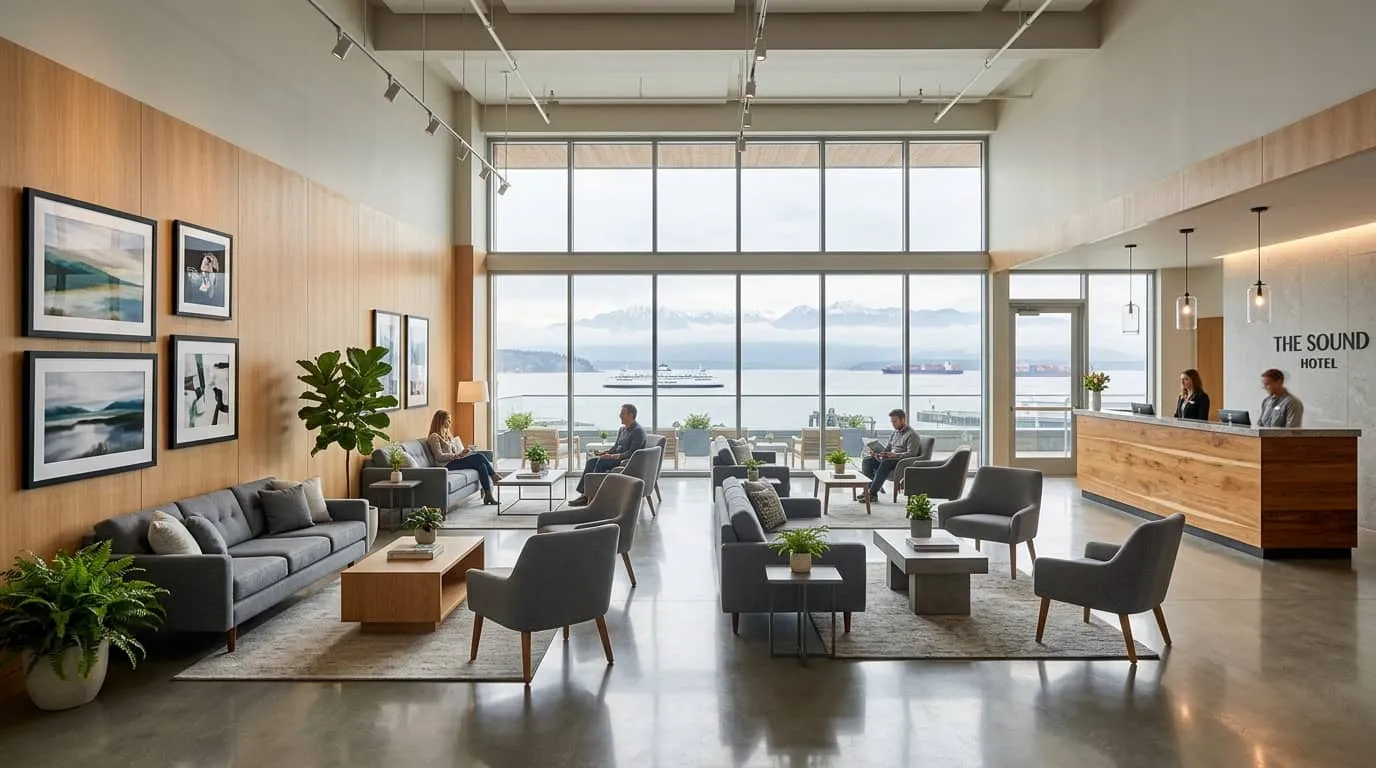
Renovating a hotel in Seattle while keeping rooms occupied is an operational balancing act that most ownership groups underestimate on the first project. The city's occupancy dynamics make full-floor shutdowns expensive: tech corridor bookings from Amazon and Microsoft employees run consistently, convention business tied to the Washington State Convention Center fills blocks months in advance, and leisure travelers anchored to Pike Place Market and Puget Sound views book early and expect consistency. Losing even a partial floor during peak season has measurable RevPAR consequences.
The practical answer is phased FF&E replacement built around a rolling-floor model. Designate a floor or wing as your active renovation unit and rotate it through the project timeline in 10-to-14-day blocks. That cadence gives your crew enough time to strip, deliver, stage, and punch out a full floor without the schedule compression that causes damage and callbacks. Revenue management works around it by managing rates on adjacent floors rather than comping rooms you don't need to comp.
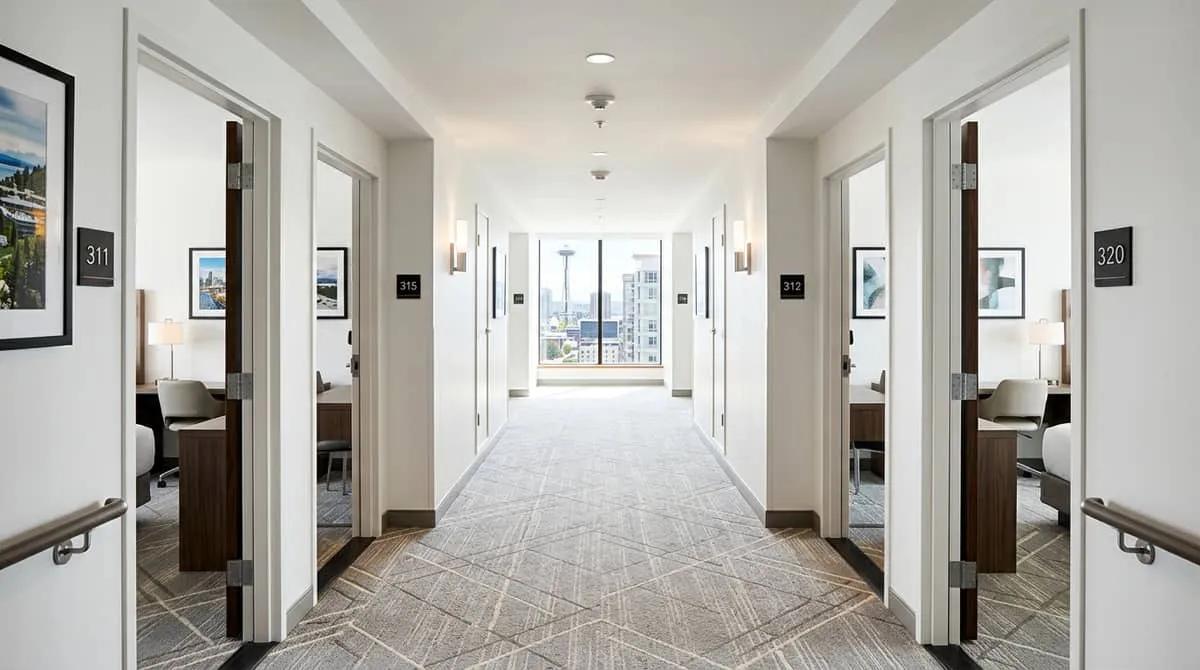
Before you commit to a phase schedule, audit your existing furniture condition by category. Casegoods dressers, desks, nightstands typically degrade on a different timeline than seating or soft goods. A 12-year-old property in South Lake Union may have casegoods that still photograph well but task chairs that are visibly worn. Replacing soft goods and seating first lets you refresh the guest experience with faster, lower-cost phases while deferring the larger casegood investment until budget and scheduling align.
Coordinating Furniture Delivery With Active Construction
Furniture delivery into an active construction site is where most hotel renovation projects accumulate unnecessary cost. Contractors and FF&E procurement teams operate on different scheduling logic, and when those schedules collide furniture showing up before drywall is finished, or millwork arriving after soft goods have been staged you pay for storage, redelivery, or damage.
The fix is a single construction-to-delivery matrix that assigns a concrete delivery window to each furniture category tied to construction milestones rather than calendar dates. Rough-in completion triggers casegoods scheduling. Final paint sign-off triggers soft goods. Final flooring triggers seating and accessories. When a construction milestone slips and in Seattle's building environment, permit delays and subcontractor scheduling conflicts are routine the furniture delivery window automatically adjusts rather than creating a conflict you have to manage reactively.
For Seattle properties specifically, delivery logistics require more lead time than operators often account for. Access constraints are real: Capitol Hill and Ballard properties frequently deal with narrow streets, restricted loading windows, and neighborhood noise ordinances that limit early-morning and evening deliveries. South Lake Union construction corridors add route complexity during business hours. Build a 48-to-72-hour buffer into every delivery confirmation, and confirm freight access with your building manager before the PO is issued, not after.
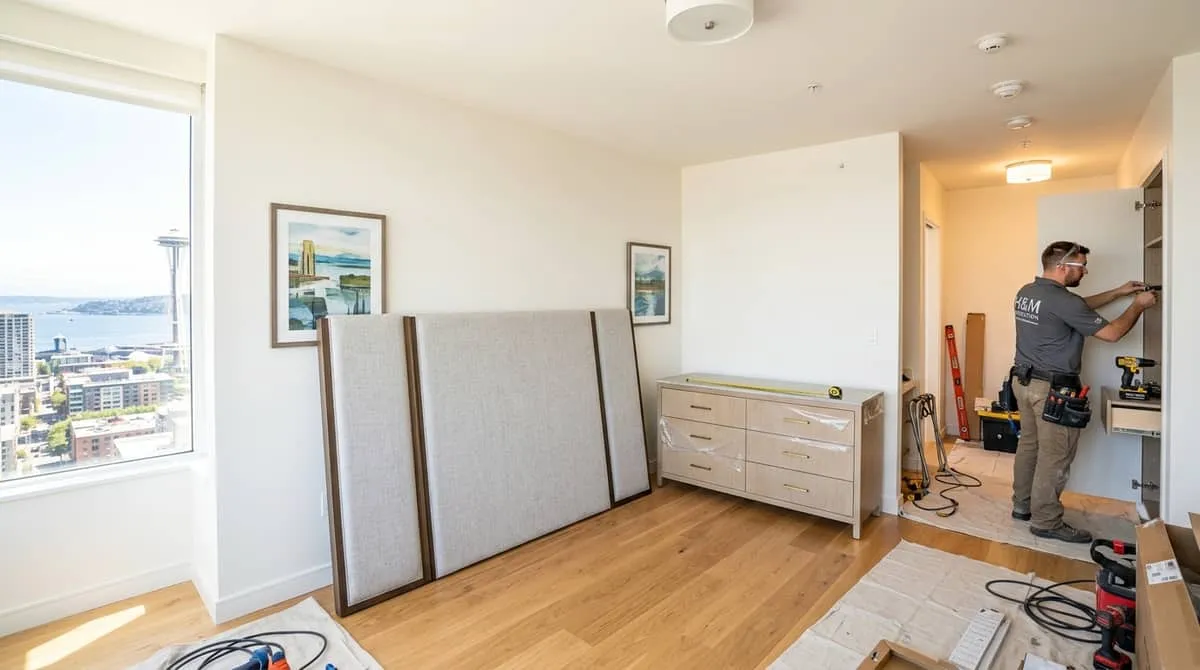
White-glove delivery and installation services eliminate most site damage, but they require coordination with your GC on floor protection and elevator scheduling. Get that in writing before furniture arrives on property.
Specifying Furniture That Meets Seattle Guest Expectations
Seattle's hospitality market segments sharply between convention-driven business travel, tech-sector extended stay, and experiential leisure guests who are specifically choosing the Pacific Northwest for its design culture. All three segments have elevated baseline expectations around materiality, finish quality, and functionality and they notice the gap between contract furniture that looks designed and contract furniture that actually is.
For properties near the Washington State Convention Center or serving the tech corridor, task seating and workspace configuration are not afterthoughts. A business traveler working a four-day conference schedule needs a desk setup that functions as well as their home office. That means chairs with genuine lumbar adjustability, desks with enough surface area for a second monitor, and lighting that isn't sourced from the same fixture catalog as the decorative pendants in the corridor. Specify these items from commercial contract lines rated for the use cycle residential-grade task chairs that look similar will fail within 18 months under hotel occupancy patterns.
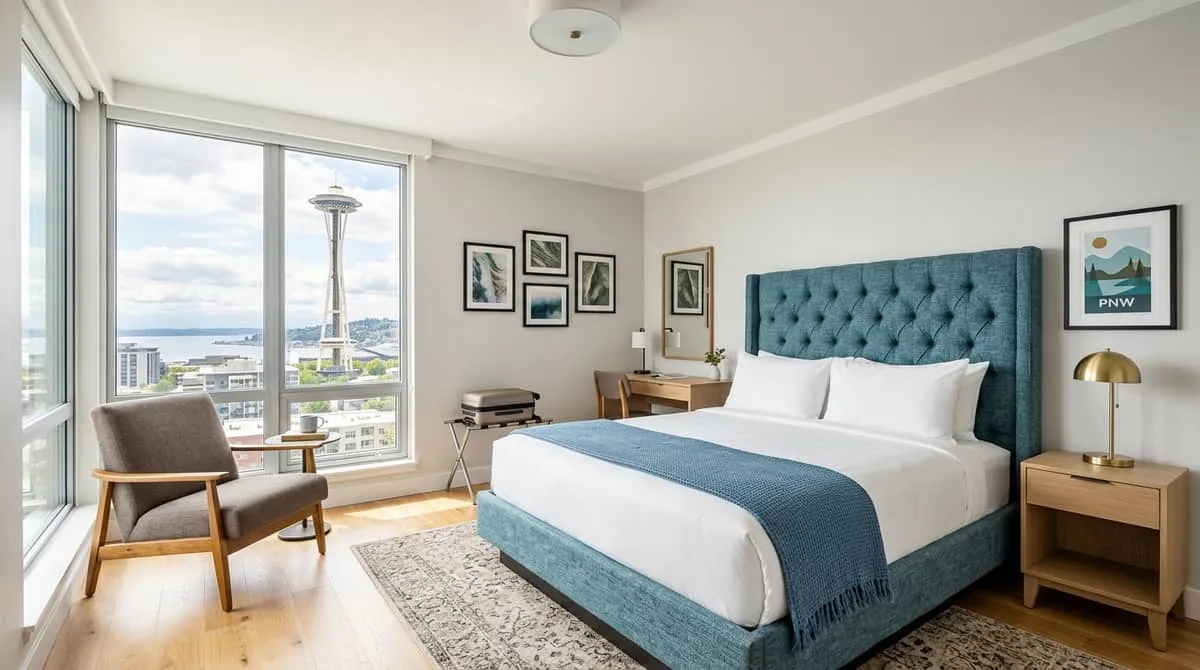
Leisure properties targeting Puget Sound views or positioned in neighborhoods like Capitol Hill with strong design identity need furniture that reads as intentional. Pacific Northwest hospitality design has moved away from generic hospitality-beige toward materials with tactile specificity: white oak, blackened steel, textured upholstery in muted earth tones, ceramic and stone accent surfaces. These aren't expensive choices when you source them through commercial contract channels they're expensive when you try to approximate them with residential retail furniture that won't hold up.
Durability specifications matter in Washington State's climate. Upholstery in coastal and waterfront properties picks up moisture and salt exposure that accelerates degradation on fabrics not rated for the environment. Specify commercial upholstery with appropriate abrasion and moisture resistance ratings. Wood finishes in ground-floor public-facing spaces need UV inhibitors Pacific Northwest light is lower-angle and more diffuse than in drier climates, but it's present for long hours in summer and affects finish longevity on pieces positioned near large windows.
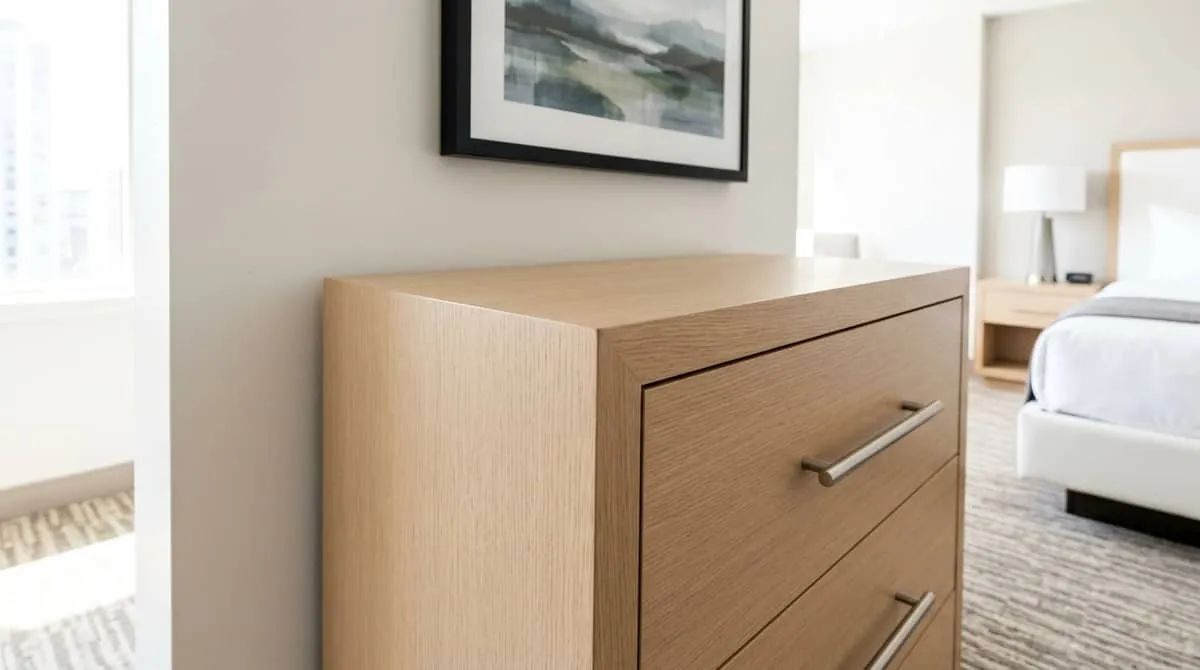
Warranty and replacement terms are part of the specification conversation, not a post-purchase administrative detail. Commercial contract furniture from a supplier with established hospitality programs gives you access to replacement components matching drawer pulls, replacement cushion cores, touch-up finish kits that keep a five-year-old room looking intentional rather than patched. Retail furniture sourced to save upfront cost rarely has that support infrastructure, which means a damaged piece forces a full replacement that disrupts your floor's visual consistency.
Managing the Procurement Timeline
FF&E procurement for a phased hotel renovation requires lead times that are longer than most first-time operators expect. Commercial contract furniture from established hospitality suppliers typically runs 10-to-16-week lead times from PO to delivery for custom or semi-custom pieces. For a Seattle renovation starting procurement in spring, that math puts delivery into summer peak occupancy season unless you front-load purchase orders significantly.
Work backward from your first construction milestone, add your furniture category lead time, then add your delivery buffer for Seattle access constraints. That date is when your PO needs to be issued. For most hotel renovation projects, that means procurement decisions need to be finalized before the first shovel hits the ground, not during construction.
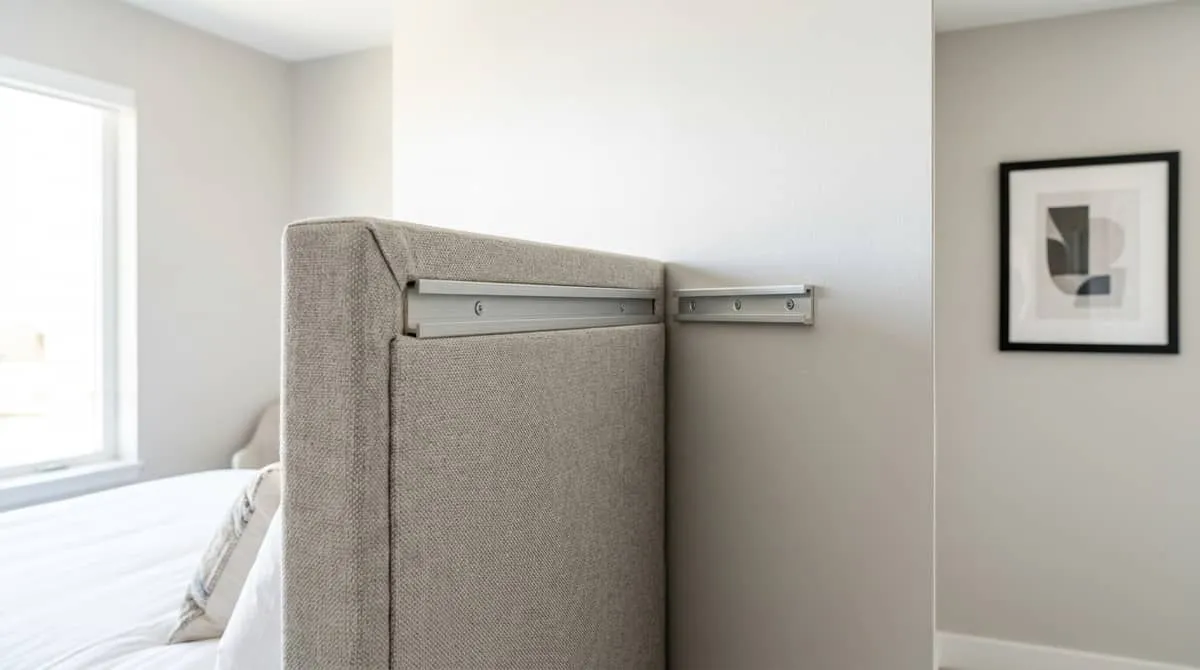
Establish a direct relationship with your furniture supplier's project management team, not just your sales contact. For large or multi-phase projects, a dedicated project manager on the supplier side gives you a single point of contact for lead time updates, change order processing, and damage claims all of which will come up in a project of meaningful scale.
Tell us about your Seattle hotel renovation furniture needs and we will turn your quantities, finishes, and timeline into a firm quote. Request a quote whenever you are ready to compare.