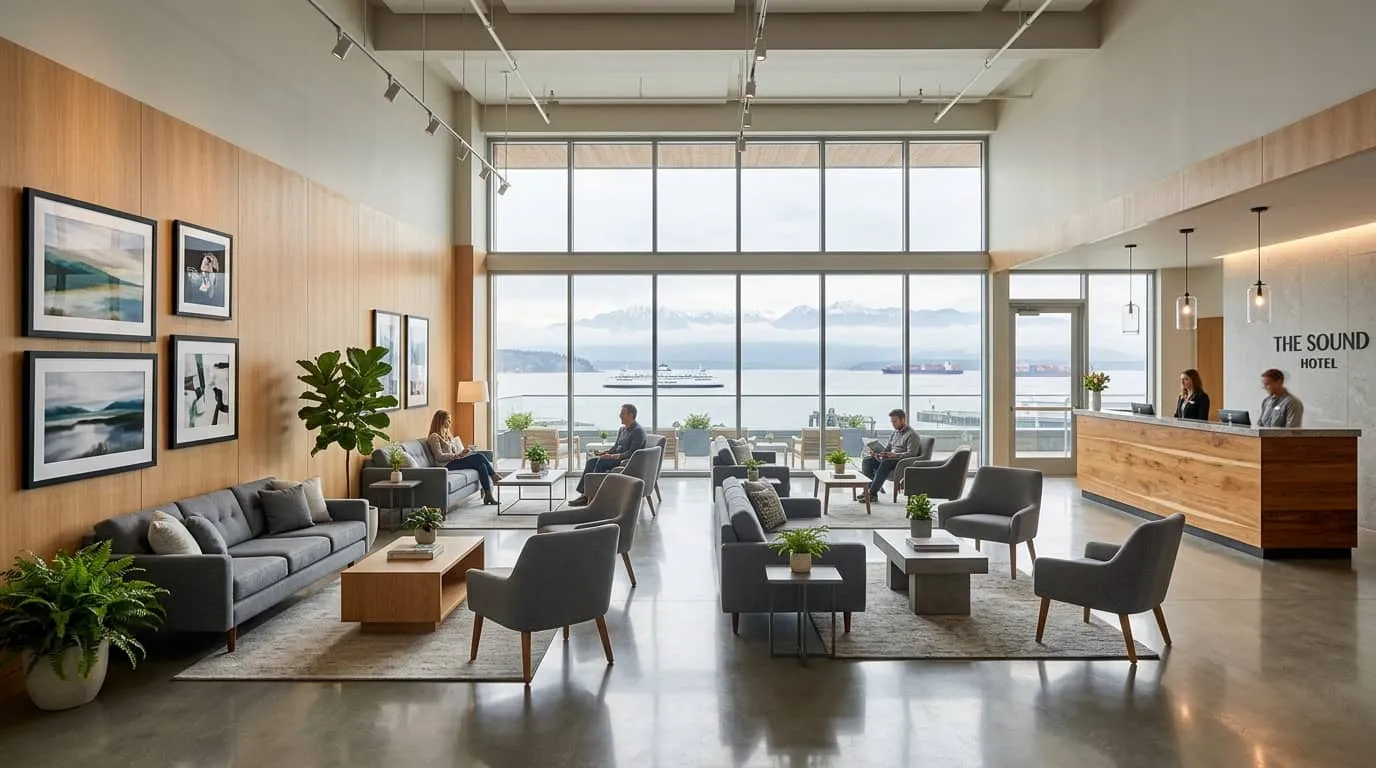
Why Seattle Boutique Hotels Demand a Different Furniture Standard
Seattle's boutique hotel market has matured into one of the most design-literate in the country. Properties in Capitol Hill, Pioneer Square, and Belltown now compete directly with the kind of independently owned hotels that set trends in Portland, San Francisco, and New York. Your guests arrive with expectations shaped by Dwell magazine spreads and curated Instagram feeds. They notice when a headboard wobbles. They notice when a lobby chair looks like it was pulled from a corporate airport lounge.
That gap between guest expectation and furnishing reality is exactly where contract-grade furniture earns its place. The challenge specific to Seattle operators is not just finding durable commercial pieces it is finding durable commercial pieces that read as authentically Pacific Northwest rather than generically hospitality. Those are two different sourcing problems, and conflating them is one of the most common mistakes boutique properties make when outfitting a new build or a renovation.
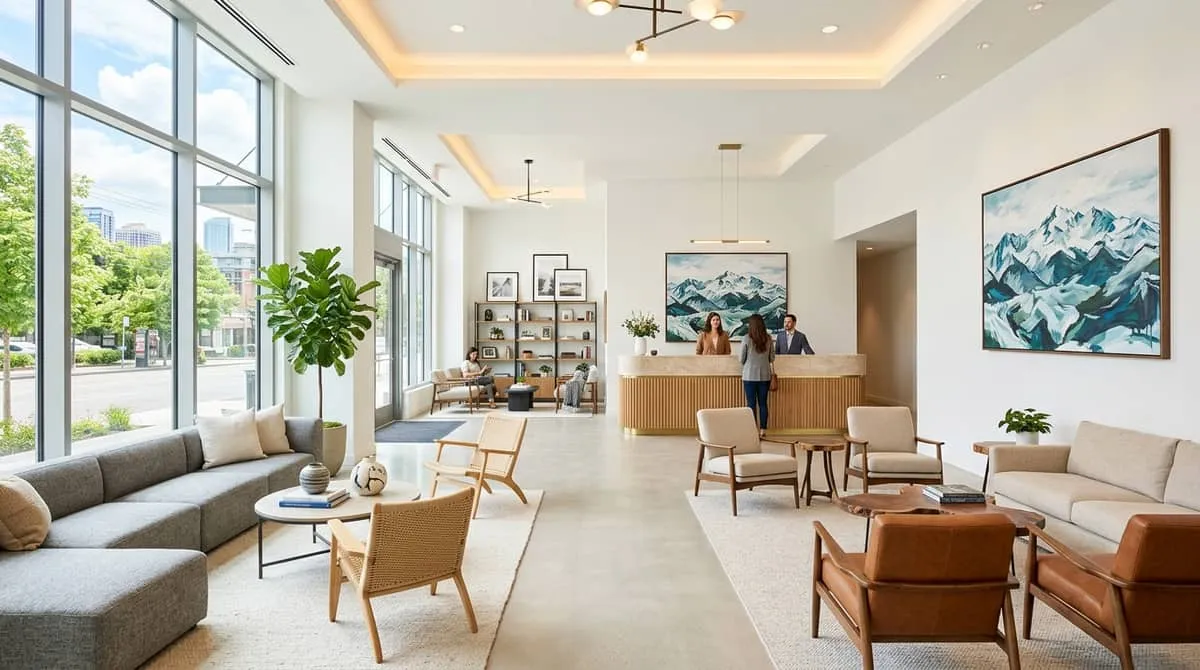
The Seattle market rewards specificity. A property in Capitol Hill serves a guest who spends their evenings at independent music venues and their mornings at local roasters. A Pioneer Square hotel sits inside one of the densest concentrations of contemporary galleries on the West Coast. A Belltown property pulls tech workers relocating from the Amazon and Microsoft corridors in South Lake Union and Redmond who have strong design opinions and will absolutely write about your furniture in their review if it bothers them. Each of these micro-markets calls for a distinct visual language in its furnishings, and contract-grade sourcing gives you the flexibility to achieve that without sacrificing the structural integrity required by commercial use cycles.
What Contract-Grade Actually Means for a Pacific Northwest Property
Contract furniture is manufactured to withstand commercial use loads higher cycle counts on seating mechanisms, finishes tested against hospitality-grade cleaning chemicals, frames built to meet or exceed ANSI/BIFMA standards. These are not specifications that show up on the tag of a retail sofa from a home furnishings store, which means that retail piece will degrade noticeably within 12 to 18 months of continuous guest use.
For a Seattle property specifically, material selection carries additional weight. The Pacific Northwest climate means elevated humidity year-round, with genuine rain exposure in any outdoor or semi-outdoor seating zone covered terraces overlooking Puget Sound, rooftop spaces with views toward the Olympic Mountains, lobby entries that get wet umbrellas and damp coats every single morning from October through April. Contract-grade outdoor and transitional pieces are built with moisture-resistant frames, marine-grade fabrics, and drainage-optimized construction that residential pieces simply are not.
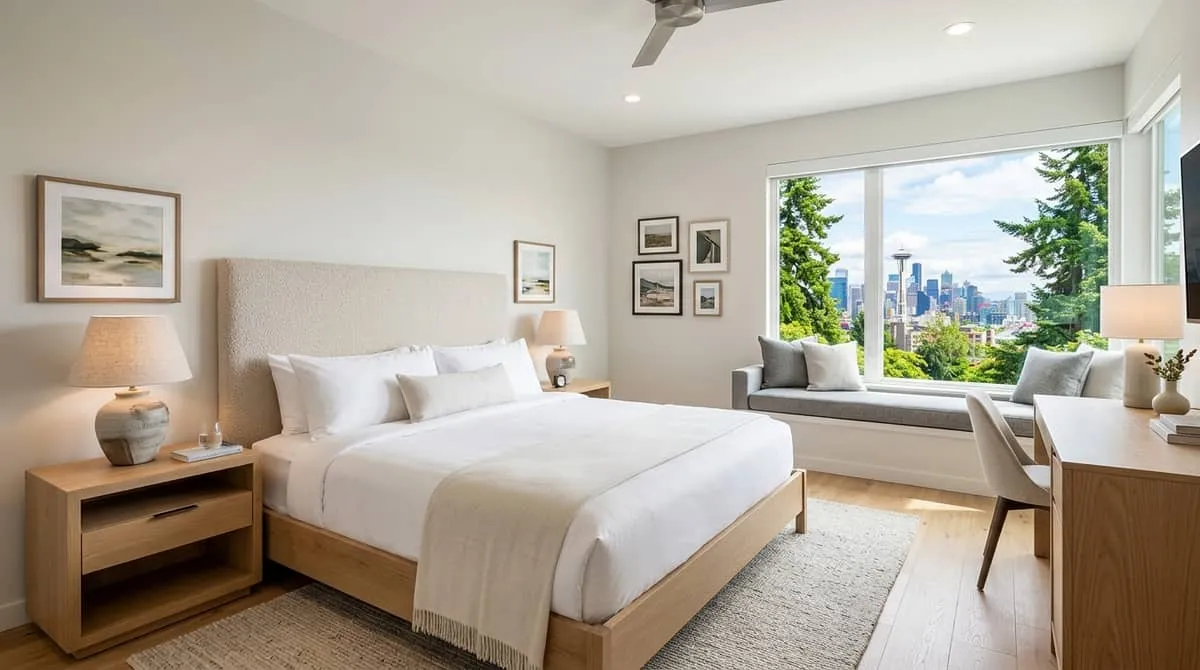
There is also the question of finish durability in high-UV environments. Washington State gets more UV exposure in summer than most visitors expect, and any property with large west-facing windows common in buildings that capitalize on Puget Sound and Olympic Range views will subject furniture finishes to significant fading stress. Contract-grade upholstery fabrics are tested to 1,000 hours or more of UV exposure under AATCC standards. Retail fabrics are not tested to that threshold.
When you are sourcing for a boutique property, work with suppliers who can provide documentation on these specs. Any contract furniture supplier worth your account should be able to hand you a spec sheet with rub count, UV rating, and frame warranty before the order is placed.
Translating Pacific Northwest Identity Into Furniture Sourcing Decisions
The design identity of Seattle's most respected boutique properties draws from a consistent set of references: old-growth timber, raw steel, exposed brick from Pioneer Square's 19th-century building stock, the muted color palette of coastal fog and Douglas fir canopy, and the functional craft aesthetic that runs through everything from Pike Place Market's market stalls to the industrial heritage of the South Lake Union waterfront.
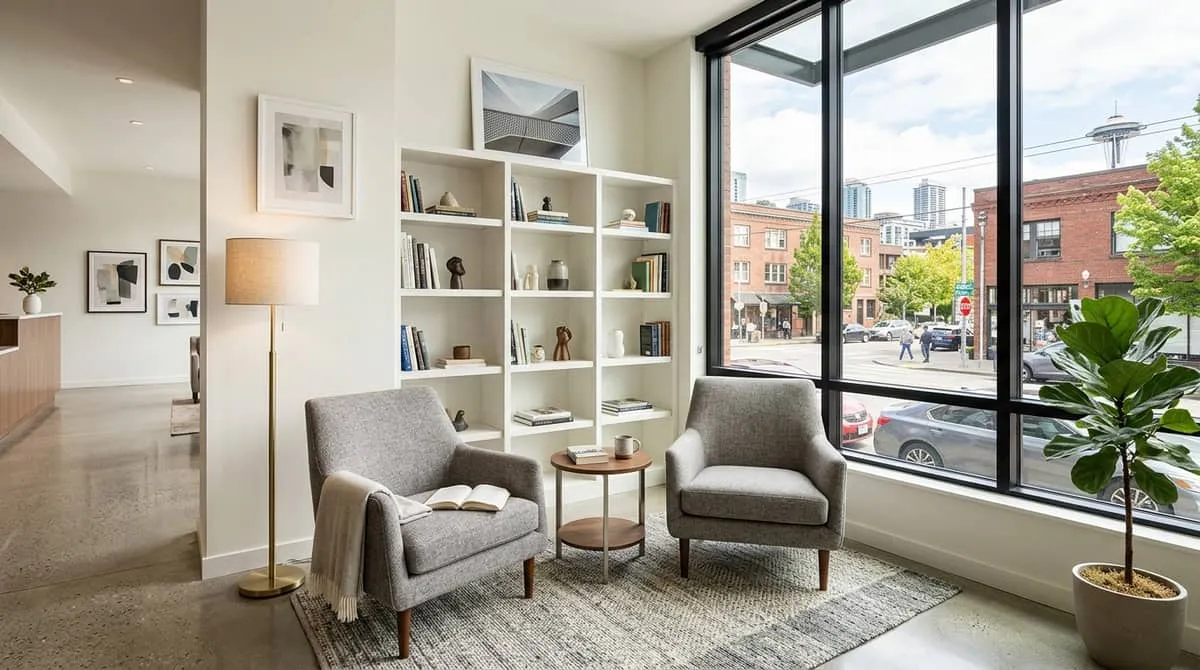
Translating that into furniture means prioritizing natural material expressions over synthetic approximations. White oak and walnut case goods with visible grain. Upholstery in wool-blend or linen-weave textiles in slate, moss, and warm off-whites. Steel frame accents with a brushed or matte black finish rather than polished chrome. Leather in cognac or saddle tones that will develop patina over time, which is a feature in a boutique context rather than a liability.
These are aesthetic choices, but they intersect directly with your sourcing strategy. Not every contract furniture manufacturer produces pieces in this vocabulary. Some manufacturers specialize in the corporate hotel segment, where the brief runs toward neutral and safe. You need suppliers who work in the boutique and lifestyle hotel space and understand that Capitol Hill guests are not the same guests checking into a full-service convention hotel near the Washington State Convention Center. The product lines are different, the customization options are different, and the lead times for custom upholstery in a non-standard fabric are different.
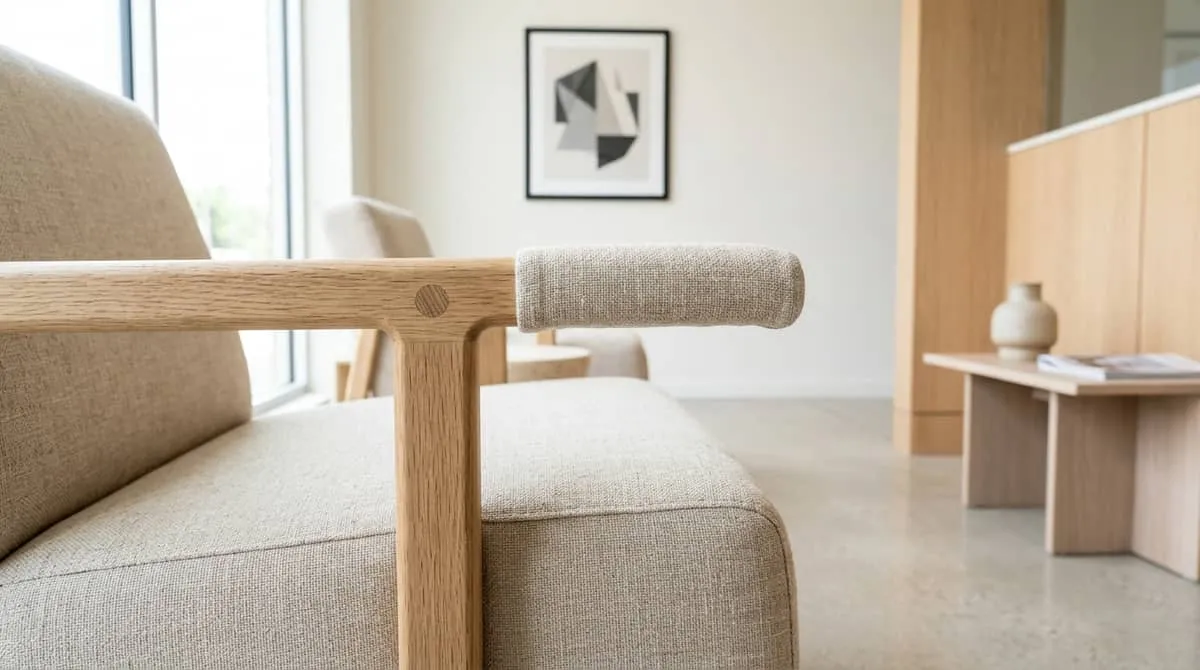
Build relationships with suppliers who stock showrooms or allow fabric sampling, because selecting upholstery from a thumbnail online is how you end up with a color that photographs beautifully and looks wrong in person under the specific light conditions of your property.
Practical Sourcing Considerations for Seattle Operators
Lead time is the first operational reality to plan around. Contract furniture particularly custom-upholstered seating or case goods with custom finishes typically runs 8 to 16 weeks from order confirmation to delivery. If your renovation timeline does not account for that window, you will either delay your opening or fill rooms with placeholder pieces that guests will photograph and post before your real furniture arrives.
Freight and receiving logistics matter more in Seattle than in some markets. If your property is in a dense urban corridor Capitol Hill's 12th Avenue corridor, the historic district streets of Pioneer Square, or the mixed-use towers going up in the Ballard and South Lake Union development zones you need to confirm that your supplier's freight carrier can execute a street-level delivery in a constrained urban environment. Freight that arrives on a full-size semi-truck with no lift gate, at a building with no loading dock, is a problem that falls on you at the moment you can least afford it. Clarify delivery specifications at the order stage, not after it ships.
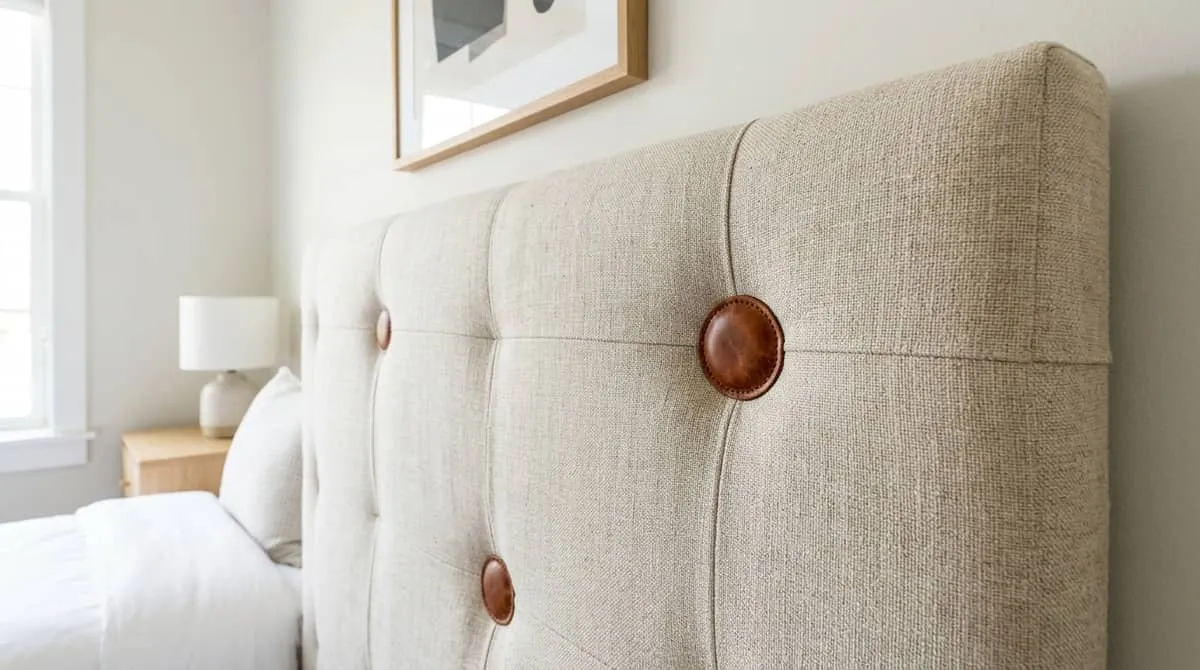
Finally, warranty terms should be evaluated as a total cost of ownership question, not an afterthought. A contract furniture piece with a 10-year frame warranty and documented commercial-grade upholstery will cost more at purchase than a comparable retail piece. Over the replacement cycle, the contract piece almost always costs less. Document that calculation when presenting sourcing decisions to ownership or investors. The math is straightforward once you factor in replacement frequency, labor for re-ordering and re-installing, and the operational disruption of pulling rooms out of inventory during replacement.
If you are sourcing boutique hotel furniture for your Seattle property, the fastest way to real numbers is to tell us what you need. Request a quote with your quantities and timeline.
Related reading
- What is contract furniture
- Commercial furniture vs retail
- Hospitality furniture supplier guide
- Boutique hotel lounge chairs
- Hotel sofas and loveseats
- Hotel headboards
- Commercial furniture in Washington
Our take
One thread in this post deserves promotion from observation to specification: the wet entry. The post notes that Seattle lobbies take dripping umbrellas and damp coats every morning from October through April, then reserves its moisture rated construction advice for terraces and rooftops. In practice the first few meters inside the door live in the same moisture regime as a covered terrace for half the year. Treating that strip as its own furniture zone, furnished with transitional pieces built from the moisture tolerant frame and fabric families the post recommends outdoors, keeps the true interior program out of the splash line. It also concentrates the most frequent wipe downs and finish wear on a small set of pieces chosen to take it, rather than on the showpiece lounge chairs a Capitol Hill guest photographs and posts.
The bottom line: Thorough on Pacific Northwest materials and urban freight realities. Operators should carve out a wet entry furniture zone, applying the post's outdoor specification logic to the first meters of lobby from October through April.