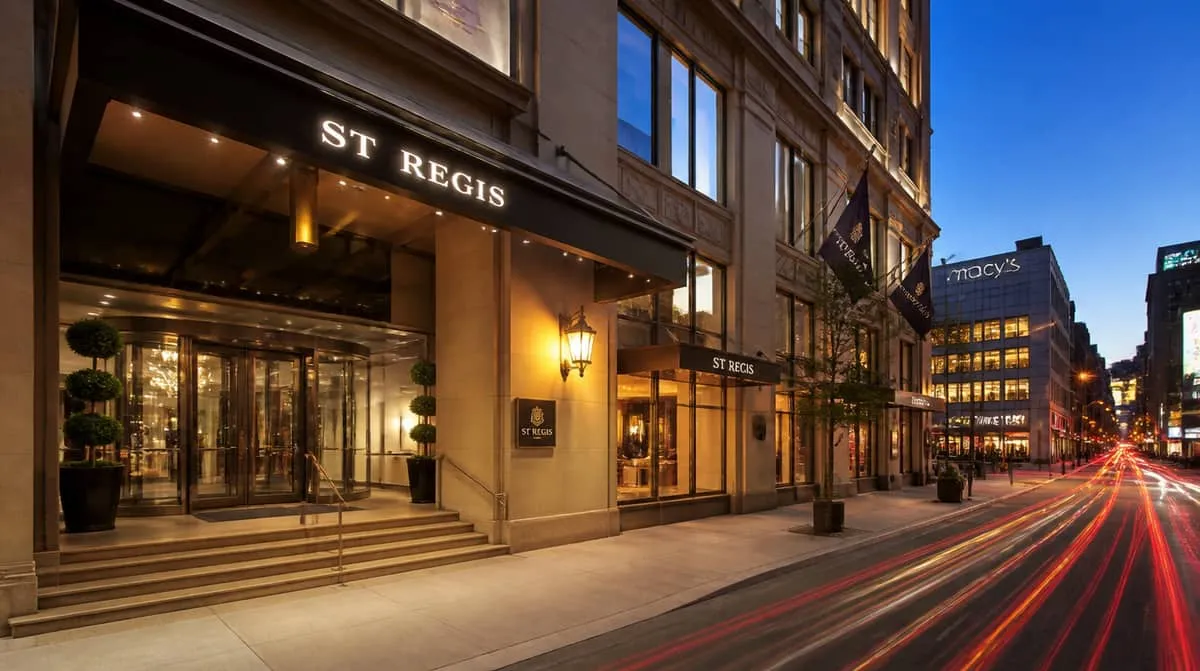
Renovating a hotel in San Francisco is an exercise in precision scheduling. The city's convention calendar creates hard blackout windows that cannot be moved when Dreamforce is running and 100,000 attendees are filling Union Square and SoMa hotels to 95% occupancy, a property mid-renovation that cannot deliver its full room inventory is losing RevPAR at a rate that no procurement savings can offset. The operators who execute successful SF hotel renovations treat the furniture procurement timeline as a critical path item, not an afterthought, and they begin the supplier conversation long before they have signed a GC contract.
The Renovation Landscape Across San Francisco's Hotel Districts
Union Square's hotel stock is experiencing a significant renovation cycle. Properties built or last renovated in the 1990s and early 2000s are now on their third or fourth major FF&E refresh, and the ones that have not modernized their interiors are feeling the competitive pressure from newer boutique properties and from renovated full-service properties that have shifted to the California contemporary aesthetic. The refresh cycle for a full-service Union Square hotel typically runs 18 to 36 months for a phased guestroom program, with public spaces often done in a single compressed window during a shoulder-season closure.
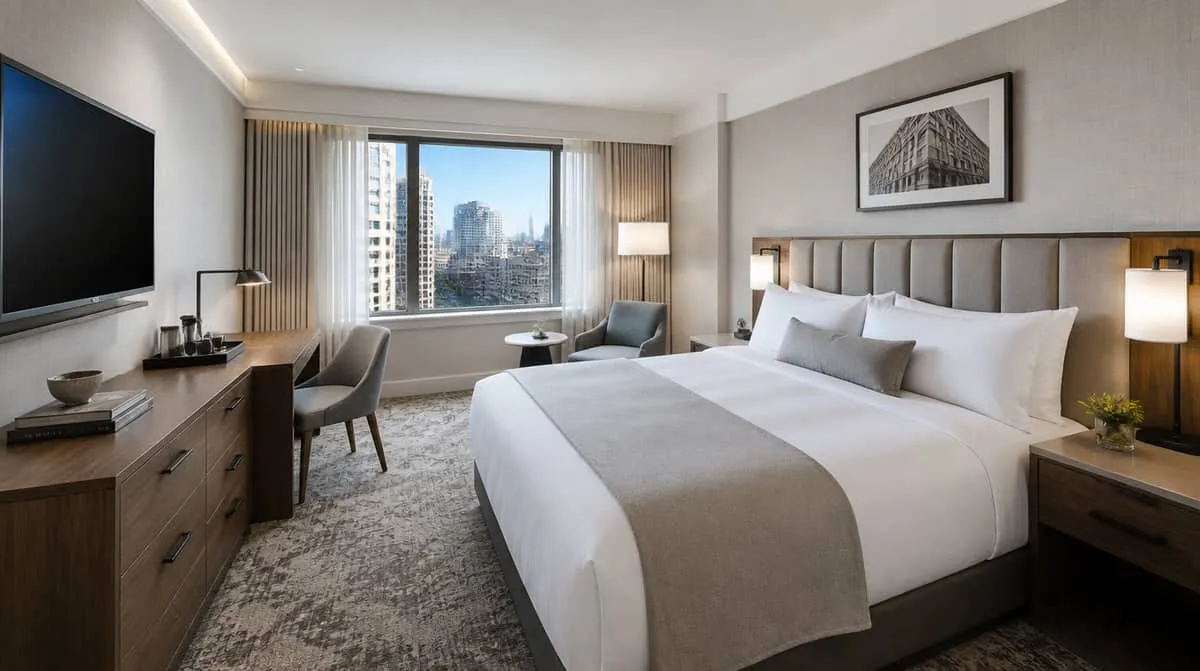
SoMa's hotel inventory is younger on average but faces a different renovation pressure: the properties that were designed to serve the late-1990s tech boom aesthetic are now significantly dated. Interiors that featured dark mahogany case goods, hunter green upholstery, and heavy brass fixtures are being renovated room by room into the light oak, warm linen, and brushed brass vocabulary that today's tech guest expects. The renovation scope for these properties often includes case goods replacement not just upholstery which adds complexity and cost to the procurement program.
Nob Hill's historic properties carry renovation constraints that are unique to the neighborhood. Building envelope restrictions, historic register considerations, and architectural preservation requirements limit the scope of structural changes and sometimes constrain what furniture dimensions can physically enter the building. Operators renovating Nob Hill properties need suppliers who can provide technical documentation on piece dimensions and who have experience navigating the logistics of delivering furniture to buildings with service access that was designed in the early twentieth century.
Fisherman's Wharf hotels undergo renovation cycles driven by the tourist market's expectations for comfortable, clean, and reasonably contemporary interiors rather than by design-forward competition. Headboards and guestroom seating refreshes in that sub-market can often work within tighter per-key budgets than equivalent projects in Union Square or SoMa, which creates a different procurement brief catalog pieces in durable specifications rather than custom or semi-custom solutions.
Furniture Specifications for SF Hotel Renovations
The renovation brief for a mid-cycle San Francisco hotel property typically prioritizes three areas in this order: guestroom upholstered pieces (headboards, lounge chairs, desk chairs), public space seating and case goods, and guestroom case goods. The upholstered guestroom pieces are prioritized because they are the highest-visibility items to guests, the most referenced in online reviews, and the most capable of delivering immediate ADR improvement when replaced.
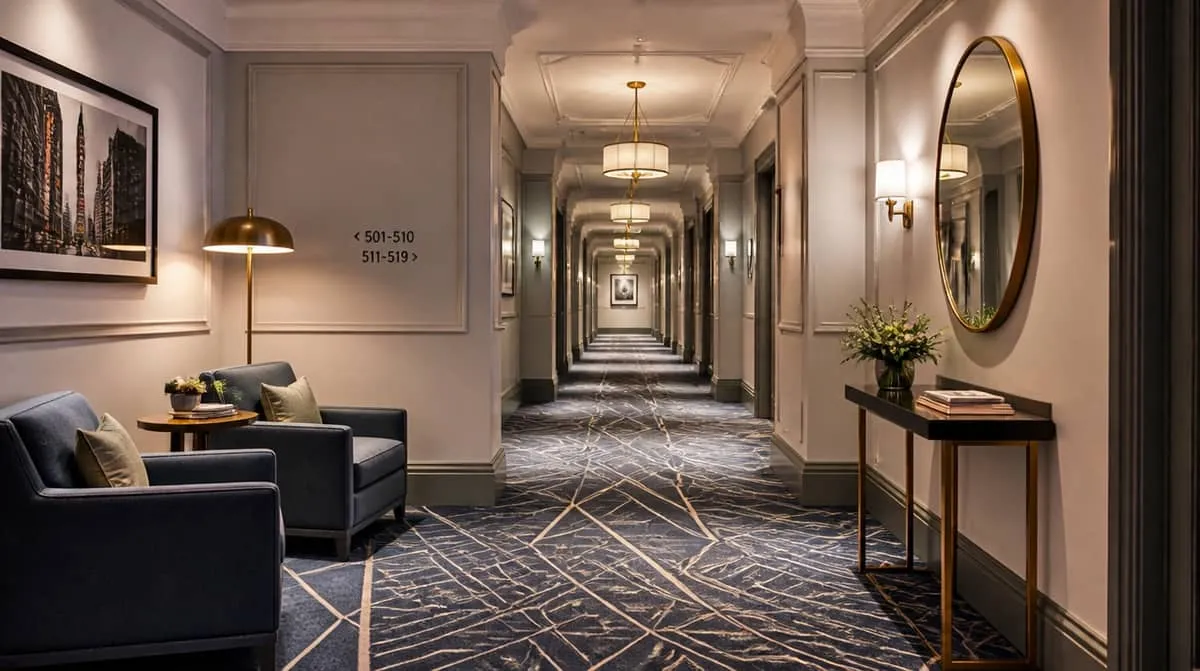
Headboards are the renovation investment with the most direct relationship to guest perception. An upholstered panel headboard in a warm performance linen or performance boucle, properly sized to the room's ceiling height and installed with professional finish, transforms a dated guestroom into a room that reads as recently renovated regardless of what else changed in the space. San Francisco operators targeting $300 to $500 ADR should budget for custom-height headboards typically 60 to 72 inches rather than standard 54-inch catalog cuts, which can look undersized in rooms with 9-foot or 10-foot ceilings.
Lounge chairs in the guestroom are the second-highest-impact renovation piece. A well-specified lounge chair in a California contemporary silhouette curved back, visible leg in light oak or brushed brass, warm fabric in the oatmeal to caramel range signals design intentionality that guests notice and comment on. Renovation budgets that eliminate guestroom lounge seating to save cost consistently underperform in guest satisfaction relative to properties that maintain a quality lounge chair.
Case goods dressers, nightstands, desks can be phased or sourced from catalog to manage cost, provided the finish and hardware are consistent with the upholstered pieces. Light oak or white oak veneers with brushed brass or matte black hardware are the current dominant specification for San Francisco market-rate and upscale properties. Dark finishes that were appropriate in a previous renovation cycle should not be retained if upholstered pieces are being refreshed; the aesthetic mismatch will undermine the renovation's impact.
Managing a Phased SF Hotel Renovation
A phased guestroom renovation in a San Francisco hotel requires a procurement partner who can manage inventory across multiple delivery windows. The typical approach for a 150-key Union Square property running a floor-by-floor renovation is to manufacture all furniture in a single production run capturing the volume pricing and ensuring finish consistency then warehouse the product for staged delivery as floors become available.
This approach requires a supplier with warehouse capacity in or near the Bay Area, or a logistics partner who can manage a San Francisco-area warehouse on the hotel's behalf. It also requires a purchase commitment earlier in the process than operators sometimes prefer, since the full-property order needs to be placed when lead times allow for the first-floor delivery, not when the last floor is ready.
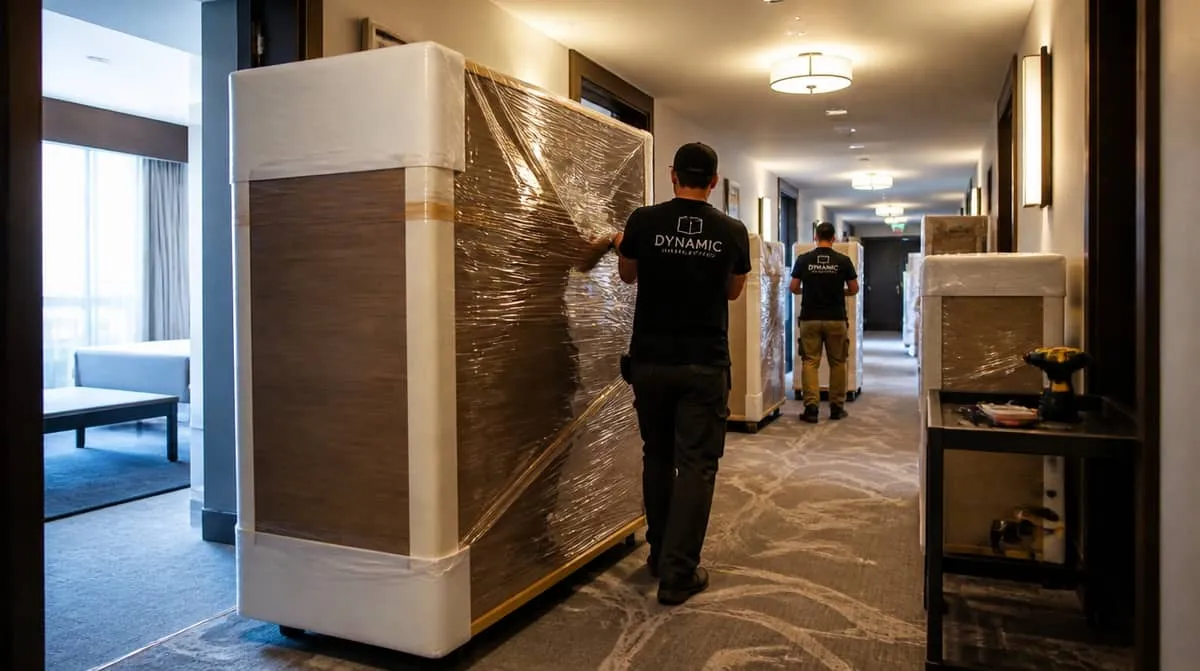
Commercial Furniture Depot has managed phased delivery programs for multi-property renovation projects and can work with San Francisco operators on a staged release schedule tied to their renovation sequencing. Lead times for full guestroom FF&E packages run 12 to 18 weeks for upholstered custom pieces; catalog case goods typically run 8 to 12 weeks.
If you are sourcing hotel renovation furniture for your San Francisco property, the fastest way to real numbers is to tell us what you need. Request a quote with your quantities and timeline.