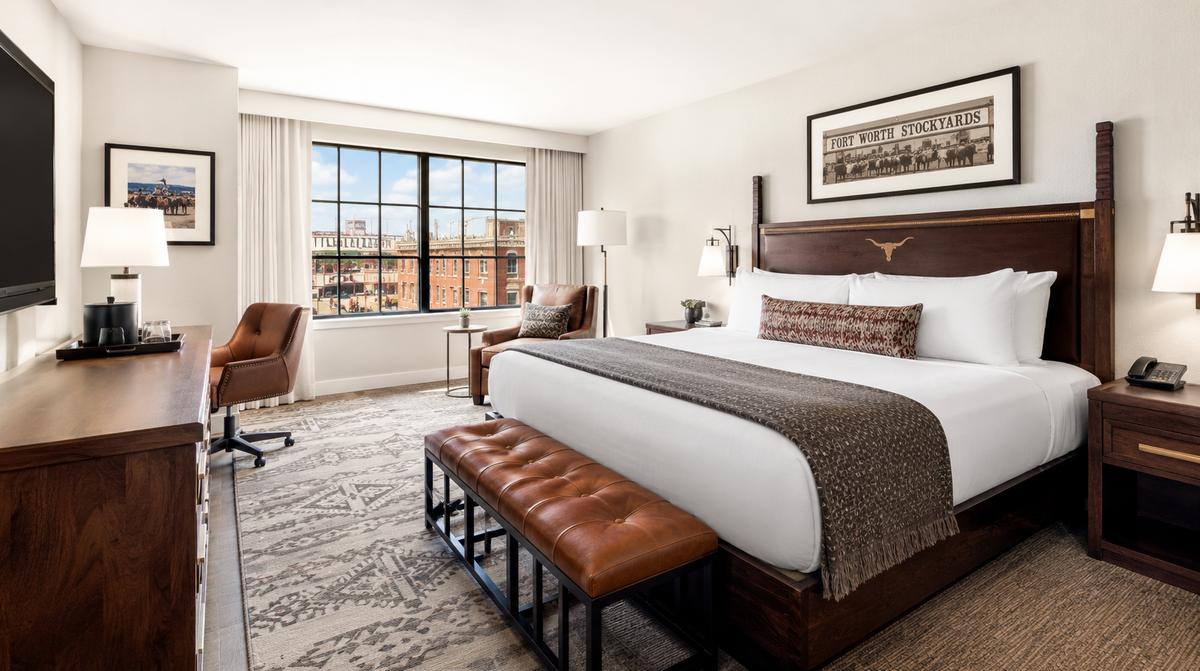
Providence runs a smaller hospitality market than Boston or New York, but it is far from a sleepy one. The Rhode Island Convention Center and the Amica Mutual Pavilion pull steady group and event business into Downtown and Downcity, Johnson & Wales University keeps a reliable churn of parent and alumni travel moving through the city year round, and WaterFire weekends can fill every room from the Jewelry District to Federal Hill on short notice. Add in Brown University and RISD commencement season, and you have a market where a handful of dates carry outsized revenue weight. Getting hotel renovation furniture Providence procurement right means protecting those dates, not just finishing a design project on your own timeline.
Providence's Renovation Calendar Runs on a Few Critical Weekends
The Rhode Island Convention Center schedules citywide events well over a year out, and those dates set hard deadlines for properties within walking distance along Sabin Street and around Waterplace Park. Miss a furniture delivery ahead of a major convention or a WaterFire-anchored weekend and you're sending rooms into a sold-out market unfinished. For properties near the Jewelry District competing for the same corporate and academic travel as Downcity hotels, a renovation that slips into commencement season at Brown or RISD in May means losing some of the highest-rate nights of the year.
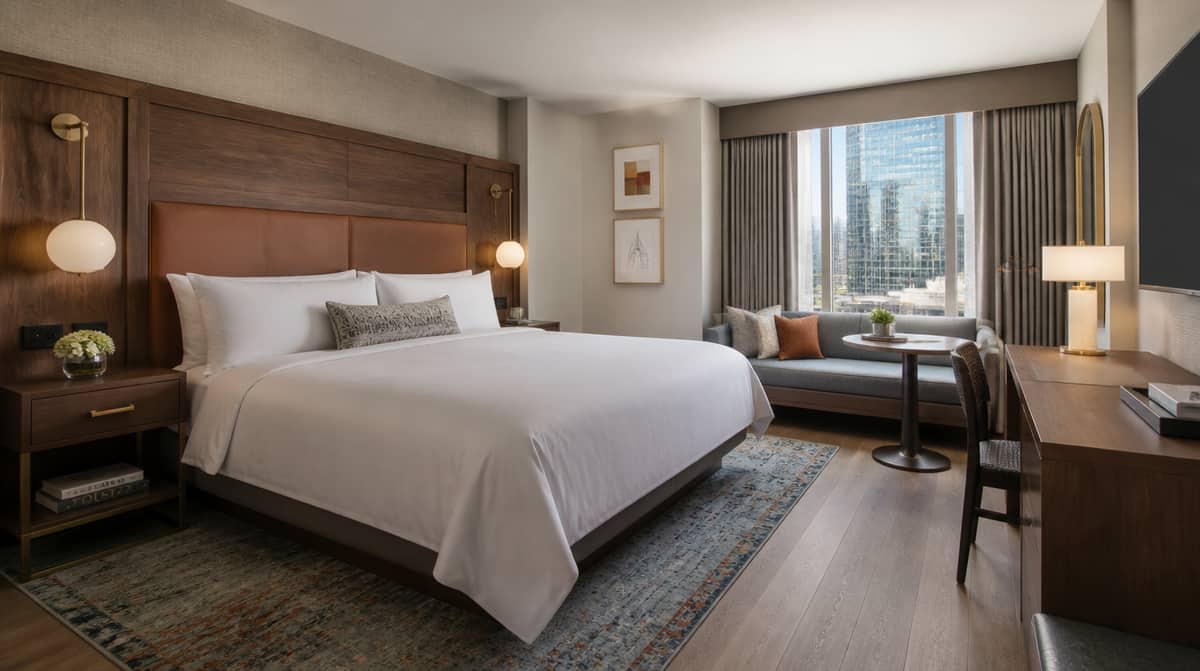
Most Providence renovations move in phases, one wing or floor at a time, so the rest of the property stays bookable through the work. That approach protects cash flow, but it demands a supplier who can hit staggered delivery dates without slipping. You are not placing one order and waiting for a truck. You are coordinating deliveries tied to specific construction handoff points, and a supplier who treats each shipment as its own transaction rather than part of one connected project will cost you a missed window eventually.
Get delivery windows and a named logistics contact in writing before you sign. Build the phased schedule into the procurement agreement itself, not into a verbal understanding that falls apart the first time a shipment runs late.
FF&E Lead Times: Work Backward From Your Opening Date
Custom and semi-custom contract furniture generally takes 12 to 18 weeks from order confirmation to delivery. That covers case goods, upholstered headboards and seating, bed frames, and anything using COM fabric or brand-specified finishes. If your project involves custom millwork or finish matching, which is common among the boutique properties in Federal Hill and the historic buildings converted to hotels around College Hill, add two to four weeks to that baseline.
For a Providence property targeting a reopening ahead of a major convention date or before the spring commencement rush, that math matters down to the week. Want rooms finished by early May for graduation weekend traffic? Furniture orders need to go in well before the holidays. Operators who wait until permits clear or demolition starts to think seriously about FF&E consistently end up choosing between two poor outcomes: order off the shelf and accept pieces that clash with the property's design, or miss the target date and absorb the lost revenue on some of the calendar's best nights.
New England winters add their own wrinkle. Providence gets real snow and cold, and outdoor or covered patio furniture, along with any rooftop program overlooking Waterplace Park, often runs on a separate production queue from interior guestroom pieces. Plan that portion of the order on its own timeline rather than assuming it will land alongside your case goods and seating.
Brand Standards and the Providence Design Context
Providence's hospitality market splits fairly evenly between flagged full-service properties Downtown and near the convention center, and independent or boutique hotels built into converted historic buildings around Federal Hill, the Jewelry District, and College Hill. Flagged properties operate under brand standard documents covering case good construction, fabric fire ratings, and minimum seating dimensions, and those requirements do not bend for a tight schedule. Independent properties have design freedom, but that freedom carries its own expectation: guests choosing a boutique hotel in a converted mill building or historic row house are choosing it specifically for character, and generic contract furniture undercuts the whole pitch.
For flagged properties, compliance review has to happen before you finalize specs, not after. A piece that looks right but fails a fire rating check or misses the flag's height minimums gets bounced, and your timeline absorbs the delay. Work with a supplier who keeps current brand standard files for the major flag groups and who checks your selections against them before production starts.
For independent Providence properties, your own design intent is the standard, so define it precisely before procurement begins. A supplier who asks about your guest profile, the building's architectural history, and your competitive set within Downcity or Federal Hill is worth far more than one who hands you a generic catalog and waits for a line-item order.
Delivery and Installation in an Operating Property
Getting furniture into a working Providence hotel without disrupting guests takes real logistical planning. Downtown properties near the convention center and Waterplace Park deal with tight street access and loading rules that get stricter during citywide events. Buildings converted from historic mills or commercial structures in Federal Hill and the Jewelry District often have narrow freight elevators, low clearances, or limited dock space that a standard delivery crew is not prepared to navigate. Properties near College Hill face their own access restrictions tied to steep grades and residential traffic patterns.
A supplier experienced with occupied Providence hotels already knows these constraints. They arrive with the right crew and equipment, and they build a delivery schedule around your property's operations instead of their own convenience. They coordinate with your front desk, engineering staff, and construction GC so furniture shows up staged for completed rooms rather than blocking a guest corridor or elevator bank.
Ask every supplier you're evaluating a direct question: have they delivered to occupied hotel properties in Providence or similar historic New England buildings before? What is their white-glove installation protocol for active buildings with limited access? A vague answer is a warning sign. You need real operational experience, not just a product catalog and a freight estimate.
The gap between a Providence renovation that opens on schedule and one that drags past every deadline usually comes down to procurement decisions made in the first month of planning. Treat FF&E as a core workstream from day one, and your renovation has a real shot at hitting the calendar it was built around.