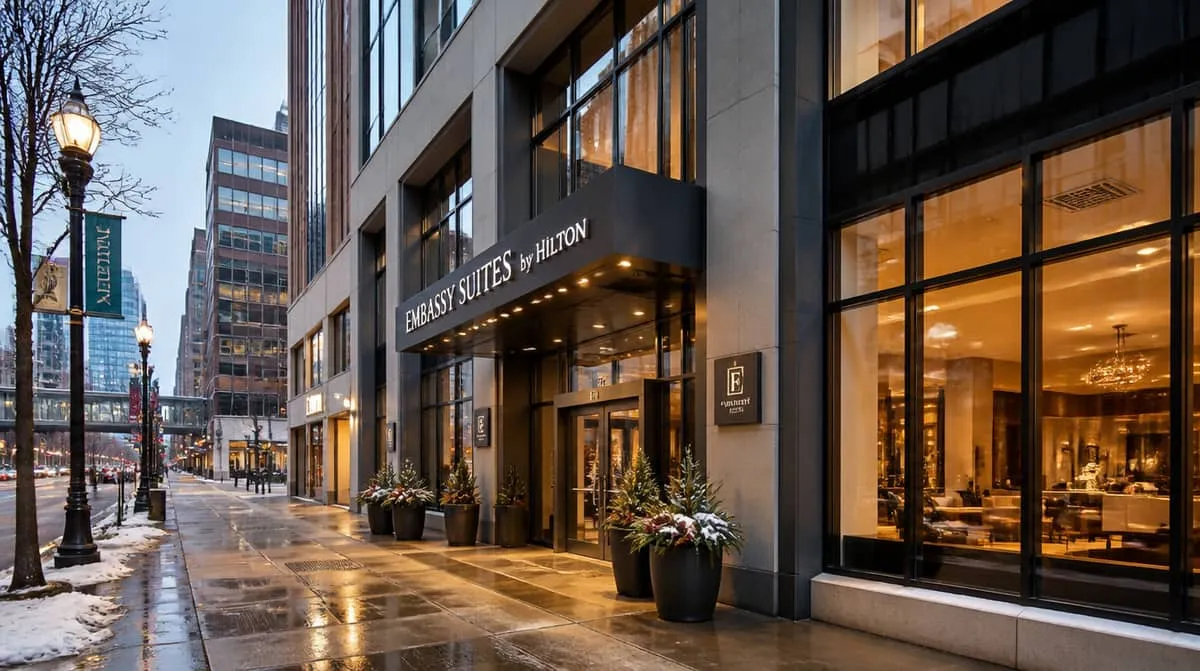
Hotel renovations in Minneapolis operate under a specific constraint: the convention and corporate travel market does not give properties extended slow periods to work with. Medical device industry events, association conferences at the Minneapolis Convention Center, corporate travel from Target, Best Buy, and General Mills headquarters accounts, and Mall of America-driven leisure demand in Bloomington create a calendar that stays active year-round. Renovation furniture decisions what to replace, when to deliver, how to phase the work have to be made with the operating calendar as a primary variable. A property that orders renovation furniture without building lead times against its convention calendar is setting up an operational problem before the project starts.
Assessing What to Replace and What to Keep
The first discipline in a hotel renovation furniture project is an honest condition assessment. Not everything in a hotel needs replacement on the same cycle. Hard goods casegoods, case pieces, bed frames, desk surfaces typically run longer than upholstered goods before showing wear that guests register as a quality signal. Upholstered pieces headboards, lobby seating, in-room chairs, corridor benches compress faster under sustained commercial use and tend to be the leading visible edge of a property's age.
A Minneapolis downtown corporate hotel that has been running heavy medical device and association conference business for five to seven years without an FF&E refresh will typically show it first in lobby seating and in-room upholstered pieces. High-resiliency foam compresses over heavy use cycles. Fabric along armrests and seat edges shows wear before structural failure. These are the pieces that drive negative perception in guest reviews even when the rest of the property is in good condition. Targeted upholstered goods replacement lobby lounge chairs, sofas, in-room chairs, headboards often delivers the highest guest perception return per renovation dollar.
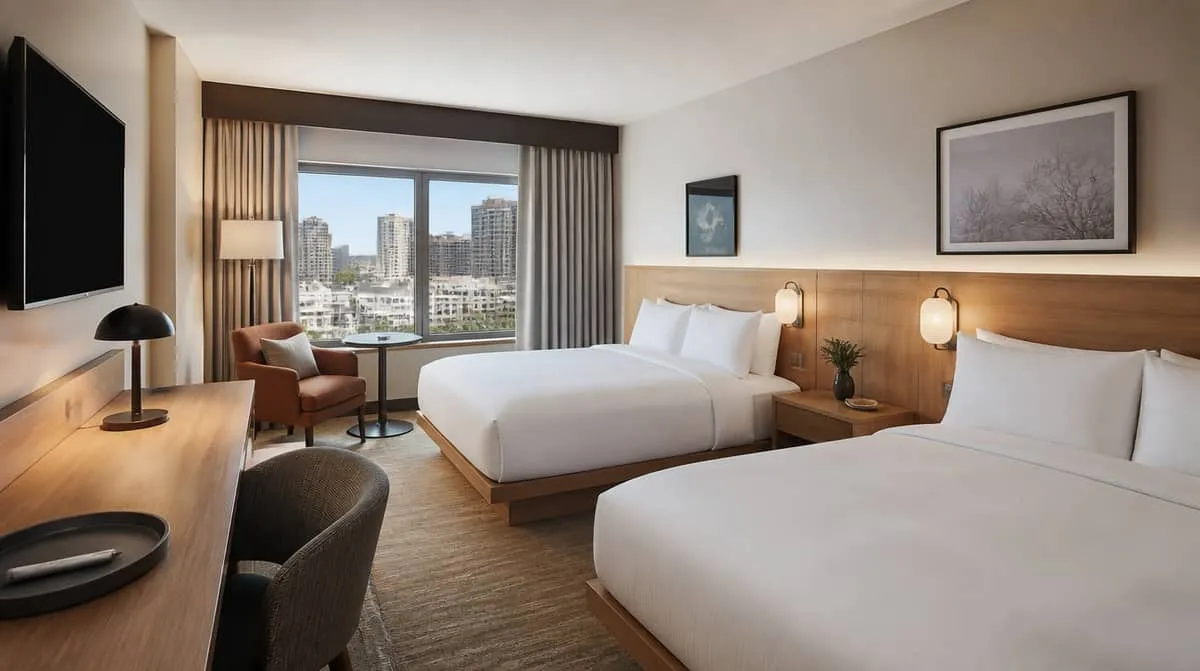
Casegoods and structural furniture typically justify full replacement at the twelve to fifteen year mark, or when a brand repositioning requires a new design language. For Minneapolis properties moving toward the Scandinavian-modern aesthetic that the market increasingly expects birch and ash tones, clean lines, warm neutrals a casegood and headboard replacement is the project that changes the guest room design identity most dramatically.
Renovation Phasing and the Minneapolis Convention Calendar
Renovation phasing for a Minneapolis hotel should be plotted against the convention calendar twelve months in advance. The Minneapolis Convention Center's event schedule is publicly available. US Bank Stadium events are known well in advance. Medical device industry conference seasons are predictable. Bloom properties near the Mall of America have a pattern of leisure demand peaks in summer and holiday periods. A renovation project that identifies the three or four lowest-occupancy weeks of the year and targets them for highest-disruption work full floor closures, lobby furniture replacement, elevator monopolization for freight deliveries manages guest experience and revenue impact simultaneously.
Banquet chairs and meeting room furniture replacement can often be phased into periods between major convention bookings. A hotel that keeps its ballroom dark for two weeks in February typically among the lighter convention months even in Minneapolis can execute a full banquet furniture replacement with minimal operational disruption if the order is placed with sufficient lead time (twelve to fourteen weeks minimum from order to delivery).
Lobby furniture replacement is higher disruption because the lobby cannot go dark. A phased approach replacing one seating cluster at a time while maintaining the overall lobby function is operationally cleaner than a full lobby furniture swap executed in a single day. Work with your supplier on delivery scheduling that supports a phased installation rather than a single-day drop.
Supplier Coordination and Lead Time Management
Renovation furniture procurement differs from new-build FF&E procurement in one important respect: the existing property is generating revenue while the renovation is in progress, which means every delivery and installation creates operational interference. A supplier who understands renovation project logistics phased delivery schedules, specific room or floor block timelines, freight elevator coordination is more valuable than one with slightly better unit pricing who cannot accommodate the scheduling complexity.
Lead times for upholstered renovation furniture run twelve to sixteen weeks from confirmed order. Casegoods run similarly. If your renovation is targeting a specific window in the convention calendar, back-calculate from that date to determine your order deadline. A renovation window in mid-February requires an order placed no later than late October or early November.
Establish a clear specification baseline before committing orders. Renovation projects often discover specification inconsistencies as they proceed a headboard size that does not fit the existing wall mounting, a casegood depth that conflicts with HVAC register placement. Build a five to eight percent contingency into both budget and timeline for specification revisions that surface after production has started.
For properties executing a full Scandinavian-modern refresh the design direction that fits the Minneapolis market coordinate the finish palette across all replacement pieces before any orders are placed. Headboard fabric, casegood stain, in-room chair upholstery, and lobby ottomans should read as a coherent specification. A single mismatched finish undermines an otherwise well-executed renovation.
Tell us about your Minneapolis hotel renovation furniture needs and we will turn your quantities, finishes, and timeline into a firm quote. Request a quote whenever you are ready to compare.