
Los Angeles hotels don't get quiet seasons. The entertainment industry keeps corporate travel steady year-round, rooftop bars in West Hollywood book out months ahead, and boutique properties in Silver Lake and Echo Park compete fiercely on design alone. When a property decides to renovate, the pressure is immediate. You need to refresh the space without losing revenue, without violating brand standards, and without leaving guests staring at bare walls while contractors work around them. That tension is exactly where hotel renovation furniture Los Angeles projects live and it's where the right FF&E supplier becomes essential.
Why LA Renovations Run on Tighter Timelines Than Most Cities
Hollywood film crews block-book entire hotel floors for months at a stretch. Award season fills WeHo boutiques through March. A property that goes fully dark for renovation risks losing those long-term booking relationships permanently. That's why most Los Angeles renovations run in phases: close one wing or floor at a time, refresh it, reopen it for revenue, then rotate to the next section.
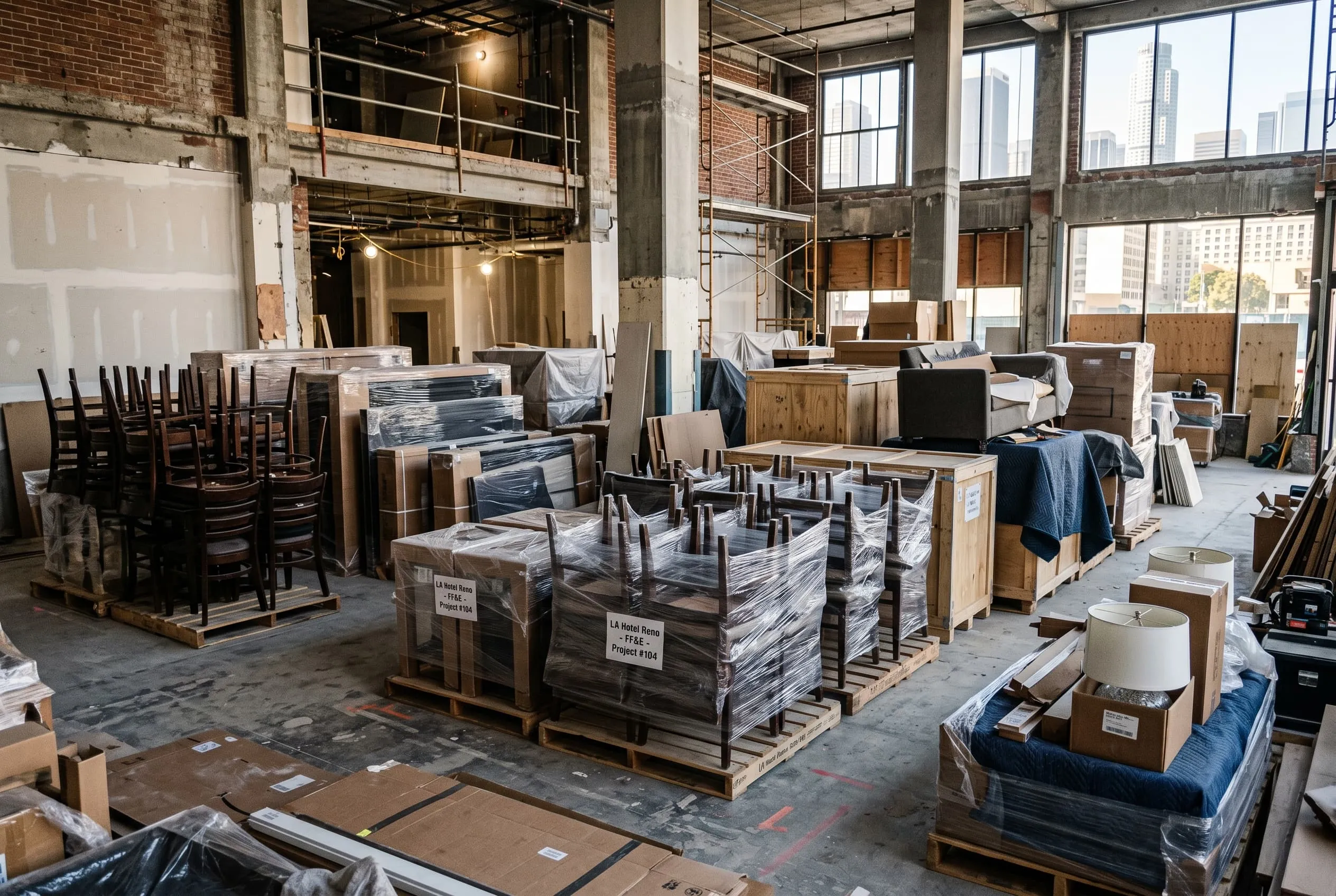
Phased renovation puts real strain on your furniture procurement. You're not placing one large order and waiting. You're running staggered orders on a rolling schedule, and each delivery window is narrow. If your FF&E supplier misses a window, your newly finished rooms sit empty while booked guests get redirected and that's revenue you won't recover.
Here is what you need to know before you sign anything: get clear lead times, written delivery windows, and a dedicated logistics contact from your supplier on day one. When you're sourcing hotel renovation furniture Los Angeles properties actually need that phased delivery model built into the agreement from the start, not treated as an afterthought you'll figure out later.
FF&E Timelines: What You're Actually Working With
Custom FF&E in the hospitality space typically runs 12 to 18 weeks from order confirmation to delivery. That covers case goods, upholstered seating, bed frames, and anything requiring COM fabric or custom finishes. If you're working with a design-forward supplier doing custom millwork or proprietary finishes to match your brand palette, add another two to four weeks on top of that.
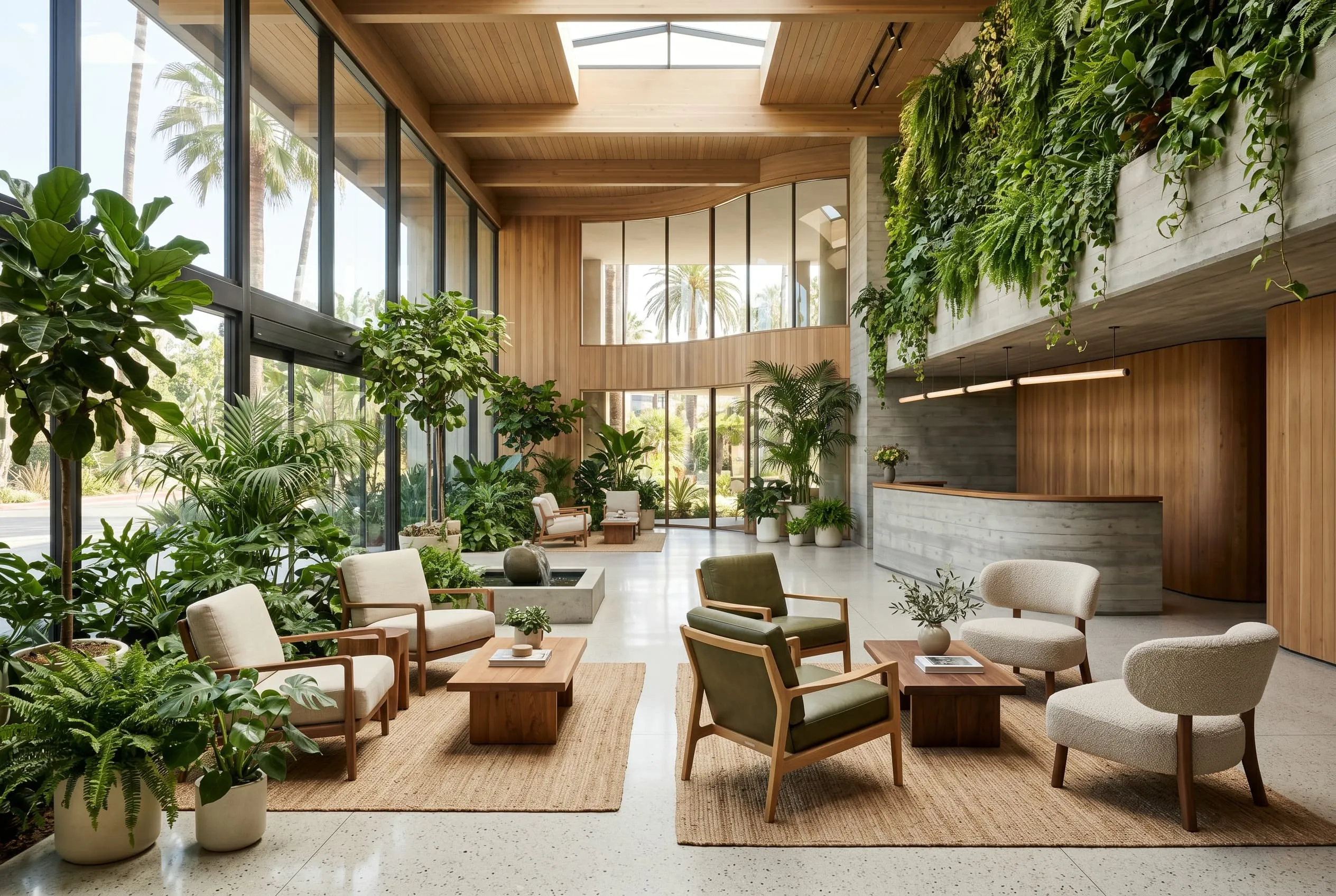
For a Los Angeles property trying to refresh ahead of a specific booking season, that math matters a lot. Want rooms ready by September for the fall entertainment industry rush? You need to be placing furniture orders in late spring. Wait until August to finalize specs and you're either buying off-the-shelf or you're opening late neither of which is a good outcome.
Repeat-use items like lobby seating, outdoor dining chairs for your terrace, and lounge pieces near the pool deck often have shorter lead times when the supplier carries contract-grade stock. Outdoor furniture is especially relevant here. LA's year-round climate means your rooftop bar and pool deck are active revenue-generating spaces in every month not just summer like most markets. That space doesn't get a rest period, so neither can your procurement timeline.
Brand Standards and the Design-Forward LA Market
Let me walk you through something most renovation teams underestimate: Los Angeles hospitality guests are more design-literate than almost any other market in the country. They notice when a refresh feels generic. The boutique properties along Abbot Kinney in Venice and the independent hotels in Los Feliz pull from local ceramics studios, California craft furniture makers, and independent textile designers because their guests specifically seek out that aesthetic. Even larger branded hotels in LA increasingly layer local design references into their FF&E packages to feel less like a chain and more like a destination.
That creates a specific challenge. You need furniture that passes brand standard review AND reflects the local design sensibility. Brand standards govern things like seating height minimums, fabric fire ratings, case good construction specs, and finish durability requirements. A piece that looks perfect but fails a fire code review gets rejected, and you're back to square one with your timeline blown.

The best approach is to work with an FF&E supplier who has existing brand standard files on record for major flag groups and who can cross-reference your selections before you finalize. That review process, done early, eliminates the costly back-and-forth that destroys renovation schedules. Ask specifically whether your supplier has handled flag compliance for properties similar to yours before you commit.
Keeping Rooms Operational During the Transition
The rooms that stay open during your renovation need to remain fully functional and fully furnished. That sounds obvious. But it creates a real logistics problem: your old furniture has to go somewhere when you pull it from completed floors, and your new furniture has to arrive staged and ready to install without cluttering active corridors or service areas.
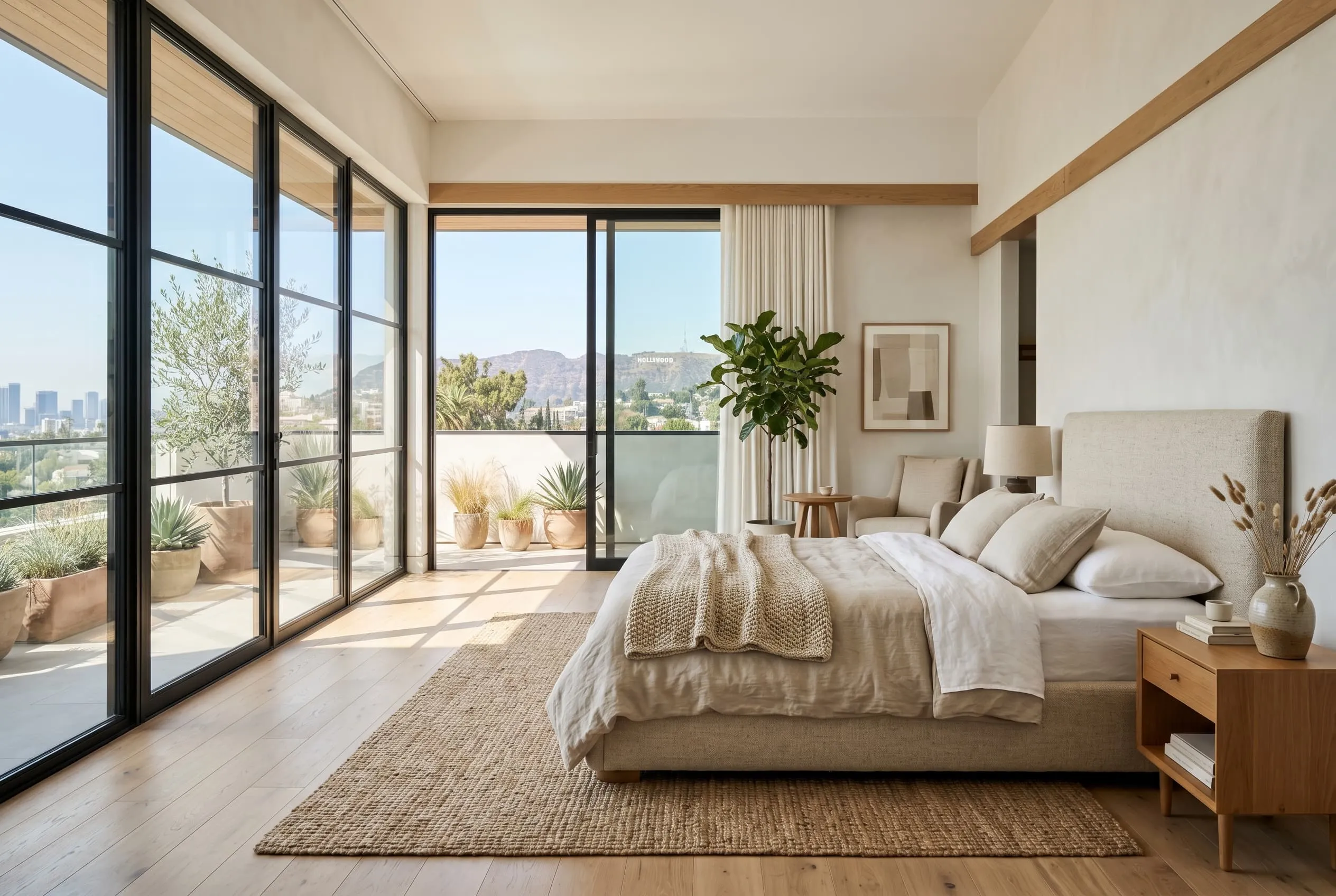
For hotel renovation furniture Los Angeles projects in dense urban locations Hollywood, Downtown, Koreatown this gets complicated fast. Street access is limited. Loading dock windows are short. Elevator access has to be scheduled around guest movement, and the city's traffic patterns mean delivery timing is not flexible the way it might be in a suburban market. A supplier with real experience in urban hotel deliveries in LA has already solved these problems. They show up with the right crew size, the right equipment, and they work within your property's operational windows rather than around them.
Here is a direct question worth asking every supplier you're evaluating: have they delivered to occupied hotels in Los Angeles specifically? What's their protocol for white-glove installation in active properties? If they can't answer clearly and specifically, that's your signal to look elsewhere.
When you approach hotel renovation furniture Los Angeles procurement this way treating the supplier relationship as operational as well as aesthetic you dramatically reduce the risk of a renovation that drags past its deadline and costs you far more than the furniture itself ever would have.
We quote hotel renovation furniture for Los Angeles operators against their own layouts and order sizes rather than a generic sheet. Request a quote and we will put together pricing for your property.
Related reading
- What is contract furniture
- Commercial furniture vs retail
- Hospitality furniture supplier guide
- Hotel headboards
- Guestroom dressers
- Nightstands and case goods
- Commercial furniture in California
Our take
Phased, floor by floor renovation is described as the standard Los Angeles approach, closing one section at a time to protect ongoing revenue, with a separate warning that a piece failing brand standard review, a fire code issue, for example, sends the project back to square one on that selection. In a single-order renovation, a rejected piece has schedule room to absorb a re-specification. In a phased renovation, each floor already has a narrow, sequential delivery window with no slack days built in, so a late-discovered brand standard rejection on one floor does not just delay that floor, it has nowhere to go in a schedule built floor by floor with revenue-protecting handoffs already locked.
The bottom line: Phased Los Angeles renovations should complete full brand standard review before finalizing specifications for any individual floor, since a rejection discovered late has meaningfully less schedule room to absorb in a floor by floor sequence than in a single-phase project.