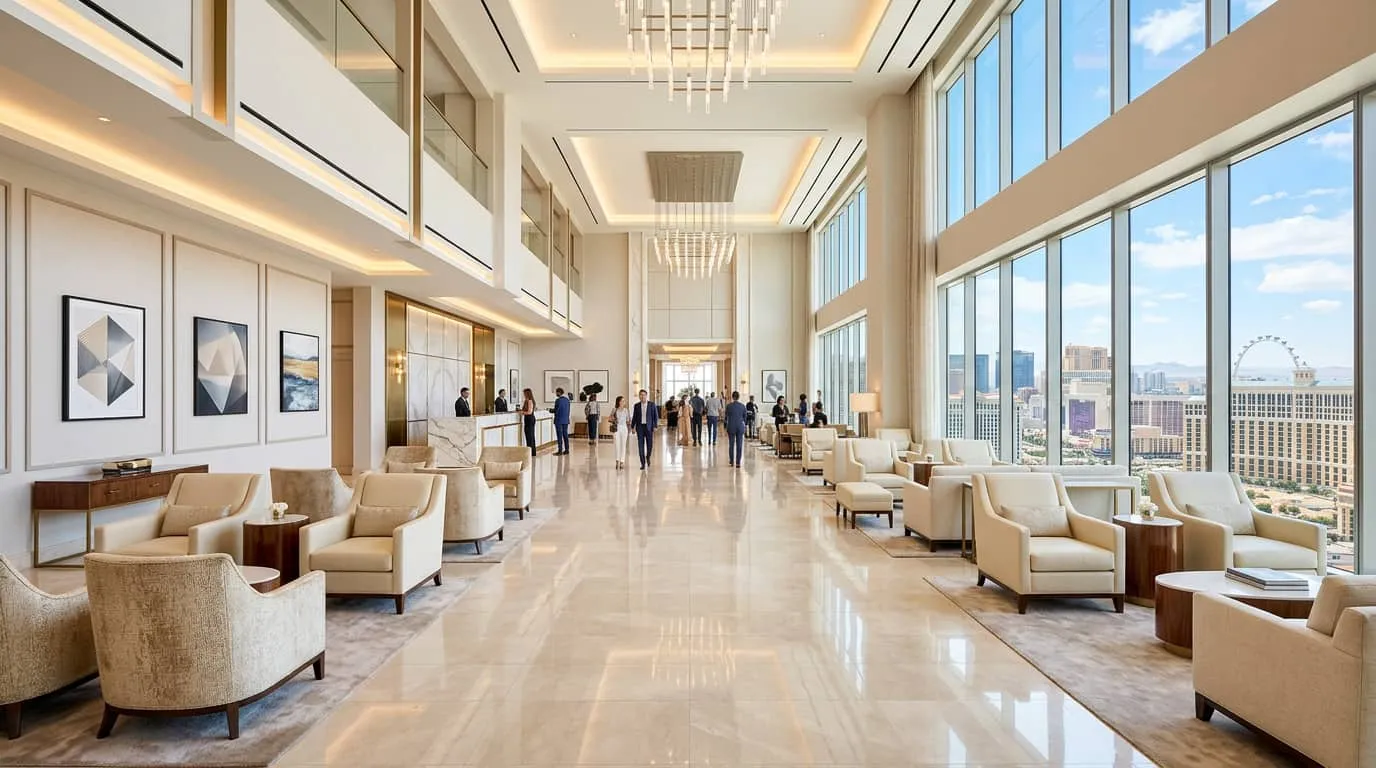
Hotel renovation in Las Vegas is a different project management exercise from renovation in most other cities. The combination of high sustained occupancy, a convention calendar that fills the market for weeks at a time, and casino ownership structures that drive aggressive renovation cycles creates compressed execution windows and zero tolerance for procurement delays. A renovation that misses its installation window because furniture did not arrive on schedule is not just a cosmetic problem it is a revenue event. Rooms that cannot be occupied cost money on a nightly basis, and in Las Vegas, nightly rates mean the cost of delays accumulates fast. If you are managing a hotel renovation furniture Las Vegas project whether a full property FF&E refresh, a phased guestroom renovation, or a targeted public space upgrade your procurement timeline and supplier relationships are as important as your design choices.
Understanding Las Vegas Hotel Renovation Cycles
Las Vegas casino properties renovate on aggressive schedules driven by brand competition and guest expectation. On the Strip, guests have dozens of options within walking distance, and a property that looks dated relative to its competitors loses bookings. Casino ownership structures where individual properties are often part of large hospitality groups managing multiple assets create internal pressure to maintain and elevate design standards across the portfolio.
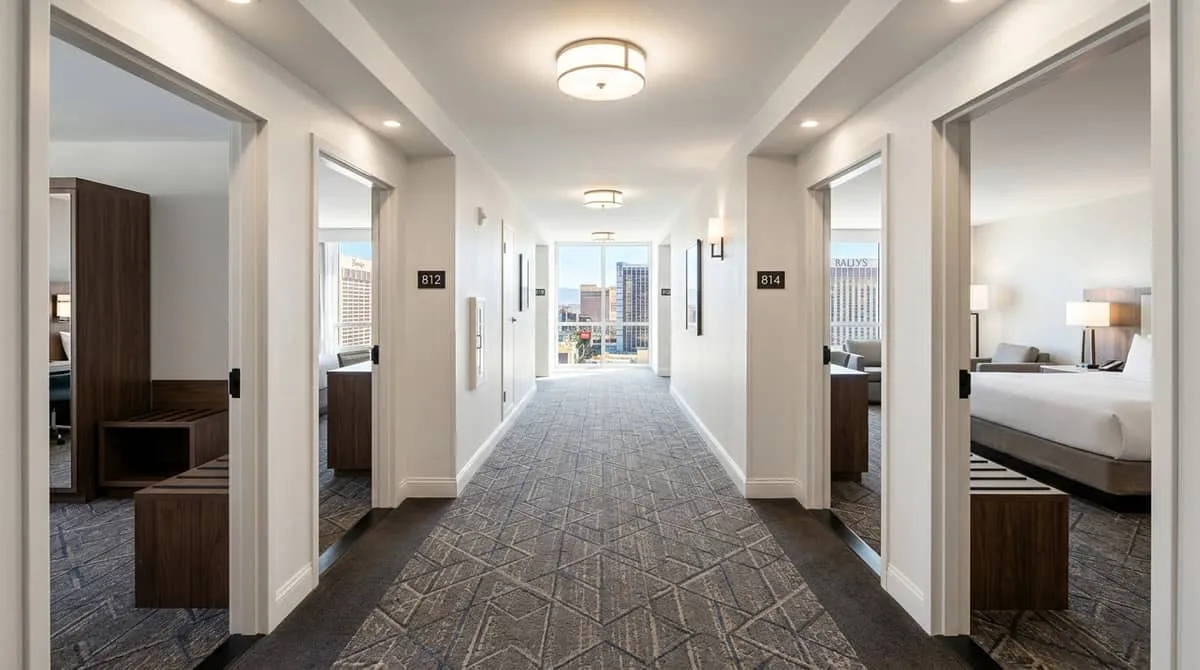
The practical result is that Las Vegas hotels renovate more frequently than comparable properties in most markets. Guestroom furniture programs often run on seven to ten year cycles, with soft goods refreshed more frequently. Public spaces lobby, restaurant, bar, pool deck may see renovation on a four to six year cycle in highly competitive Strip locations. That velocity of renovation creates continuous demand for commercial hotel furniture in a market that is already large by any measure.
Boutique properties in the Arts District and along Fremont Street operate on different renovation cycles than casino hotels, but face their own deadline pressures. An independent boutique property may renovate every five to seven years, but the renovation often represents a significant investment relative to total property value, and the deadline is frequently tied to ownership milestones or financing events that cannot be moved. Getting procurement right on those projects is just as critical as on a Strip property, even though the unit count may be a fraction of the size.
Convention and suburban hotels in Henderson and Summerlin renovate on cycles that reflect their corporate travel primary market. Those guests have consistent expectations around room quality, and the corporate travel managers who negotiate room block contracts use renovation age as one factor in property selection. Staying current on furniture and case goods is a business development investment for these properties, not just a cosmetic one.
Procurement Timeline for Las Vegas Hotel Renovations
The number that shapes every hotel renovation furniture Las Vegas procurement is lead time. Commercial furniture is not sitting in a warehouse waiting for your purchase order. It is manufactured to order, and the elapsed time from order release to delivery at your property averages 10 to 14 weeks for upholstered pieces, six to eight weeks for standard catalog commercial seating, and four to eight weeks for case goods depending on finish selection and complexity.
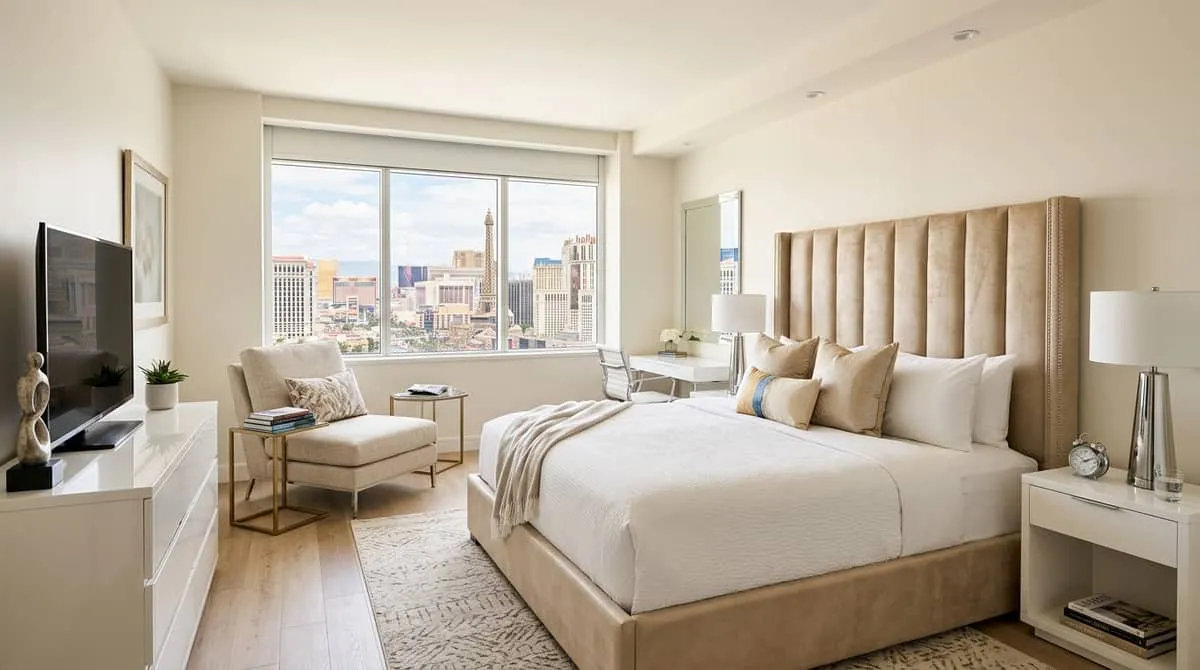
Add the front-end time design specification, sample review, COM fabric approval, ownership sign-off and you are looking at five to six months minimum for a full FF&E project before a piece of furniture reaches your guestrooms. For complex projects with custom upholstery, bespoke case goods, or multiple product categories requiring sequential approvals, seven to eight months from first supplier conversation to final installation is realistic.
The Las Vegas convention calendar turns this timeline into a puzzle. The Las Vegas Convention Center is one of the largest convention facilities in the world, drawing major shows including CES in January, CONEXPO in March, NAB in April, and a dense rotation of events through the fall. Those weeks bring near-full occupancy to hotels across the metro area. You cannot install guestroom furniture in occupied rooms which means your renovation window closes for the duration of any major convention draw.
An experienced hotel renovation furniture supplier will help you map your procurement timeline against the convention calendar and identify the real windows for installation. January after the holidays and before CES is often the first viable window of the year for many properties. The brief gap between summer and the fall convention season is another. Phased renovations working floor by floor or wing by wing can extend a renovation across multiple windows rather than requiring a single continuous installation period.
Managing Phased Renovations and Partial Occupancy
Las Vegas hotel renovations are rarely executed with the entire property offline. Casino-adjacent hotels cannot afford the revenue loss of a full property closure, and most ownership structures require renovation to proceed while maintaining occupancy elsewhere in the building. That means phased FF&E delivery coordinating multiple smaller deliveries across an extended timeline rather than a single large delivery is the standard approach.
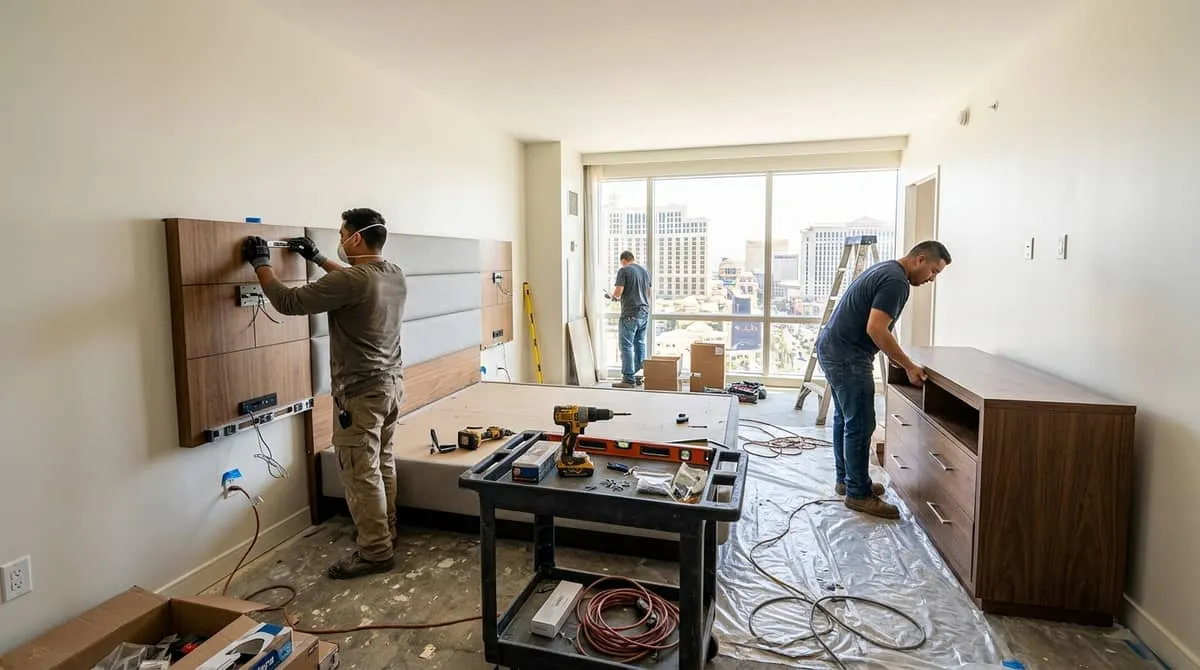
Phased procurement requires a supplier with genuine project management capability. Each phase needs its own delivery schedule, coordinated with the contractor's renovation progress. Guestroom furniture cannot arrive before the room is ready to receive it, but it also cannot arrive late without creating a scheduling cascade. The coordination between your renovation contractor, your hotel operations team, and your furniture supplier is a three-party logistics exercise that requires all three to communicate accurately and proactively.
A supplier who has managed phased hotel renovation deliveries in Las Vegas will have the freight and receiving infrastructure to handle this. They will also understand the specifics of delivering to a property that is partially operational loading dock protocols, the need to protect finished public spaces during furniture moves, elevator capacity constraints in high-rise properties, and the operational sensitivity around noise and disruption during renovation.
Suppliers who primarily serve retail clients or smaller commercial projects may be technically capable of supplying the furniture but lack the project management experience to coordinate a phased delivery at hotel scale. Ask specifically about their experience with hotel renovation projects in Las Vegas or comparable markets, and ask for references you can actually contact.
Case Goods, Upholstery, and Material Specifications for Renovation
Hotel renovation furniture in Las Vegas needs to be specified for durability from the outset. Selecting pieces that look right but carry residential-grade construction means your renovation investment degrades in years rather than decades.
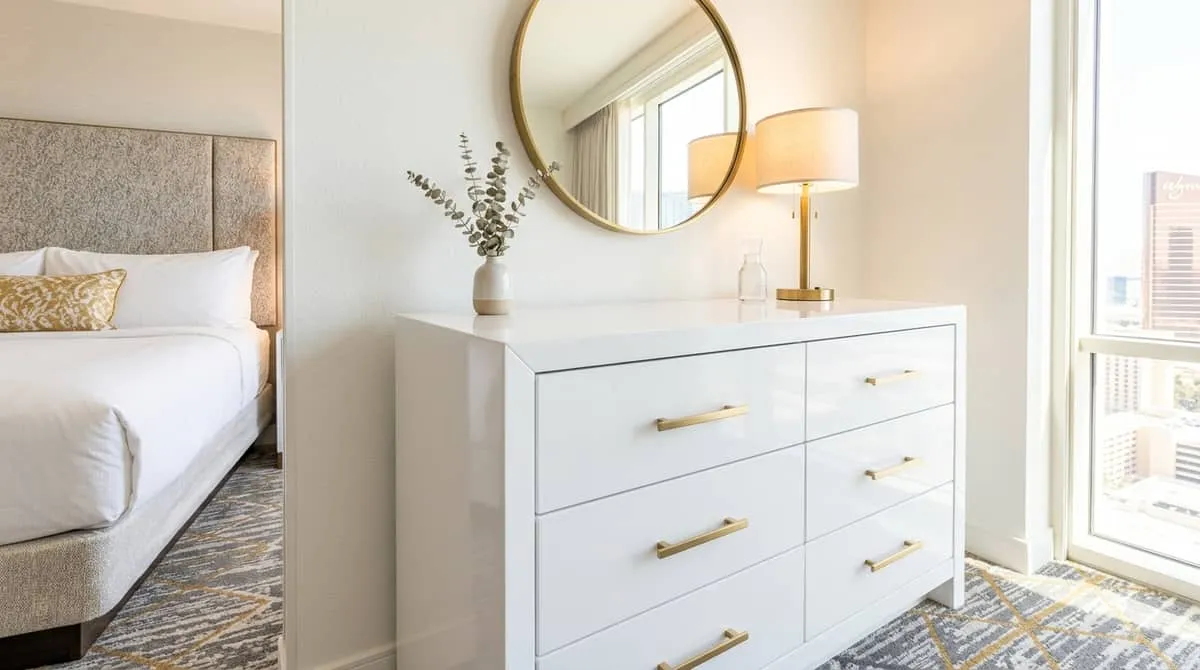
Case goods nightstands, dressers, media consoles, desks are the most frequently overlooked category in hotel renovation specification. The visual impact of case goods is modest compared to upholstered headboards and statement seating, so they receive less design attention. But case goods take daily physical impact in guestrooms drawers opened and closed hundreds of times per year, surfaces loaded with luggage and guest belongings and inadequately specified case goods show wear and damage within a few years of commercial use.
Commercial hotel case goods should be constructed with MDF or solid wood panels, not particleboard, with dove-tail or box-joint drawer construction and full-extension metal drawer slides. Edge banding should be applied with heat-activated adhesive, not pressure-sensitive tape, which delaminates under cleaning chemical exposure. Surface finishes should be catalyzed lacquer or conversion varnish not furniture polish finishes that can be cleaned with commercial housekeeping products without clouding or crazing.
Upholstered pieces headboards, seating chairs, lounge pieces should specify commercial-grade foam with density ratings of 1.8 pounds per cubic foot or more, and fabric with double-rub ratings appropriate to the location: 50,000 minimum for guestroom seating, 100,000 or more for lobby and public space pieces. Fire resistance compliance California TB 117 or TB 133 depending on the piece and jurisdiction is a baseline requirement, not an optional upgrade.
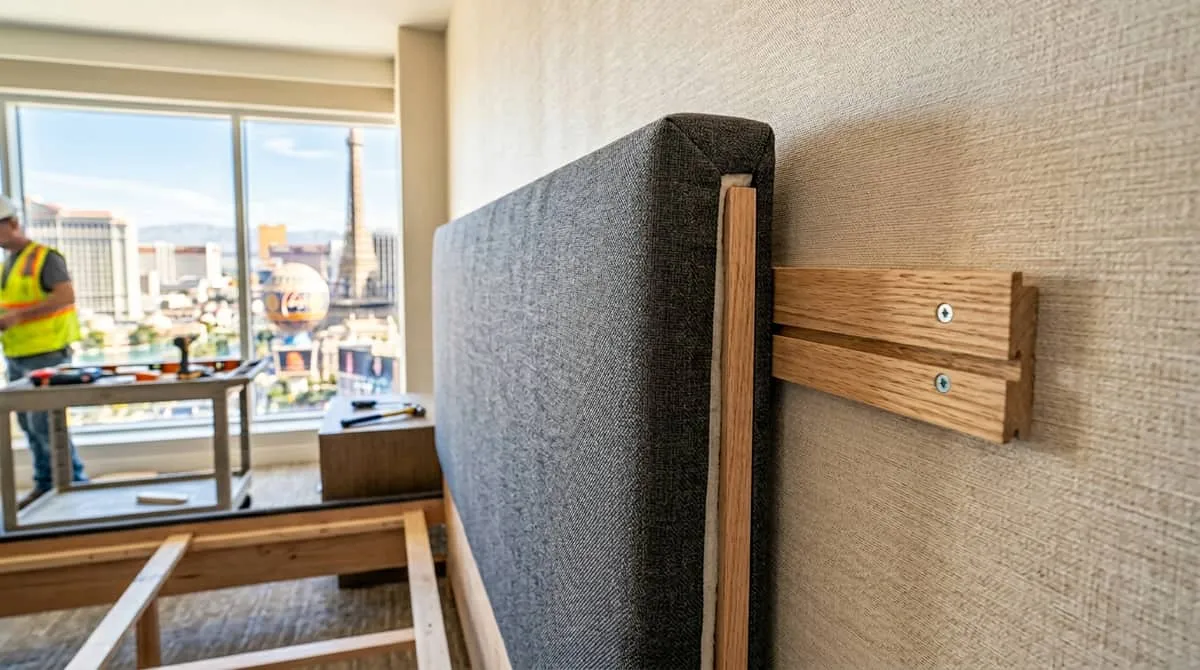
Bringing all of these specifications together requires a supplier who is fluent in commercial construction standards, not just retail aesthetics. The renovation investment you make in Las Vegas needs to last its intended service life under demanding conditions and the right supplier makes that possible.
We quote hotel renovation furniture for Las Vegas operators against their own layouts and order sizes rather than a generic sheet. Request a quote and we will put together pricing for your property.