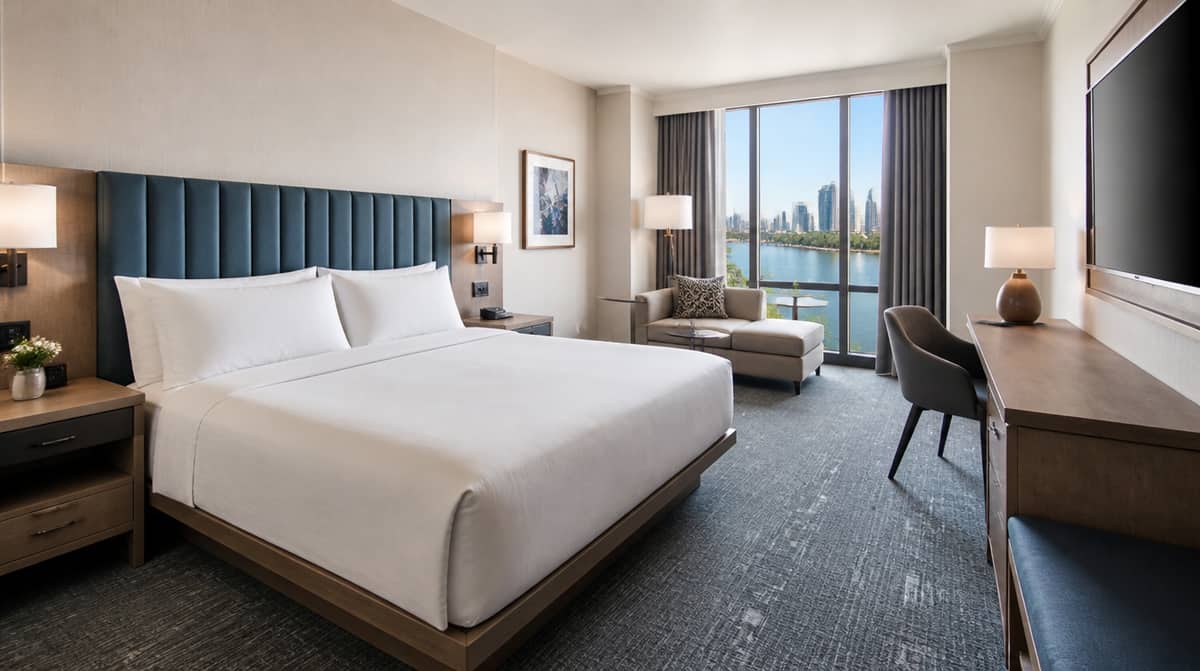
Cheyenne's hospitality market doesn't behave like a big metro, and that's exactly why hotel renovation furniture Cheyenne procurement needs its own playbook. This is a capital city and a rail and interstate crossroads, not a convention megacenter, and the properties that do well here compete on reliability and character rather than sheer room count. Cheyenne Frontier Days turns downtown and the Lincolnway corridor into the busiest ten days of the year every July, drawing rodeo fans and event traffic that fills every property from the historic depot district out to the interchange hotels near I-80 and I-25. Outside that window, the market is steadier and more budget-disciplined, driven by state government travel, F.E. Warren Air Force Base visitors, energy sector business, and highway travelers moving through on I-80. Renovate into that rhythm without a plan, and you'll either miss Frontier Days entirely or sink money into a refresh the market can't support.
Cheyenne's Renovation Window Is Short and Weather-Dependent
Frontier Days sets the hard deadline for any Cheyenne property near downtown or Lincolnway. Properties that renovate hoping to reopen ahead of the rodeo and its concert lineup need furniture on-site and installed well before the crowds arrive, because there is no second chance at that revenue until next July. Miss that window and you're carrying renovation costs through an entire slow season before the market gives you another shot at premium rates.
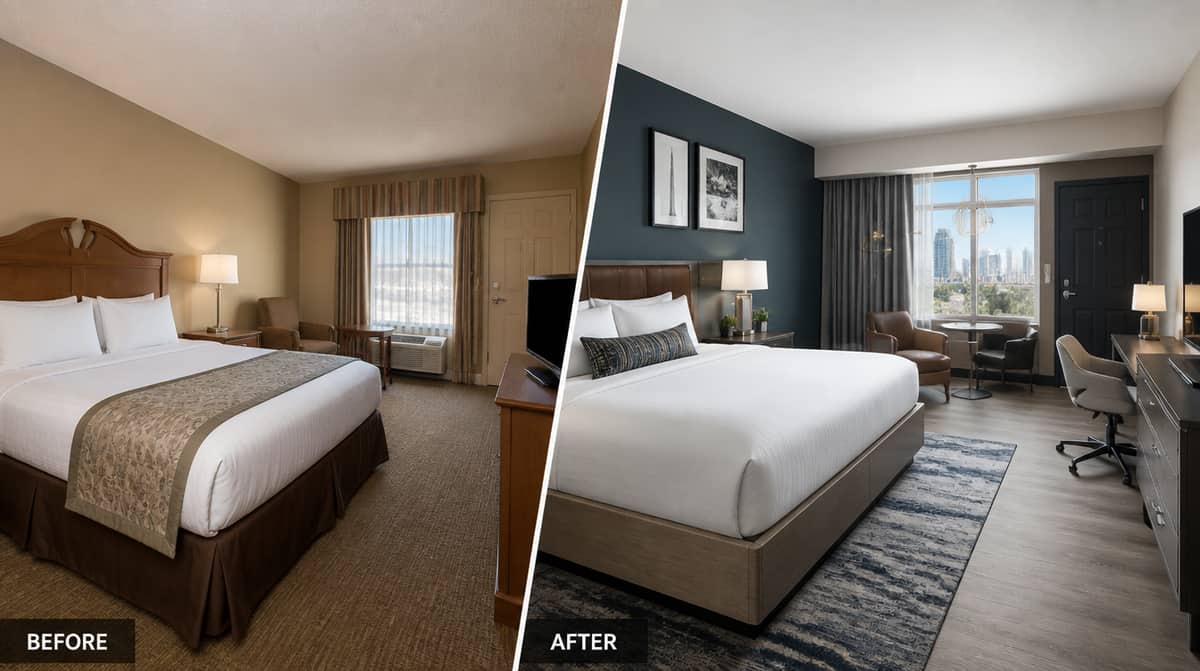
Winter adds a second constraint most FF&E suppliers outside Wyoming don't plan for. I-80 across southern Wyoming closes for wind and snow more often than almost any interstate corridor in the country, and Cheyenne sits right at the junction with I-25. A freight delivery scheduled for a Tuesday can sit in a truck yard in Laramie or on the Colorado line for days waiting for the highway to reopen. Properties near the airport, along Dell Range Boulevard, or in the interchange cluster by the outlet mall all depend on that same route for incoming freight. Build weather buffer into your renovation schedule the same way you build in construction contingency, because in Cheyenne, the two risks are just as likely to hit your opening date.
Before signing with any supplier, ask specifically how they handle winter freight disruption on the I-80 corridor. A supplier that has never routed a delivery through Wyoming in January will not have a real answer, and that gap becomes your problem the week your rooms are supposed to reopen.
FF&E Lead Times: Work Backward From Frontier Days
Custom and semi-custom contract furniture typically runs 12 to 18 weeks from order confirmation to delivery. That covers case goods, upholstered headboards and seating, bed frames, and anything requiring COM fabric or brand-specified finishes. Add extra buffer for the Cheyenne market specifically, since winter freight delays are common enough here that a supplier without a documented weather contingency plan is a real risk to your schedule, not a theoretical one.
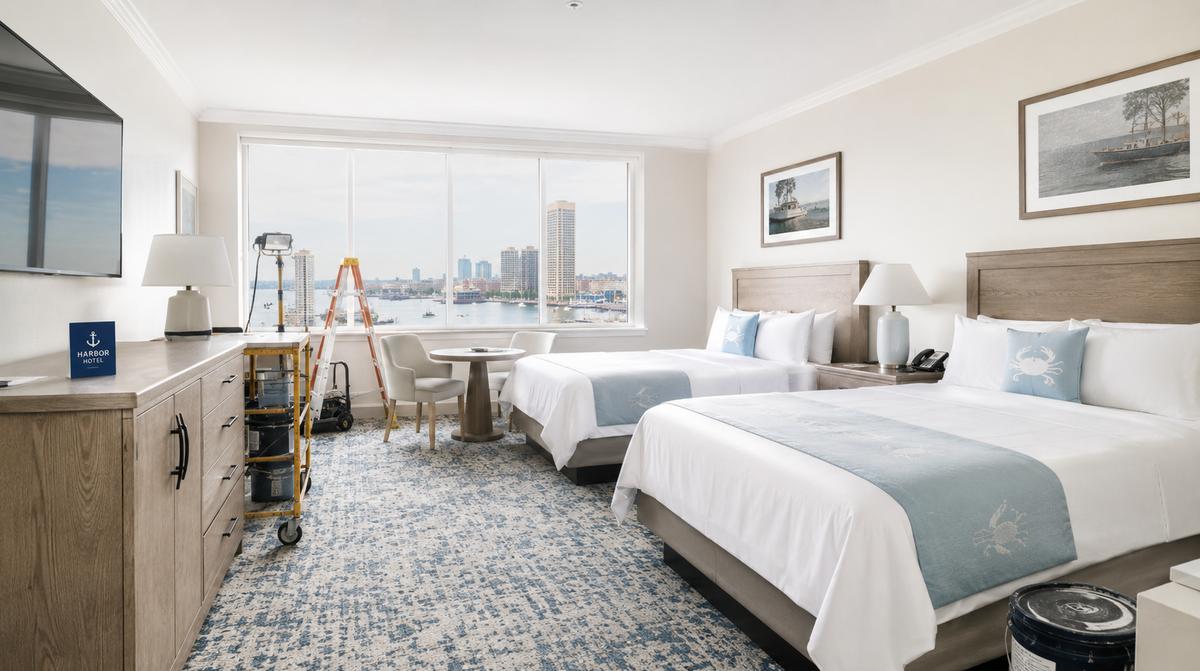
If you're targeting a reopening ahead of Frontier Days in July, that means placing furniture orders no later than late winter, well before the ground even thaws on any exterior construction work. Operators who wait until spring permits clear to think about FF&E procurement routinely end up choosing between off-the-shelf furniture that doesn't match the property's design intent, or missing the one event that defines the whole year's revenue.
Outdoor and patio furniture needs its own separate timeline in Cheyenne. This is a high plains climate with intense wind, hail, and UV exposure in summer, and genuinely brutal cold in winter. Furniture for any exterior patio, courtyard, or rooftop space needs to be rated for that swing, and pieces built for milder climates will fail fast here. Don't assume outdoor furniture ships on the same production schedule as your guestroom order, because it usually doesn't.
Brand Standards in a Lean, Practical Market
Cheyenne's hotel inventory leans heavily toward flagged select-service and extended-stay properties clustered along Lincolnway, near the airport, and at the I-80/I-25 interchange, with a smaller set of independent and historic properties closer to the Union Pacific Depot and downtown's brick warehouse district. For flagged properties, brand standard documents govern case good construction, fabric fire ratings, and mattress specifications the same way they would anywhere else, and Cheyenne's market gives you no extra slack on compliance just because it's a smaller city.
Independent properties near the depot and historic downtown compete on character rather than square footage, drawing travelers who want a sense of place tied to Cheyenne's rail and ranching history. Furniture in those rooms needs to read as durable and regionally appropriate rather than generic, since guests choosing an independent property downtown are specifically opting out of the chain experience. Work with a supplier who asks about your property's history and guest profile before sending a catalog, not after.
For flagged properties, get brand standard cross-referencing done during the planning phase. A piece that misses a fire rating or a seating height minimum gets rejected on delivery, and in a market with limited local FF&E inventory to fall back on, that rejection can cost you weeks you don't have before Frontier Days.
Delivery and Installation Without Disrupting Operations
Getting furniture into a functioning Cheyenne hotel without disrupting guests takes real coordination, even in a market this size. Properties along Lincolnway and near the airport typically have straightforward loading dock access, but downtown properties near the depot district work within a tighter historic footprint that limits truck staging and freight elevator use. Interchange properties near I-80 and I-25 see heavy commercial and RV traffic that can complicate delivery timing during peak travel season.
A supplier experienced in the region already accounts for these constraints and, critically, has a real answer for how they handle winter freight delays without leaving your rooms half-furnished. They coordinate with your front desk, your engineering team, and your general contractor so new furniture arrives staged and ready for completed rooms, rather than sitting in a hallway during an active renovation.
Ask every supplier a direct question: have they delivered to occupied hotel properties in Wyoming, and what happens to your schedule if I-80 closes for three days mid-delivery? A vague answer there is the clearest signal you'll get before you sign.
The renovations that open on time in Cheyenne are the ones where FF&E procurement started as early as the construction plan itself, with weather risk built in from day one rather than discovered in January.