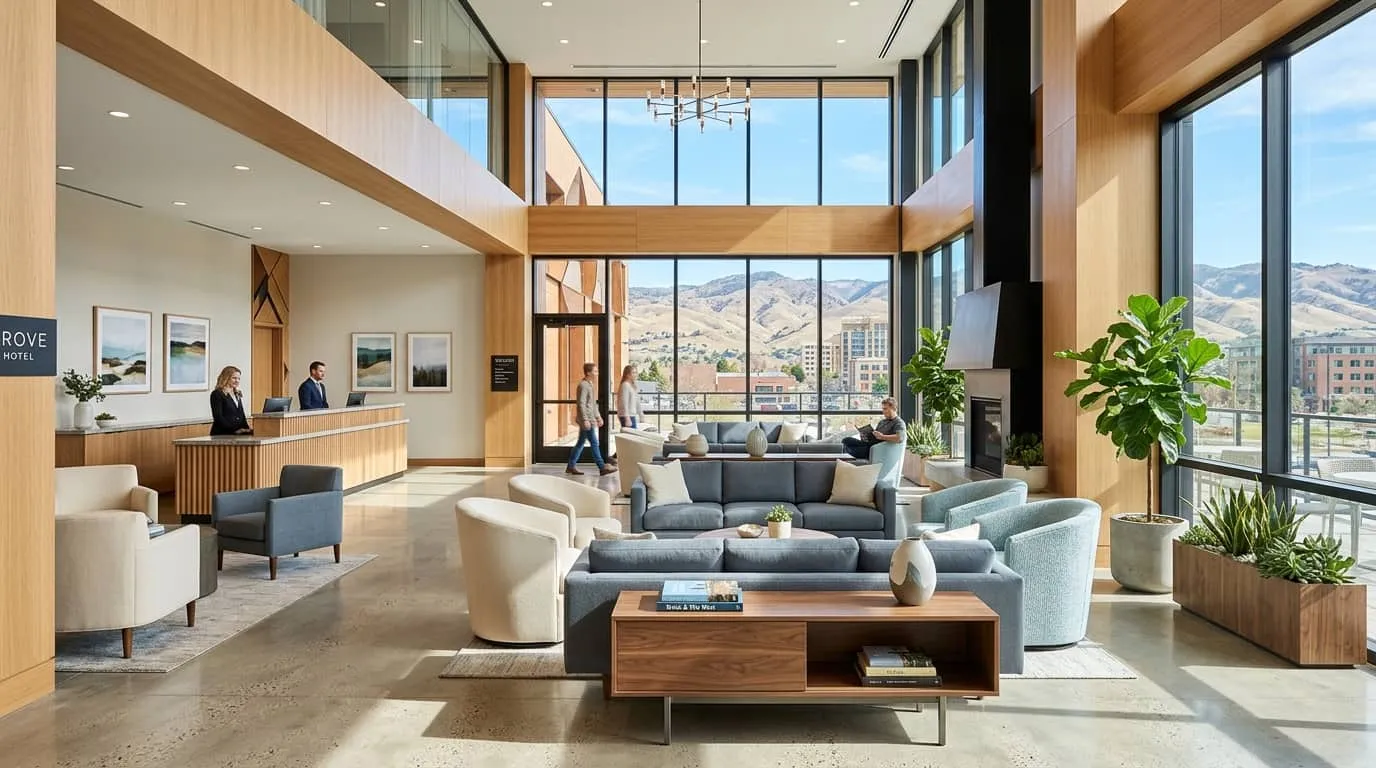
Hotel renovation activity across the Treasure Valley has picked up as properties built during Boise's earlier growth phase reach the end of their original FF&E lifecycle, and as operators recognize that the guest profile in the market has shifted enough to require a meaningful upgrade. A property that competed effectively in 2018 with a standard mid-market furniture program is now competing against newer boutique concepts near BoDo and the Boise River Greenbelt and against full-service flags that have recently refreshed their Boise locations. The renovation conversation is no longer about maintenance. It is about repositioning.
When Renovation Becomes a Strategic Necessity in Boise
The indicators that a hotel renovation has moved from optional to necessary are visible in the data before they become visible in occupancy numbers. Review sentiment is the leading indicator. When guests begin mentioning dated furniture, worn upholstery, or rooms that feel tired relative to the rate, the repositioning clock has started. In Boise's current market, that clock moves faster than it did because the reference set for a Boise hotel guest now includes experiences in San Francisco, Portland, and Austin brought by the tech-sector migration.
The Boise market also creates specific renovation pressures tied to event volume. Properties near Boise Centre see groups that include event planners and corporate travel managers who make hotel recommendations based on physical condition. A renovated property can shift from a lower-tier to a preferred recommendation in that network within a season of the renovation completing. The revenue impact of that shift justifies a furniture program that would look aggressive on a spreadsheet evaluated in isolation.
Seasonal demand patterns matter to renovation timing. The Bogus Basin ski season drives winter occupancy across the Boise metro. Summer outdoor recreation along the Boise River Greenbelt, in the Boise Foothills, and across the wider Treasure Valley creates a second demand peak. Scheduling renovations to avoid both peaks while leaving enough post-renovation operating time to generate reviews before the next peak is the ideal sequencing, and it requires accurate lead time planning for your furniture program.
Planning the Furniture Scope of a Hotel Renovation
Most hotel renovations have a defined FF&E budget that needs to be allocated strategically across multiple space categories. The allocation decisions that maximize return on renovation investment in Boise follow a consistent logic.
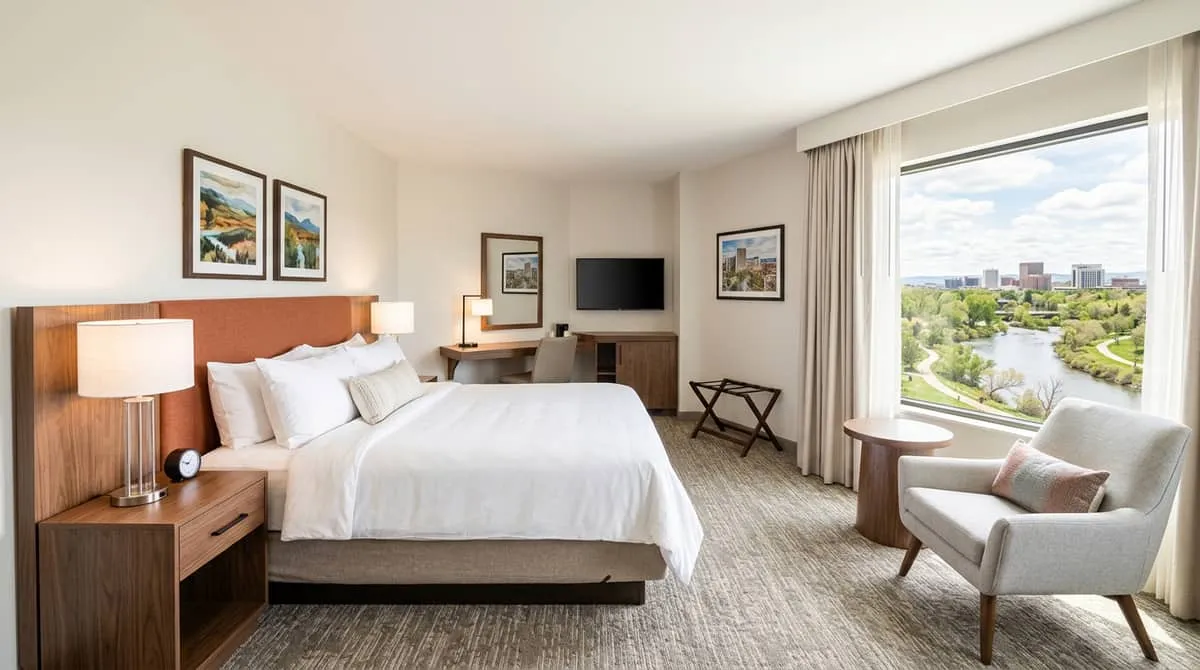
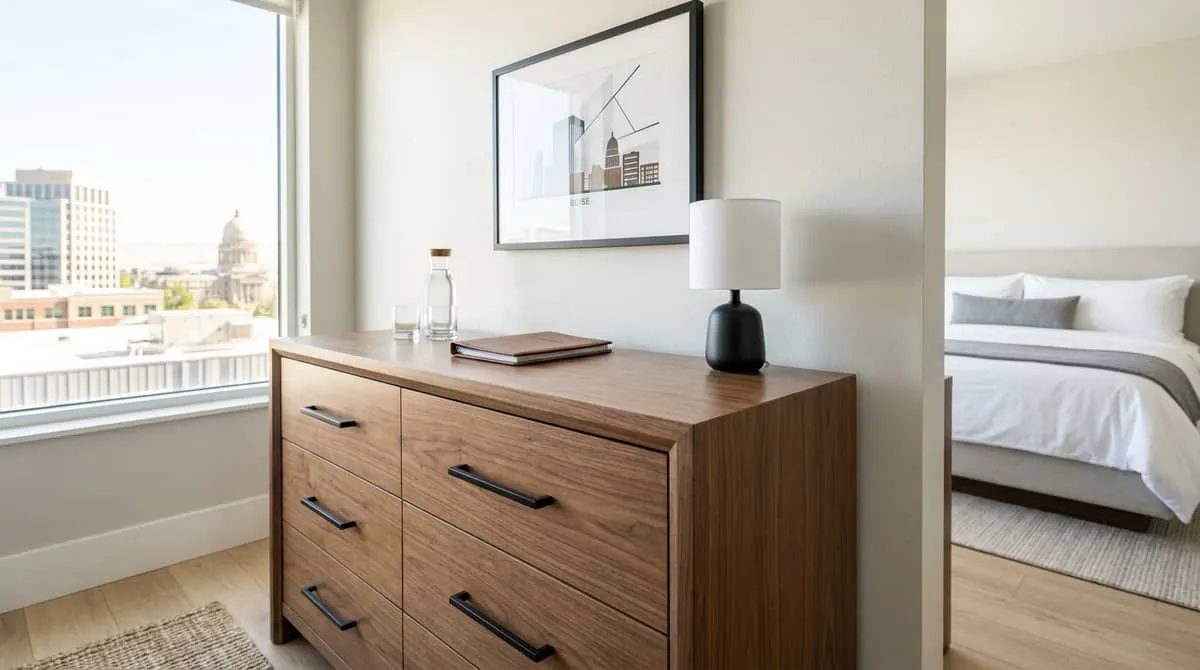
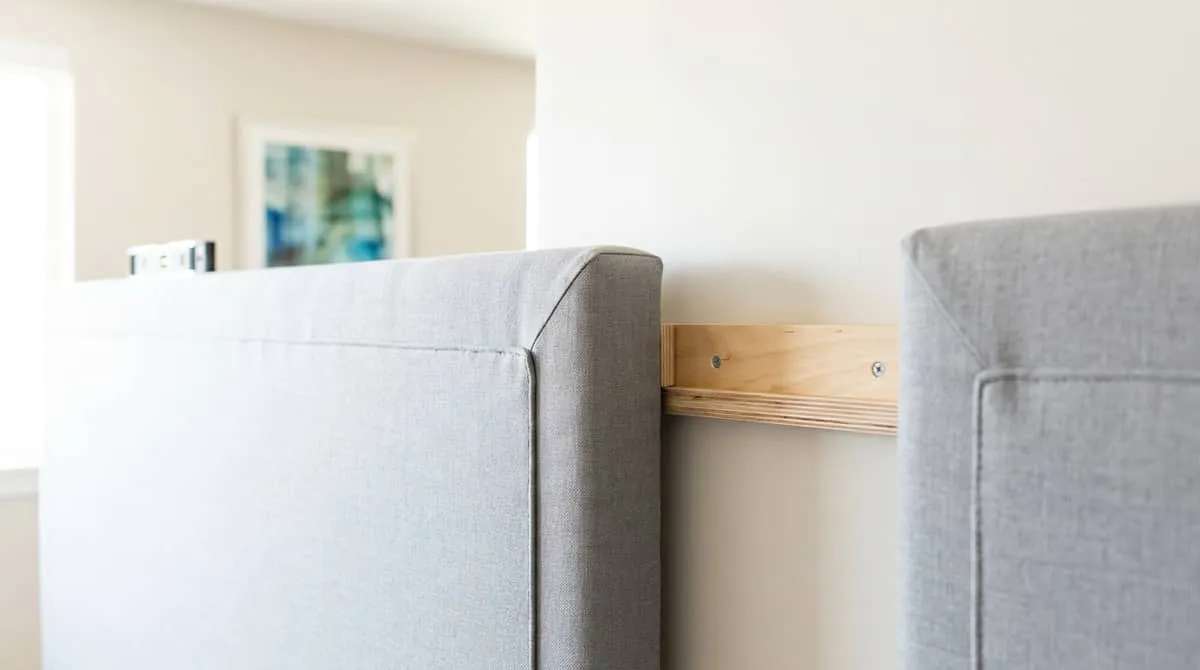
Guest rooms generate the revenue, and guest room furniture should receive the largest allocation. Within guest rooms, the headboard wall and the seating element, whether that is a chair and ottoman or a sofa bench at the foot of the bed, have the highest guest-perception impact per dollar spent. Case goods, nightstands, dresser or credenza, and desk surfaces, are evaluated for quality and finish condition but tend to have lower replacement priority if the existing pieces are structurally sound and finishes can be refreshed.
Public spaces have high impact on first impression and review language but do not generate revenue directly. Lobby furniture replacement has an outsized effect on how guests narrate their stay in reviews. Many guests describe a hotel in terms of the lobby experience before discussing the room. For a Boise property repositioning against newer competition, a lobby furniture refresh often delivers more review impact per dollar than additional spending in guest rooms beyond the essentials.
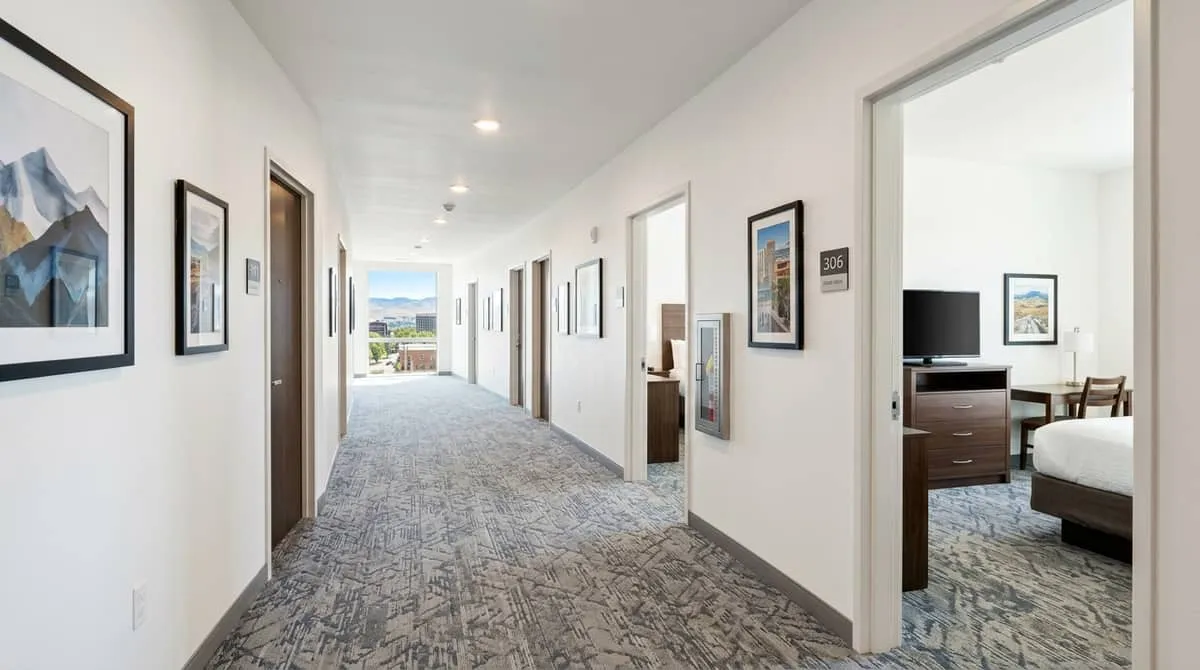
Corridors and elevator lobbies are often deferred in renovation budgets because they do not feel like primary guest touch points. In practice, they are the spaces guests see every time they leave or enter their room. Artwork, millwork, and seating vignettes in corridor landings contribute meaningfully to whether a renovated property reads as fully updated or partially finished. Budget for them proportionally rather than eliminating them entirely.
Managing Lead Times in a Boise Hotel Renovation
Hotel renovation furniture procurement requires earlier action than most operators initiate. The gap between when a renovation plan is approved and when furniture orders need to be placed is almost always shorter than it appears, because custom production lead times and freight delivery windows eat into the available calendar rapidly.
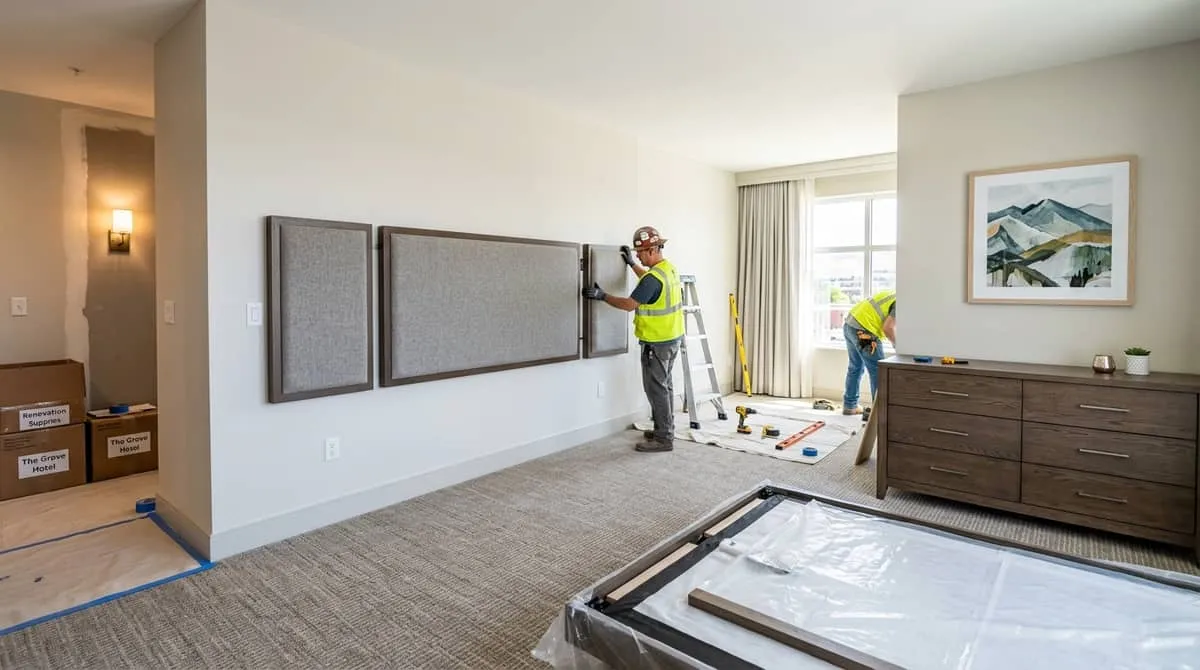
Custom upholstered pieces, headboards, lounge chairs, banquette seating, and sofas, run 12 to 16 weeks from order confirmation to delivery. Custom case goods with wood finishes or specialized hardware run similar timelines. If your renovation is scheduled to begin in September and complete in November, furniture orders for custom pieces need to be placed no later than May to maintain that schedule with any margin for delays.
Boise's position in the freight network adds time to delivery estimates that suppliers in major coastal markets may not account for automatically. Shipments from manufacturing facilities in the Southeast or Midwest add transit time compared to deliveries to Seattle or Portland. Oversize freight for headboards, sofas, and case goods moves on specialized carriers with their own scheduling constraints. Build that into your timeline from the start, not after your first delayed delivery creates a critical path problem.
Phased procurement reduces risk on renovations that are executed by floor or section rather than a full property closure. Order the furniture for each phase four to six weeks ahead of the phase start, coordinating with your general contractor on room-ready dates. This approach keeps your overall renovation timeline tight while managing cash flow and storage requirements, since you are not receiving the entire property's FF&E in a single delivery.
Renovation as Repositioning: Getting the Spec Right
A hotel renovation that replaces worn furniture with more of the same is a maintenance project. A renovation that uses the furniture replacement as an opportunity to move the property's positioning is an investment. In the Boise market right now, the difference matters commercially.
The first question in a renovation furniture program is: who is the guest we are designing for after the renovation? If the answer is the same guest you have been serving, a faithful update to your existing aesthetic is appropriate. If the answer involves capturing a higher-rate guest, a tech-sector traveler with more demanding design expectations, or a leisure visitor who is choosing your property over newer boutique competition, the furniture program needs to reflect that ambition.
Natural material integration, meaning solid wood surfaces, genuine leather accents, and textile upholstery with visible texture, communicates a quality level that synthetic alternatives do not, regardless of how the spec sheet reads. In a Boise context where the outdoor identity of the market, the proximity to the Bogus Basin landscape and the Boise River Greenbelt, is a genuine differentiator, a furniture program that references natural materials creates authentic alignment between the property's environment and its interior. That alignment is what guests from larger markets recognize as intentional design rather than generic renovation.
Work with your supplier to develop a finish and material sample board before approving any production. Walk that sample board through your actual renovation spaces under the lighting conditions that will be in place after the renovation completes. Furniture colors and finishes look different in hotel room lighting than they do in a showroom, and corrections after production is complete are expensive in both time and budget.
The renovation furniture investment you make in Boise today will be evaluated against what newer competitors open with over the next several years. Build the spec to match where the market is heading, not where it was when you last renovated.
Every Boise venue has its own volume, layout, and turnaround demands, and hotel renovation furniture pricing follows from those specifics. Request a quote and we will scope it to your project.