Birmingham's hospitality market has grown up around a handful of anchors that drive real, predictable demand: the Birmingham-Jefferson Convention Complex and Legacy Arena, the UAB medical campus and its constant flow of visiting families and medical professionals, and a Downtown core that has spent the last decade converting old office and warehouse stock into boutique rooms. Uptown's entertainment district sits a short walk from convention floor space and pulls in event traffic all year. Southside and Five Points South cater to a younger, design-conscious crowd near UAB. When you renovate a property in this market, you're competing against newer builds and recently refreshed competitors, and a stalled FF&E order shows up in your occupancy numbers fast. Getting hotel renovation furniture Birmingham procurement right is not a back-office problem, it's a revenue decision.
Birmingham's Renovation Calendar Is Not Forgiving
The event calendar at the BJCC and Legacy Arena sets hard deadlines for Uptown and Downtown properties. Miss a delivery window and your renovated block sits dark while a convention or a concert weekend fills every competing hotel within walking distance. For properties near UAB, the pressure runs differently but just as hard: medical conferences, graduation weekends, and family housing needs for patients keep occupancy steady, and a property that goes offline mid-renovation loses bookings it can't easily win back once a guest has committed to a competitor down the street.
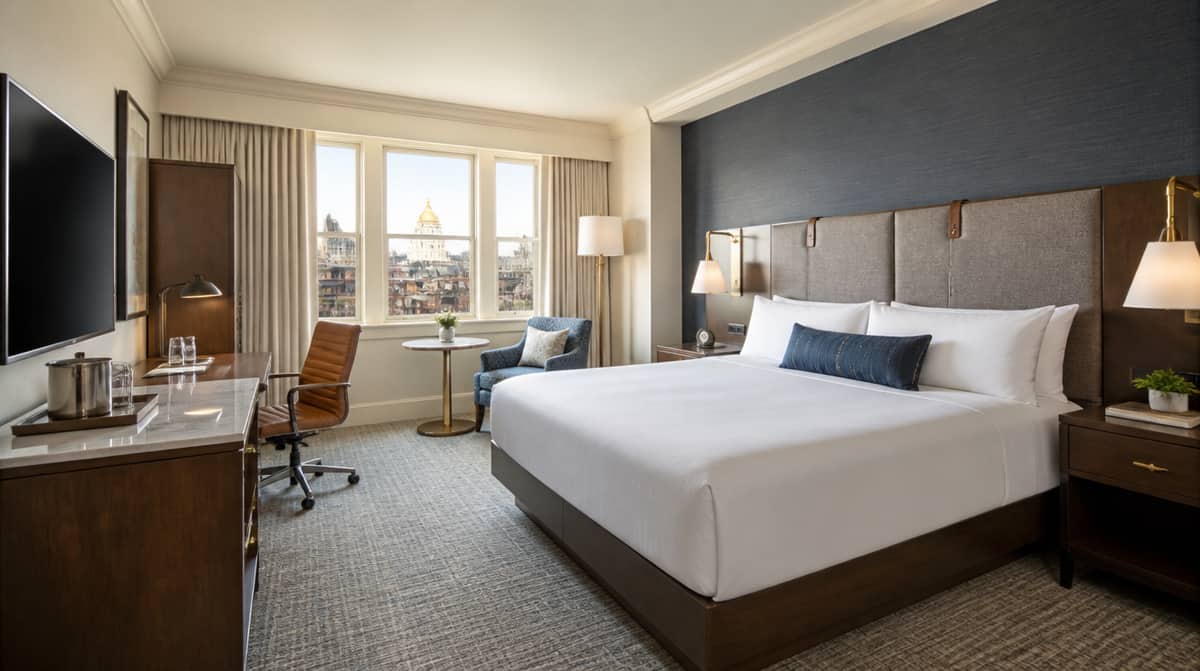
Most Birmingham renovations run in phases, one wing or floor block at a time, so the rest of the property stays bookable. That approach protects revenue, but it puts real pressure on your FF&E supplier. You're not placing a single bulk order and waiting for a truck. You're coordinating a sequence of deliveries tied directly to your construction schedule and your housekeeping handoff dates. If your supplier treats each shipment as a one-off transaction instead of part of a coordinated project, you will feel it the first time a delivery window slips.
Before you sign with any supplier, get written delivery windows and a named logistics contact. Build phased milestones into the procurement agreement itself, not a verbal understanding, but a documented schedule with clear accountability on both sides.
FF&E Lead Times: Work Backward From Your Opening Date
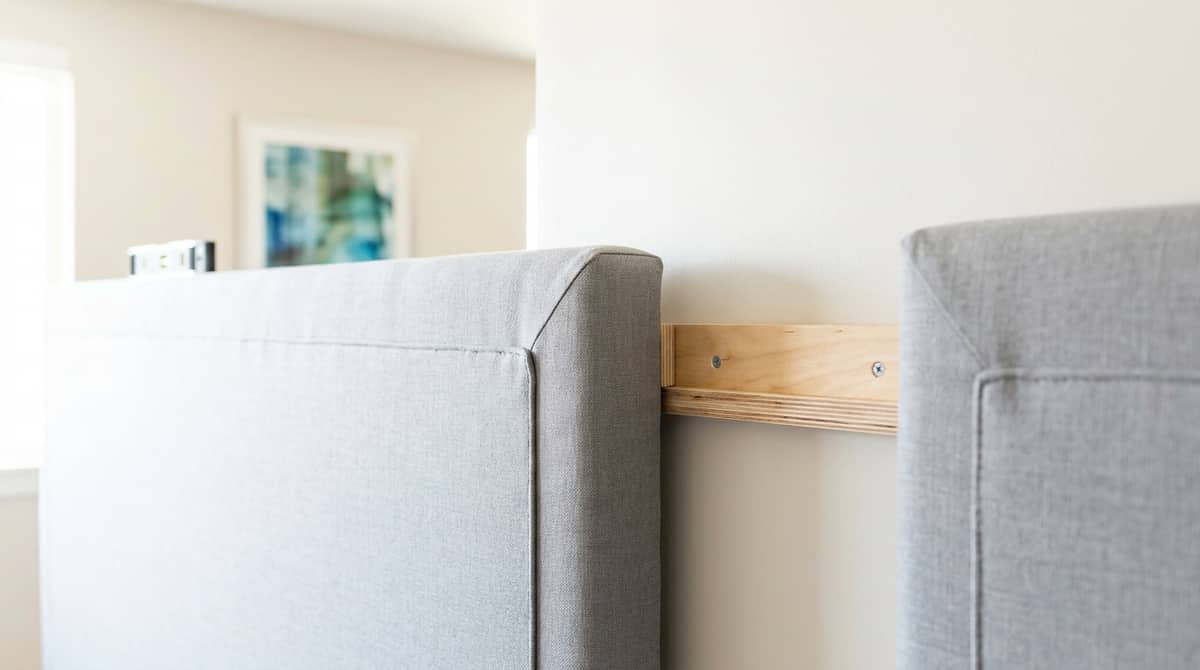
Custom and semi-custom contract furniture typically runs 12 to 18 weeks from order confirmation to delivery on your dock. That covers case goods, upholstered headboards and seating, bed frames, and anything requiring COM fabric or brand-specified finishes. If your renovation involves custom millwork or finish matching, common in Downtown's converted historic buildings where floor plans and trim details rarely match a standard spec, add two to four weeks on top of that baseline.
For a Birmingham property targeting a reopening ahead of a major BJCC event, a UAB commencement weekend, or the fall college football season that fills rooms across the metro, those numbers matter precisely. Want rooms ready by early September? Furniture orders need to be placed no later than late April or early May. Operators who wait until permits clear or demolition starts to think seriously about FF&E consistently end up choosing between two bad options: buy off the shelf and accept pieces that don't match the design intent, or miss the opening target and eat the revenue impact.
Outdoor spaces carry their own timeline considerations. Birmingham summers bring sustained heat and humidity, and any rooftop bar, pool deck, or courtyard tied to your renovation needs furniture built to hold up to that exposure. Outdoor contract furniture often runs on a separate production queue from interior FF&E. Plan for that separately and do not assume outdoor pieces will land on the same truck, or the same timeline, as your guestroom order.
Brand Standards and the Birmingham Design Context
Birmingham's hospitality market spans a genuine range of brand environments. Full-service flagged properties near the BJCC and along the Uptown entertainment district operate under brand standard documents governing everything from case good construction to fabric fire ratings to mattress minimum dimensions. Independent boutique properties in Downtown's historic core, particularly conversions along 1st Avenue North and the theater district, have far more design freedom, but that freedom comes with its own accountability. Guests who choose an independent property in these neighborhoods are choosing specifically on design character, and generic hospitality furniture will not hold up to that expectation.
For flagged properties, compliance is non-negotiable. A piece that looks right but fails a fire rating review or misses the flag's seating height minimums gets rejected, and your timeline resets while you scramble for a replacement already under pressure. Work with an FF&E supplier that keeps brand standard files on record for major flag groups and can cross-reference your selections before specs are finalized. That review, done during planning, eliminates the expensive back-and-forth that kills renovation schedules.
For independent properties, design intent is your brand standard. Be specific about what that means before procurement begins. A supplier who asks the right questions about your guest profile, your building's architectural history, and your competitive set in Southside or Five Points South is far more useful than one who sends a catalog and waits for line items.
Delivery and Installation in an Operating Property
Getting furniture from a supplier into a functioning Birmingham hotel without disrupting operations requires real logistical competence. Downtown properties in converted historic buildings often deal with narrow loading access, limited freight elevator capacity, and building management rules that were never designed around modern FF&E pallets. Properties near the BJCC and Legacy Arena work around event move-in and move-out traffic that can make dock access genuinely difficult on show days. UAB-adjacent properties contend with hospital-related traffic patterns and visitor parking constraints that add their own coordination overhead.
A supplier with real experience delivering to occupied hotels in Birmingham already understands these constraints. They arrive with the right crew, the right equipment, and a schedule built around your property's operational calendar rather than their own convenience. They coordinate with your front desk, your engineering team, and your construction general contractor so new furniture arrives staged and ready to install in completed rooms rather than sitting in a hallway blocking a guest elevator.
Ask every supplier you evaluate a direct question: have they delivered to occupied hotel properties in Birmingham specifically? What is their protocol for white-glove installation in active buildings? If the answer is vague or general, that is a clear signal. You need operational experience, not just a product catalog and a freight quote.
The difference between a hotel renovation that opens on time and on budget and one that drags past every deadline usually comes down to the procurement decisions made in the first four weeks of planning. Treat FF&E as a core operational workstream from day one, and your renovation has a real chance of running the way it was designed.