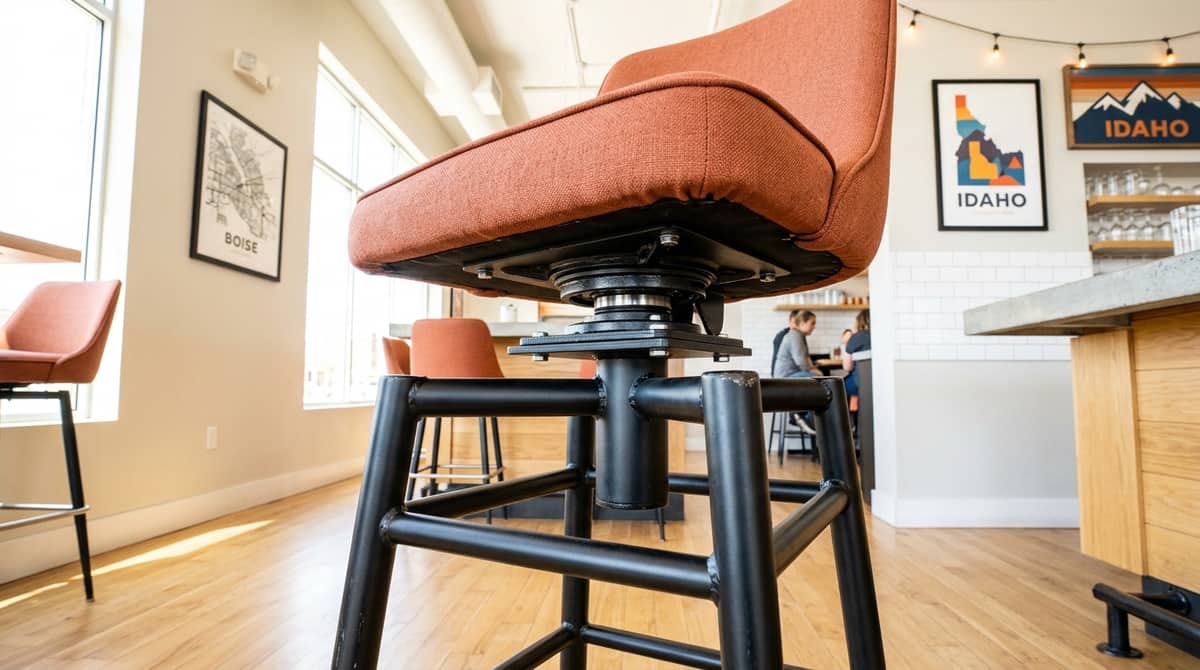
Birmingham's bar and lounge market has grown up fast over the last decade, and it is more varied than out-of-state operators sometimes expect. Between the Lakeview District's converted warehouses that now hold some of the city's busiest cocktail bars, the Uptown entertainment block that sits in the shadow of the Birmingham-Jefferson Convention Complex, and the Five Points South strip near UAB that has anchored the city's nightlife since long before Lakeview existed, the range of venue types is wide. Sourcing bar lounge furniture Birmingham operators can depend on means understanding that a stool built for a Lakeview rooftop patio is not the same stool that belongs in a Five Points South dive-turned-craft-cocktail bar, and neither is the right fit for a hotel lounge doing convention volume three blocks from the BJCC.
Lakeview and the Warehouse-to-Cocktail-Bar Conversion
Lakeview is where Birmingham's bar scene made its clearest statement over the past ten years. The district runs along 7th Avenue South and Clairmont Avenue in a corridor of old warehouses and rail-adjacent buildings that have been converted into some of the city's most design-forward bars and restaurants. Operators sourcing furniture for this corridor are working inside brick shells with high ceilings, exposed structure, and patio space that spills onto sidewalks and converted loading docks, which puts real demand on both the indoor lounge program and the outdoor seating.
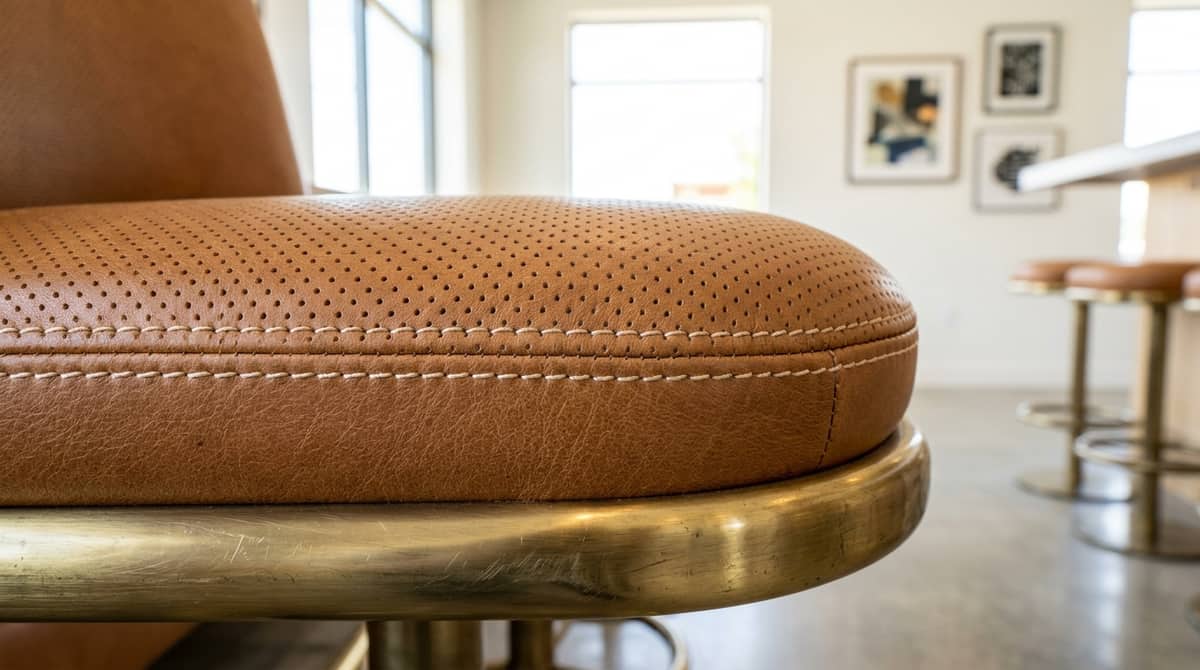
For Lakeview's patio and sidewalk seating, the frame material decision matters more than most first-time operators expect. Powder-coated aluminum is the right call for anything left outdoors through Alabama's humid summers and the occasional ice event in January. It resists the corrosion that steel picks up in this climate and stays light enough to reposition when a patio needs to be cleared for a private event. Skip hollow footrests on any stool that will see regular outdoor traffic. A solid bar stock footrest holds up to nightly weight shifting where a hollow tube will dent and work loose within a season.
Indoors, the warehouse aesthetic that defines Lakeview calls for upholstery that can carry a worn-in, industrial look without actually wearing out. Performance vinyl or a commercial-grade textured fabric rated at 50,000 double rubs Wyzenbeek or higher is the right specification for booth seating and lounge chairs that see weekend volume. Confirm bar counter height before ordering stools. Standard bar height is 42 inches paired with a 28 to 30 inch seat, while counter-height surfaces at 36 inches need a 24 to 26 inch stool. Lakeview's converted buildings often have custom-built bars at nonstandard heights, so measure the actual counter rather than assuming a standard dimension.
Uptown and the BJCC Hotel Corridor
The Uptown entertainment district sits directly across from the Birmingham-Jefferson Convention Complex, and the hotel bars and lounges in this corridor operate on a convention calendar rather than a neighborhood one. When the BJCC has a major trade show, medical conference, or sporting event on its calendar, the surrounding hotel lounges and Uptown restaurants see volume that a standalone neighborhood bar never experiences. Furniture in this corridor has to be specified as infrastructure that survives a heavy convention week, not just seating that looks good on a normal Tuesday.
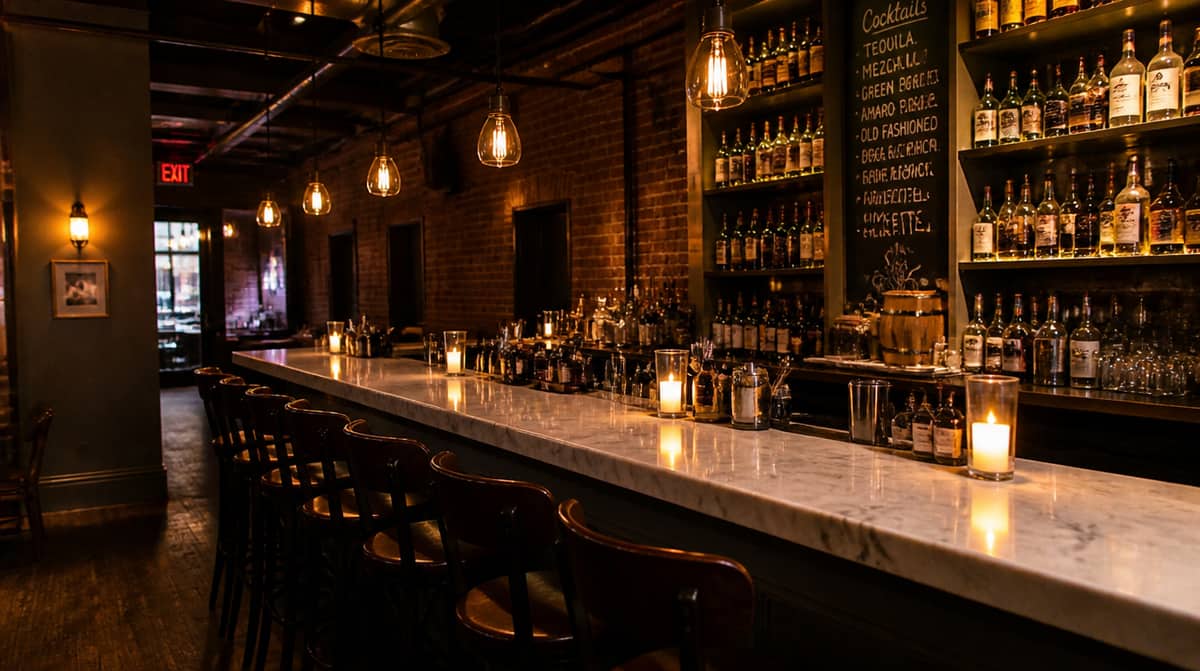
Structural weight and weld quality are the priorities here. Specify minimum 16-gauge steel on stool frames with fully welded joints at the footrest and every leg-to-seat connection. Bolted-frame furniture loosens under the stress of hundreds of guests sitting, shifting, and standing over a multi-day event. Ask your supplier for weld documentation if you are buying in volume for a hotel program. Any established contract furniture supplier will have it on hand.
Replaceability is the other variable that matters more than operators expect until they need it. A hotel lounge running heavy covers during a BJCC event week will lose individual pieces to wear, and swapping a damaged stool or chair without disrupting service requires a supplier that stocks the collection rather than one that only builds to order. Confirm stock availability on your primary seating collection before you commit to a finish, and keep a working relationship with a supplier who can turn around a small replacement order in weeks rather than the standard 8 to 12 week custom lead time.
Five Points South and the Independent Bar Scene
Five Points South, anchored around 20th Street and Highland Avenue near UAB, has been Birmingham's independent bar and lounge district for decades, and it carries a different design expectation than the newer Lakeview corridor. Operators here are often working in older storefronts with character worth preserving, and the furniture program tends to favor warm-toned upholstery, mixed wood and metal tables, and lounge seating that feels collected rather than uniform.
COM programs are worth raising early with your supplier in this context. A custom order-material program lets a designer specify proprietary fabric on a commercially proven frame, which is how an independent Five Points South bar gets a distinctive look without giving up the structural rating a hospitality venue needs. This conversation belongs at the start of a design process, not after the floor plan is locked and the opening date is set.
For high-top and communal table configurations, which are common in this student-adjacent market, specify cast iron or heavy powder-coated steel bases with adjustable leveling glides. Older Five Points South buildings rarely have perfectly level floors, and a table that rocks in a room full of regulars is the kind of detail people notice immediately and remember.
Sourcing Bar Lounge Furniture for Birmingham Projects
Birmingham's hospitality construction market moves in bursts tied to specific announcements. A restaurant group commits to a Lakeview build-out, a hotel brand finalizes an Uptown renovation ahead of a BJCC-anchored event, or an independent operator takes over a Five Points South space, and the furniture order lands on a timeline that construction delays have already compressed. The standard 8 to 12 week lead time for custom orders rarely fits inside a schedule where the opening date is fixed.
The practical approach for most Birmingham bar and lounge projects combines in-stock contract inventory for the core seating program with custom or COM orders reserved for accent pieces where design specificity actually matters. Build supplier relationships before an urgent need arises. Know which vendors keep in-stock barstools in the finishes you use most, which suppliers run realistic COM turnaround times, and which can fill a partial replacement order on short notice.
Lead time transparency is the variable that determines whether a Birmingham opening happens on schedule. Get confirmed availability and delivery windows in writing before finalizing a specification. A verbal estimate is not a commitment, and in a market where a BJCC event date or a hard lease deadline is not moving, the gap between a confirmed delivery window and an estimated one is the difference between opening on time and opening late.
If you are in the early planning stages of a bar or lounge build anywhere in Birmingham, Lakeview, Uptown, Five Points South, or the growing Avondale and Pizitz-area food and drink corridors, request a specification consultation from your supplier before the layout is finalized. It will surface seat height mismatches, material incompatibilities, and floor clearance issues that are far cheaper to fix on paper than after the furniture has arrived.