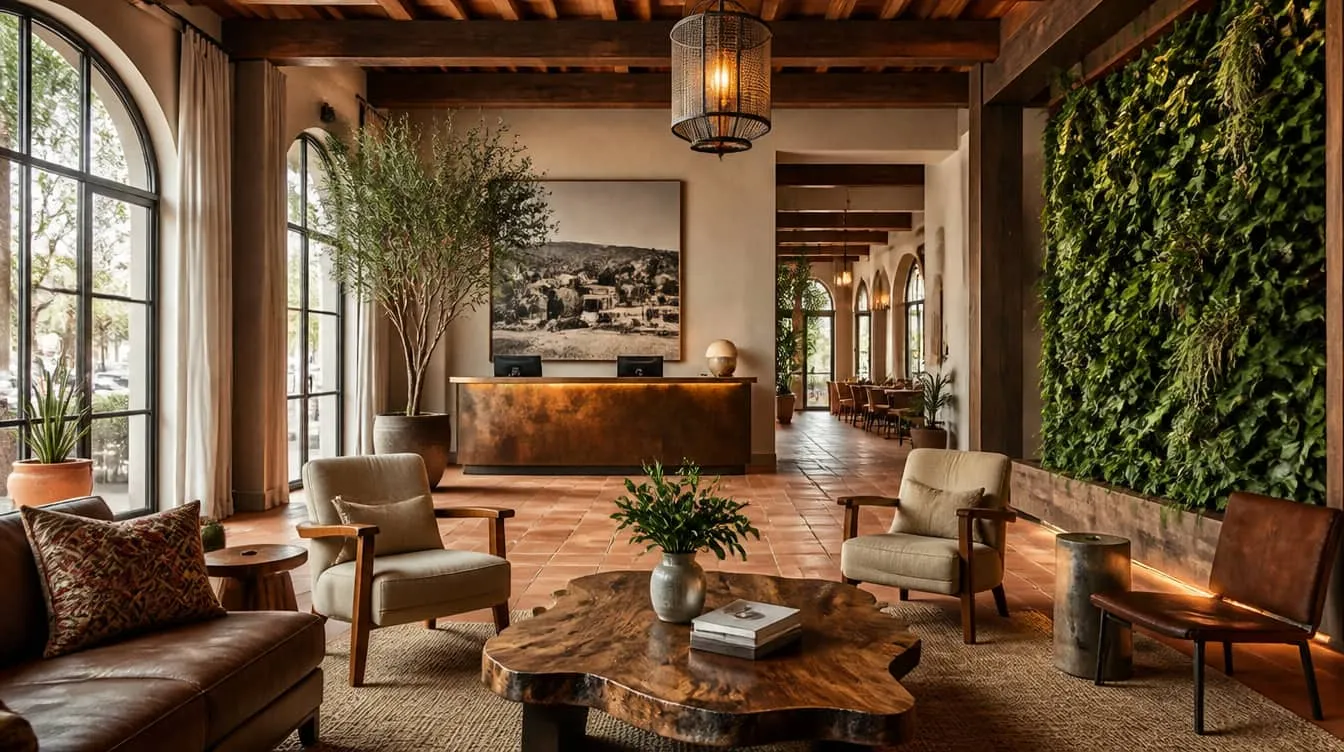
Austin's hotel renovation market is being driven by a competitive pressure that's specific to what the city has become over the last decade. Properties that opened in the early 2010s were designed for a different Austin: a mid-size music city with a growing tech scene, not the major metropolitan tech hub, SXSW economy, and national leisure destination that Austin has become. The design expectations of today's Austin hotel guest, shaped by the new boutique properties that have opened on South Congress and in East Austin, by the resort-scale Lady Bird Lake hotels, and by the constant social media documentation of Austin's best hospitality experiences, are significantly higher than what those early 2010s properties were built to serve. The renovation gap is real, and the properties that close it gain the market share; the ones that defer close it at higher cost later or lose rate and occupancy to competitors who have already invested.
Austin hotel renovations also face a challenge that's somewhat unique to the city's character: guests and local media notice when a renovation misses the Austin aesthetic mark. A property that renovates with a generic hospitality design direction, using furniture programs that could be at any Marriott in any city, will receive criticism from Austin's engaged design and hospitality community that branded hotel renovations in less design-conscious markets don't face. The expectation in Austin is that a renovated hotel will look like it belongs here, not just like it's been refreshed to meet current brand standards.
Strategic Scope for Austin Hotel Renovations
The most common renovation scopes for Austin hotel properties cover guestroom furniture and soft goods, lobby and public space redesign, and food and beverage outlet furniture. Each of these scopes has different design implications in Austin's market context, and the right approach to each starts with an honest assessment of what the current program is communicating and what the renovated program needs to communicate.
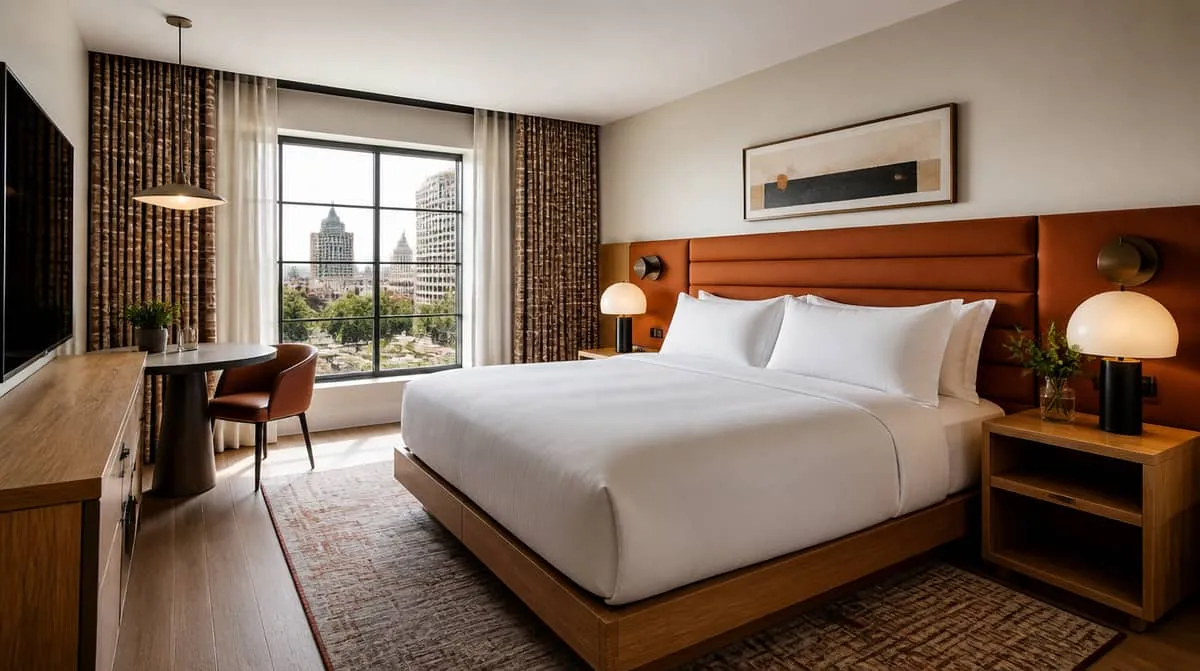
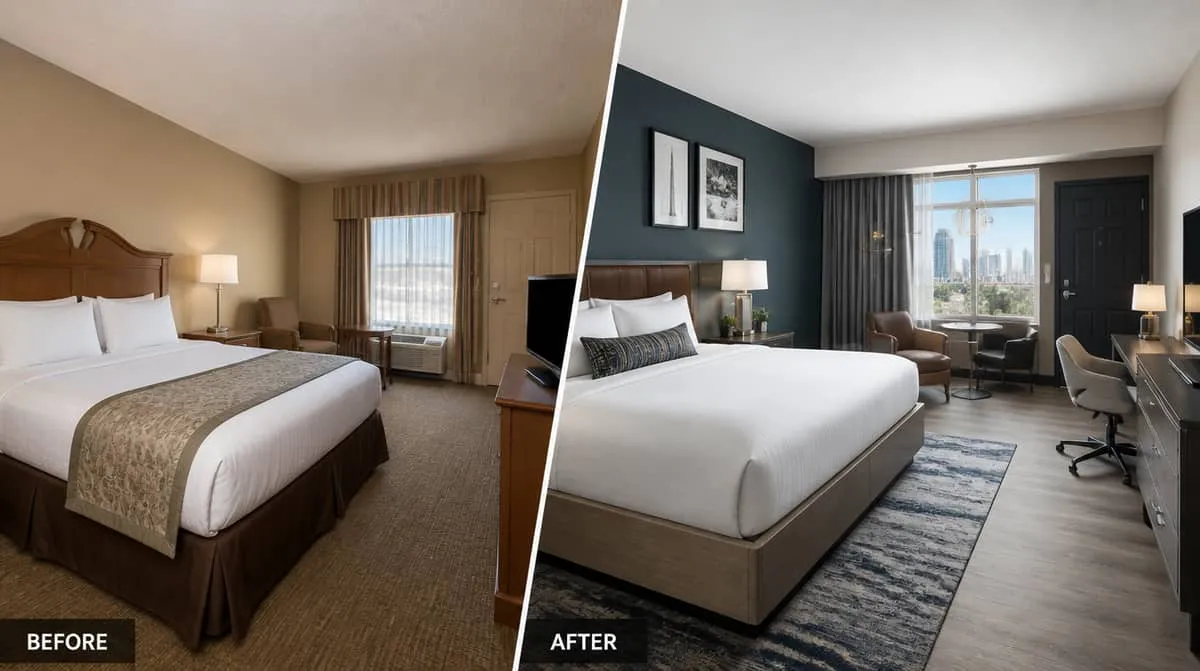
Guestroom renovation is where most Austin hotel renovations start because it's where the guest experience gap between an older property and a competitor is most directly felt. A guestroom at an early 2010s Austin hotel that hasn't been renovated often has the dark wood case goods, traditional upholstered headboards, and dated fabric selections that characterized that era's hospitality design. The Austin guest of today, comparing this room against the warm natural materials, contemporary proportions, and design-forward furniture of a renovated or new boutique competitor, notices the gap immediately.
The renovation opportunity is to close that gap with a furniture program that serves Austin's current design expectations, using the warm wood tones, natural textiles, and considered proportions that the city's best properties have established as the aesthetic standard. This requires a design direction that's specific to Austin rather than generic to the brand tier, which means the design firm engagement and the furniture specification need to account for Austin's particular character rather than defaulting to the national brand standard program.
Lead Time Planning in Austin's Renovation Market
Austin's construction market has been active enough over the last several years that furniture manufacturer lead times are a real planning constraint, and the specific timing pressures of Austin's hospitality calendar make lead time management more consequential than in most markets. A property targeting a renovation completion before SXSW needs to have all furniture on site and installed well before the festival begins, which means working backward from early March to establish order windows that account for 16 to 20 week lead times on custom pieces. Missing that window means either an incomplete renovation at peak season or a renovation that runs during SXSW, creating the guest experience disruption that no property wants during its highest-revenue period.
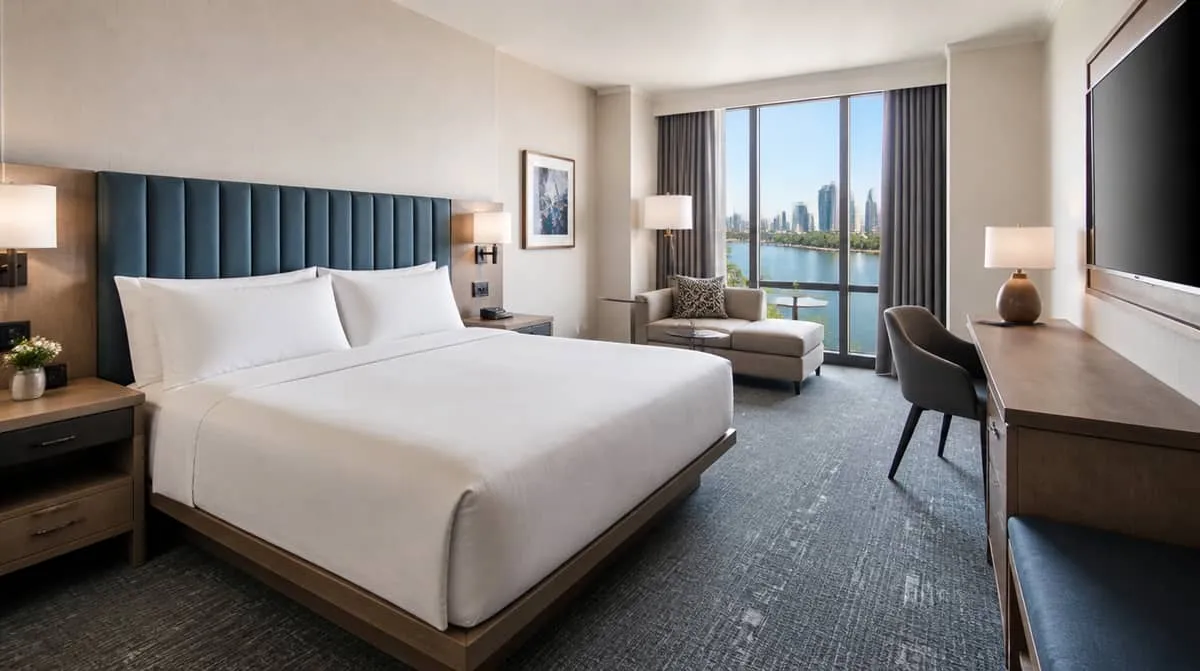
Similarly, properties targeting a renovation completion before ACL in October need to establish their furniture order windows in late spring or early summer to ensure delivery and installation can be completed before the festival calendar begins. Working with a supplier who understands Austin's festival calendar and can give you honest lead time guidance based on current factory conditions, not optimistic estimates to win the business, is part of what you're evaluating when you select a procurement partner for an Austin renovation.
Phased renovations, which are the practical approach for most Austin properties that need to maintain occupancy revenue through the renovation, create additional lead time complexity. Each phase needs its furniture delivered and installed to a defined schedule, and the furniture for later phases needs to be ordered on the same timeline as Phase 1 if it's custom or semi-custom product with long lead times. This means the total furniture order for a phased renovation needs to go in earlier than a simple phase-one-then-order-again approach would suggest.
Austin Renovation Design and Supplier Selection
The right commercial furniture supplier for an Austin hotel renovation is one with genuine familiarity with Austin's design expectations, not just a supplier who can execute a standard hospitality program in any market. The difference shows up in the quality of the supplier's input during the specification process: a supplier who understands why the Austin market responds to warm natural materials and authentic craft references, and who can help you find commercial-grade product that serves those values, is contributing design intelligence alongside procurement capability. A supplier who treats every project as a spec execution task and doesn't bring market knowledge to the selection process is providing a narrower service that the renovation outcome will reflect.
The Austin renovation market has enough active projects that suppliers with Austin hospitality experience are identifiable. Ask prospective suppliers specifically about Austin hotel projects they've completed, talk to the property managers at those hotels, and look at the properties in person if possible. The quality of the finished product, and the supplier's responsiveness to the challenges that came up during the project, are both things that a reference conversation and a site visit will tell you that no proposal document can.
For Austin properties comparing hotel renovation furniture options, project-specific pricing tells you more than any published range. Request a quote and we will scope it to your space and volume.