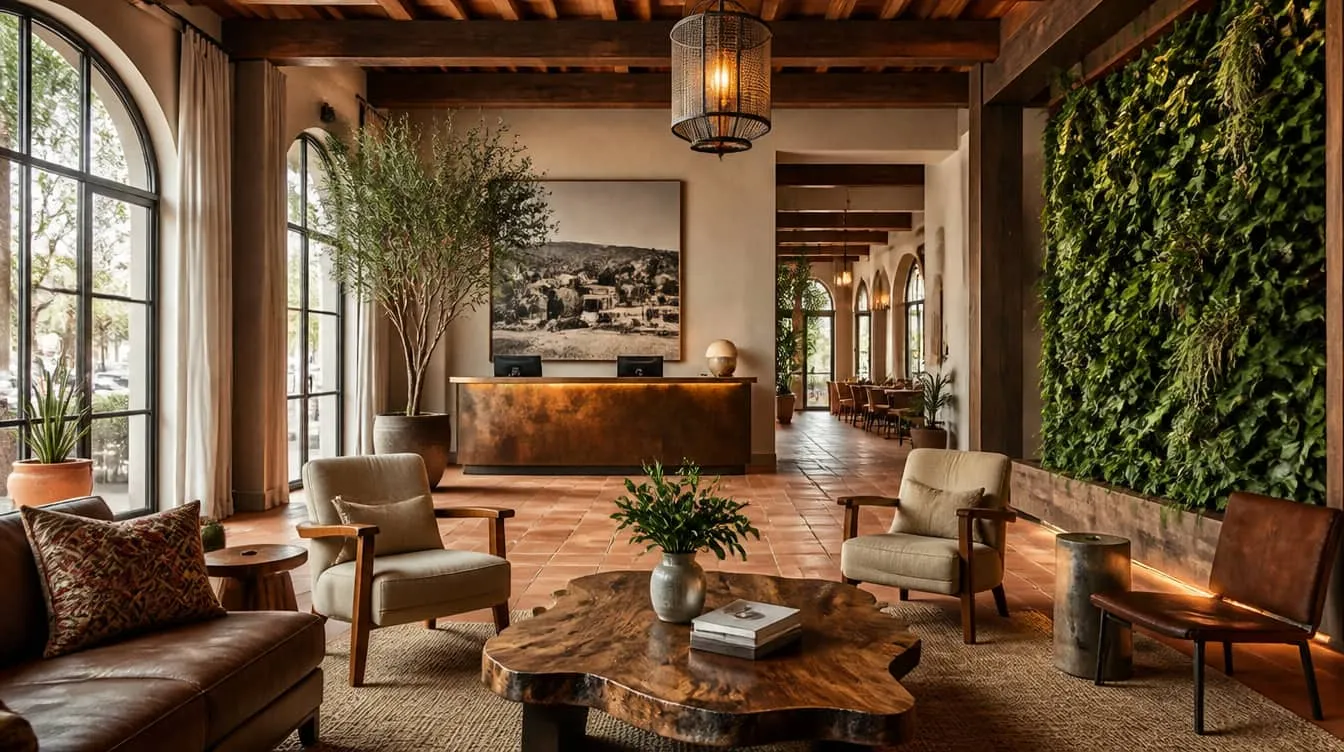
Austin's boutique hotel market is nationally recognized in a way that's unusual for a city of its size. The San Jose, the South Congress Hotel, Hotel Saint Cecilia, and the cluster of independent properties that have developed around them have created a hospitality design culture that influences properties well beyond Austin's city limits. The guest demographic these hotels attract, the tech creative, the independent traveler with high aesthetic sensibility, the music industry visitor, the architect and designer attending a conference, specifically seeks out boutique properties because the experience is different from a branded flag, and that difference is largely communicated through the design of the physical space, starting with the furniture in the room.
This creates a procurement challenge that is as much creative as commercial. Boutique hotel furniture in Austin needs to tell a story that resonates with a sophisticated guest who has seen a lot of hotels and knows the difference between furniture that was thoughtfully selected and furniture that was purchased because it met a specification at an acceptable price. That difference is not primarily about cost, though quality matters. It's primarily about intentionality: furniture that was chosen because it says something specific about this place and this property, in materials and forms that connect to Austin's design language, built to commercial specification so that story holds up through years of use.
The Austin Boutique Hotel Aesthetic
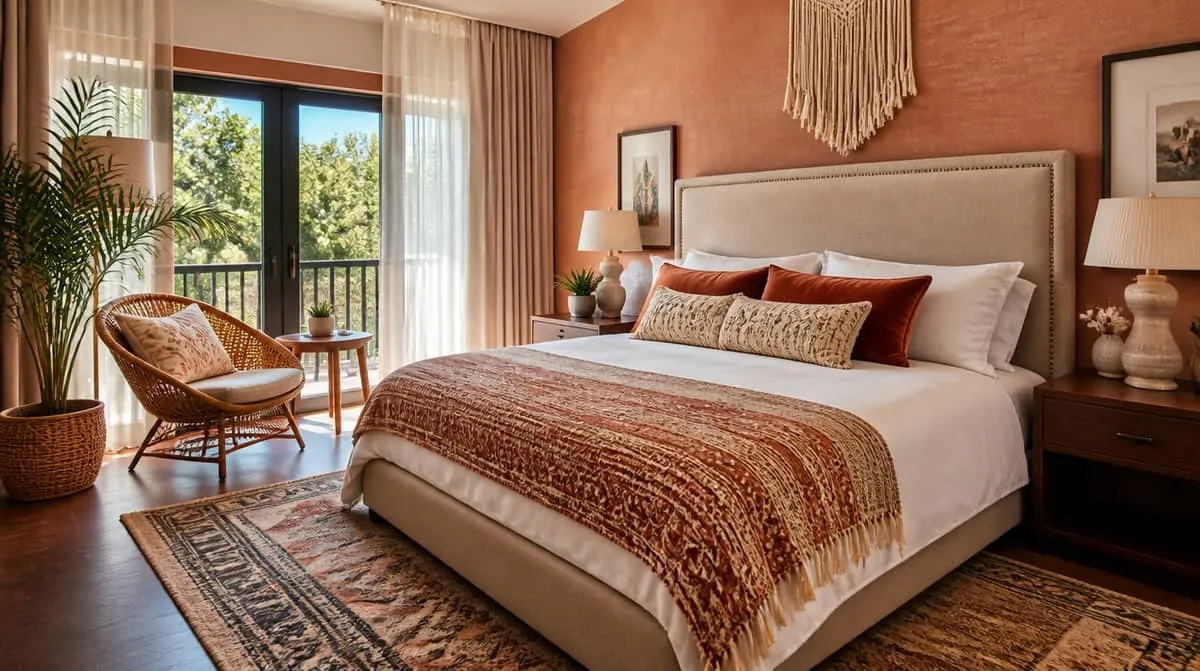
The design language of Austin's best boutique hotels is specific enough to be described in detail, because understanding it is the starting point for furniture procurement that serves the market. It draws from Hill Country vernacular, with warm limestone and cedar material references, unpretentious natural textures, and a sense of indoor-outdoor connection that reflects Austin's relationship to the landscape. It draws from Austin's music culture, with references to the analog warmth of vinyl and wood and leather, a rawness that isn't rough but is authentic. And it draws from the contemporary design vocabulary that Austin's tech and creative industries bring: clean proportions, honest material expression, and a restraint that prevents the Hill Country and music references from tipping into kitsch.
The furniture that serves this aesthetic is characterized by warm wood tones in natural finishes rather than stained or sealed surfaces that look artificial; leather and performance linen upholstery rather than slick synthetic fabrics; woven and textile accent elements that add tactility; and a scale that feels residential in the best sense, human and comfortable, without being undersized for commercial use. All of this is achievable at commercial contract specification with the right supplier and the right manufacturer relationships.
The properties that get Austin boutique hotel design wrong, and there are some, typically fail in one of two ways. The first is over-referencing the aesthetic, loading the room with so many Texas and music references that it tips from authentic to theme park. The second is buying the aesthetic without the commercial specification, sourcing furniture from retail channels that captures the look but fails within 18 months of use. Both failures undermine the property's ability to compete in a market where the guest has many excellent options and is making choices based on the perceived authenticity and quality of the experience.
Guestroom Furniture for Austin Boutique Properties
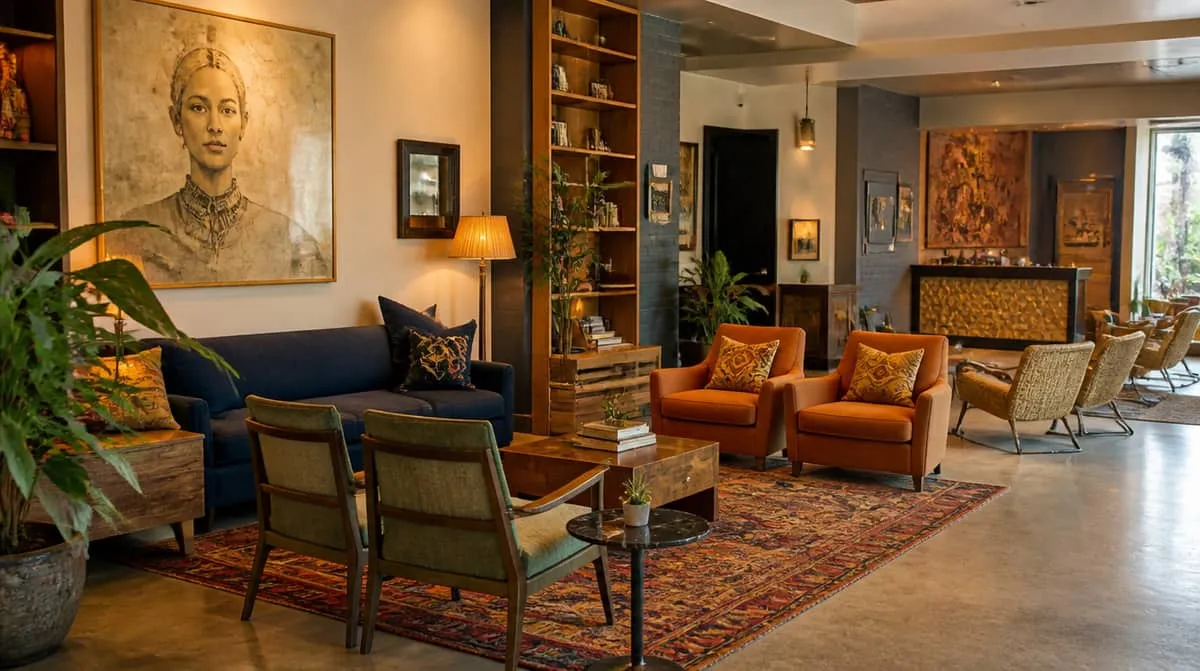
Austin boutique guestrooms at the established South Congress and East Austin properties tend to be smaller than their branded counterparts, with room sizes in the 250 to 350 square foot range, and the furniture programs in these rooms are defined by how well the pieces work together in a compact space. Scale matters more than it does in a generously sized room: an oversized bed frame and too much case goods leaves no breathing room; too sparse and the room feels neglected rather than curated.
The platform bed is typically the dominant piece in an Austin boutique guestroom, and the specification choices here set the tone for everything else. Upholstered headboards in performance linen or leather, in warm neutral tones that work with the natural light Austin's sunny climate provides, are the standard at the better properties. The bed frame construction needs to hold up to the volume that SXSW and ACL create, when the property is at full occupancy with guests who are treating the room as a staging area rather than a sanctuary. Frame construction that looks right in a showroom but develops creaking and looseness under volume use is a specification failure that shows up in reviews.
Case goods in Austin boutique guestrooms benefit from warm wood tones, either solid wood in a natural finish or wood-grain veneer with careful panel matching and quality edge detail. The drawer hardware is a detail that guests touch dozens of times per stay, and hardware that feels quality, solid pulls, smooth drawer operation, appropriate weight, communicates quality in a way that adds to the overall impression. Hardware that feels cheap or that binds and sticks undermines the room's quality signal immediately.
Public Spaces and Local Programming
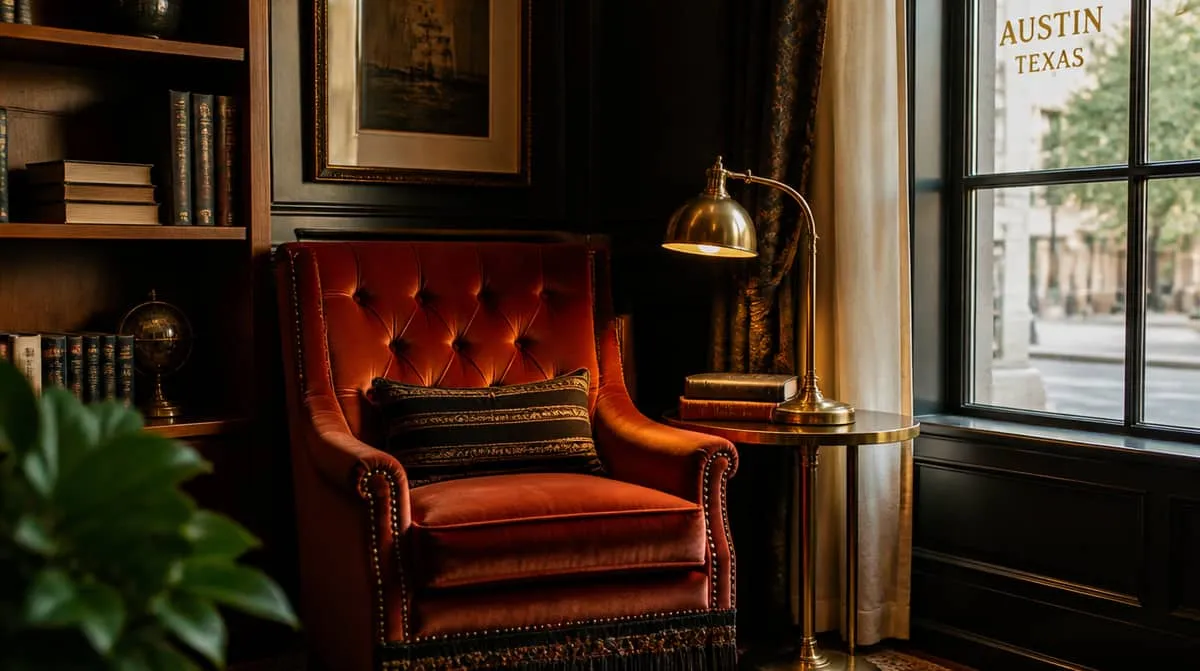
Austin boutique hotel public spaces are often as important to the property's identity as the guestrooms, and sometimes more so, because they serve local Austin visitors as well as guests. A lobby bar, a restaurant, or a pool area that is genuinely compelling as a local destination extends the property's brand reach beyond its room count and creates a community connection that the most successful Austin boutique properties have used to build lasting identities. Furniture in these spaces needs to be specified for local visitor traffic as well as guest use.
Pricing for boutique hotel furniture in Austin depends on quantities, finishes, and your delivery window, so a project-specific quote beats any list figure. Request a quote to get yours.