Renovating a hotel in Atlantic City means coordinating furniture delivery around some of the tightest calendar pressure in the hospitality market. A resort property cannot go dark for a full renovation the way some markets can, since occupied-building renovations are the norm here given the scale of casino resort operations. A boutique property racing to open a refreshed lobby or guest room floor before peak summer season has essentially no room for schedule slippage. Getting the FF&E timeline right is as much a part of a successful renovation as the design work itself.
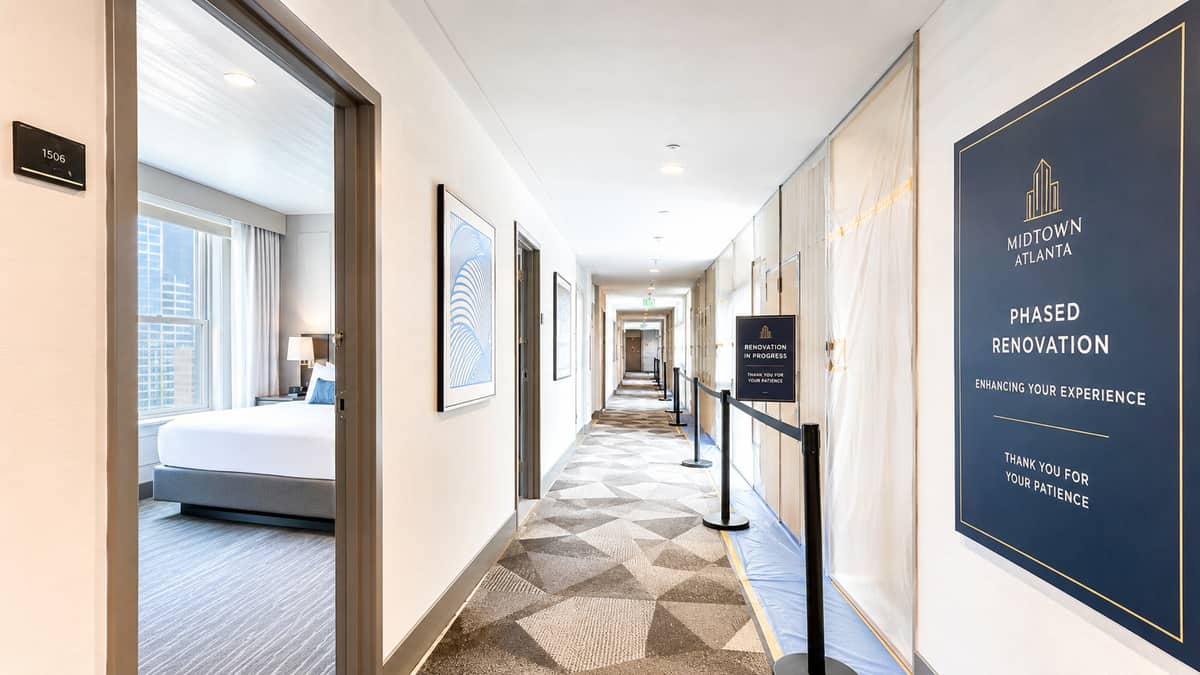
Phased Renovation in an Occupied Building
Most Atlantic City hotel renovations happen in phases, floor by floor or wing by wing, while the rest of the property continues operating and serving guests. That approach protects revenue during the renovation but adds real complexity to furniture delivery and installation logistics. Furniture needs to arrive in sequence matching the construction phasing, not all at once, and installation crews need to work within controlled access windows that do not disrupt guests on adjacent floors.
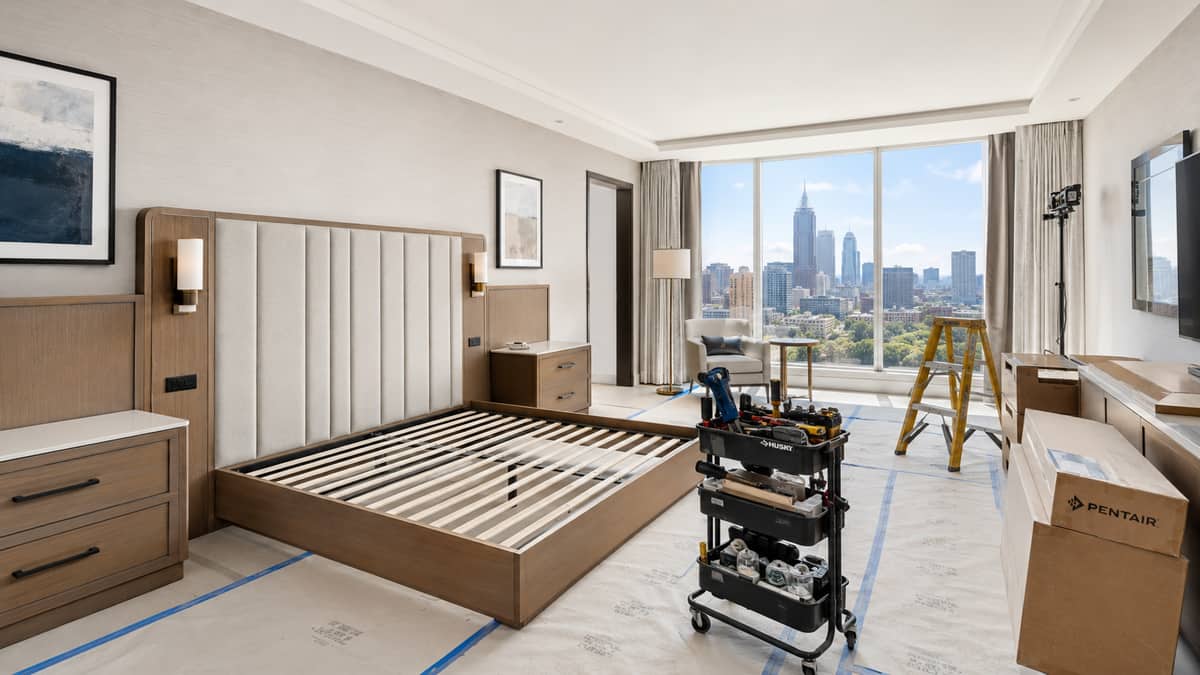
Work with a supplier who has actual experience coordinating phased delivery for occupied-building renovations, not just standard bulk delivery for a new construction project. That experience shows up in how they sequence shipments, how they communicate with your general contractor, and how they handle the inevitable schedule adjustments that come with construction in a building that never stops operating.
Matching Renovation Scope to Furniture Strategy
Not every renovation calls for a complete furniture replacement. A refresh focused on updating finishes and fabrics might call for reupholstering existing frames that are structurally sound rather than full replacement, a strategy that can cut both cost and lead time significantly if the existing furniture base is worth preserving. A full guest room renovation, by contrast, usually calls for complete replacement to ensure consistent quality and warranty coverage across the entire floor or wing.
Evaluate your existing furniture honestly before committing to a strategy. Frame quality, structural soundness, and remaining useful life all factor into whether reupholstering makes financial sense or whether it is a false economy that delays an inevitable full replacement by only a year or two. A good supplier will give you an honest assessment of your existing furniture rather than pushing full replacement by default because it is a larger order.
Working Around the Peak Season and Convention Calendar
Timing a renovation around Atlantic City's calendar pressures takes real planning. Peak summer season represents the highest-revenue window of the year for most properties, which makes it the worst possible time to have rooms or common areas out of service. The Atlantic City Convention Center's event calendar adds another layer of scheduling constraint, since a renovation disrupting guest capacity during a major convention week costs a property real revenue and goodwill with event organizers who book blocks of rooms years in advance.
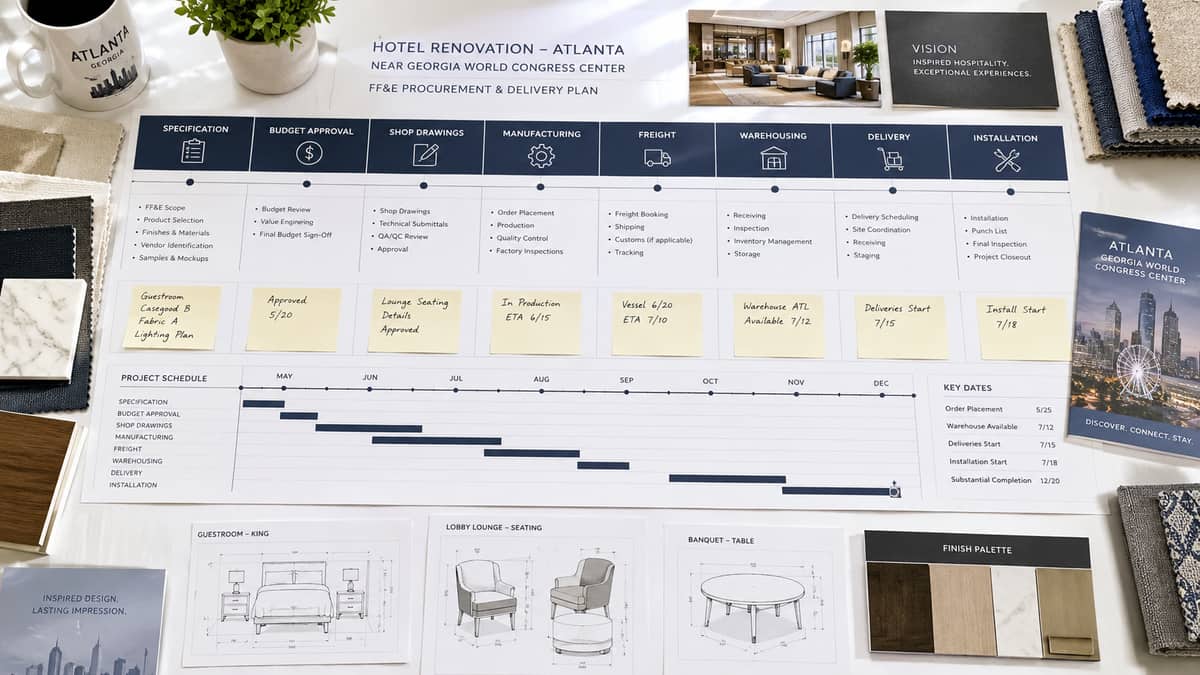
Most successful renovation projects in this market target the shoulder seasons, late fall through early spring, to complete the bulk of the work before peak season demand returns. That timing puts real pressure on furniture lead times, since a renovation targeting a spring completion needs FF&E specs locked and purchase orders placed well before the shoulder season window opens, not after.
Selecting a Renovation-Experienced Supplier
Ask any prospective FF&E supplier directly about their experience with occupied-building, phased renovation projects specifically, not general hospitality furniture experience. A supplier who has only handled new construction projects may not understand the sequencing, communication, and flexibility that a phased renovation demands.
Request references from comparable renovation projects, ideally in resort-scale or convention-heavy hospitality markets similar to Atlantic City. Ask how the supplier handled schedule changes on those projects, since construction timelines shift and a supplier who cannot adapt delivery schedules without major disruption is a real risk on any renovation project. The right supplier treats a renovation as an ongoing partnership through the full project timeline, not a single transaction closed at the purchase order stage.