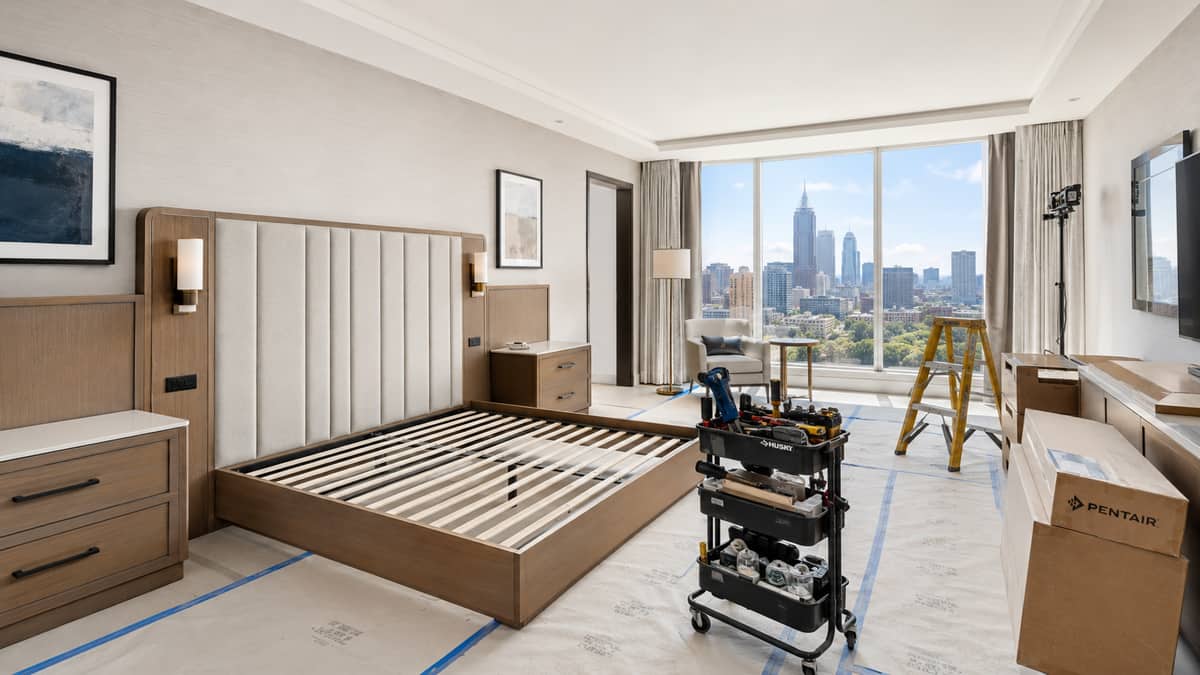
Anchorage's hospitality market runs on a calendar shaped by geography as much as demand. The Dena'ina Civic and Convention Center pulls in statewide conferences and trade associations that fill Downtown properties for a week at a stretch, while the short but intense summer tourism season sends cruise passengers, independent travelers, and Alaska Railroad connections through Midtown and Downtown hotels between May and September. Properties near Ted Stevens Anchorage International Airport handle a steady flow of oil and gas industry travel, military family visits tied to Joint Base Elmendorf-Richardson, and cargo crew layovers that never really slow down. When you plan a renovation here, you're working inside a market where the compressed summer window is your entire year's revenue opportunity, and hotel renovation furniture Anchorage procurement has to be treated as a scheduling discipline, not an afterthought.
Anchorage's Renovation Calendar Is Not Forgiving
The tourism season around Anchorage is short and unforgiving. Properties that cater to cruise and rail traffic effectively have one shot between late May and mid-September to be fully back online, and a renovation that bleeds into June means giving up your highest-rate weeks of the year. Downtown and Midtown hotels booking convention business tied to the Dena'ina Center or the Egan Civic and Convention Center face a similar problem: miss your reopening date and a statewide association meeting or oil industry conference fills competitor properties instead.
Most Anchorage renovations run in phases, one wing or floor at a time, to keep rooms sellable through as much of the shoulder season as possible. That phased approach protects cash flow, but it means your FF&E supplier has to hit a series of staggered delivery dates rather than one bulk shipment. If a supplier treats each delivery as its own transaction instead of part of a coordinated project tied to your construction and housekeeping handoffs, a single missed window can cascade into lost room nights during the only stretch of the year when Anchorage hotels run near capacity.
Get written delivery windows and a named logistics contact before you sign with any supplier. Build the phased milestones into the procurement agreement itself, not a verbal understanding, with clear accountability for both sides.
FF&E Lead Times: Work Backward From Your Opening Date
Custom and semi-custom contract furniture generally runs 12 to 18 weeks from order confirmation to delivery in the Lower 48. In Anchorage, add real transit time on top of that baseline. Freight headed north moves by barge from Seattle through Southcentral Alaska ports, by truck up the Alaska Highway through Canada, or by air for anything urgent, and none of those routes move as fast as a standard freight lane into a mainland US market. Case goods, headboards, upholstered seating, and bed frames all need that extra shipping buffer built into your timeline from day one.
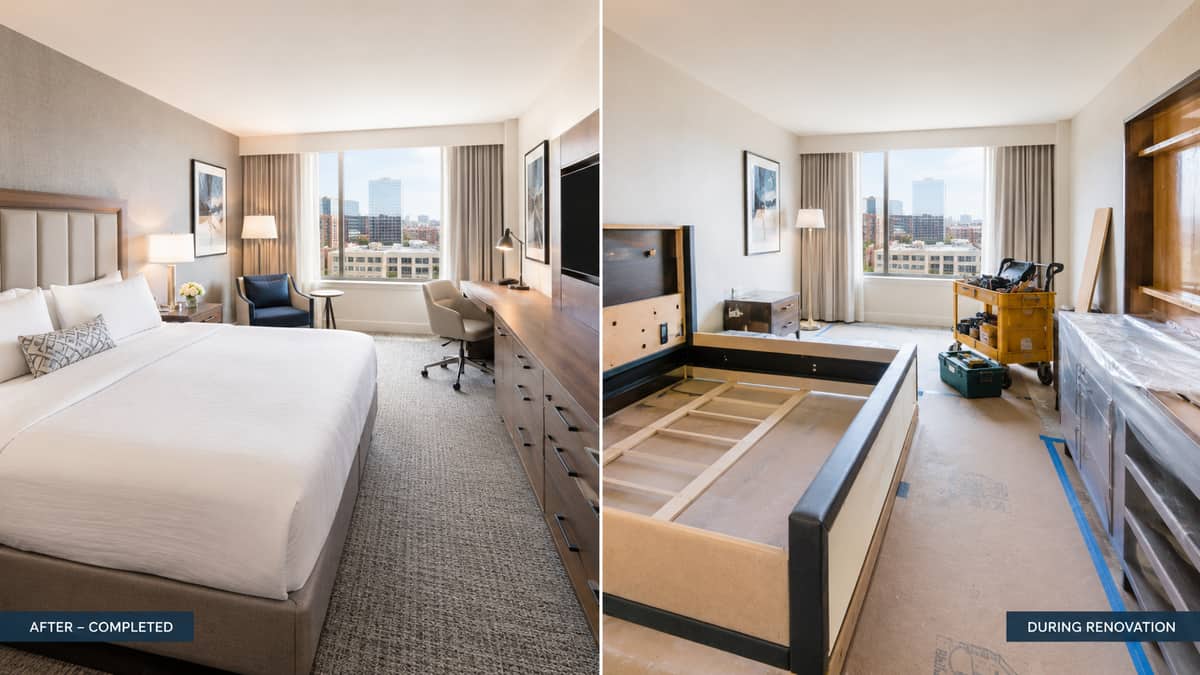
For a property targeting rooms ready before Memorial Day weekend and the start of cruise season, those numbers matter down to the week. If you want a reopening in late May, furniture orders generally need to be placed by late winter, well before the ground has even thawed on-site. Operators who wait until permits clear or construction crews mobilize before thinking about FF&E procurement routinely end up choosing between two bad options once shipping delays hit: accept whatever is sitting in a distributor's Lower 48 warehouse, or miss the start of the tourism season entirely and absorb a full summer of reduced rate.
Outdoor and patio furniture carries its own separate timeline in this climate. Anchorage's freeze-thaw cycle, heavy snow load, and short outdoor season mean rooftop terraces, entry canopies, and lobby-adjacent outdoor seating need pieces rated for real cold and moisture exposure, and that production queue rarely lines up with your interior guestroom order. Plan for it as its own line item rather than assuming it will arrive alongside the rest of your shipment.
Brand Standards and the Anchorage Design Context
Anchorage's hospitality market spans flagged corporate properties, independent boutique hotels, and everything tied to the extended-stay demand that oil and gas rotation schedules create. Flagged properties near the airport and Midtown operate under brand standard manuals covering case good construction, fabric fire ratings, and mattress specifications, the same as anywhere else in the country. Independent properties Downtown and along the Ship Creek and Chester Creek corridors have more design latitude, but that freedom means guests are choosing the property specifically for character, and generic hospitality furniture will show immediately in a market this size.
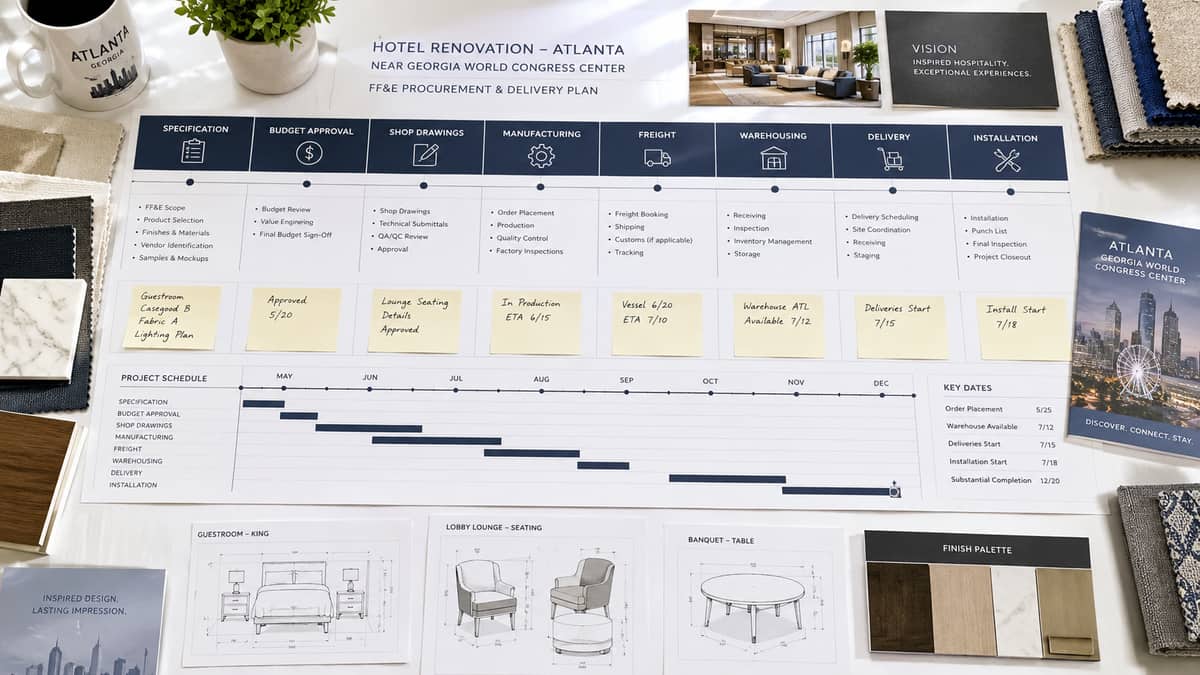
For flagged properties, compliance is non-negotiable. A piece that looks right on paper but fails a fire rating check or misses a flag's seating height minimum gets rejected, and given how long replacement freight takes to reach Anchorage, that rejection can cost a full renovation cycle rather than a few days. Work with a supplier that keeps current brand standard files for major flag groups on hand and cross-references your selections before specs are finalized, well before anything ships.
For independent properties, be explicit about design intent from the first conversation. A supplier that asks about your guest profile, your building's character, and how you compete against Downtown and Midtown alternatives is far more valuable than one that hands you a catalog and waits for a line-item order.
Delivery and Installation in an Operating Property
Getting furniture off a barge or truck and into a working Anchorage hotel without disrupting operations takes real logistical competence. Downtown properties deal with limited loading dock access and freight elevator scheduling shared across multiple buildings. Properties near the airport coordinate around cargo and crew traffic that can complicate delivery windows on short notice. Winter deliveries add their own layer, since snow removal, ice conditions, and daylight hours all affect how reliably a crew can move furniture from a truck into the building.
A supplier with actual experience delivering to occupied Anchorage properties already understands these constraints. They plan around your freight elevator schedule, coordinate with your engineering and housekeeping teams, and build installation timing around actual daylight and weather conditions rather than a generic delivery estimate. Furniture should arrive staged and ready to install in completed rooms, not sitting in a hallway blocking guest access during your busiest season.
Ask every supplier a direct question: have they delivered FF&E to occupied hotel properties in Anchorage or elsewhere in Alaska specifically? What is their contingency plan when winter weather or barge scheduling shifts a delivery date? A vague answer here is a real warning sign. You need a partner who has actually solved this logistics problem before, not just a catalog and a freight quote.
The difference between an Anchorage renovation that reopens in time for peak season and one that bleeds into it almost always comes down to procurement decisions made in the first few weeks of planning, before shipping timelines have a chance to work against you. Treat FF&E as a core operational workstream from day one, and your renovation has a real shot at hitting the market when it matters most.