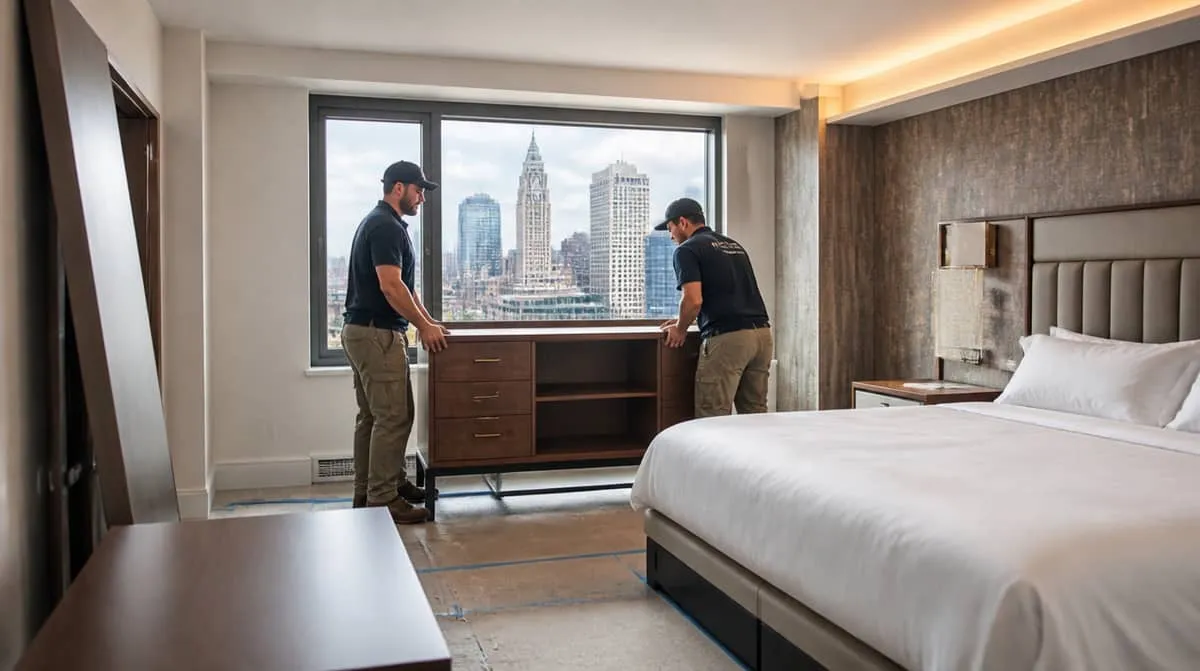
Albuquerque's hospitality market runs on a calendar most operators outside New Mexico underestimate. The Albuquerque Convention Center anchors a steady flow of corporate and association groups into Downtown, while every October the Albuquerque International Balloon Fiesta fills the entire metro, from Uptown to the North Valley, at rates and occupancy levels that make a poorly timed renovation genuinely costly. Old Town and the Route 66 corridor carry decades of heritage character that guests expect properties to respect, and Nob Hill has built a boutique scene that competes purely on design sensibility. Whatever segment you operate in, a renovation that runs long or arrives half finished shows up in your reviews almost immediately. Getting hotel renovation furniture Albuquerque procurement right from the start is not an administrative detail, it's a revenue decision.
Albuquerque's Renovation Calendar Leaves Little Room for Error
Balloon Fiesta week is the single hardest deadline on the Albuquerque hospitality calendar. Properties near Uptown, the North Valley launch field, and along I-25 book out a year in advance, and a renovation that isn't complete before early October means turning away some of the highest-rate business your property will see all year. The Downtown convention calendar around the Albuquerque Convention Center adds a second layer of scheduling pressure, particularly for properties competing for group room blocks tied to citywide events.
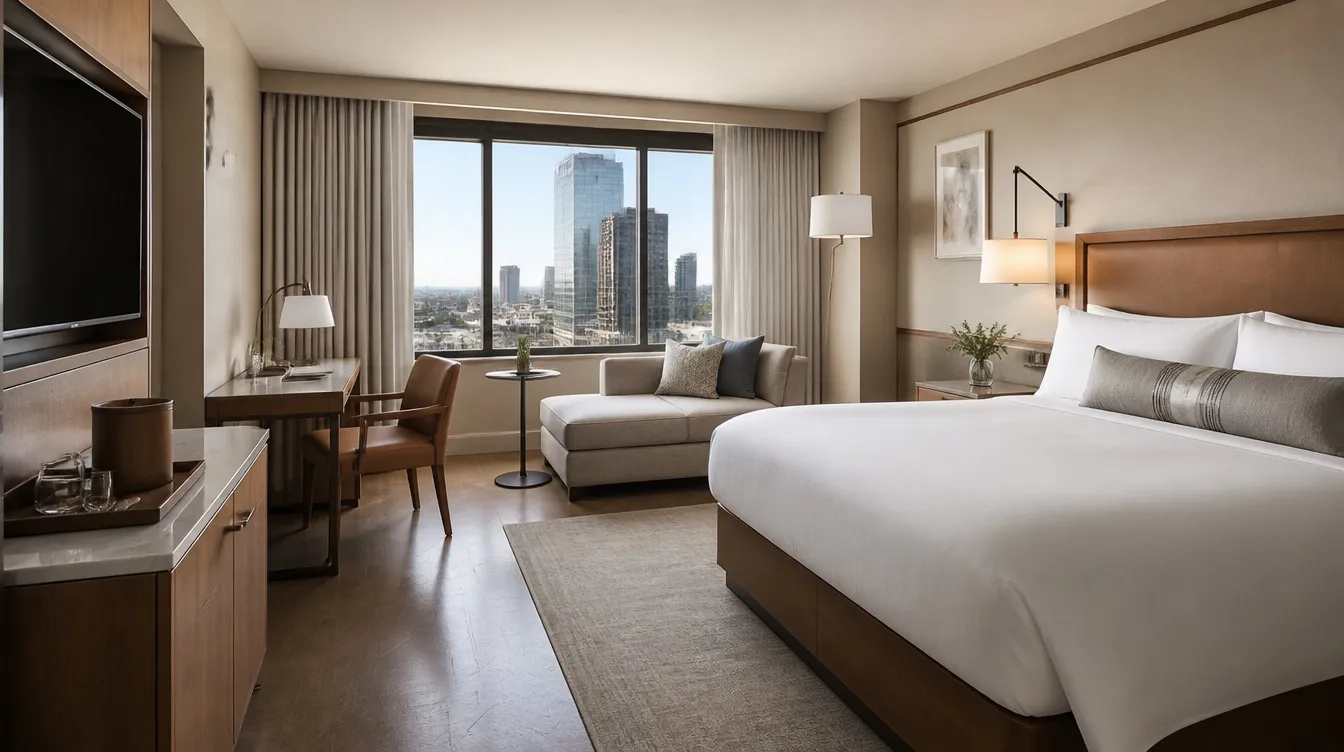
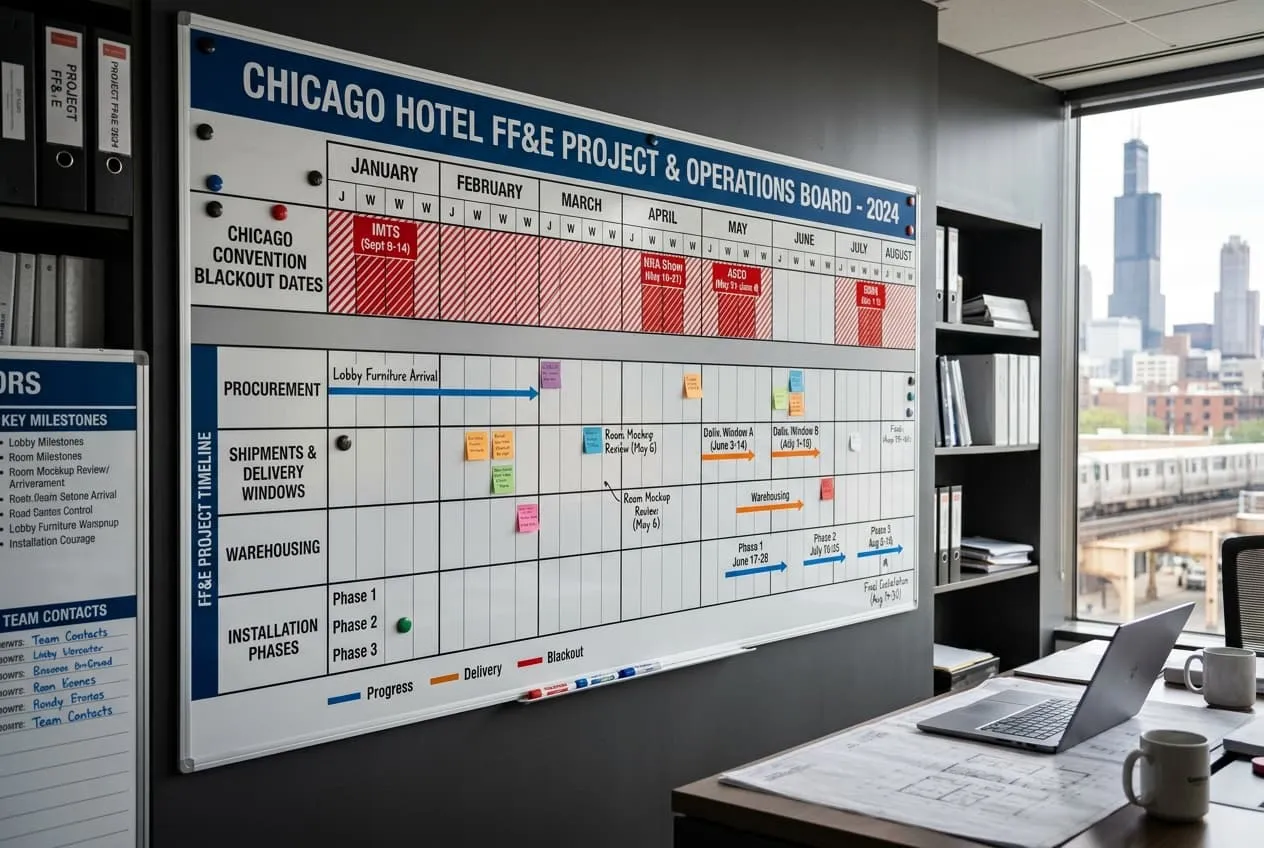
Most Albuquerque renovations run in phases, one wing or floor block at a time, so the rest of the property can keep taking reservations through the work. That protects revenue during the renovation itself, but it demands a supplier who can hold to a staggered delivery schedule rather than treating each shipment as its own transaction. If your FF&E vendor can't commit to dated delivery windows tied to your construction handoff, you'll find out on the first missed floor.
Before signing with any supplier, get delivery windows in writing along with a single logistics point of contact. Put phased milestones directly into the procurement agreement, not as a verbal understanding but as a documented schedule both sides are held to.
FF&E Lead Times: Work Backward From Your Reopening Date
Custom and semi-custom contract furniture typically runs 12 to 18 weeks from order confirmation to delivery. That covers case goods, upholstered headboards and seating, bed frames, and anything requiring COM fabric or a brand-specified finish. Properties along Route 66 or in Old Town restoring a historic building envelope, or Nob Hill boutiques matching a custom finish palette, should add two to four weeks on top of that baseline for proprietary specs.
If you're targeting a reopening ahead of Balloon Fiesta or the fall convention season, those numbers matter down to the week. Want rooms ready by mid-September? Furniture orders need to be placed by late spring at the latest. Operators who wait until permits clear or demolition starts before thinking about FF&E consistently end up choosing between two bad options, buying off the shelf pieces that don't match the design intent, or missing the reopening date and absorbing the lost rate.
Outdoor and patio furniture carries its own separate timeline. Albuquerque's high desert climate means big swings between summer heat and cold, dry winters, and outdoor contract pieces built to hold up under intense UV exposure and temperature extremes often run their own production queue apart from interior FF&E. Plan for that separately rather than assuming a pool deck or rooftop order will land alongside your guestroom shipment.
Brand Standards and the Albuquerque Design Context
Albuquerque's hospitality inventory spans a genuinely wide range. Flagged full-service properties around Uptown and Downtown operate under brand standard manuals that dictate case good construction specs, fabric fire ratings, and mattress minimums. Independent and boutique properties in Nob Hill and Old Town operate with more design freedom, but that freedom comes with higher expectations. Guests choosing an independent property in those neighborhoods are choosing it specifically for its Southwestern character and design point of view, and generic hospitality furniture will not satisfy that expectation.
For flagged properties, brand compliance is not optional. A piece that looks right but fails a fire rating review or misses the flag's seating height minimum gets rejected, and your timeline absorbs the delay. Work with an FF&E supplier that keeps brand standard documentation on file for major flag groups and can cross-check your selections before specs are finalized. That review, done early, prevents the costly back-and-forth that derails renovation schedules.
For independent properties, your design intent is your brand standard. Define it clearly before procurement starts. A supplier who asks specific questions about your guest profile, your building's architectural history, and your competitive set in Nob Hill or Old Town will serve you far better than one that hands you a catalog and waits for a line-item order.
Delivery and Installation in an Operating Property
Getting furniture into a working Albuquerque hotel without disrupting daily operations takes real logistical skill. Downtown properties near the Convention Center deal with event move-in and move-out traffic that can restrict loading dock access on certain days. Older Route 66 and Old Town buildings often have narrower service corridors and limited freight elevator capacity, which changes how a delivery crew has to stage and move product. Uptown high-rises near the interstate have their own delivery windows and access requirements that add coordination overhead.
A supplier with real experience delivering to occupied Albuquerque properties already understands these constraints. They arrive with the right crew and equipment, and a schedule built around your operating calendar rather than their own convenience. They coordinate with your front desk, engineering staff, and general contractor so new furniture lands staged and ready for installation in finished rooms, not stacked in a hallway blocking a guest elevator.
Ask every supplier you're evaluating a direct question: have they delivered to occupied hotel properties in Albuquerque specifically, and what is their protocol for white-glove installation in an active building? A vague answer is a real warning sign. You need a partner with operational experience in this market, not just a catalog and a freight estimate.
The difference between a renovation that reopens on schedule and one that drags past every deadline usually comes down to decisions made in the first few weeks of planning. Treat FF&E procurement as a core operational workstream from day one, and your Albuquerque property has a real shot at opening the way it was designed.
Planning hotel renovation furniture for your Albuquerque project? Share your specs and quantities and we will build pricing around your actual program. Request a quote to get numbers for your space.