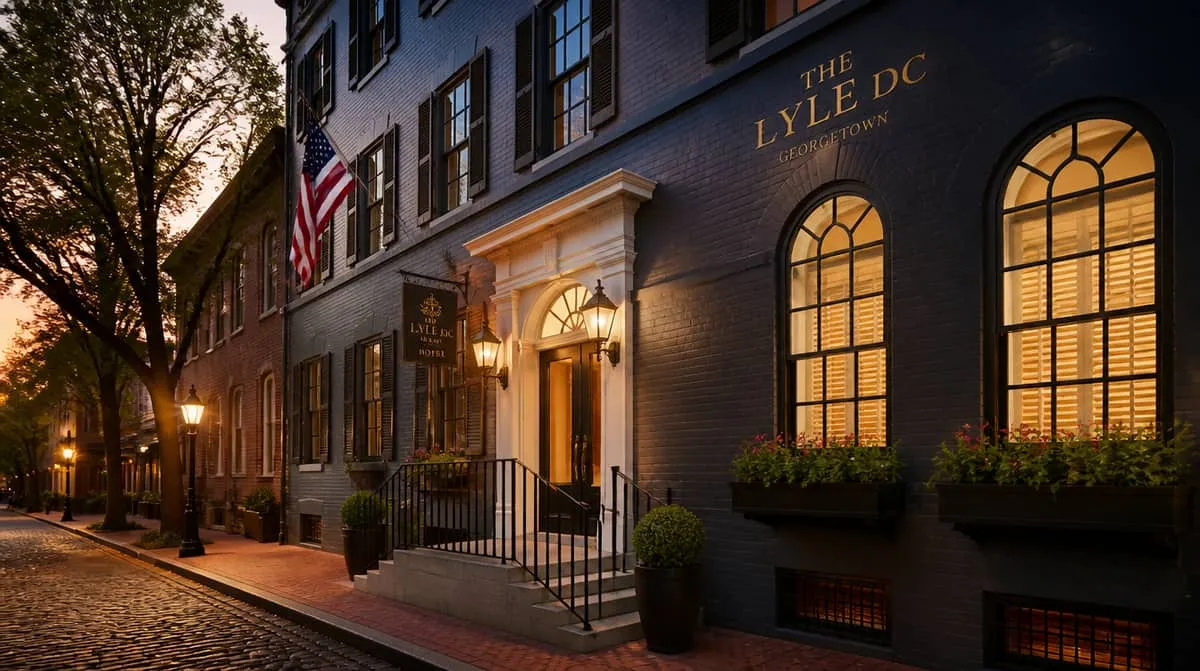
Washington DC hotel lobbies carry a weight that lobbies in most other American cities do not. In a city where power is the primary currency and every meeting has a subtext, the hotel lobby is one of the few genuinely neutral spaces where government contractors, lobbyists, foreign diplomats, and congressional staff can have conversations that are off-campus without being off-the-record. The lobby of a K Street hotel on a Tuesday afternoon during Congressional session is a working environment laptops out, coffee in hand, deals being discussed in low voices across well-chosen lounge chairs. Hotel lobby furniture Washington DC needs to serve that function while projecting the institutional confidence that DC's professional guest mix expects as a baseline.
The Functional Role of DC Hotel Lobbies
Washington DC hotel lobbies operate differently than their counterparts in leisure-oriented markets. In Las Vegas, the lobby is a transitional space guests move through it quickly on the way to the casino or pool. In DC, the lobby is a destination. Government and legal professionals use hotel lobbies for working meetings with clients, for pre-meeting staging, and as a comfortable neutral ground when the office is too formal or the restaurant is too visible.
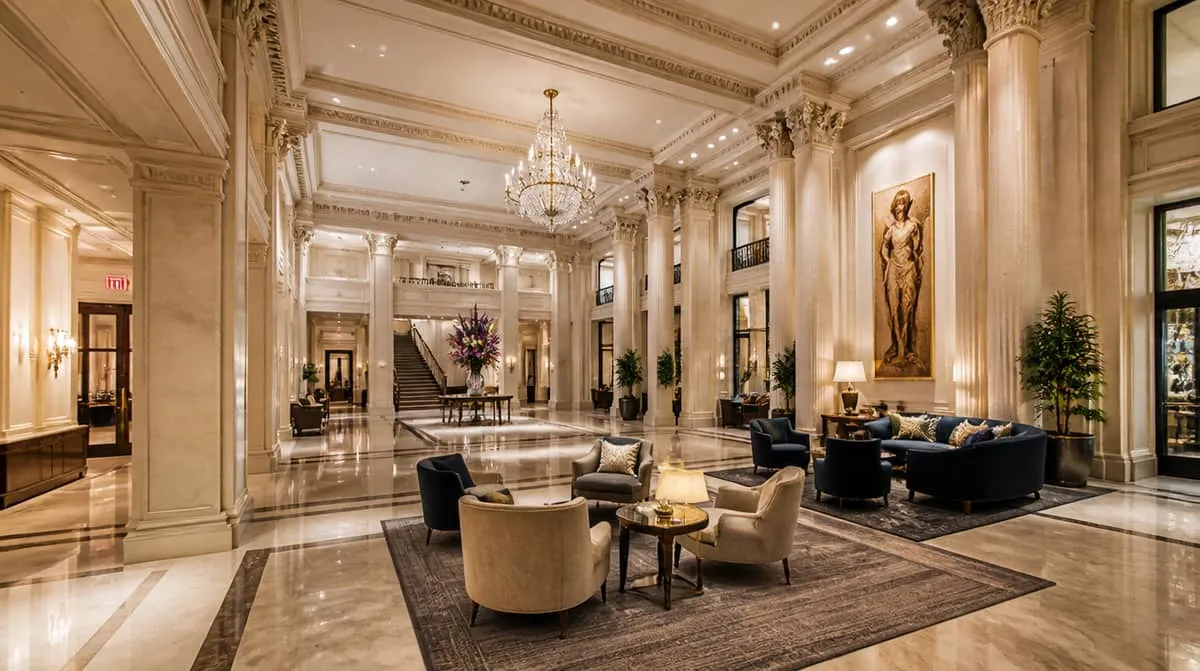
This means hotel lobby furniture in DC sees a different pattern of use than almost anywhere else in the US. Hotel lounge chairs and sofas in Downtown DC hotel lobbies are occupied for hours at a stretch by guests who are treating them as office seating. This creates specific durability requirements: foam density that maintains its support across a full day of use, fabric that holds up under prolonged seated contact in business attire, and frame construction that tolerates the weight distribution of guests who work in postures forward-leaning, crossed-legged, reclined that traditional seating design does not always anticipate.
The Embassy Row and Dupont Circle hotel corridor adds a diplomatic dimension. Foreign government delegations use hotel lobbies as their in-DC office when they are between official meetings. The visual impression the lobby makes the quality of the furniture, the proportions of the seating groups, the material palette is being evaluated against reference points that include Europe's finest hotel lobbies. A lobby that reads as generic or under-furnished in this context communicates something specific about the property's positioning that management may not intend.
Georgetown hotel lobbies face a slightly different brief. The neighborhood's townhouse architecture converted rowhouses and historic buildings creates lobby spaces that are typically smaller and more intimate than the grand atrium lobbies of downtown convention hotels. Hotel lounge chairs in Georgetown properties need to be selected for scale as much as style: oversized pieces swamp a small historic lobby, while the right proportion communicates curated comfort. The aesthetic here runs toward the traditional end of DC's design spectrum mahogany or walnut frames, leather upholstery in dark tones, brass or bronze accents.
Shaw and Capitol Hill boutique hotel lobbies are where DC's design evolution is most visible. Properties in these neighborhoods are pushing a more contemporary direction: cleaner furniture profiles, lighter proportions within the same serious material palette, lobby layouts that feel less formal without sacrificing the sense of quality. The furniture choices in these lobbies are doing active brand positioning work signaling to guests that this property is a sophisticated alternative to the downtown chain hotels without announcing itself as a trendy boutique that won't take their business travel seriously.
Design Specification for DC Hotel Lobby Furniture
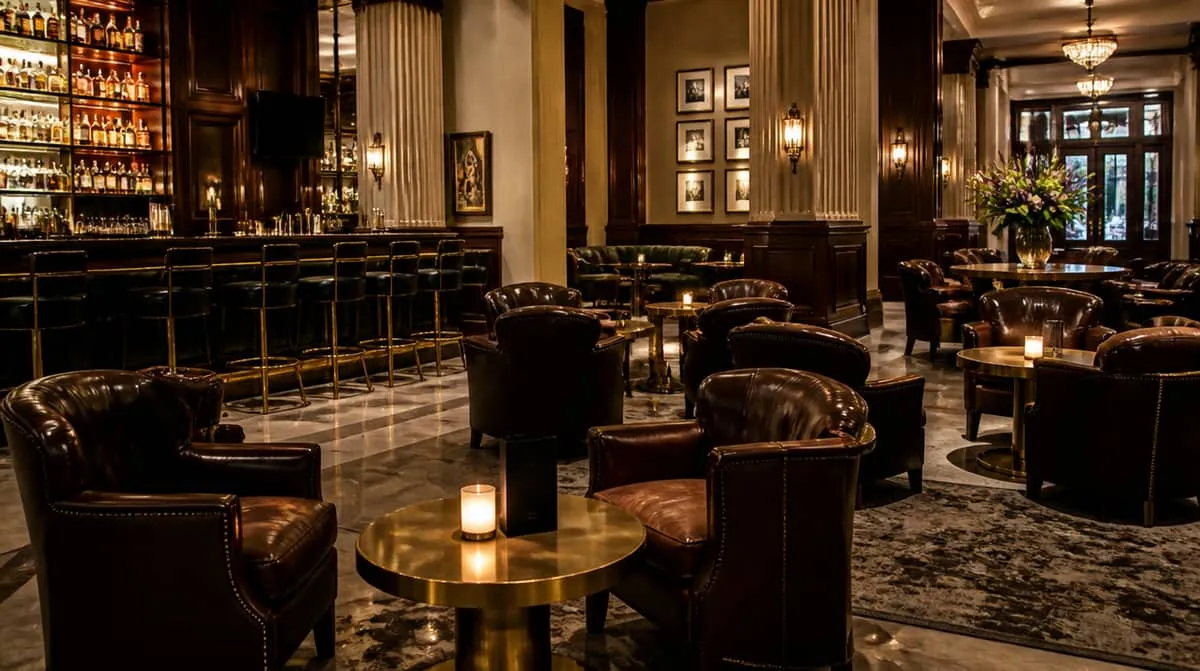
The DC hotel lobby design brief is among the most demanding of any US market in terms of balancing aesthetic expectations with commercial performance requirements. The aesthetic direction is clear: dark wood tones, leather or high-performance upholstery in the city's characteristic palette (navy, forest green, burgundy, charcoal), brass and bronze metal accents. But the commercial requirements are equally non-negotiable.
Hotel lobby seating in DC properties should be specified with foam density appropriate for extended seating sessions high-resilience foam at 1.8 pounds per cubic foot minimum, with a stiffer base foam beneath the comfort layer to prevent bottoming-out over time. A lobby chair that looks excellent on day one but feels compressed and unsupportive after six months of DC professional use will generate negative reviews and require earlier replacement than properly specified alternatives.
Fabric specifications for DC hotel lobbies should emphasize both durability and visual weight. A fabric that reads as lightweight or casual lightweight linen blends, loose-weave textures, bright patterns conflicts with the professional environment the lobby serves. Tighter weave patterns in appropriate tones, or performance leather and leather-look vinyl in the DC palette, are more appropriate. Double-rub ratings for lobby seating fabrics should be 100,000 or higher given the extended daily seating patterns of DC's professional guest mix.
Commercial coffee tables and occasional tables in DC hotel lobbies need to function as actual working surfaces not just decorative elements. Guests who are using the lobby as a working environment will place laptops, documents, coffee cups, and phones on lobby tables in combinations that exceed what purely decorative occasional tables are designed to handle. Solid surface tops stone, tempered glass, or high-pressure laminate on commercial-grade bases perform better than decorative veneers in this context.
Lobby layout in DC hotels needs to balance the visual impression of arrival with the functional requirements of a working lounge. Seating groupings should be arranged to provide reasonable acoustic privacy groups of four to six seats separated by sufficient distance that adjacent conversations do not interfere while maintaining visual sightlines that allow the front desk to monitor the lobby. This is a security consideration that matters more in DC than in most markets: government-adjacent properties and those serving diplomatic guests are more sensitive to lobby security protocols.
Procurement Planning for DC Hotel Lobby Projects
Lobby furniture renovation is one of the most guest-visible investments a DC hotel makes, and the sequencing of procurement, delivery, and installation requires more careful planning than back-of-house or even guestroom projects. The lobby is the first and last impression every guest has of the property installing new furniture during a high-occupancy period means executing a logistics operation in front of your most important guests.
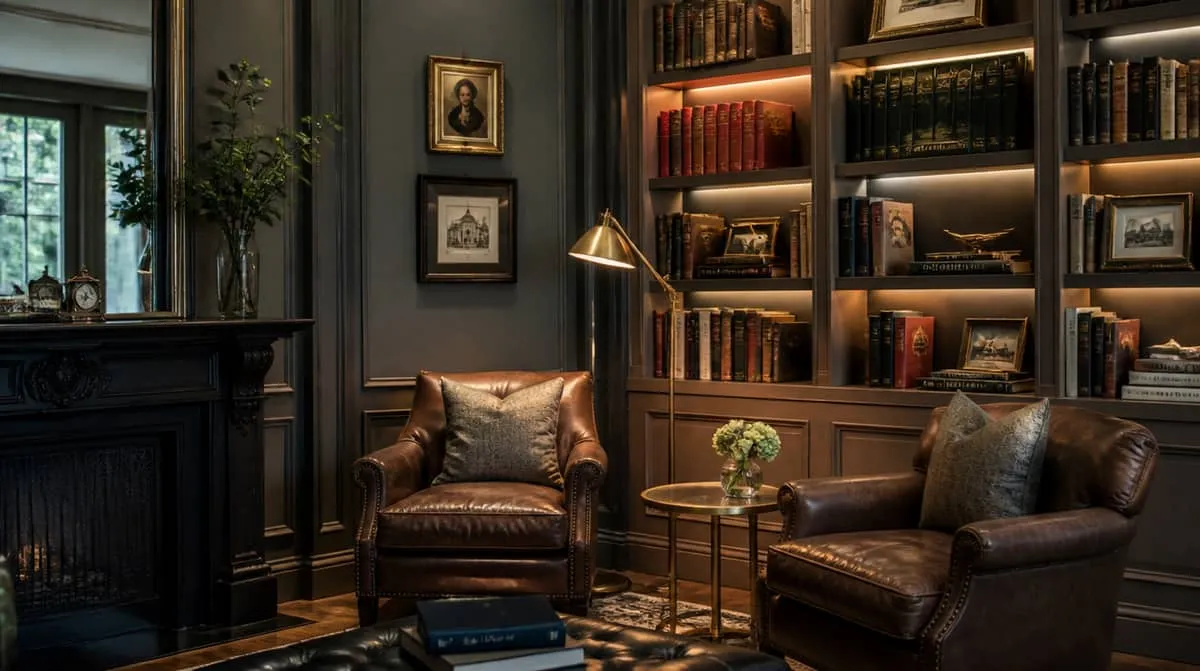
Custom upholstered lobby seating runs 10 to 14 weeks from order release. For DC properties targeting installation during the August recess or the December-January holiday window, procurement needs to begin four to five months in advance. A hotel lobby furniture Washington DC supplier who understands the DC market will help you time the project to minimize guest-facing disruption and ensure product quality meets the expectations of one of the country's most discerning professional guest populations.
We quote hotel lobby furniture for Washington DC operators against their own layouts and order sizes rather than a generic sheet. Request a quote and we will put together pricing for your property.