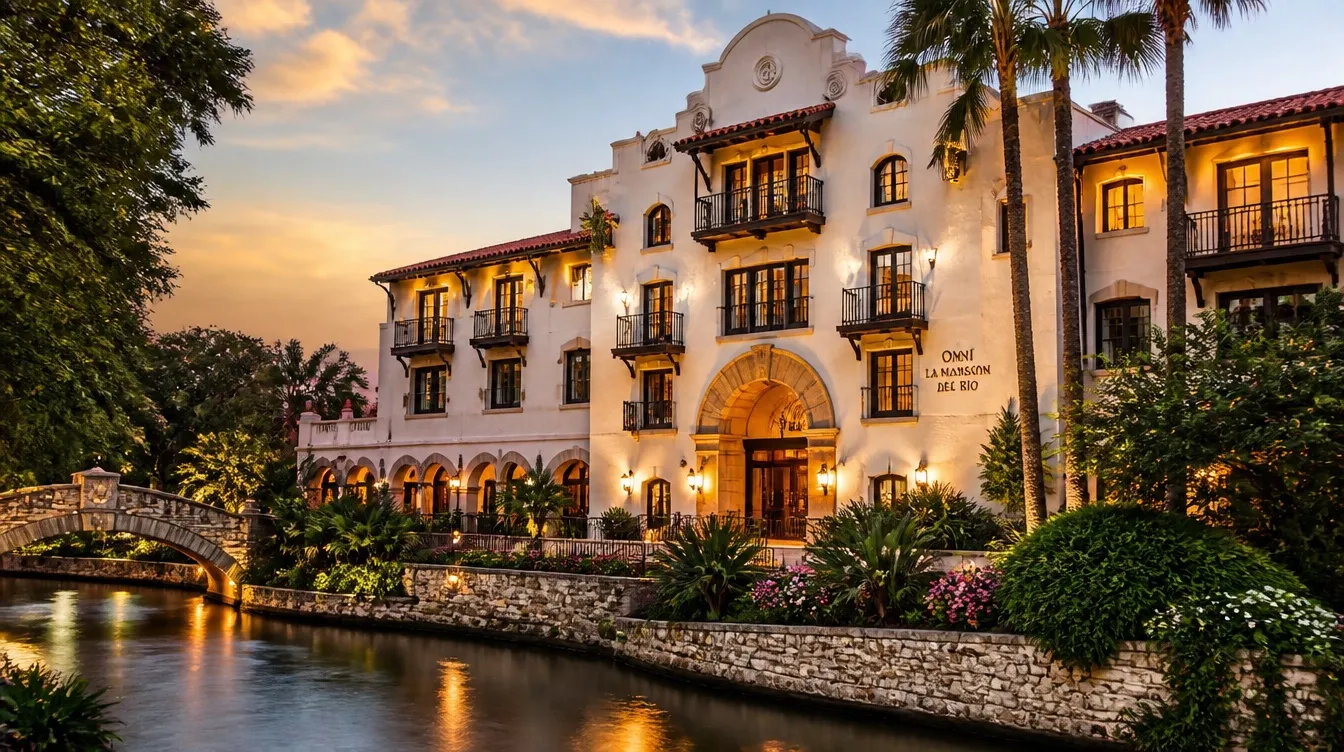
San Antonio hotel lobbies have a specific challenge that lobbies in other Texas cities don't face at the same intensity: they serve an extraordinarily diverse guest mix simultaneously. A River Walk hotel lobby on a Wednesday afternoon in April during Fiesta San Antonio might have families arriving from a day on the walk, military contractors checking in from Joint Base San Antonio, convention delegates coming from the González Convention Center, and a corporate group from USAA gathering before a dinner event all at the same time, all using the lobby for different purposes. The furniture program running that lobby needs to accommodate all of them while maintaining the visual coherence that communicates the property's identity to every guest who walks through the door.
The shift from lobby as throughway to lobby as destination has been embraced by San Antonio's stronger hotel properties, and the evidence for the shift is in the revenue numbers. Hotels that have programmed their lobbies as genuine gathering spaces with coffee programs, bar access, comfortable work-friendly seating, and visual design that makes people want to stay rather than pass through are outperforming competitive set on ancillary revenue in ways that trace directly to the lobby environment. The hotel lobby furniture running these programs is not a cost line to minimize; it's a revenue-generating asset.
Seating Strategy for San Antonio's Mixed-Use Lobby
The seating conversation for a San Antonio hotel lobby starts with the guest demographic mix and the use patterns that follow from it. River Walk properties serving primarily leisure tourists need a higher proportion of social and group seating, with configurations that work for families consulting their itineraries, couples deciding where to have dinner, and tour groups gathering before departure. Convention delegates need seating that handles individual waiting and small-group meetings a couch and two chairs arranged for conversation rather than the parallel seating that works for people waiting independently. Military contractors and corporate travelers from USAA and Valero need work-friendly seating with surface access and power nearby.
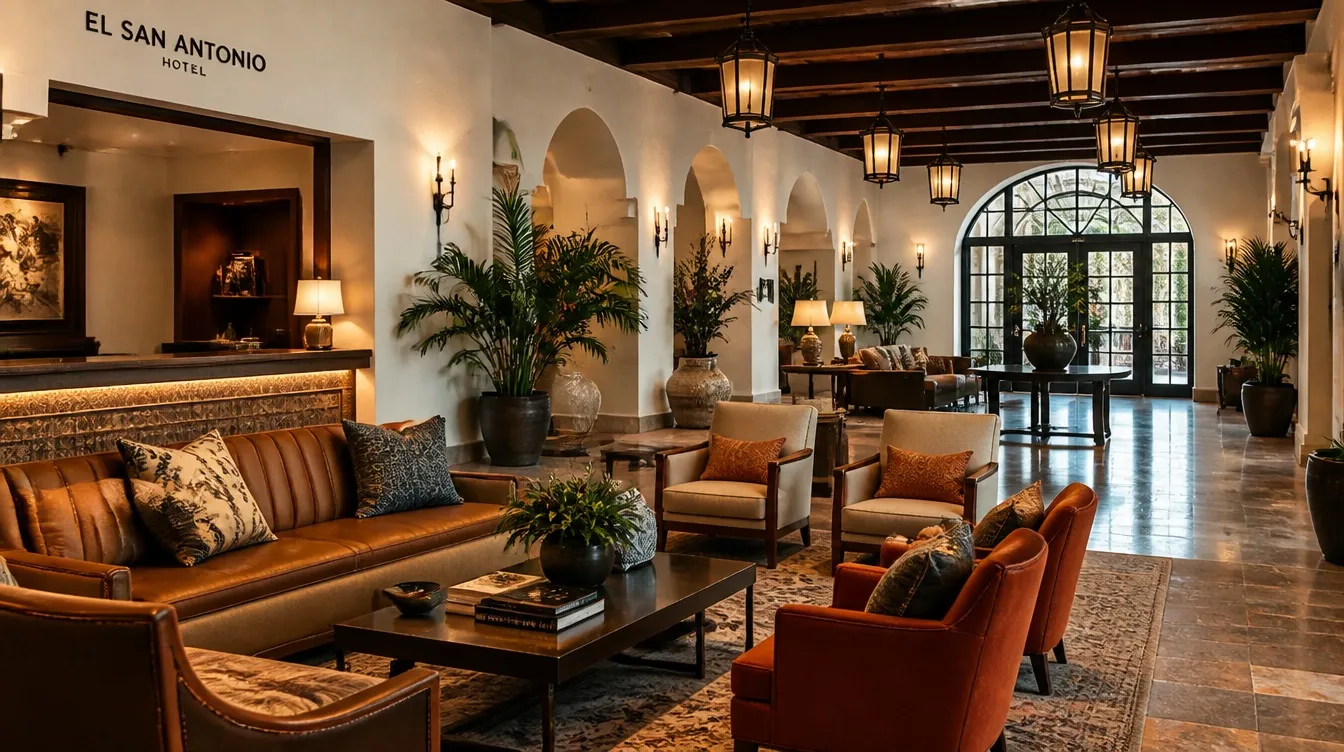
A well-designed San Antonio hotel lobby seating program addresses all three use patterns without creating a furniture collection that looks chaotic or unfocused. The design vocabulary of the city the Spanish Colonial warmth, the Texas Hill Country material references, the wrought iron and natural stone that appear throughout downtown San Antonio's built environment is the organizing principle that allows diverse furniture types to cohere. Upholstered lounge chairs in warm earth-tone performance fabrics, cocktail tables in materials that reference natural stone or weathered wood, case goods with wrought iron hardware details: these are the elements of a San Antonio lobby furniture program that serves diverse use patterns while communicating a specific sense of place.
Commercial specification is non-negotiable for any River Walk lobby property. A chair in a 300-room River Walk hotel might be occupied 600 or more times per day when guest use is combined with local visitors using the lobby bar. The foam density, frame construction, and fabric abrasion rating appropriate to that kind of cycling are defined by commercial contract specification, not by what looks adequate on a showroom floor.
Hard Surface Furniture and Arrival Experience
Lobby tables in San Antonio hotels are functional furniture operating in an aesthetic context that rewards thoughtful material selection. Commercial cocktail tables need properly weighted bases with leveling capability, surfaces that resist the daily accumulation of drink rings, laptop marks, and luggage damage, and a finish selection that connects to the property's design vocabulary. The commercial contract market offers surface materials stone tops, ceramic and porcelain tiles, textured laminates in natural material references that allow a designer to express the San Antonio aesthetic without sacrificing functional durability.
The front desk case goods are the first substantial furniture the arriving guest encounters after stepping through the door, and they communicate the property's quality level in the first thirty seconds of the stay. A front desk that looks dated, with case goods that don't match the quality signal of the lobby's seating and tables, creates a visual inconsistency that sophisticated guests register immediately. Specifying the front desk case goods as part of the same furniture program as the lobby seating, with finish and material selections that connect across both, is the standard approach for properties where the lobby environment is a competitive tool.
Console tables and accent pieces throughout the lobby serve both functional and design purposes. In a San Antonio property, accent pieces with genuine craft character handmade ceramic elements, natural fiber textiles, leather-wrapped accessories contribute to the sense of place in ways that generic contract accessories don't. These pieces are relatively low cost relative to the impression they make, and they're worth budgeting for as part of the lobby furniture program rather than treating as optional additions.
The Pearl District Lobby Aesthetic
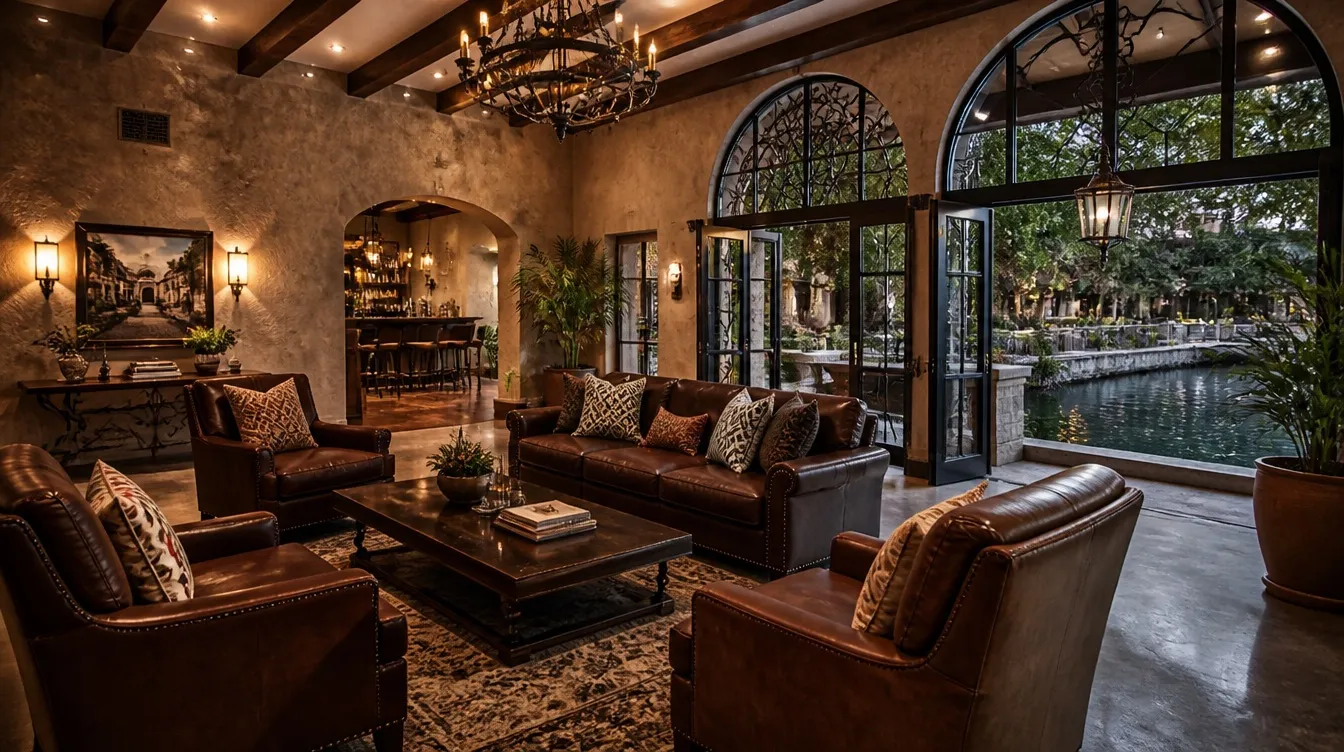
Pearl District hotel lobbies are operating in a design context that has received national media attention, and the properties in this neighborhood have a furniture brief that is specifically responsive to the Pearl's industrial-meets-contemporary-Texas character. The lobby furniture in a Pearl District hotel that was designed with the same care as Hotel Emma's public spaces needs to be at a quality and design intentionality level that guests who visit the Pearl specifically for its design culture will recognize and respond to.
This means lobby furniture programs that include genuinely distinctive pieces, whether custom or from commercial manufacturers who work in the right aesthetic vocabulary. Warm steel and reclaimed wood cocktail tables. Upholstered lounge chairs with the kind of profile and craft quality that Pearl District visitors associate with the neighborhood's restaurant and retail design. Accessories that reference San Antonio's material culture in ways that feel considered rather than decorative.
Maintenance and Replacement Planning
San Antonio hotel lobbies running at River Walk or Pearl District volume need a furniture maintenance and replacement program that keeps the lobby looking current rather than gradually degrading. An annual maintenance reserve, set as a percentage of the lobby furniture replacement value, and a clear specification record that allows accurate reorders of matching product when individual pieces need replacement, are both elements of responsible lobby management for properties running active programming.
The lobby furniture that is most visible the pieces guests touch and use most wears the fastest and should be on the shortest replacement cycle. High-traffic lounge seating, entry zone case pieces, and front desk casegoods are all worth reviewing annually rather than on a five-year refresh cycle.
Pricing for hotel lobby furniture in San Antonio depends on quantities, finishes, and your delivery window, so a project-specific quote beats any list figure. Request a quote to get yours.