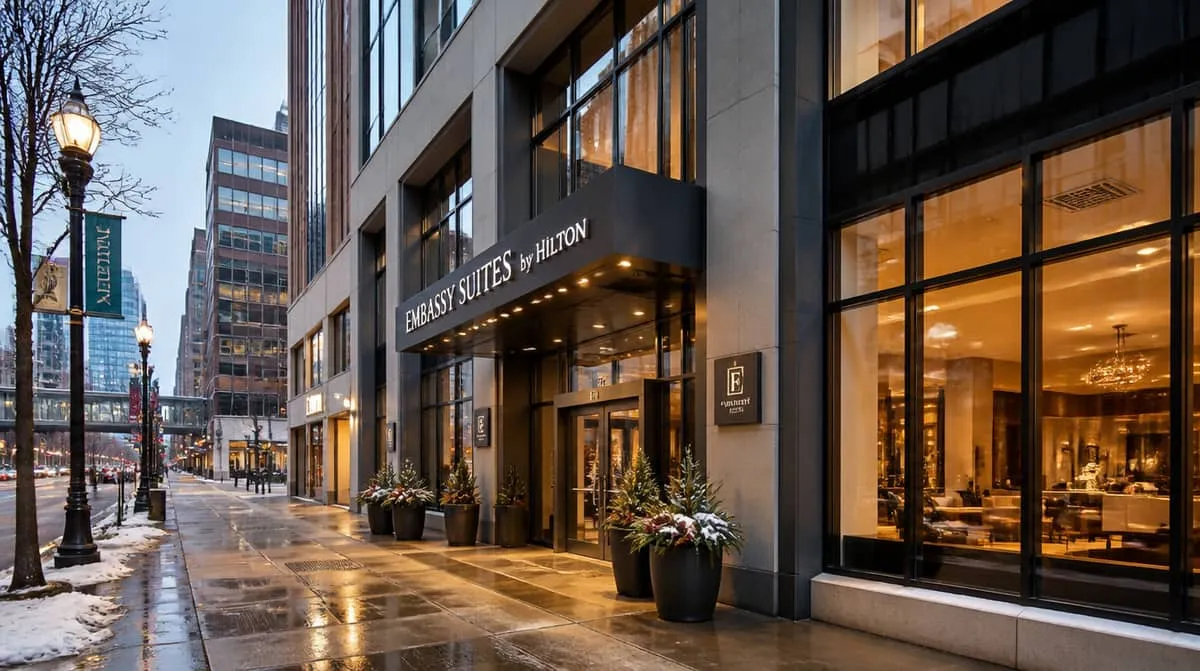
Hotel lobbies in Minneapolis carry a responsibility that lobbies in warmer markets simply do not have. From November through March, a guest arriving at your property has just navigated sub-zero temperatures, wind chill, and the particular exhaustion of a Minnesota winter commute or a connecting flight through a winter delay. The lobby they walk into has one job in that first sixty seconds: make them feel warm, welcome, and certain they made the right choice. Furniture is the primary vehicle for that experience. Not signage, not scent, not background music the physical warmth and visual softness of what they sit in and what surrounds them. Minneapolis hotel lobby furniture is a hospitality tool with a specific seasonal purpose, and operators who understand that design around it. Operators who do not notice when their lobby reviews start mentioning how cold the space feels.
Lobby Seating Strategy for Minneapolis Hotels
The foundational principle for a Minneapolis hotel lobby is warmth as a design priority, not a design afterthought. Birch and ash wood tones, upholstered seating in grey-blue or warm neutral palettes, natural texture in wool or wool-textured performance fabric, low-profile furniture that creates visual softness rather than hard edges. This is the Scandinavian-modern design language that the Minneapolis market has earned through its design culture, and it works because it is functionally correct for the environment.
Lounge chairs anchoring a lobby seating cluster should have upholstered seat and back construction in a warm fabric high-resiliency foam rated for commercial use (1.8 lb minimum density), fabric rated for 50,000 double rubs minimum. A lobby lounge chair at a convention hotel near the Minneapolis Convention Center or a corporate hotel serving Target and Best Buy headquarter accounts will see sustained occupation through a busy conference week. Foam that compresses flat in year two becomes a visible and tactile failure that guests photograph and mention in reviews.
Sofas in lobby configurations should be sized and positioned for genuine use, not for visual staging. A two or three-seat sofa positioned at a ninety-degree angle to a lounge chair with a side table between them creates a conversation cluster that invites occupation. A sofa positioned against a wall in a row creates a waiting room. Minneapolis hotel guests particularly the medical device and corporate convention travelers who represent a significant portion of the downtown market are spending time in your lobby between meetings and sessions. Give them a reason to stay.
Ottomans add flexibility and visual warmth. A large upholstered ottoman in the center of a seating cluster serves as a coffee table, extra seating, and a visual anchor that softens the geometry of a formal lobby arrangement. In hotels connected to the Skyway system, where lobby and common areas absorb foot traffic beyond the hotel guest count, ottomans at secondary seating zones create satellite warmth pockets that guests and Skyway visitors naturally gravitate toward.
Skyway Connection and Extended Common Area Planning
Downtown Minneapolis hotels connected to the Skyway system operate in a foot traffic environment that most American hotel lobbies do not experience. The Skyway brings in people moving through not just hotel guests, but downtown workers, shoppers, and neighborhood regulars seeking the warmth of a connected interior route during the cold months. This changes the lobby and common area design brief.
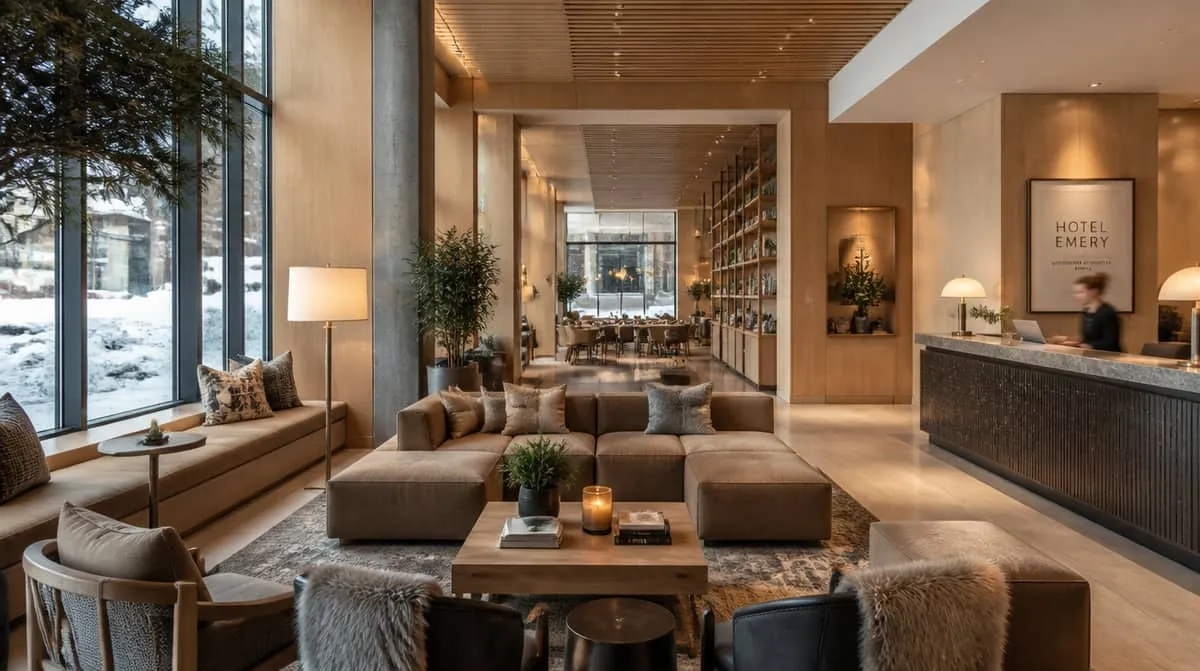
Lobbies in Skyway-connected properties need to accommodate transient occupancy alongside guest occupancy without creating friction between the two. This means seating zones that feel organized and intentional rather than open-floor arrangements that are difficult to navigate. Clear sightlines from the check-in desk to seating areas allow staff to monitor without intruding. Furniture groupings with defined spatial boundaries area rugs under each cluster, side tables at every grouping create implied zones that direct traffic without requiring signage.
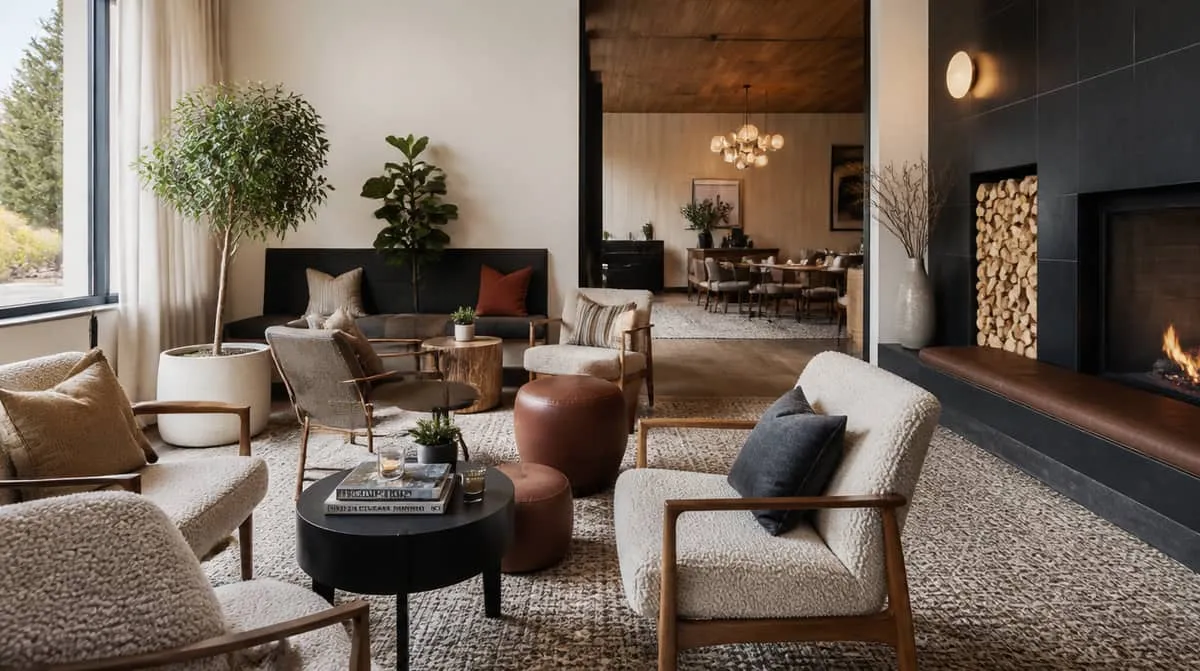
Secondary seating areas near Skyway access points warm nooks with a pair of lounge chairs and a small table become meaningful features during the winter season. These are not overflow zones. They are hospitality investments that guests and visitors remember. Specify these spaces with the same care as the primary lobby seating cluster.
North Loop boutique hotels in warehouse buildings benefit from the natural warmth of the architecture exposed brick, timber, original wood floors and should choose lobby furniture that complements rather than competes with those materials. Low-profile seating in warm wood tones and muted upholstery allows the architecture to do its work. Bloomington properties near the Mall of America operate in a different context high-volume family and leisure travel alongside business demand and may benefit from lobby furniture that is slightly more durable and reconfigurable to accommodate higher traffic variance.
Commercial Specification and Procurement
Contract-grade construction is not optional for hotel lobby furniture in a Minneapolis convention market property. The frame construction, foam density, and fabric ratings that distinguish contract furniture from residential and semi-commercial alternatives matter precisely because lobby pieces see sustained use across a long operating season. A lobby chair at a corporate hotel serving year-round convention traffic from the medical device industry is occupied for more hours per year than most residential furniture sees in a decade.
Frame construction: kiln-dried hardwood or steel frame with corner blocks and reinforced joints. Avoid particleboard or MDF in structural components for any lobby seating. Upholstery: commercial-grade fabric or performance leather with a minimum 50,000 double-rub rating for standard lobby seating, 100,000 double rubs for high-traffic accent pieces. Cushion construction: 1.8 lb high-resiliency foam with dacron wrap for shape retention.
Lead times for upholstered lobby furniture run twelve to sixteen weeks from confirmed order. Budget for this in project scheduling a hotel lobby renovation or new-build FF&E delivery that misses an opening date because lobby furniture was ordered too late is a recoverable but expensive mistake.
Work with a contract furniture supplier who has supplied comparable hotel lobby projects. Ask for references from hospitality accounts in convention markets. A supplier who understands what a lobby needs to do in a market like Minneapolis not just aesthetically, but operationally will make better recommendations than a generalist catalog supplier.
We quote hotel lobby furniture for Minneapolis operators against their own layouts and order sizes rather than a generic sheet. Request a quote and we will put together pricing for your property.