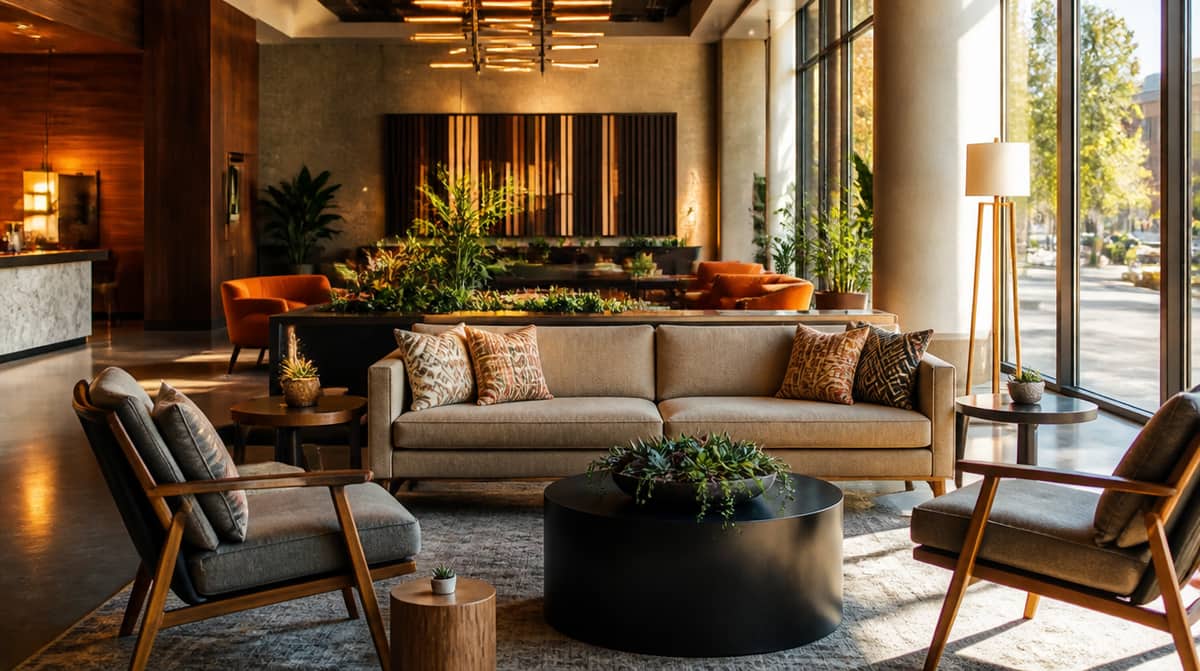
A rancher's family checks in after a full day at Frontier Days, dust still on their boots from the rodeo grounds, while three rows over a state agency traveler in a pressed jacket is checking email before a morning meeting near the Capitol. Both of them are standing in the same forty square feet of your lobby, and both of them are forming an opinion about your property in the first few seconds, before the front desk agent has said a word. In Cheyenne, that split-second read matters because your guest mix genuinely is that varied, and furniture that only speaks to one side of it is doing half its job.
Cheyenne is not a market that fits a single hospitality template. It carries the state's seat of government, a working rail and ranching economy, a growing energy and logistics sector along the I-80 and I-25 interchange, and one of the largest outdoor rodeo and western celebration events in the country every July. That combination puts a wide range of guests through the same lobby doors across a given month, and the furniture program has to hold up under all of it.
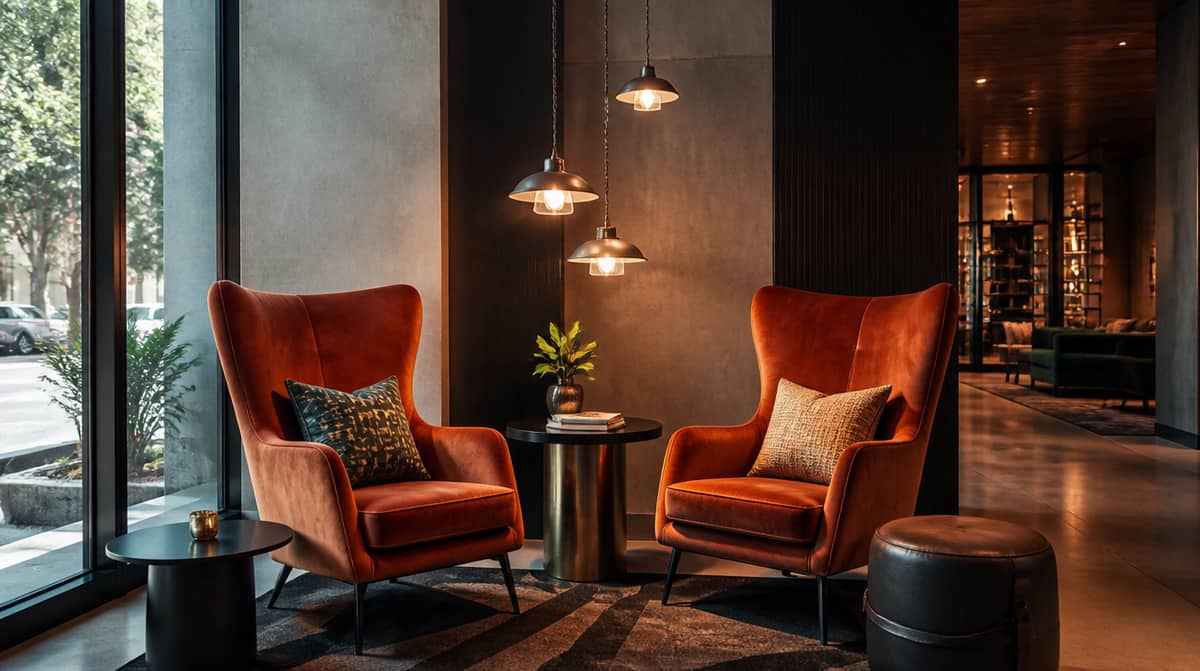
Cheyenne's Guest Mix Is Genuinely Two Markets in One Building
The properties along the I-80 and I-25 corridor and near the Cheyenne Ice and Events Center are built around a fast-moving, high-turnover guest. Legislative session travelers, state agency staff, energy and rail industry crews working the surrounding fields and yards, and truckers rotating through on long hauls all cycle through these lobbies at a pace that has little patience for delicate furniture. A property near the interstate exits can turn its entire guest count over in a single evening during a busy week, and lobby seating built for occasional use starts to show wear inside a year under that kind of traffic.
Downtown Cheyenne and the properties closer to the historic Depot Plaza and the West Edge district are working a different angle. This part of the city has invested seriously in its walkable core, restoring the old rail depot area and building out restaurants and retail that draw a guest who wants a boutique feel without leaving a smaller market. Hotels in this stretch are competing for the traveler who is choosing between a chain box and something with more character, and lobby furniture is one of the clearest signals of which side of that line a property falls on.
Then there is Frontier Days itself, ten days every summer that draw hundreds of thousands of visitors to a city of fewer than 65,000 residents. Hotel lobbies across Cheyenne absorb a surge of arrivals, departures, and daytime lounging that no other week of the year replicates. Furniture that looks fine in a normal week can get exposed fast during that stretch, and a property that has already built its lobby program around genuine contract-grade construction is the one that comes through Frontier Days without a scramble.
What Wyoming's Climate and Altitude Do to Lobby Furniture
Cheyenne sits at over 6,000 feet on the high plains, and that elevation comes with its own set of stresses on furniture that operators in lower, wetter markets rarely have to think about. The sun here is intense and the air is dry nearly year-round, which means upholstery and wood finishes take a steady dose of UV exposure through large lobby windows without the humidity that would otherwise slow fading. Fabric that is not rated for sunlight exposure will visibly lighten in the exact seating cluster that gets the most window light, often within eighteen months of installation.
The dryness itself is a frame issue as much as a fabric issue. Wood that has not been properly kiln-dried before construction will continue to shrink and check in Cheyenne's low-humidity air, loosening joints that were tight on delivery day. Add in the region's notorious wind, which drives dust and grit into lobbies every time a door opens, and glide hardware and swivel mechanisms need to be built for regular cleaning and regular use without seizing up. Solid hardwood or steel frames with mechanical fasteners that can be re-tightened, rather than glued or stapled construction, are the pieces that stay solid through a Wyoming winter and a Wyoming August without complaint.
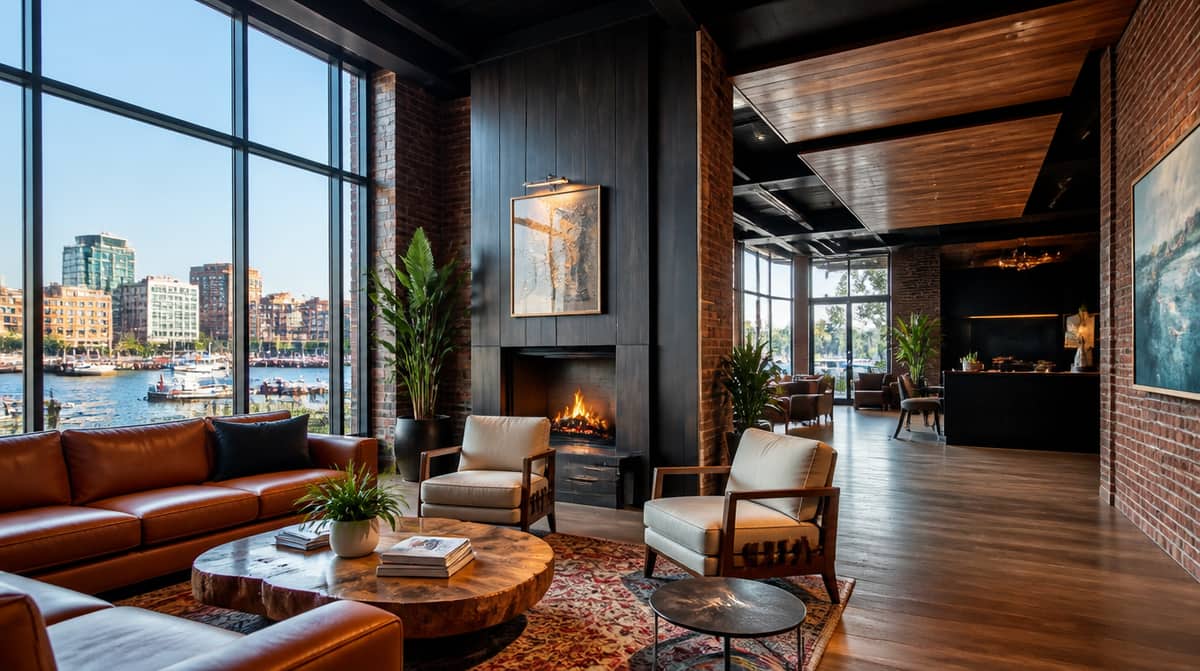
Designing the Arrival Sequence for Cheyenne's Two Guest Profiles
Guests read a lobby in sequence, seating cluster first, then the desk, then the path onward, and Cheyenne properties benefit from designing that sequence with both halves of their guest base in mind rather than picking one lane and hoping it reads well enough for the other.
For properties serving the government, legislative, and energy-sector traveler, particularly those near the Capitol and the downtown business corridor, the furniture should communicate efficiency and quiet competence. Clean-lined lounge chairs in durable, neutral performance fabric, side tables sized for a laptop bag and a coffee cup, and seating spaced to support a quick call or a few minutes of work before a meeting all signal that the property understands its weekday guest.
For properties closer to the rodeo grounds, the fairgrounds, and the family and tourism traffic that builds through spring and summer, the lobby can afford a slightly warmer, more western-inflected material story, leather-alternative accents, wood tones that reference the region, without sacrificing an inch of contract-grade construction. The mistake to avoid is decorating toward a theme with furniture that cannot survive the traffic. A rodeo-week crowd in boots and travel clothes is exactly the guest that exposes underbuilt frames and low-durability upholstery fastest.
Lead Times Matter More in a Market Cheyenne's Size
Cheyenne does not have the density of furniture suppliers and installers that a major metro does, which makes lead time planning even more important here than in larger markets. Contract-grade seating is built to order, and standard lead times run eight to twelve weeks from confirmed specification, longer for COM fabric programs or custom finishes. Properties timing a renovation or a new opening around Frontier Days, a legislative session start, or a seasonal booking push need that lead time built into the project calendar from day one, not discovered halfway through a construction schedule.
Working with a supplier that understands both sides of Cheyenne's guest base, and that can commit to real lead times rather than best-guess estimates, is what keeps a lobby furniture program from becoming the reason a property opens with folding tables and a promise that the real furniture is on the way.