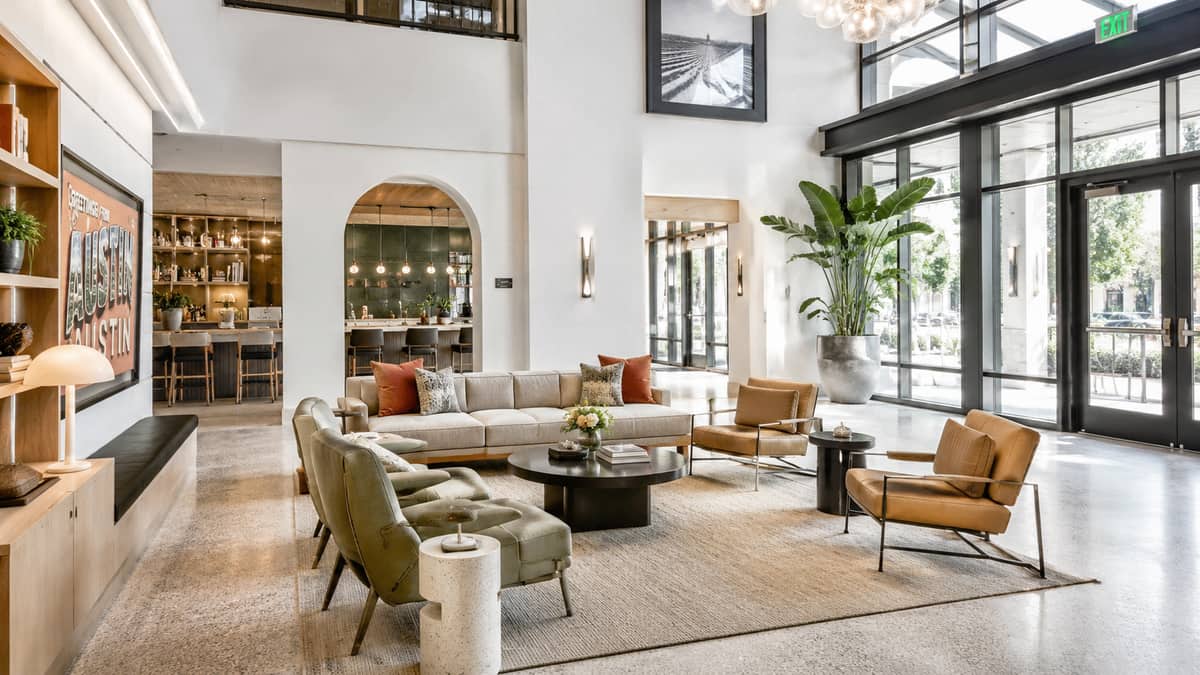
Lobby and common area furniture in Atlantic City hotels absorbs a use pattern most hospitality markets do not have to plan around. Casino resort lobbies run near capacity around the clock, not just during check-in and check-out windows, since guests move through common areas at all hours regardless of time zone or typical hotel rhythm. Add a peak summer season that concentrates heavy leisure traffic into a few intense months, and lobby furniture in this market needs a durability spec well beyond a standard hotel common area.
Why Lobby Furniture Wears Faster Here
A hotel lobby chair in most markets sees its heaviest use during a predictable check-in window and stays relatively idle overnight. That pattern does not hold in an Atlantic City casino resort property, where lobby and adjacent common area seating gets occupied at nearly any hour, and where guest volume during peak season and major event weekends pushes occupancy well past what standard hospitality furniture is built to handle.
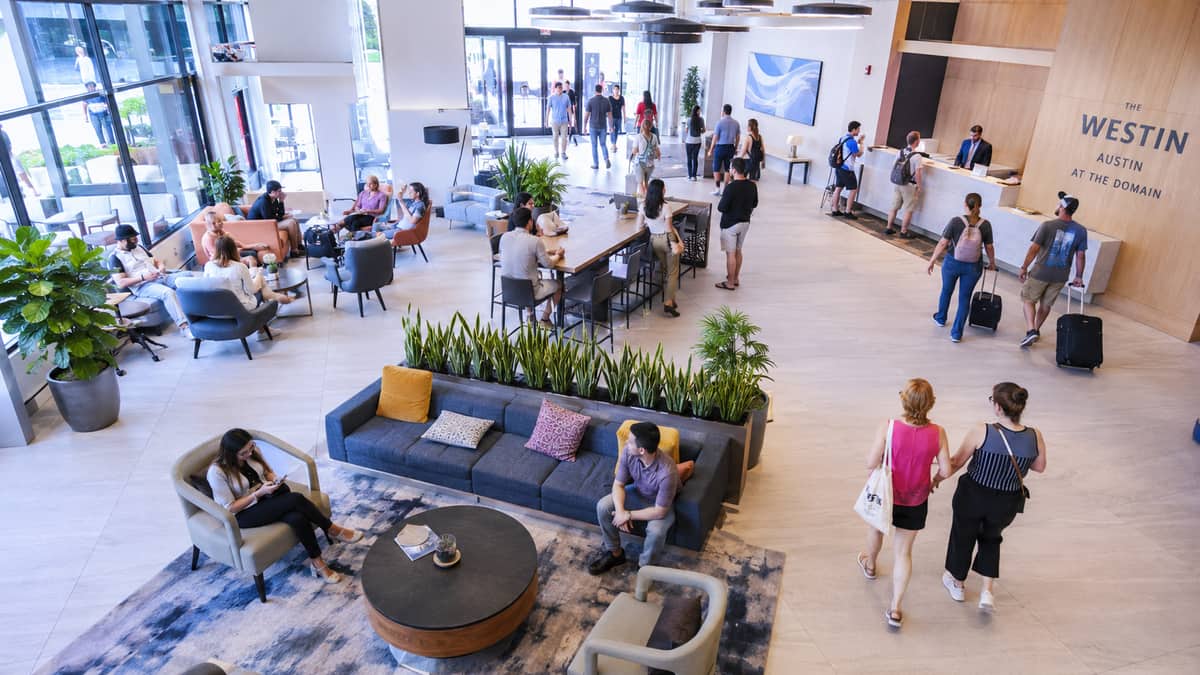
That around-the-clock use pattern means foam density and frame construction matter more here than in a standard business hotel lobby. Foam rated at 2.0 lb density or higher holds its shape under near-continuous occupancy, where lower-density foam common in retail furniture flattens within months under this kind of use. Frame joinery should be reinforced at every stress point, since a lobby chair here sees more total sitting hours in a year than most furniture is tested for.
Materials That Handle High-Traffic Common Areas
Upholstery selection in an Atlantic City lobby needs to account for both volume of use and the range of guests moving through the space, tourists arriving with beach gear, convention attendees in business dress, resort guests dressed for an evening out. Performance vinyl and commercial polyurethane are the practical default for high-traffic lobby seating, since they clean fast and resist the wear of constant turnover better than woven textiles in the busiest zones.
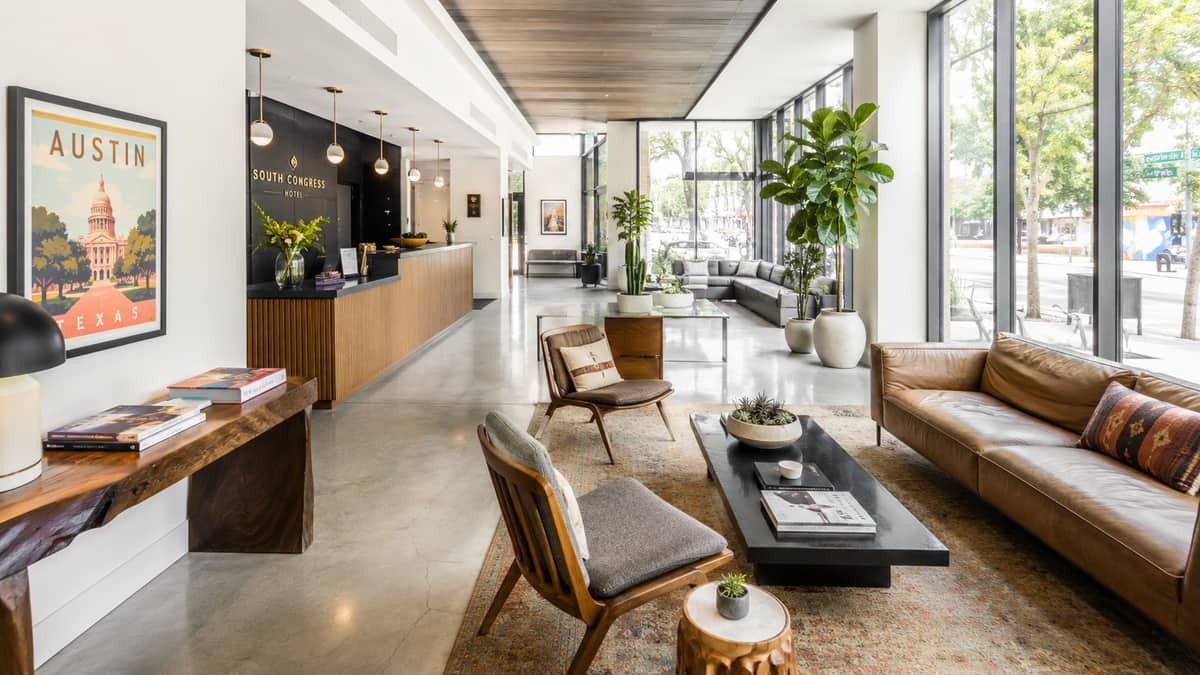
For lower-traffic seating areas within a larger lobby, business center seating or quieter lounge corners away from main circulation, performance woven textiles offer more design range while still meeting commercial durability standards. The key is matching material selection to actual traffic patterns within the space rather than applying one fabric standard across the entire lobby footprint.
Case Goods and Occasional Furniture
Cocktail tables, console tables, and occasional furniture throughout a hotel lobby take less direct wear than seating but still need commercial-grade construction to survive daily cleaning and the general wear of a high-traffic public space. Solid wood or metal-framed tables with a commercial-grade finish outlast lighter residential-style pieces that were never built for public space durability. Ottomans used as supplementary seating or footrests need the same foam density and frame reinforcement as primary lobby seating, since guests use them interchangeably in a busy resort lobby.
Sourcing Lobby Furniture for a Resort-Scale Property
Large casino resort properties furnishing extensive lobby and common area footprints benefit from working with a supplier who can execute a cohesive design across a large square footage while maintaining consistent commercial performance throughout. That means coordinating multiple furniture categories, seating, tables, ottomans, accent pieces, under a single design vision without any category becoming the weak link in overall durability.
Ask any lobby furniture supplier for foam density and frame construction specifications directly, not a general commercial-grade claim without documentation. Request references from other resort-scale or high-traffic hospitality properties, since a supplier whose experience is limited to lower-traffic boutique hotels may not have tested their product against the volume an Atlantic City resort lobby actually sees. The right supplier treats a lobby furniture program as a durability problem first and a design problem second, without losing sight of either.