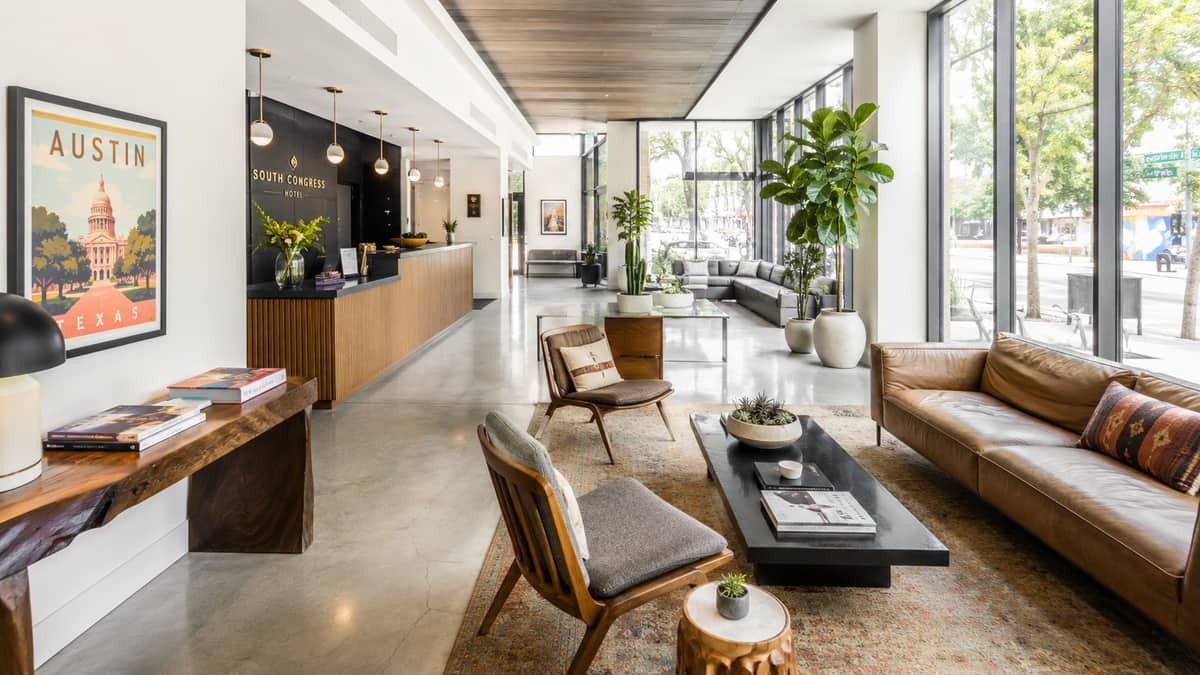
A cruise passenger steps off a shuttle downtown, checks in for a two-night pre-cruise stay, and sets a wet daypack down on the nearest lobby chair. An hour later, an oil industry consultant arrives from Ted Stevens International after a delayed flight from Houston, rolling a hard-sided suitcase across the same floor. Both of them read the room in the first few seconds, and the furniture is doing most of the talking before anyone reaches the front desk.
That split is the defining feature of Anchorage's hotel market. The city runs on two very different guest populations layered over the same physical plant, a short, intense summer tourism season built around cruise turnarounds and Denali-bound travelers, and a longer, quieter stretch of corporate, military, and government travel tied to the oil and resource industries and to Joint Base Elmendorf-Richardson. Lobby furniture has to hold up to both without looking like it was built for neither.
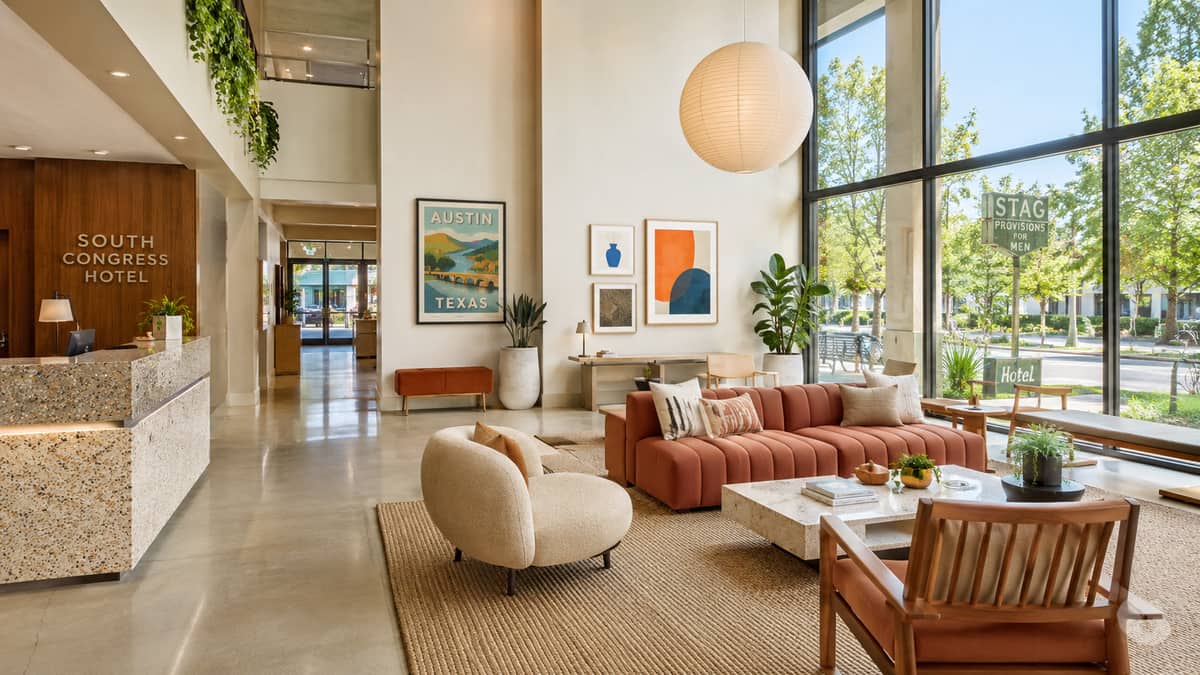
Anchorage's Market Segments Demand Different Things From the Same Room
The downtown corridor near 4th Avenue and the properties surrounding the Dena'ina Civic and Convention Center and the Egan Center are managing a different traffic pattern than the airport hotel cluster along International Airport Road, and both are different again from the smaller lodges and independent properties spread through Spenard and Midtown. All of them need contract-grade construction, but the reasons why differ enough to shape a specification.
Convention and downtown properties serving the Dena'ina Center's trade shows, the state legislature's satellite meetings, and the summer cruise turnaround crowd are moving large groups through the lobby in short, predictable bursts. A downtown hotel can see its entire room count check out within a three-hour cruise-transfer window in July, then repeat the cycle with an entirely different group by evening. That kind of concentrated cycling wears through soft seating fast. Kiln-dried hardwood or steel frames, high-resilience foam rated for commercial use, and upholstery rated well above the double-rub counts sold in residential lines are the baseline here, not an upgrade. Furniture that looked fine at a spring opening will show frame play and fabric wear by the following summer if it was specified for lighter duty.
Airport-adjacent properties along International Airport Road and the corporate hotels serving oil and gas, fishing industry, and military-adjacent travel are managing a different pattern again, one that runs closer to year-round with a heavier concentration of late arrivals, red-eye check-ins, and short-notice group bookings tied to flight schedules and shift rotations. Lobby furniture in that setting needs to handle irregular, all-hours use rather than a single seasonal peak, and it needs to keep looking presentable to a guest base that is comparing it, consciously or not, against properties in Seattle, Houston, and Fairbanks they have also stayed in that year.
What Anchorage's Climate Actually Does to Lobby Furniture
Anchorage's climate is not simply cold, it is a moisture problem for roughly nine months of the year and a dry-air problem for the rest. Winter guests are tracking in slush, road salt, and melting snow on boots and coat hems from October through April, and that moisture load lands directly on lobby seating positioned anywhere near an entrance. Summer brings a different challenge, with midnight-sun tourists coming in from long days outdoors, damp from rain or trail sweat, setting bags and jackets on the nearest available surface.
Upholstery specified without moisture and stain resistance shows it fast in this market, both in visible surface wear and in foam breakdown underneath, particularly on arms and seat edges where hands and wet outerwear make repeated contact. Frame construction matters just as much. Anchorage's interior heating runs hard through the long winter, and the resulting swing between dry, forced-air heat indoors and freezing, damp conditions just outside the door puts real stress on wood joinery and particleboard components that were not built to handle it. Solid hardwood or steel frames with mechanical fasteners that can be re-tightened, rather than glued butt joints that loosen as the wood dries and shrinks, hold up to the seasonal cycle instead of failing partway through it.
Designing for the Arrival Experience in Anchorage's Signature Spaces
Guests process a lobby in sequence, the main seating cluster registers first, then the desk, then the route to elevators, and every piece in that path is communicating something about the property before a staff member says a word.
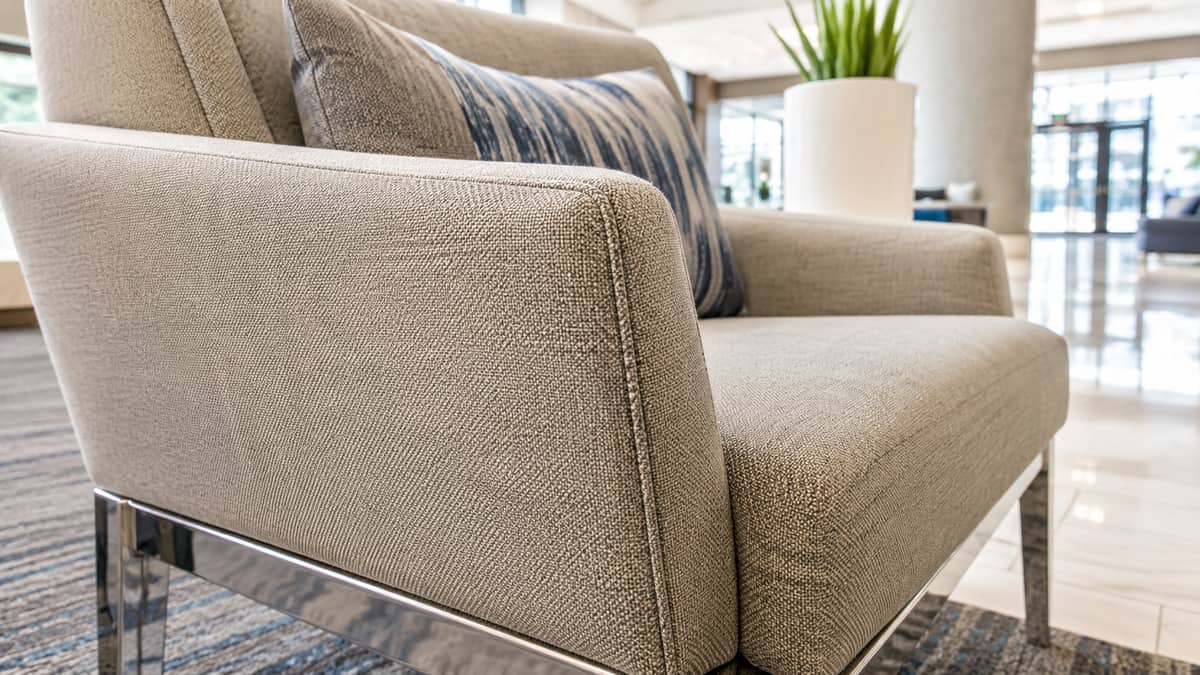
Downtown properties near 4th Avenue and the convention core are serving a mixed crowd of conventioneers, cruise travelers on pre- or post-cruise nights, and state government visitors, many of whom have already compared several properties on a booking site before arriving. Furniture that reads as intentional here has clean lines, upholstery that holds its shape through heavy seasonal use, and a scale that suits rooms that often double as informal meeting space for tour groups and conference attendees between sessions. A well-proportioned lounge chair in a durable, textured fabric signals the same thing a well-run check-in line does, that the property is managed with attention.
Properties oriented toward the oil and gas industry and government and military travel, concentrated in Midtown and along the airport corridor, are working with a guest who is often traveling on a company account and staying for a stretch of days rather than a single night. The furniture program here benefits from a slightly more restrained, functional register, comfortable lounge seating that supports informal work conversations, side tables sized for a laptop and a coffee, and configurations that hold up to daily use rather than a single dramatic first impression. Independent lodges and smaller properties in Spenard and around Lake Hood, closer to the floatplane base and the more tourism-driven side of the city, can lean into a more distinctly Alaskan design register, but the underlying construction standard does not change.
Procurement Timing and the Anchorage Renovation Cycle
Anchorage's hotel renovation and development activity tends to move on a tight seasonal calendar, with construction and installation work concentrated in the shoulder seasons before the summer tourism surge and after it winds down in early fall. That compresses the window available for furniture delivery and installation considerably compared to markets with a milder year-round build season.
Contract-grade furniture is built to order, and standard commercial lead times run eight to twelve weeks from confirmed specification, with COM fabric programs, custom finishes, or non-catalog frame modifications adding time on top of that. A property planning to have new lobby furniture in place before the next cruise season opens needs to lock in specification well before the ground thaws enough for renovation crews to move efficiently, and freight into Anchorage carries its own scheduling variables that a Lower 48 project simply does not have to plan around.
Working with a supplier who understands those freight and lead-time realities, who has handled hospitality projects at a comparable scale and rate category, and who can commit to a delivery window that actually accounts for shipping into Alaska, is worth more than a marginally lower unit price from a vendor treating the order like a standard domestic shipment. In a market where the summer season is short and the difference between opening on time and opening late is measured in lost peak-season revenue, getting the specification and the timeline right the first time is the cheaper path.