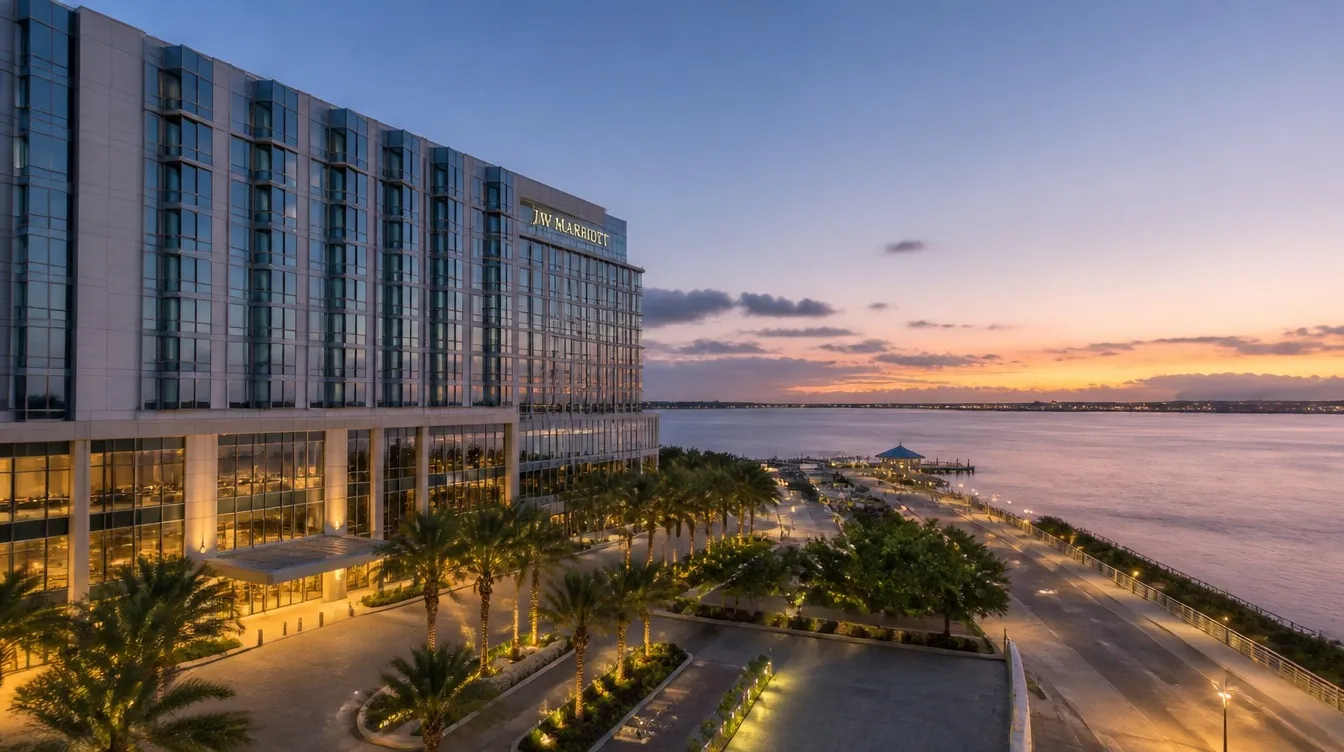
Tampa's hotel market does not have a true off-season. Port Tampa Bay is one of the top cruise departure ports in the United States, the Tampa Convention Center draws a calendar of association conferences that fills the Channelside corridor nearly year-round, and Amalie Arena events create consistent demand spikes in downtown and the surrounding hotel district. For hotel owners and operators planning a new build or renovation, that sustained demand is good news but it also means there is no obvious low-season window to take rooms offline without revenue impact. FF&E procurement Tampa FL projects need to be planned with that operational reality at the center, not as an afterthought once the contractor is already on site.
What FF&E and OS&E Cover and Why the Distinction Matters
FF&E stands for furniture, fixtures, and equipment. In a hotel context, that covers everything from guestroom case goods and upholstered seating to lobby lounge chairs, pool deck furniture, and restaurant barstools. OS&E operating supplies and equipment is the adjacent category: linens, tableware, cleaning supplies, small appliances, and the operational infrastructure that makes rooms and dining spaces actually function.
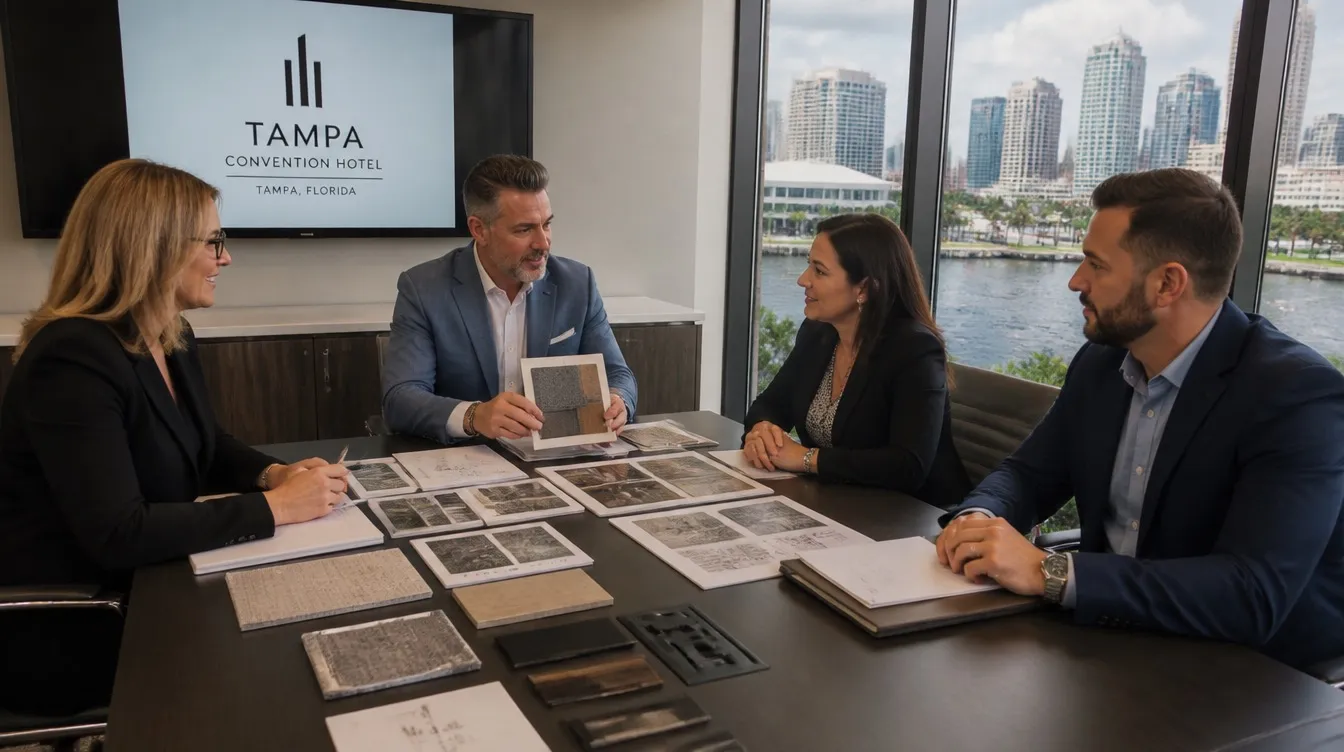
These two categories are budgeted, procured, and managed separately, and there are good reasons for that structure. FF&E procurement is typically handled by a designer, purchasing agent, or project manager working directly with contract furniture manufacturers and coordinating delivery schedules with the general contractor. OS&E procurement happens closer to opening and draws from a completely different vendor set. Projects that blur the line between these two or hand both categories to the same person without clear process ownership are the ones that run over budget and miss opening dates. Getting the organizational clarity right early is one of the highest-value decisions an owner can make in the pre-construction phase.
How the Procurement Timeline Works in Tampa
For a mid-size hotel renovation in Tampa whether that is a Convention Center-adjacent property doing a full guestroom refresh or a boutique hotel in Ybor City updating its common areas FF&E procurement needs to start six to nine months before the target completion date. That is a minimum, not a suggestion.
The timeline breaks down as follows. FF&E specification and sample approval typically runs four to six weeks. You are making finish selections, reviewing fabric samples, getting ownership sign-off on specific pieces, and in some cases coordinating COM (customer's own material) selections with both the designer and the manufacturer. That process is slower than it looks on a project schedule. From approval to order release adds another two to four weeks depending on the supplier's current queue and whether any custom work triggers a longer lead cycle.
Manufacturing for contract upholstered pieces typically runs 10 to 16 weeks. Casegoods beds, dressers, desks can run on similar or longer timelines depending on whether they are domestic or overseas production. Freight from manufacturer to Tampa, receiving, and installation coordination with the GC adds additional time on the back end. Total elapsed time from the start of specification to furniture in the room runs four to seven months on most projects. Projects that start procurement conversations after the contractor is already on site are already behind.
Tampa's convention calendar adds a practical urgency to this timeline. Properties targeting completion before a major convention block or before the fall cruise season peak in September and October need to map their FF&E timeline explicitly against those dates, not just against a generic contractor schedule. The experienced procurement teams in this market do that mapping as a first step. Owners who are not getting that framing from their FF&E team should be asking for it.
Working with Designers and Purchasing Agents
Most Tampa hotel owners do not manage FF&E procurement directly. The work is typically structured through an interior designer who has vendor relationships built into their service, or a dedicated purchasing agent whose sole job is sourcing, negotiating, and coordinating vendors on behalf of the owner.
The designer-led model works well when the creative direction and the procurement process are inseparable boutique hotel projects in Ybor City where the furniture selection is deeply tied to the neighborhood's design vocabulary, for instance. The purchasing agent model becomes more valuable on larger projects where budget control and logistics management are the primary challenge and the design direction is already locked before sourcing begins.
Either way, understand the fee structure before the relationship starts. Purchasing agents typically charge 8 to 15 percent of the total FF&E budget. Designers who handle procurement may markup product cost on top of their design fee. On a 100-room hotel in Tampa's mid-market segment, those percentages represent real dollar amounts. Get the fee structure in writing at the beginning, confirm what services it covers, and make sure the scope matches what your project actually requires.
What FF&E Budgets Look Like in Tampa's Market Segments
Per-key FF&E budgets in Tampa vary by segment and flag. A select-service hotel in the Westshore Business District serving financial services and MacDill-adjacent business travel might run $8,000 to $14,000 per key for guestroom FF&E functional, durable, brand-compliant, without the custom work that premium segments demand. A full-service hotel near the Convention Center might run $14,000 to $22,000 per key when lobby programming, restaurant seating, and event furniture are included. A boutique property in Ybor City with custom upholstery, curated case goods, and design-specific accent pieces can push significantly higher depending on the concept.
Restaurant and bar FF&E within a hotel project typically works off a per-seat or per-square-foot budget rather than a per-key figure. A waterfront bar in a Channelside hotel with outdoor terrace seating, contract-grade bar stools, and lounge furniture for an evening crowd represents a distinct procurement category with its own lead time and material requirements. Outdoor furniture for Tampa's near-year-round outdoor season can account for 20 to 30 percent of restaurant FF&E spend on waterfront properties. That category needs to be planned as explicitly as the interior work.
Contingency Planning and Common Failure Points
Tampa FF&E projects run into the same problems that hospitality procurement runs into everywhere, plus a few specific to this market. Freight delays are the most common. Port congestion, manufacturing backlogs, and carrier capacity issues are not predictable but are frequent enough that every project budget should include 10 to 15 percent contingency from the start not as an optimistic add-on, but as a real line item.
Late spec changes are the second most common problem. When ownership or a designer changes their mind on a fabric selection or custom finish after production has started, the resulting delays and costs are almost always worse than people expect. Locking the specification and getting signed approval from all decision-makers before releasing any order is not bureaucratic overhead. It is the single most reliable way to avoid mid-production changes.
For Tampa specifically, lead times that push against the convention calendar or cruise season create a specific pressure. A hotel taking rooms offline for renovation that miscalculates its FF&E lead time risks opening with incomplete rooms during a high-demand period the worst possible outcome in a market with consistent event-driven demand spikes.
The suppliers worth working with in Tampa are the ones who give you honest lead times from the first conversation, flag problems before they affect your schedule, and have the regional freight relationships to tell you when your product is actually arriving in Florida not just when it left the manufacturer.
Pricing for FF&E in Tampa depends on quantities, finishes, and your delivery window, so a project-specific quote beats any list figure. Request a quote to get yours.