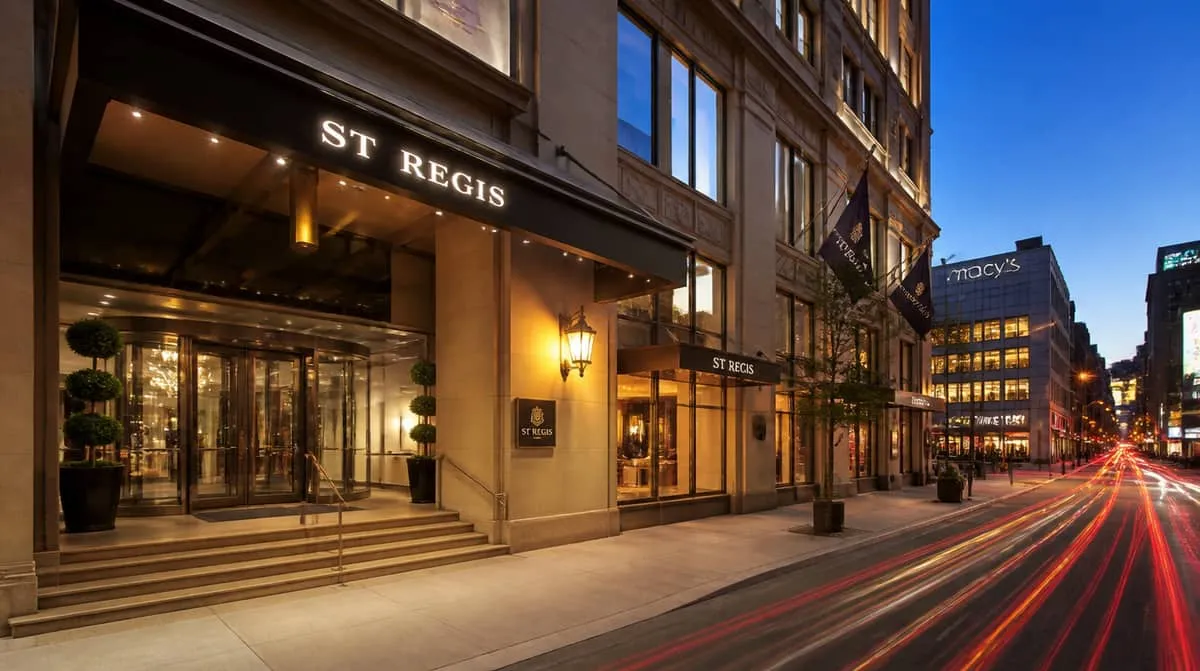
Hotel FF&E procurement in San Francisco is a discipline that rewards operators who treat it as a strategic function rather than a purchasing task. The city's convention calendar is unforgiving: Dreamforce alone displaces more than 100,000 attendees into Union Square and SoMa hotels each September, Oracle OpenWorld follows in October, and the December holiday surge closes out the year. A renovation that miscalculates lead times by six weeks and runs into Dreamforce blackout will cost a property far more in lost RevPAR than any savings on furniture unit cost. Understanding the procurement cycle and building it backward from operational constraints is the foundational competency for San Francisco hotel FF&E management.
How San Francisco's Market Shapes FF&E Strategy
The properties lining Union Square the Westin St. Francis, Hilton Parc 55, Marriott Marquis, and the cluster of independent and soft-brand properties radiating outward manage FF&E procurement at a scale that requires careful phasing. A 400-key property cannot renovate all guestrooms simultaneously without closing the hotel; floor-by-floor or wing-by-wing installation, sequenced around occupancy patterns, is the operational reality. This means a full-property FF&E refresh may span 18 to 24 months of active installation even if all product is manufactured to the same specification.
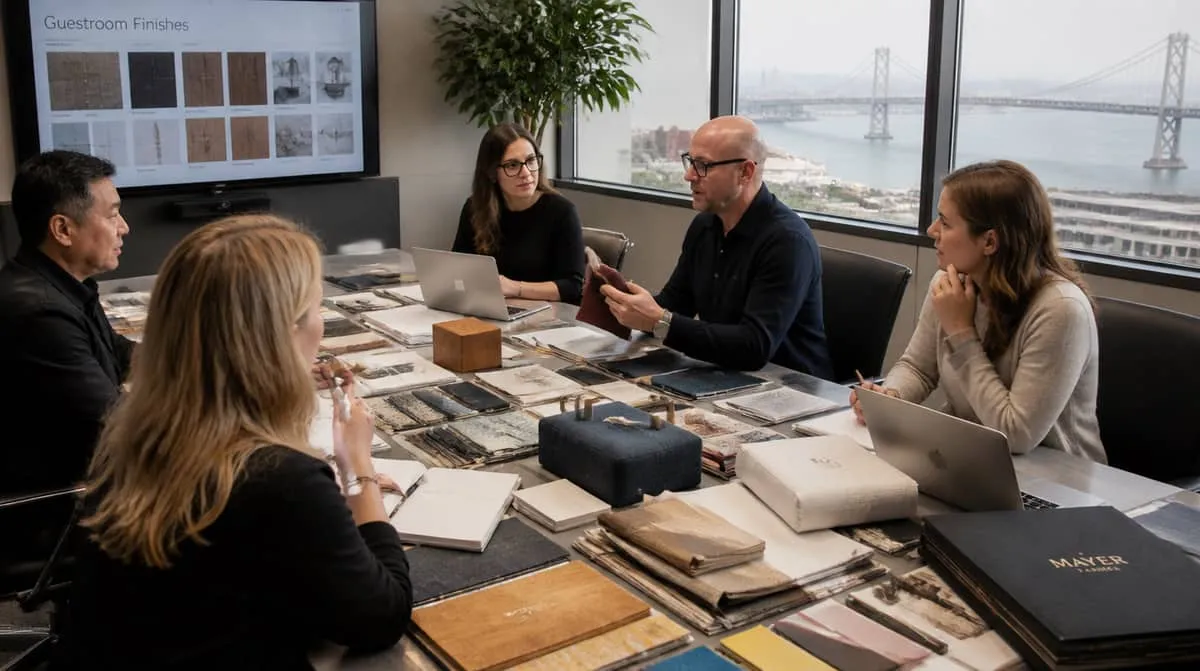
The capital cost environment in San Francisco amplifies every FF&E decision. When a hotel property is capitalized at $800,000 to $1.2 million per key which is the range for Union Square and Nob Hill full-service properties the furniture investment per room represents a fraction of a fraction of the asset value. The relevant calculation is not "how cheap can I source this headboard" but "what furniture specification will sustain the ADR this property needs to justify its real-estate basis." A guestroom with headboards that look dated, lounge chairs with visible wear, or case goods with delaminating edges is a RevPAR liability that compounds over time.
SoMa's convention-adjacent hotels operate a slightly different FF&E calculus. Their guest mix swings more dramatically between high-volume conference periods and quiet periods, which puts more wear on furniture per room-night during peaks. The specification logic for a 300-key SoMa convention hotel should include higher commercial-grade construction standards than a boutique property of the same room count, even if the aesthetic is identical. Contract-grade banquet chairs and sofas that can survive Dreamforce conference configuration and reconversion are a specific investment category for those properties.
Nob Hill's older, larger legacy properties many of them managing historic building constraints alongside FF&E programs face a different set of challenges: elevator shaft dimensions that may not accommodate standard crating, corridors with turn radii that constrain furniture sizing, and historic register requirements that may limit modification of millwork adjacent to furniture installations. Suppliers who have experience navigating these physical logistics, not just delivering to a loading dock, are more valuable in that sub-market.
The FF&E Budget Framework for SF Hotels
San Francisco hotel FF&E budgets typically run higher than national averages for several compounding reasons. Labor costs for installation are among the highest in the country. Storage during phased renovation is expensive given real-estate costs in and around the hotel. Freight access constraints particularly in Union Square and Nob Hill where street loading is restricted add time and cost to every delivery. And the guest profile's design expectations mean that the specification level for upholstered pieces, case goods, and lighting needs to be genuinely elevated, not just adequate.
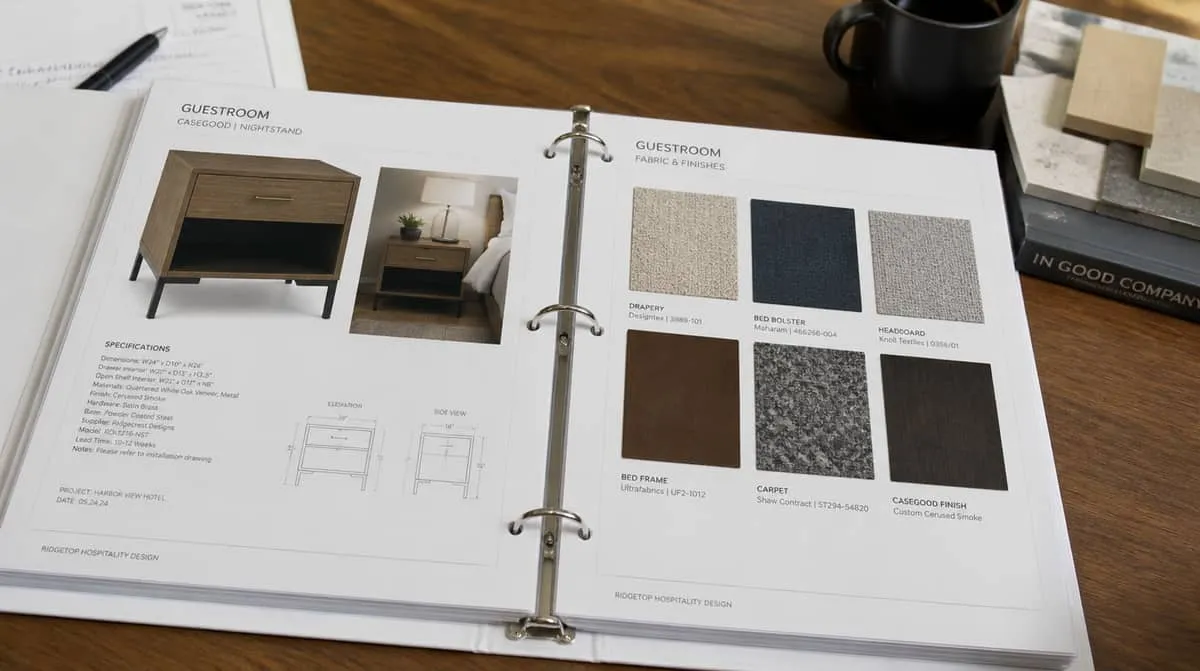
A rule of thumb for full-property guestroom FF&E in San Francisco full-service hotels runs $8,000 to $18,000 per key for furniture alone, depending on room size, quality tier, and custom specification. Budget properties can source below that range; luxury properties and boutique independents often exceed it significantly. The midpoint an upscale branded property targeting a $250 to $400 ADR should budget toward the upper portion of that range and invest in pieces with 10-year durability expectations rather than 5-year replacement cycles.
Within that budget, headboards and guestroom seating (lounge chairs, desk chairs, occasional ottomans) are typically the highest-visibility line items and the ones most directly connected to guest review commentary about room quality. Spending toward the upper range on those pieces, while managing cost on case goods through catalog rather than custom sourcing, is a defensible allocation strategy.
Managing Lead Times Around SF's Convention Calendar
The procurement timeline for a San Francisco hotel FF&E project should be built backward from the operational blackout windows. For a property with September exposure to Dreamforce, the renovation installation must be complete by late August which means furniture delivery must occur in July or August, which means manufacturing lead time must account for a May or June order placement, which means design finalization and spec approval must be complete by April. Operators who begin the procurement conversation in June for a September completion are in a difficult position that no supplier can fully rescue.
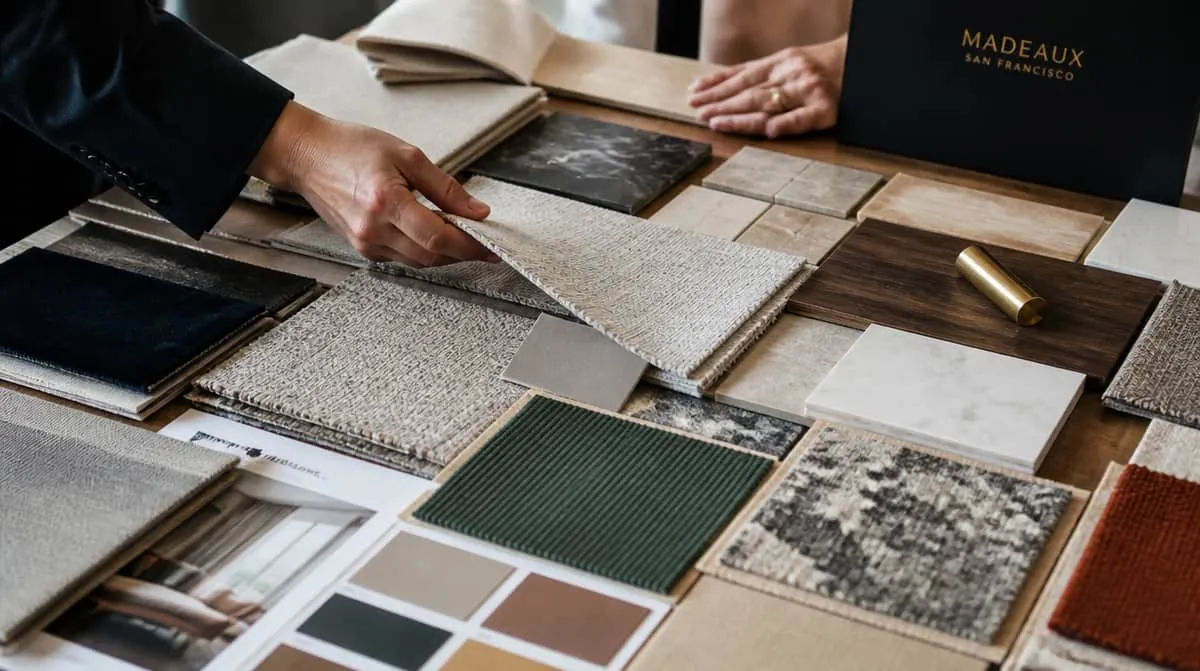
Commercial Furniture Depot works with San Francisco hotel procurement teams on phased delivery schedules that respect both manufacturing lead times and on-site installation logistics. For full-property FF&E programs, we recommend a pre-procurement consultation to map the convention calendar, room block commitments, and installation sequencing before any product is specified.
Ready to spec FF&E for your San Francisco project? Send us the details and we will price it around your requirements. Request a quote to start.