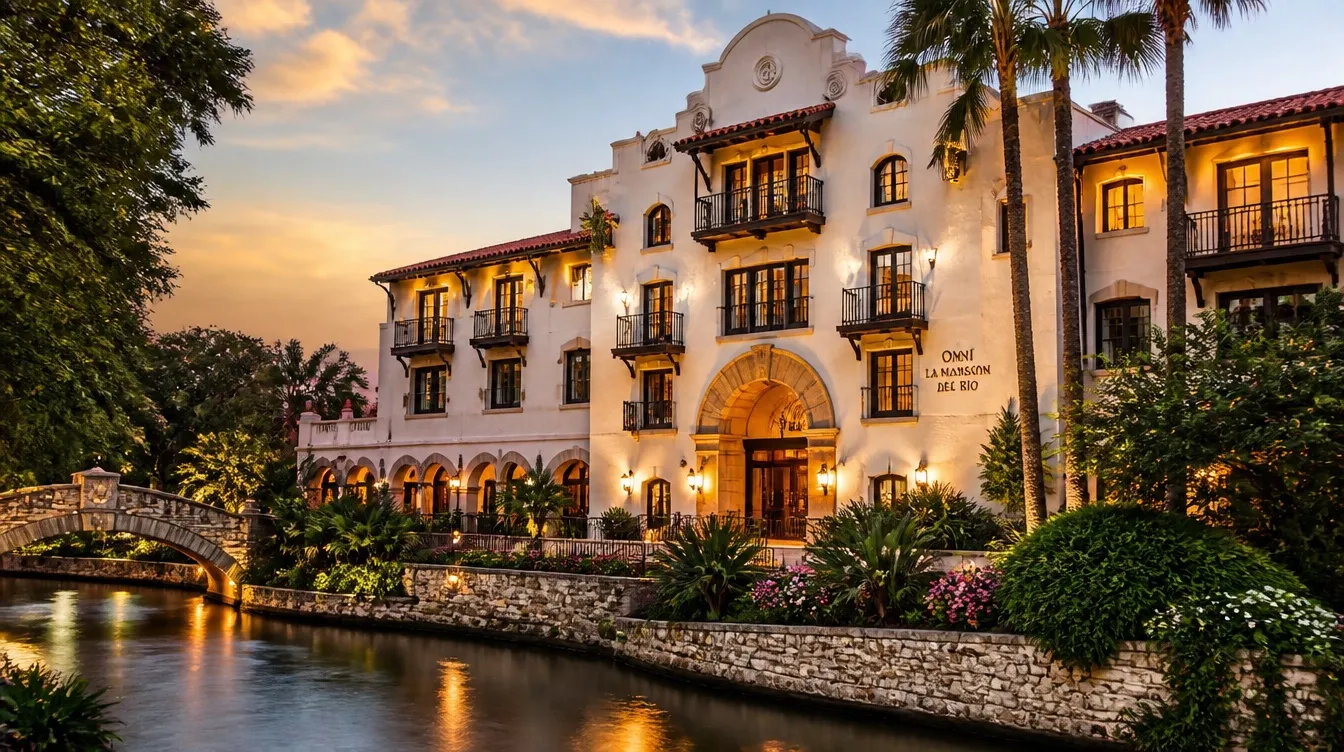
San Antonio's hotel development calendar has been active, and the FF&E procurement complexity it generates reflects the diversity of the projects. A phased renovation of a 400-room River Walk legacy property is a fundamentally different procurement challenge from a 90-room boutique build in the Pearl District, which is different again from a convention-adjacent full-service hotel expansion in the downtown corridor. Getting FF&E procurement right in any of these contexts requires understanding the specific operational realities of San Antonio's hotel market, not just applying a generic procurement process that was designed for a different kind of project in a different city.
The case for taking FF&E procurement seriously in San Antonio is grounded in the market's volume. The River Walk corridor's position as the most-visited site in Texas means that the hotels serving it operate at occupancy levels that compress the useful life of furniture more quickly than lower-occupancy properties. A guestroom running at 85% annual occupancy cycles its furniture through 310 or more occupied nights per year. A furniture program that was adequate at 60% occupancy may deteriorate visibly within two years at 85%. Procurement decisions that account for San Antonio's specific occupancy math produce better long-term outcomes than those that apply a national average assumption.
Establishing the FF&E Budget Framework
The most consequential FF&E procurement decisions happen before any furniture is specified: the budget allocation by category, the quality tier decision by space type, and the replacement cycle assumption that drives the long-term cost analysis. San Antonio hotel projects that get these decisions right at the start avoid the more painful corrections that come from discovering budget misalignment deep in the specification process.
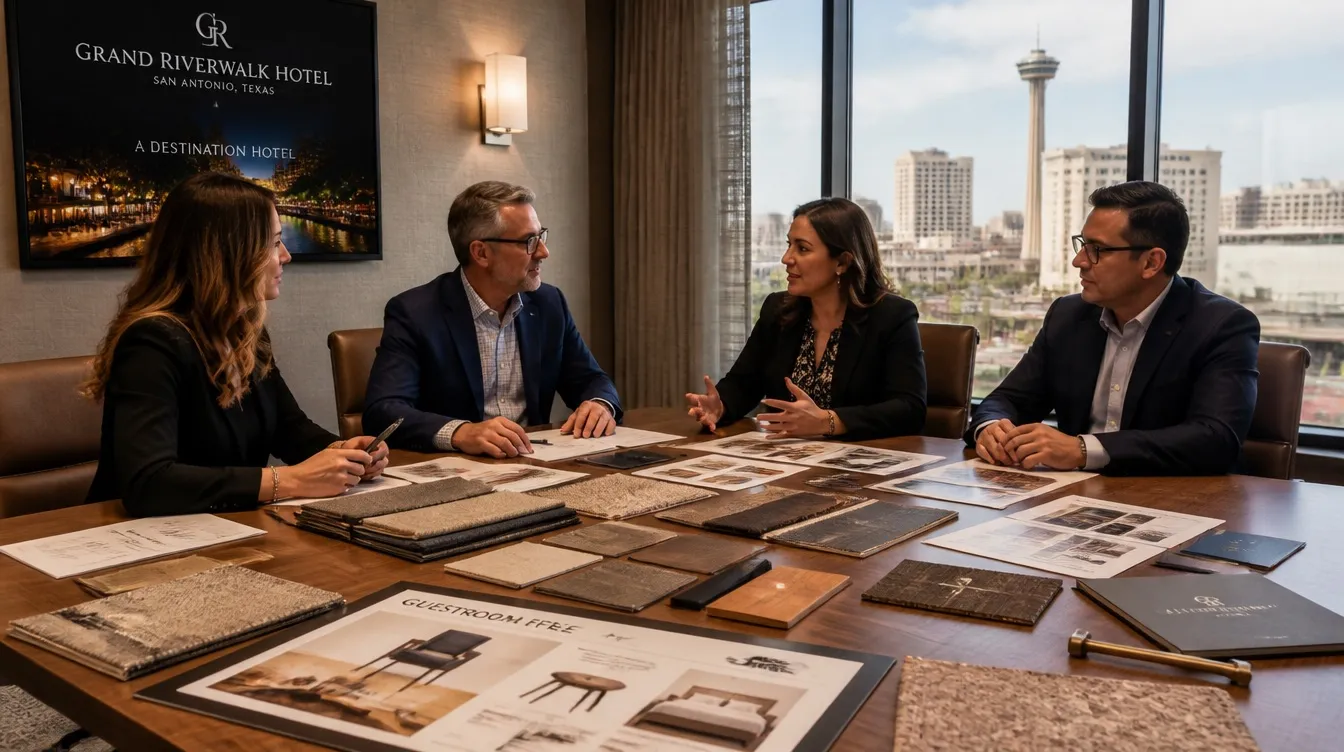
For River Walk hotel renovations, the budget framework needs to account for the operating environment's specific demands. Guestroom casegoods in a 400-room River Walk property running at high occupancy should be budgeted for commercial contract grade, not value tier, because the occupancy math makes the quality investment the better long-term financial decision. The same logic applies to public space seating, where River Walk tourist traffic creates daily use cycles that value-tier furniture doesn't survive intact.
For Pearl District boutique builds, the budget framework has a different structure. The room count is lower, but the per-room investment appropriate to the design intent is higher, and the custom and semi-custom furniture categories that a boutique property in the Pearl should be pursuing carry cost premiums that need to be accommodated in the framework before design documentation begins. Discovering that the budget doesn't support the custom wood and leather pieces the design team has specified when the project is 70% through design development is an expensive discovery.
Hotel FF&E procurement for San Antonio projects benefits from a budget framework that is established collaboratively between ownership, the design team, and the procurement manager, and that is specific enough to guide design decisions from the beginning rather than serving as a ceiling that design runs into at the end.
Lead Time Planning Around San Antonio's Calendar
San Antonio's hotel market has hard calendar pressure points that FF&E procurement needs to plan around. Fiesta San Antonio in April is a revenue peak that means late April and May openings or renovated room deliveries need to hit their dates. The Henry B. González Convention Center's convention calendar creates specific weeks where a newly renovated hotel cannot afford to be delivering furniture in the public areas. Military contractor travel from Joint Base San Antonio creates a year-round baseline that means there is never a truly quiet period for the River Walk corridor hotels phased renovations need to be planned with realistic assumptions about what occupancy level can be maintained through the process.
Working backward from required delivery dates, the lead time implications for different FF&E categories are significant. Custom upholstered pieces with customer's own material specifications carry 16 to 20 week lead times in current market conditions. Case goods with specific finish and hardware programs take similar windows. Imported furniture from European or Asian suppliers adds shipping time to those production windows. The FF&E procurement timeline for a San Antonio hotel project targeting an April opening needs to have custom order windows established in the prior summer to have any margin for error.
For phased River Walk renovations which are the more common project type than ground-up builds in this corridor the procurement timeline challenge includes holding and staging inventory between phases without damaging the product or creating storage logistics that burden the property's back-of-house operations. Suppliers who have experience staging and phasing deliveries for active hotel renovations are worth identifying early in the procurement process.
Specification Precision for San Antonio's Aesthetic Contexts
The specification documentation that drives FF&E procurement in San Antonio needs to be precise enough to be procured against, and San Antonio's two primary design vocabularies create specific precision requirements.
For River Walk properties leaning into the Spanish Colonial and Texas Hill Country aesthetic, specification precision means identifying not just the category and general look of a piece but the specific material quality indicators that distinguish correct execution from superficially similar alternatives. A warm wood case goods specification that says "medium warm walnut tone" will produce different results from different suppliers; a specification that identifies the veneer species, cut, finish process, and acceptable color range produces consistent results across a full property program.
For Pearl District boutique projects, the precision requirements are equally demanding in the industrial and contemporary Texas vocabulary. The difference between a blackened steel finish that reads as intentional and sophisticated and one that reads as cheap is specific, and the specification needs to capture it. Reclaimed wood selections need to specify moisture content, surface treatment, and acceptable character marks to avoid receiving product that doesn't meet the design intent.
USAA, Valero, and the Corporate Travel Standard
San Antonio's corporate travel market, anchored by USAA headquarters, Valero Energy, and the contractor ecosystem surrounding Joint Base San Antonio, creates a demanding repeat-guest segment that exercises its preferences in booking behavior. FF&E procurement for properties targeting this segment needs to account for the functional expectations of frequent business travelers: workspace adequacy, storage sufficiency, and overall quality communication in the guestroom environment.
Properties that invest in genuinely functional guestroom FF&E, with real desk surfaces, adjustable task lighting, quality ergonomic seating, and case goods that feel substantial and well-made, hold corporate travel business better than those that optimize the guestroom for photographic presentation at the expense of functional quality. The military contractor who is deciding where to stay for their next San Antonio rotation is making that decision in part based on their experience of the room's furniture.
Tell us about your San Antonio FF&E needs and we will turn your quantities, finishes, and timeline into a firm quote. Request a quote whenever you are ready to compare.