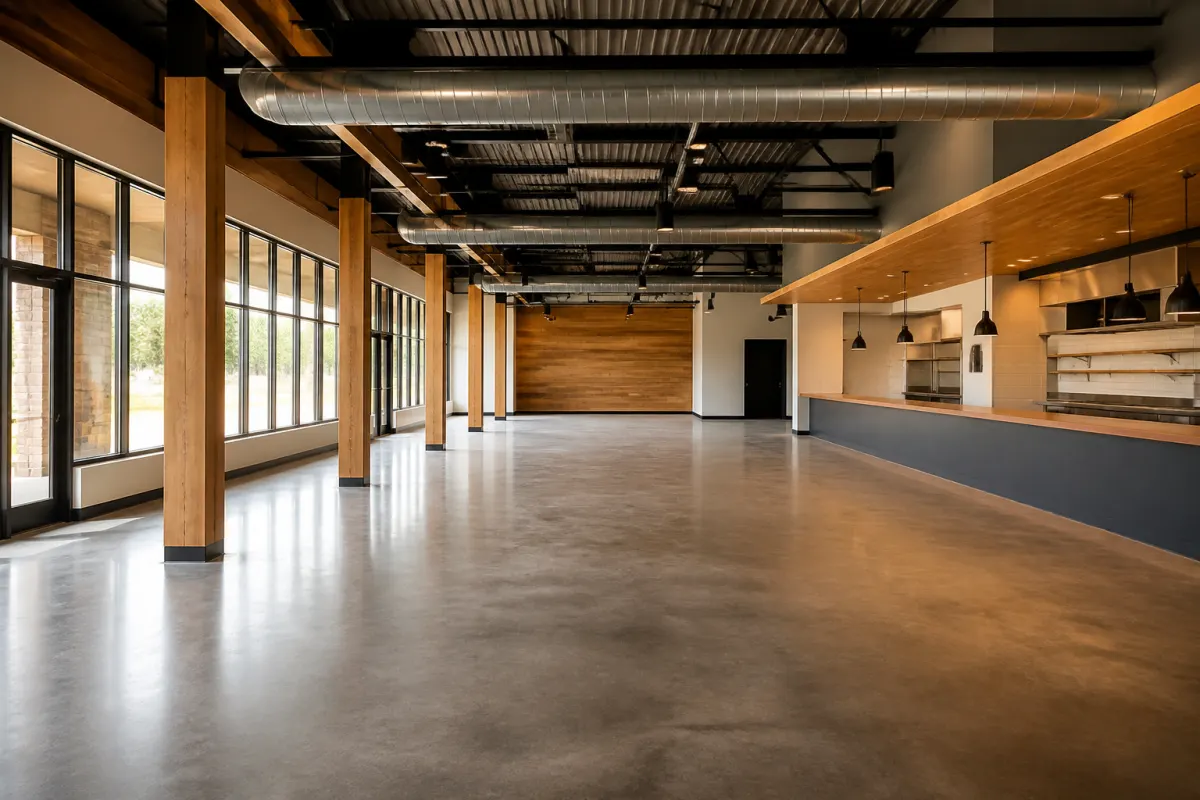
Hotel FF&E procurement in Raleigh is more complex than it appears from the outside. The city's reputation as a fast-growing Southeast market has attracted a steady pipeline of new hotel development branded flags along the RTP corridor, independent boutiques in the Warehouse District, extended-stay properties serving the pharmaceutical and biotech conference circuit and each of these project types carries distinct procurement requirements. Getting FF&E right in this market means understanding not just what furniture the design calls for, but how to source, schedule, and deliver it against the pressures of an active development pipeline.
The Raleigh Hotel Development Context
Research Triangle Park's continued expansion as a global technology and life sciences hub creates a sustained underpinning for Raleigh hotel development that distinguishes it from markets driven primarily by leisure or convention demand. IBM, Cisco, SAS, Red Hat, and the EPA's Research Triangle headquarters generate year-round corporate travel that keeps occupancy high and rate strong conditions that make new hotel investment pencil favorably and keep existing properties investing in renovation and refresh cycles.
The Raleigh Convention Center has expanded its event capacity and programming over recent years, and the pharmaceutical and biotech conference circuit it anchors is among the most lucrative in the Southeast. Full-service hotels within walking distance of the convention center and the boutique properties in the Warehouse District that attract the design-forward segment of that conference traffic are running renovation programs on compressed timelines to maintain competitive positioning during peak convention season.
NC State University generates a distinct procurement dynamic: properties serving the university market tend to run refresh programs on academic-year schedules, timing renovations to the summer break window when occupancy dips. That creates a concentrated ordering season for FF&E suppliers serving the university-adjacent corridor.
For procurement professionals managing Raleigh hotel projects, the key challenge is coordinating across these different market segments and timing windows simultaneously. A national FF&E supplier with deep inventory programs and regional delivery infrastructure is better positioned to serve a Raleigh portfolio than a local dealer operating without national sourcing relationships.
FF&E Specification Strategy for Raleigh Properties
The Research Triangle contemporary aesthetic that dominates Raleigh's hospitality design scene has direct implications for FF&E specification strategy. This is not a market where generic branded-flag furniture programs the same casegood specification you would find in a similar property in Phoenix or Columbus perform well in guest reviews or rate positioning. Raleigh's tech-educated guests notice design quality and respond to it in their booking behavior.
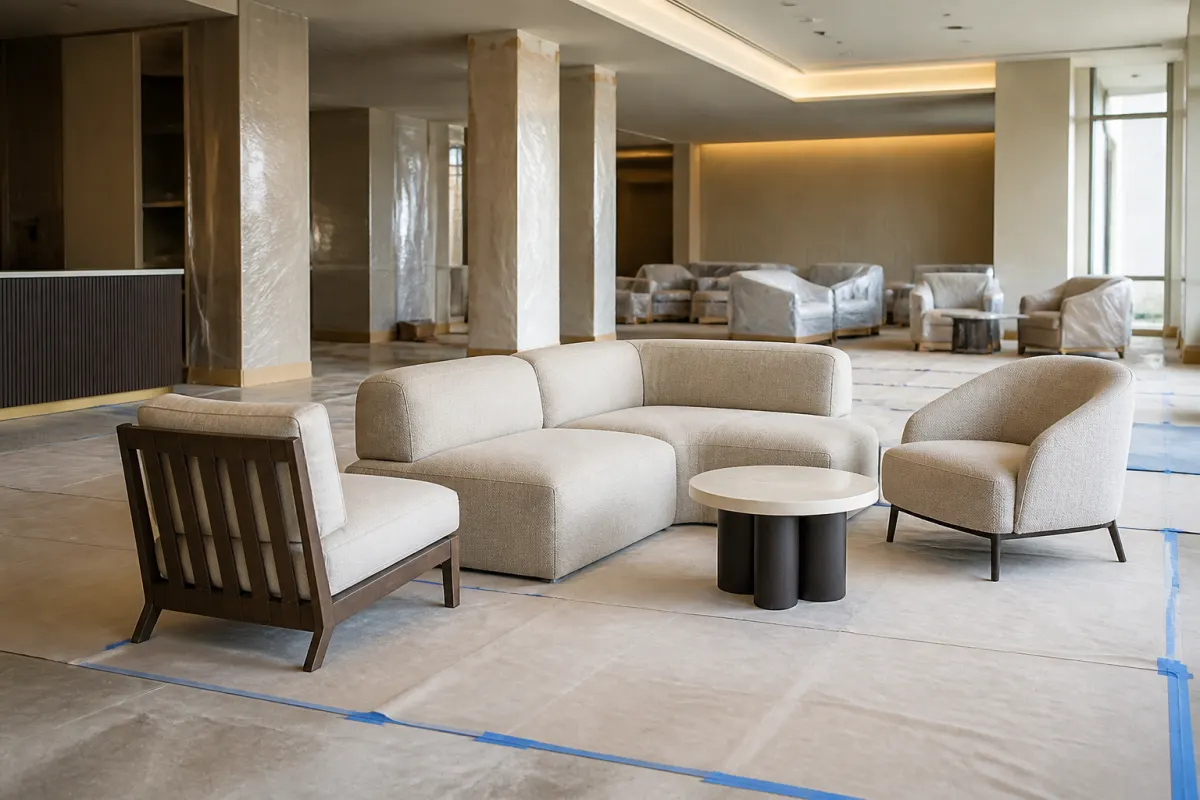
Effective FF&E specifications for Raleigh properties balance differentiation with commercial practicality. Headboards in warm upholstered finishes with integrated functionality reading channels, USB charging, side table attachments are a high-impact guest room investment that differentiates without requiring fully custom manufacturing. Lounge chairs in the guest room with solid wood legs and performance upholstery communicate quality at a price point that maintains budget discipline.
For public spaces lobbies, fitness centers, meeting rooms the specification challenge is creating furniture programs that read as designed while surviving heavy commercial use. Sofas with COM upholstery in performance fabrics, specified with removable and replaceable cushion covers, extend the useful life of lobby seating programs significantly compared to fixed-cover configurations that require full reupholstery when fabrics show wear.
Procurement teams working with interior designers on Raleigh hotel projects should establish material sample approval processes early ideally at the schematic design phase rather than after design development is complete. Late material substitutions are the most common source of FF&E budget overruns, and they are almost entirely preventable with structured approval timelines.
Phased Delivery and Project Coordination
Raleigh hotel projects whether new construction or renovation typically require phased FF&E delivery that aligns with construction milestones. For renovation projects in occupied properties, floor-by-floor sequencing is standard: furniture arrives for floors being renovated in a given week, not for the entire property at once. This requires a supplier capable of holding finished product in a staging facility and releasing it on a schedule coordinated with the general contractor.
New construction projects in the downtown and Warehouse District corridors face urban delivery constraints that are more complex than suburban RTP properties. Loading dock access windows, elevator capacity limitations, and in some cases historic district restrictions on truck sizes and delivery hours need to be factored into the delivery plan well in advance of the installation window.
FF&E procurement professionals building out Raleigh hotel project schedules should work backward from the target opening date, allowing a minimum of 14 weeks for custom upholstery programs, 10 weeks for standard COM applications, and 6 to 8 weeks for in-stock programs. Building a two-week float into each of those windows accounts for the approval delays and sample revisions that are routine in active design processes.
If you are sourcing FF&E for your Raleigh property, the fastest way to real numbers is to tell us what you need. Request a quote with your quantities and timeline.
Related reading
- FF&E procurement: a practical guide for hotels and venues
- What is contract furniture
- Hotel furniture supplier guide
- Hospitality furniture supplier guide
- Hotel headboards
- Hotel lounge chairs
- Hotel lobby sofas
- Commercial furniture in North Carolina