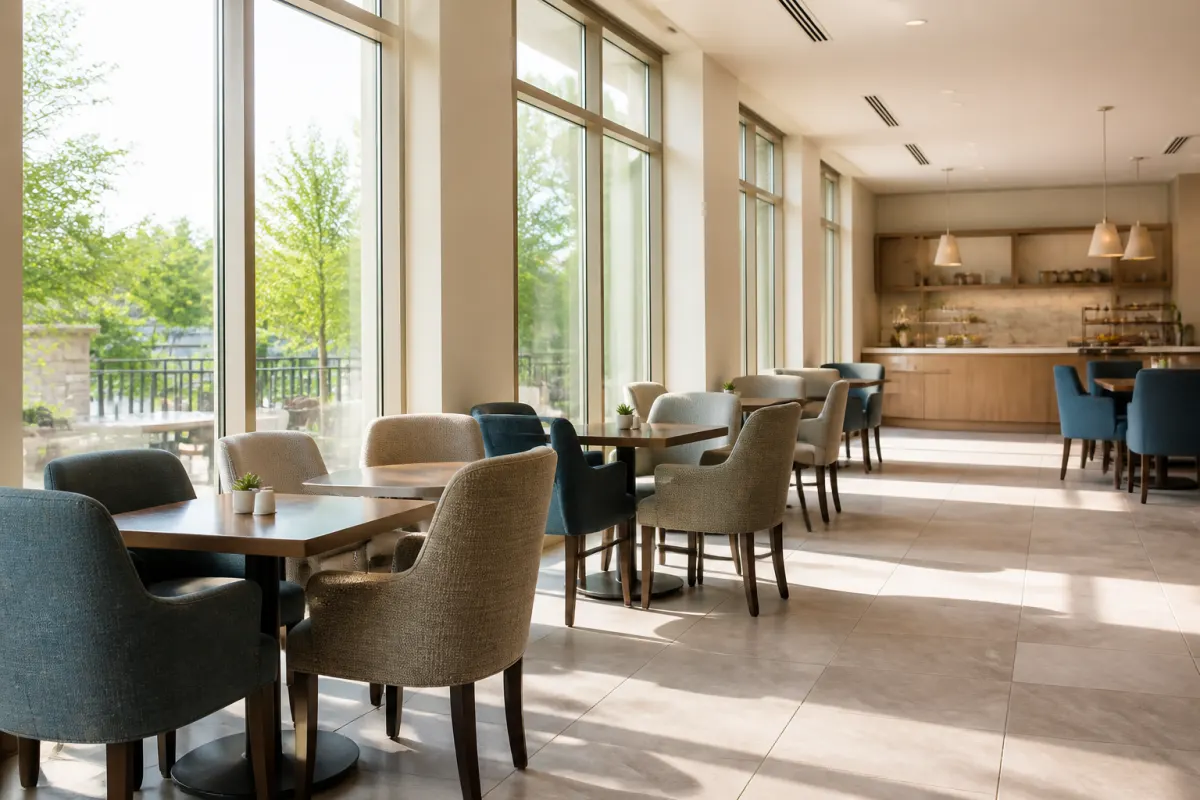
The boutique hotel sector in Raleigh is operating in one of the most discerning hospitality markets in the Southeast. Research Triangle Park has spent decades attracting and retaining knowledge workers engineers, research scientists, pharmaceutical executives, software architects whose design literacy is unusually high for a mid-sized American city. When those guests check into a Warehouse District boutique property, they notice the furniture. The joinery, the material choices, the way a lounge chair sits in a corner of the room these things register, and they drive the review scores and direct booking rates that determine whether a boutique property thrives or just survives.
Raleigh's Boutique Hotel Boom and What Guests Expect
The Warehouse District has become the epicenter of Raleigh's boutique hotel development over the past several years. Adaptive reuse projects former tobacco warehouses and manufacturing buildings converted into design-forward hotel properties define the neighborhood's character, and the best of them have leaned hard into the tension between raw industrial architecture and refined interior design. Furniture is the primary instrument for that tension.
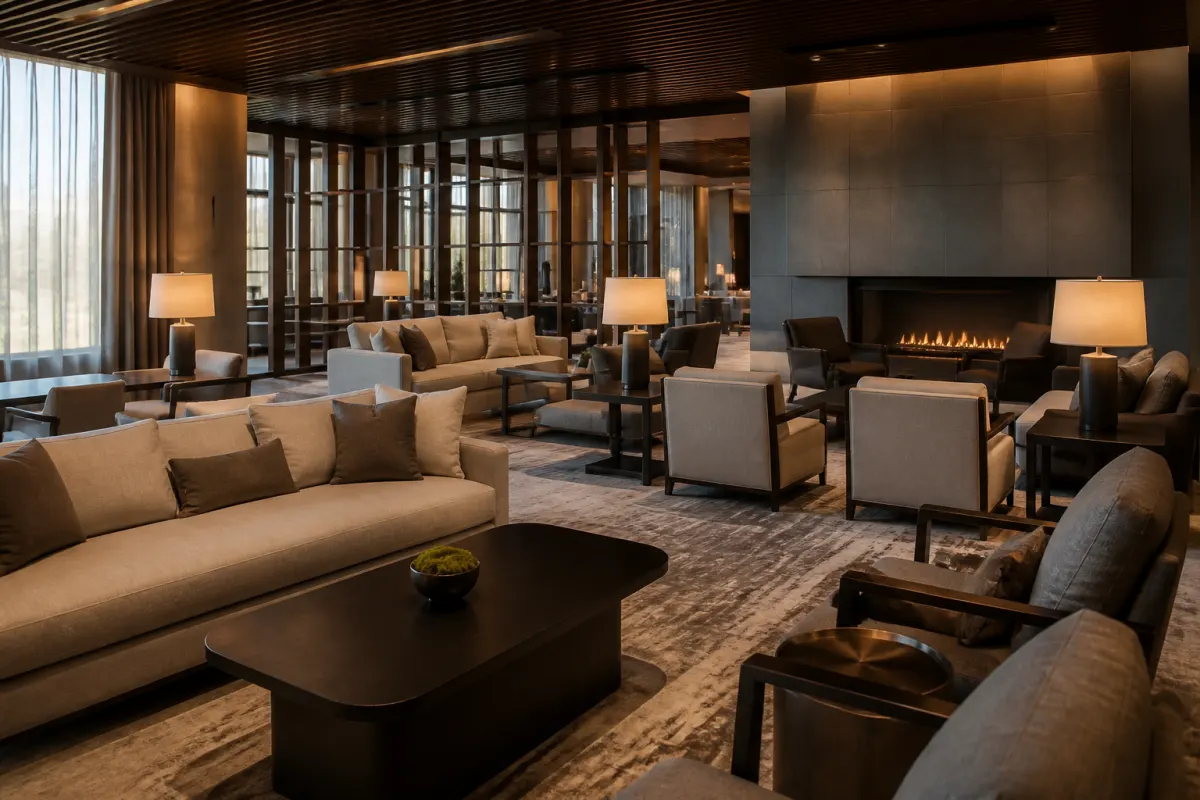
In these properties, lounge chairs and sofas in public spaces carry enormous visual weight. A lounge chair placed against exposed brick in an RTP-adjacent boutique hotel lobby is making a statement about the property's identity it needs to be a chair that can hold its own against that backdrop. Residential-grade furniture, even expensive residential furniture, reads as underscaled and impermanent in these architectural contexts. Contract-grade product with honest construction visible wood joinery, substantial upholstery, bases that make contact with the floor properly performs better in both the physical and aesthetic sense.
Glenwood South boutique properties face a different pressure: they are surrounded by some of Raleigh's most active nightlife, which means noise, foot traffic, and guests who arrive and depart at variable hours. Common area furniture in these properties takes more abuse than the average hotel, and operators have learned that investing in commercial-grade durability upfront is far cheaper than replacing furniture on an accelerated cycle.
The NC State University visitor market adds a layer of family travel to Raleigh's boutique sector, and several properties have responded by specifying guest room furniture that functions for two adults working simultaneously dedicated desk chairs that offer genuine ergonomic support, in-room sofas or loveseat configurations sized for a parent and child, headboards with integrated reading light options on both sides of the bed.
Design Approach: Research Triangle Contemporary for Boutique Rooms
The furniture specifications that consistently perform in Raleigh's boutique sector reflect a coherent design philosophy: technology-sector sophistication expressed through natural materials. Warm oak, walnut, and white oak finishes dominate guest room casegoods. Upholstery skews toward textured neutrals oatmeal boucles, warm greys, deep forest greens rather than the pattern-forward approaches common in boutique markets with stronger coastal or entertainment identities.
Headboards are a critical design element in Raleigh boutique rooms. Floor-to-ceiling upholstered panels, sometimes with integrated side tables or nightstand shelves built into the headboard frame, give guest rooms a sense of architectural investment that justifies boutique rate premiums. These are not standard headboard programs they typically require custom dimensions and close coordination between the furniture supplier and the interior designer.
Ottomans play a functional role in boutique room design that is often underestimated in the specification process. A well-proportioned ottoman at the foot of a bed serves as luggage bench, extra seating, and visual anchor simultaneously. In Raleigh boutique rooms with constrained square footage common in Warehouse District adaptive reuse projects a thoughtfully specified ottoman can effectively expand the functional area of the room without requiring additional furniture pieces.
For common areas, the Research Triangle contemporary approach calls for seating arrangements that support focused individual work alongside casual social use. Boutique hotels near RTP frequently see guests using the lobby as an informal workspace, and furniture layouts that accommodate laptop work without feeling like a co-working office strike the right balance.
Procurement and Lead Times for Boutique Projects
Boutique hotel furniture programs in Raleigh frequently involve a higher proportion of custom work than branded flag properties custom headboard dimensions, COM upholstery, proprietary casegood configurations. That custom work requires earlier specification lock-down and longer lead times than standard programs.
Most successful boutique openings in the Raleigh market have treated furniture procurement as a parallel-path activity with construction, not a downstream task that begins after permits clear. Suppliers capable of providing sample approval and COM yardage estimates at the schematic design phase allow Raleigh boutique developers to build accurate furniture budgets before construction costs are finalized a discipline that prevents the value-engineering scrambles that damage design intent in the final weeks before opening.
Pricing for boutique hotel furniture in Raleigh depends on quantities, finishes, and your delivery window, so a project-specific quote beats any list figure. Request a quote to get yours.
Related reading
- What is contract furniture
- Hotel furniture supplier guide
- Hospitality furniture supplier guide
- Hotel lounge chairs
- Custom hotel headboards
- Hotel ottomans and benches
- Commercial furniture in North Carolina