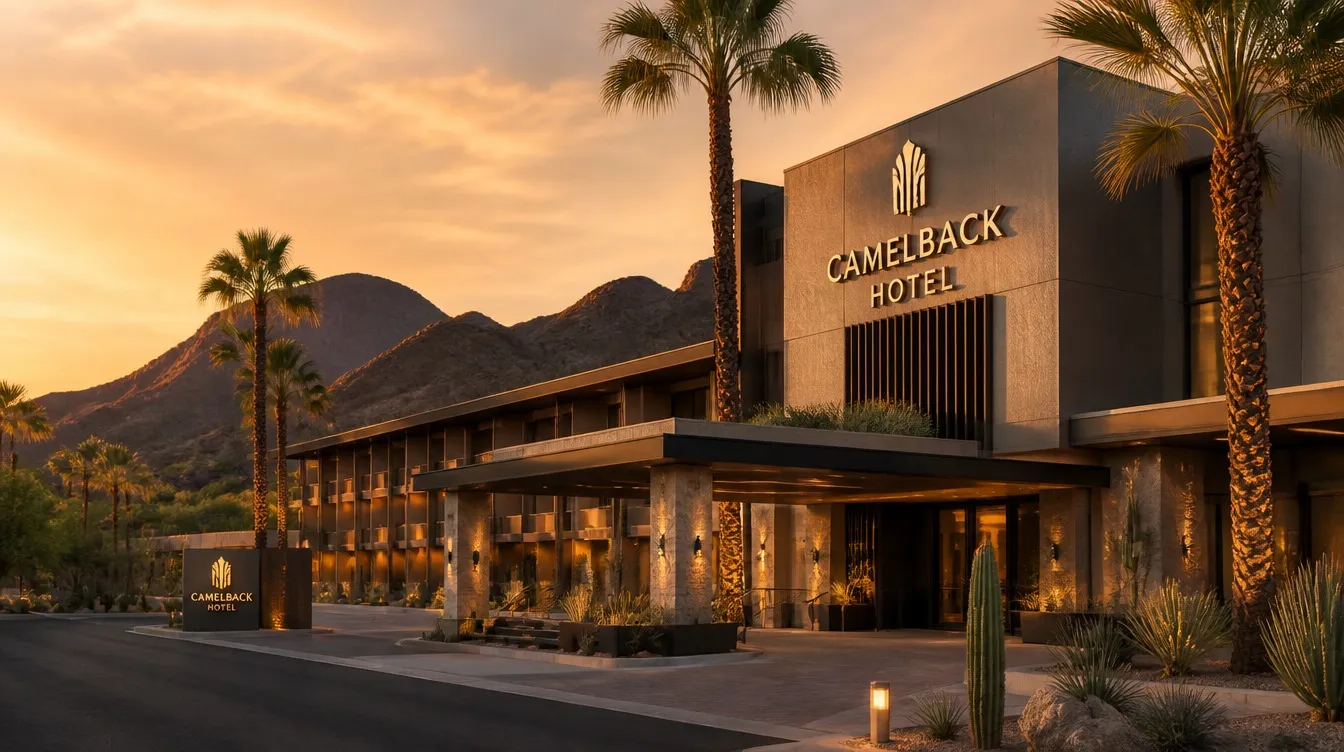
Hotel FF&E procurement in Phoenix operates within a set of market constraints that differ meaningfully from most other North American hospitality markets. The snowbird season that drives peak occupancy from November through April creates hard deadlines that renovation and procurement timelines cannot slip past. The summer window that gives properties a practical renovation period is narrow and disappears quickly when you account for manufacturing lead times. The resort market's design expectations are genuinely high Camelback Corridor properties are specifying at a level that competes with the best hotel design in the country. And the desert climate imposes material and finish requirements that supply sources without desert Southwest experience consistently underestimate. FF&E procurement Phoenix requires a procurement approach calibrated to all of these variables simultaneously.
Understanding the Phoenix FF&E Calendar
The single most important planning tool for Phoenix hotel FF&E procurement is a clear understanding of the occupancy calendar and how it structures your available renovation windows. Most Phoenix resort and hotel properties have a consistent annual pattern: peak occupancy from November through April as snowbirds arrive, shoulder periods in May and October, and the deep summer trough from June through August when the heat drives domestic leisure travelers away and business travel slows.
The summer window is the natural renovation period. Properties across the Camelback Corridor, Paradise Valley, and Scottsdale adjacent areas regularly schedule their most disruptive FF&E work during June through August precisely because rooms can be taken out of service at lower revenue cost. A guestroom renovation that would cost significant lost revenue in February when occupancy may be 85 percent or higher costs a fraction of that in July when the property might be running at 40 percent.

But the summer renovation window only works if procurement is complete and delivery is staged before the window opens. The timeline works backward from a July or August installation target. Contract upholstered furniture guestroom seating, lobby sofas, restaurant banquettes runs 10 to 16 weeks from order release to delivery under normal manufacturing conditions. Add four to six weeks for design specification and sample approval at the front of the process, and you are looking at a procurement start date of March or April for July installation. Properties that begin FF&E conversations in June for that same summer window have already missed the timeline by two to three months.
The November arrival of snowbird season creates the back end of the planning window. Any renovation not completed before November needs to be pushed to the following summer which means a missed summer window costs you roughly twelve months of operating with whatever furniture you have. That pressure is the reason disciplined Phoenix operators treat FF&E procurement like a calendar-driven operational requirement rather than a project to initiate when rooms need refreshing.
Specification Requirements for the Desert Climate
Phoenix FF&E procurement cannot be run with specifications designed for other climates. The desert heat and UV environment impose requirements across virtually every furniture category that supply sources from coastal or northern markets routinely underestimate.
Outdoor furniture pool decks, patios, rooftop bars, outdoor lounges is the most obvious category. Powder-coated aluminum and marine-grade aluminum with UV-stable coatings are appropriate frame materials. Solution-dyed acrylic fabrics for all cushioning Sunbrella and similar UV-stable outdoor fabrics are the standard. Wood furniture on outdoor applications should be teak or ipe or a UV-rated composite lumber. Any specification that deviates from these material standards will underperform in Phoenix's UV environment, often dramatically, within two to three seasons.
Indoor specifications have their own climate adjustments. Phoenix's extreme dryness the desert atmosphere that makes summer tolerable is also one of the driest metropolitan climates in the country means that solid wood furniture constructed without properly conditioned lumber will check, crack, and show joint movement as ambient humidity fluctuates. Solid wood furniture shipped from humid markets without adequate moisture content management is a known failure path in Phoenix hotel environments. Specify solid wood from manufacturers with quality control practices that address moisture content, or spec veneered panel construction on stable substrates.
Upholstery near south-facing windows, lobby glass walls, and the large glass panels that Phoenix hotel architecture frequently uses to capture desert views receives significant UV load even indoors. Specify performance fabrics with UV stability ratings for any seating within direct sun reach of major glass exposures. The additional cost of UV-stable performance fabrics in these locations is insignificant compared to the replacement cost of fabric that fades visibly within a year.
Managing Lead Times in the Phoenix Market
Lead time management is the operational core of Phoenix FF&E procurement. The hard deadline of the November snowbird season, combined with the narrow summer renovation window, means that lead time estimates that slip by four to six weeks can cascade into missing the renovation window entirely.
Contract upholstered furniture from established hospitality manufacturers averages 10 to 14 weeks from order release to delivery under normal production conditions. Custom COM (customer's own material) work adds time because the material has to be received and inspected at the factory before production begins add two to four weeks. Fully custom pieces, such as bespoke case goods, architectural headboards, or proprietary lobby furniture designed specifically for your property, require detailed drawings, prototype approval, and production runs that can push total lead time to 20 to 24 weeks.
Freight to Phoenix from East Coast and Midwest manufacturing facilities adds one to two weeks and needs to be coordinated with the property's receiving and installation schedules. For large-scale renovations across multiple floors or wings, freight staging and delivery sequencing is a logistics project in itself properties with limited receiving dock space cannot accept all product simultaneously, and deliveries need to be sequenced so that installation crews are not waiting for product and product is not waiting for installation crews.
A qualified hotel FF&E procurement Phoenix partner will build these lead time variables into your planning timeline and flag risks before they become missed deadlines. The industry operates on enough projects that experienced suppliers know where lead times lengthen specific manufacturers that are running behind, freight carriers that are slow to the Southwest, customs delays on import product and can route around those risks proactively.
Budget Allocation and Procurement Strategy
FF&E budget allocation for Phoenix hotel projects should reflect the relative commercial importance of different spaces. Lobby furniture and guestroom headboards are the highest-visibility, most-photographed elements of the guest experience they appear in your booking platform photography and in the social media documentation that functions as real-time peer review for your property. These categories deserve the highest quality allocation in your FF&E budget.
Guestroom case goods nightstands, dressers, desks are lower-visibility but high-durability requirements. Commercial-grade construction with quality finish is necessary; you do not need the most design-forward pieces in the catalog, but you need pieces that will hold their visual quality through multiple years of commercial guestroom use.
Outdoor furniture should be budgeted realistically for Phoenix conditions. The temptation to reduce budget on outdoor furniture it is "just patio furniture" consistently leads to premature replacement and higher lifecycle costs than a proper specification would have required. Budget for commercial outdoor furniture rated for Phoenix's UV and heat environment, specify correctly from the start, and your outdoor furniture investment will have a substantially longer useful life.
Work with an FF&E procurement Phoenix partner who brings supply relationships across the full range of commercial furniture categories guestroom, lobby, F&B, outdoor, case goods rather than one who specializes in a subset of the market. Managing multiple specialized suppliers across an FF&E project creates coordination complexity and lead time risks that a single experienced partner can eliminate.
Every Phoenix venue has its own volume, layout, and turnaround demands, and FF&E pricing follows from those specifics. Request a quote and we will scope it to your project.