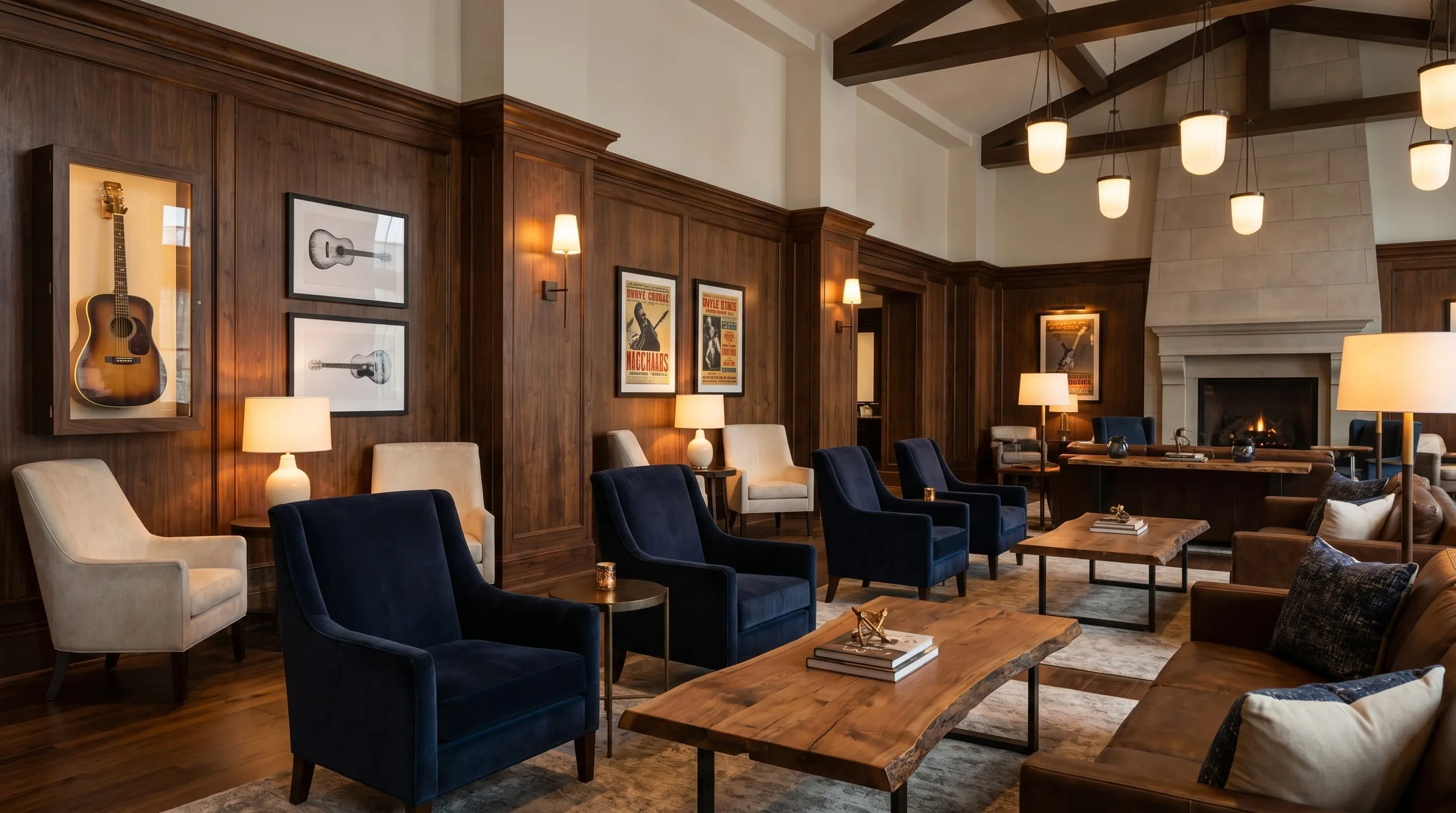
Nashville opens a new hotel roughly every two weeks. The Broadway entertainment district is packed with bachelorette groups on any given weekend, and the farm-to-table restaurant scene in The Gulch and East Nashville keeps pushing into historic buildings that need furniture built from the ground up. If you are developing a hospitality property here, you need to understand something right away: you are not just buying furniture. You are running a full procurement operation, and the choices you make around timeline, budget, and vendor relationships will either set you up for a smooth opening or haunt you right up until the day the doors open.
What FF&E Actually Covers (and What It Does Not)
FF&E stands for furniture, fixtures, and equipment. In a Nashville hotel context, that is your guest room beds, headboards, desks, and seating. It is your lobby lounge chairs, bar stools along the honky tonk-style bar, banquettes in the restaurant, and the decorative light fixtures running through all your public spaces.
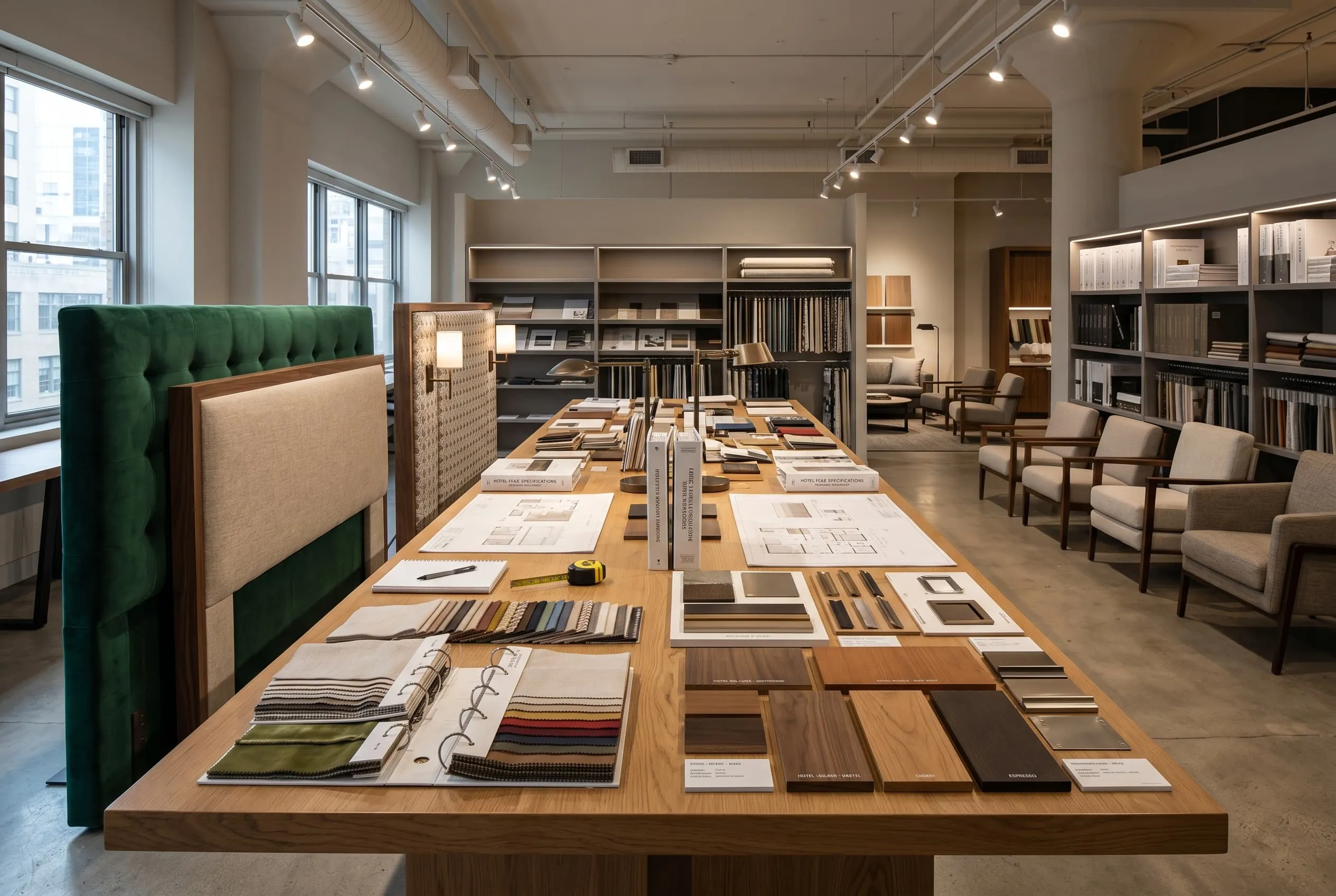
What FF&E does not cover is your operating supplies and equipment, which fall under OS&E. That category handles linens, glassware, kitchen smallwares, and anything with a shorter replacement cycle. The distinction really matters for your budget and your procurement team's scope of work. A lot of Nashville developers blur this line early in planning, and the result is misaligned vendor contracts and budget overruns before the first guest ever checks in.
Before you engage any suppliers, get a clear FF&E scope document in writing. It keeps your interior designer, procurement agent, and general contractor all working from the same definitions, which saves you from very expensive conversations later.
How the Nashville Market Shapes Procurement Timelines
Nashville moves faster than most markets, and the furniture side is no exception. Contract furniture manufacturers are often booked out 16 to 24 weeks for custom upholstery. If you are opening a rooftop bar in Midtown or a boutique hotel near Music Row, you need to place orders well before your construction schedule is telling you to think about furniture.
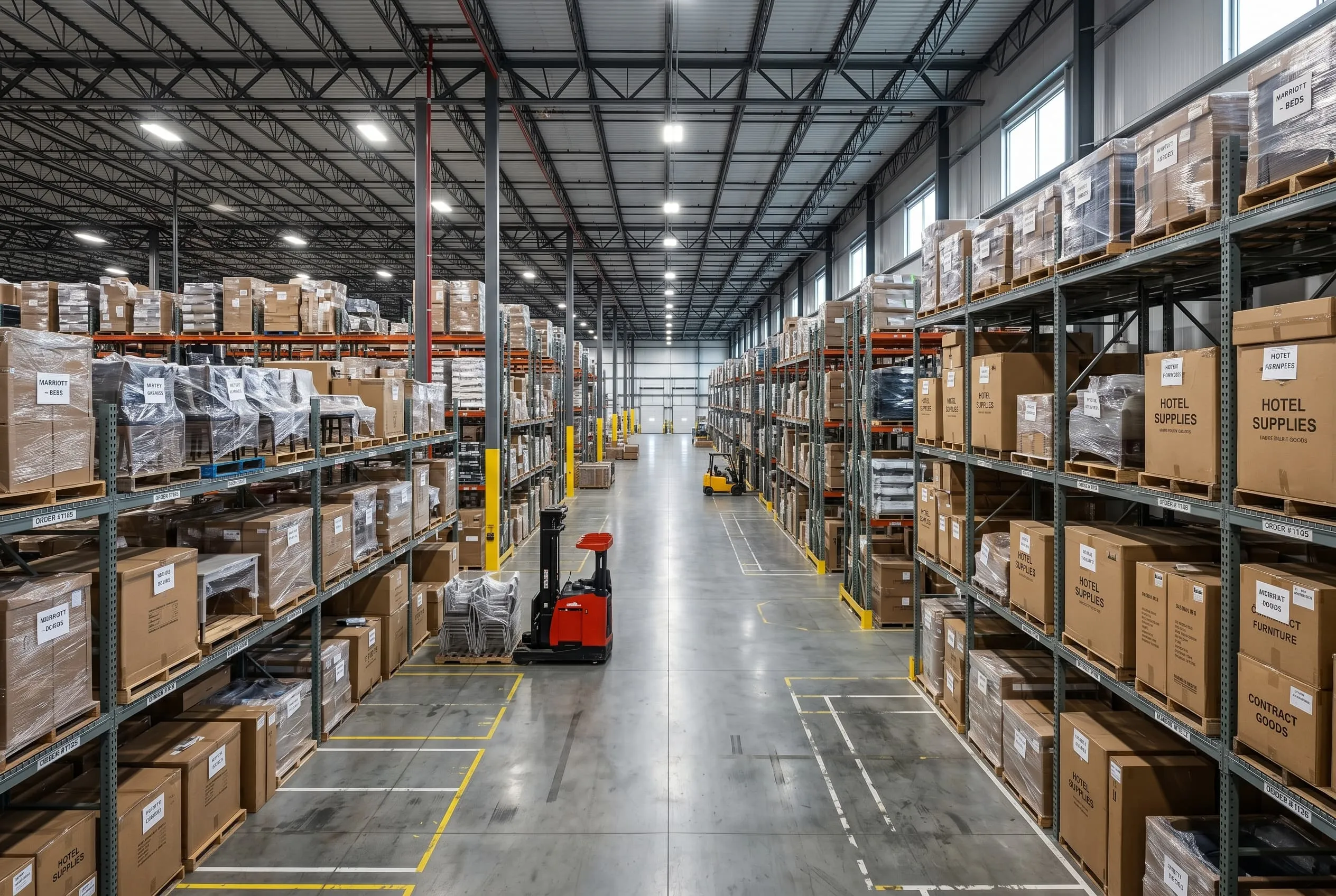
Here is what a realistic timeline looks like for a mid-size Nashville hospitality project: design specifications locked in at the 60 percent construction documents stage, vendor bids issued two to three weeks after that, purchase orders placed no later than 20 weeks before your target delivery date, and staged delivery coordinated with your FF&E installer once construction hits substantial completion on each floor or zone.
One more thing to factor in: Nashville properties run at occupancy rates that leave almost no room for a soft opening buffer. The bachelorette economy keeps rooms full year-round. Procurement delays do not just cost you money, they cost you room nights you cannot get back.
Working With Designers and Procurement Agents
Most Nashville hospitality projects involve three parties: an interior designer setting the aesthetic direction, a procurement agent or purchasing firm sourcing and managing vendors, and you as the owner or developer holding the budget and the deadline.

In a market this active, designers often have established relationships with contract furniture reps who cover the Southeast region. That network is genuinely valuable. A rep who already knows your designer's spec sheets can pull lead time estimates and flag availability problems before you even formally bid the project.
The biggest mistake I see here is bringing the procurement agent in too late. If you wait until the design is fully developed before asking about pricing and lead times, you are setting yourself up for painful revisions. You end up redesigning pieces to hit budget or substituting product at the last minute, which compromises the design intent and can sometimes delay your certificate of occupancy. Bring the procurement agent in during schematic design, not after.
What Your Budget Should Account For
For a full-service Nashville hotel, FF&E budgets typically run between $15,000 and $35,000 per key depending on the property tier and design complexity. Add a rooftop bar or signature restaurant and that number climbs fast, because those spaces need seating engineered for high-volume commercial punishment, not just something that looks good in a rendering.
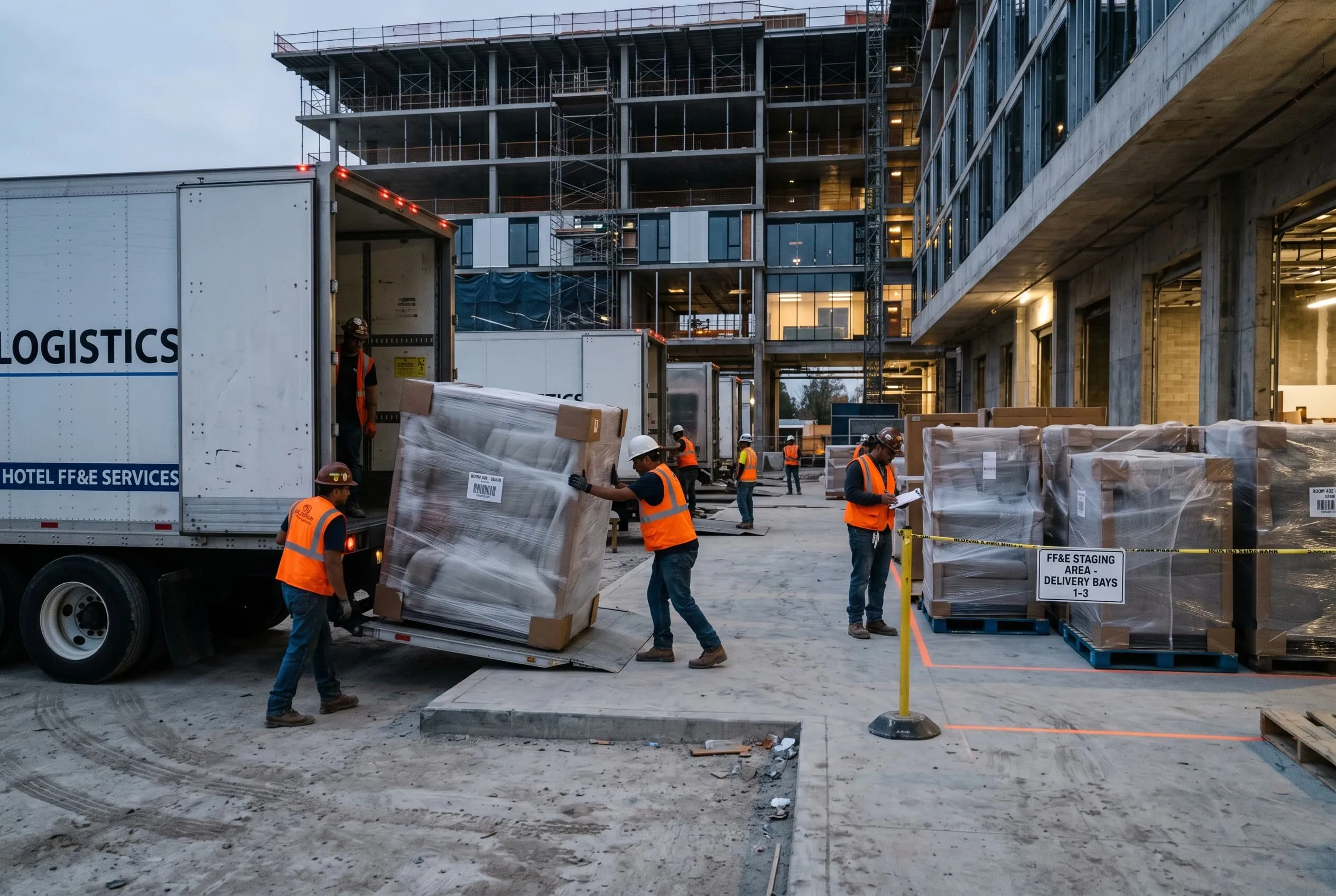
A few line items tend to catch developers off guard. Freight and delivery to Nashville from domestic manufacturers in North Carolina or Wisconsin adds 8 to 12 percent on top of your product cost. Installation and receiving fees, often contracted separately from the furniture purchase itself, run another 5 to 8 percent. Custom artwork and mirrors, which many designers spec as part of the FF&E package rather than the construction contract, can spike individual room budgets considerably.
Build a contingency of at least 10 percent into your FF&E budget from day one. Nashville's construction market is competitive and fast-moving, and field surprises are not rare here.
Getting Procurement Right From the Start
The properties in Nashville that open on time and on budget are the ones that locked in their procurement agent early, respected manufacturer lead times, and built realistic delivery schedules around construction milestones rather than optimistic guesses.

If you are planning a hotel, restaurant, or entertainment venue anywhere from the Broadway corridor to East Nashville to the Nations, the procurement decisions you make in the first 90 days of design will shape everything that follows. Do not wait for permits to be approved before you start talking to qualified vendors and designers. In this market, that conversation needs to happen now.
We quote FF&E for Nashville operators against their own layouts and order sizes rather than a generic sheet. Request a quote and we will put together pricing for your property.