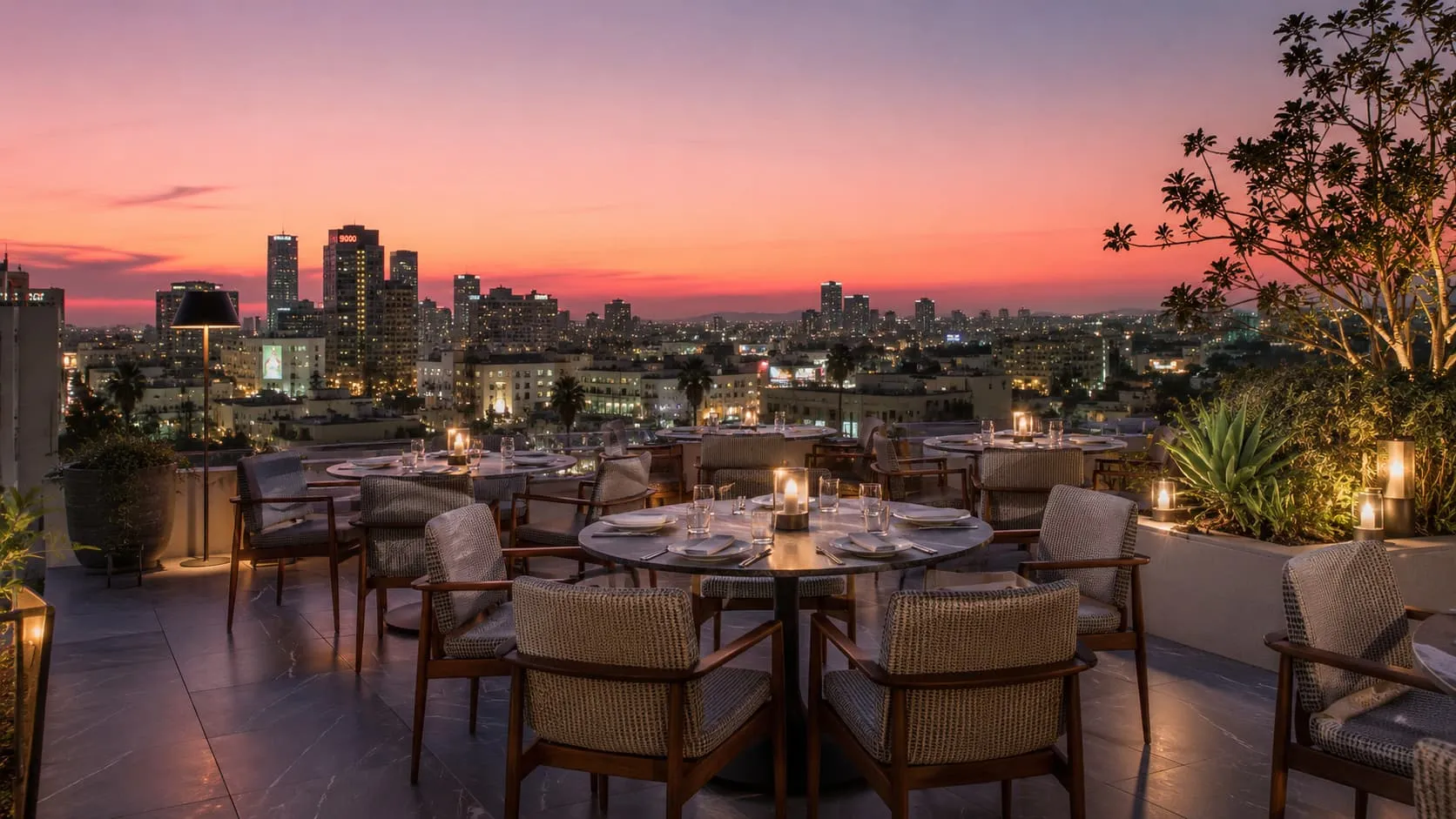
Los Angeles opens more celebrity-backed restaurants and design-forward boutique hotels per square mile than almost any other American city. When a rooftop bar goes up in WeHo or a 40-room independent hotel lands in Silver Lake, the pressure to deliver on a specific aesthetic and fast is unlike anything you will find in other markets. Entertainment industry clients who fund these projects have been on too many sets and walked through too many beautifully designed spaces to accept generic catalog furniture. That expectation shapes everything about how FF&E procurement Los Angeles actually works, from the spec phase all the way through installation day.
What FF&E Actually Covers (and What It Does Not)
Let me walk you through the basics, because this is where a lot of first-time project owners get into trouble.
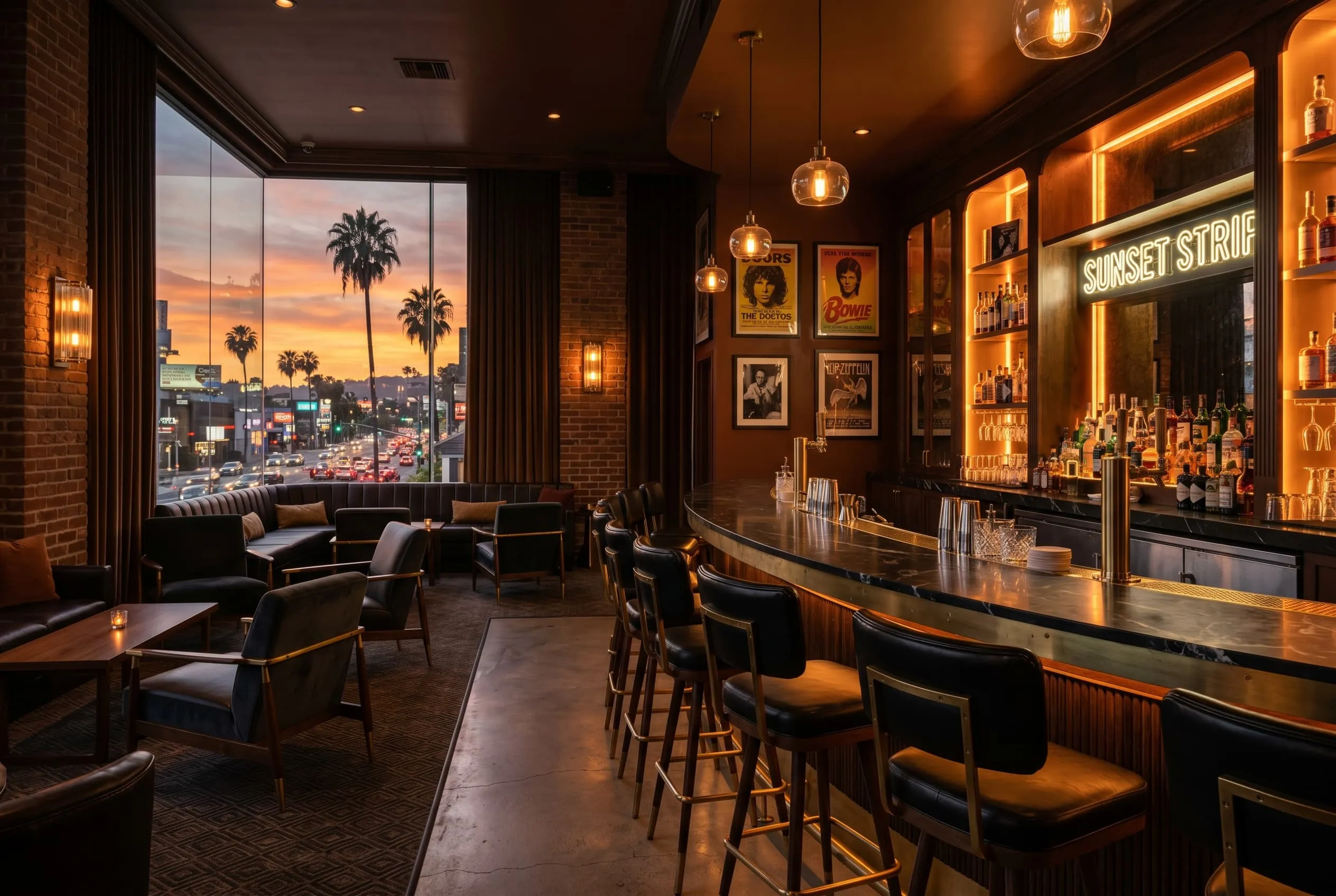
FF&E stands for furniture, fixtures, and equipment. In a hospitality context, that means guest room beds and nightstands, lobby seating, restaurant tables and chairs, bar stools, outdoor lounge sets, and decorative lighting fixtures. It does not cover the building shell, mechanical systems, or anything permanently anchored into the structure.
What often gets confused with FF&E is OS&E operating supplies and equipment. OS&E covers linens, glassware, smallwares, uniforms, and back-of-house equipment including commercial kitchen gear. Both categories require procurement planning, but they run on different timelines and through different vendors. On a typical West Hollywood hotel project, your FF&E package gets finalized roughly eight months before opening, while OS&E orders typically come in closer to the three-month mark. Collapsing those two timelines into one budget line is one of the more expensive mistakes a project team can make, and it happens more often than you would expect.
How the Procurement Timeline Works
For most hospitality projects in Los Angeles, the FF&E procurement timeline runs 10 to 14 months before the target opening date. Here is the critical part: that clock starts at design sign-off, not construction start. Those are not the same date, and confusing them will cost you.
Here is what that time actually looks like in practice:
Specification phase: Your interior designer or procurement consultant finalizes finish selections, dimensions, and quantities. Count on four to six weeks here, with constant back-and-forth to confirm room counts and layouts with the architect. On complex projects say, a mixed-use hotel-restaurant concept in Arts District or a multi-level rooftop venue in Hollywood this phase runs long.
Bidding and vendor selection: Requests go out to contract furniture manufacturers and their local dealer networks. Los Angeles has a strong concentration of hospitality furniture reps, particularly around the Pacific Design Center in West Hollywood and the commercial showrooms along Melrose Avenue. Budget two to four weeks for bid collection and review.
Purchase orders and lead times: Most contract-grade furniture carries lead times of 12 to 20 weeks depending on the manufacturer and finish complexity. Custom pieces which are standard on design-forward LA projects, not the exception can push to 24 weeks or beyond. If your designer is speccing a custom banquette finish or a proprietary fabric colorway, that lead time conversation needs to happen before purchase orders go out, not after.
Delivery and installation: Furniture arrives at a warehouse or staging facility, then gets phased into the property in coordination with construction turnover. On large projects, this is a choreography problem as much as a logistics one.
What the Budget Typically Covers
FF&E budgets for Los Angeles hospitality projects vary significantly by property type and neighborhood. A mid-scale boutique hotel in Silver Lake or Echo Park might budget $8,000 to $12,000 per key. A luxury property in Beverly Hills, or a high-profile restaurant opening backed by entertainment money, can reach $25,000 per key and public spaces in those projects frequently push well past that ceiling.
The budget typically covers:
- All soft goods including upholstered seating, headboards, and window treatments
- Casegoods: nightstands, dressers, desks, and millwork in guest rooms
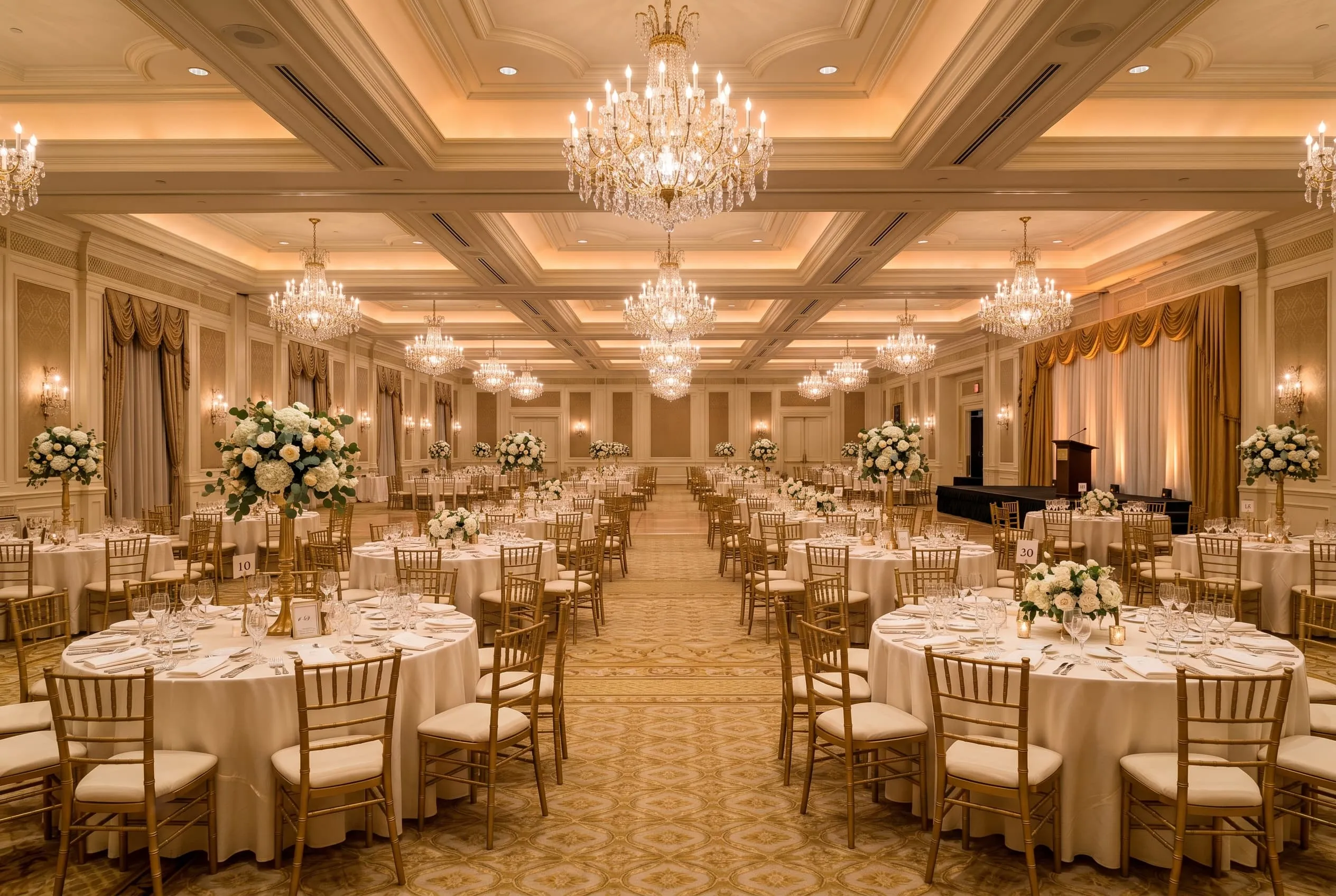
- Public area seating, tables, and lounge furniture
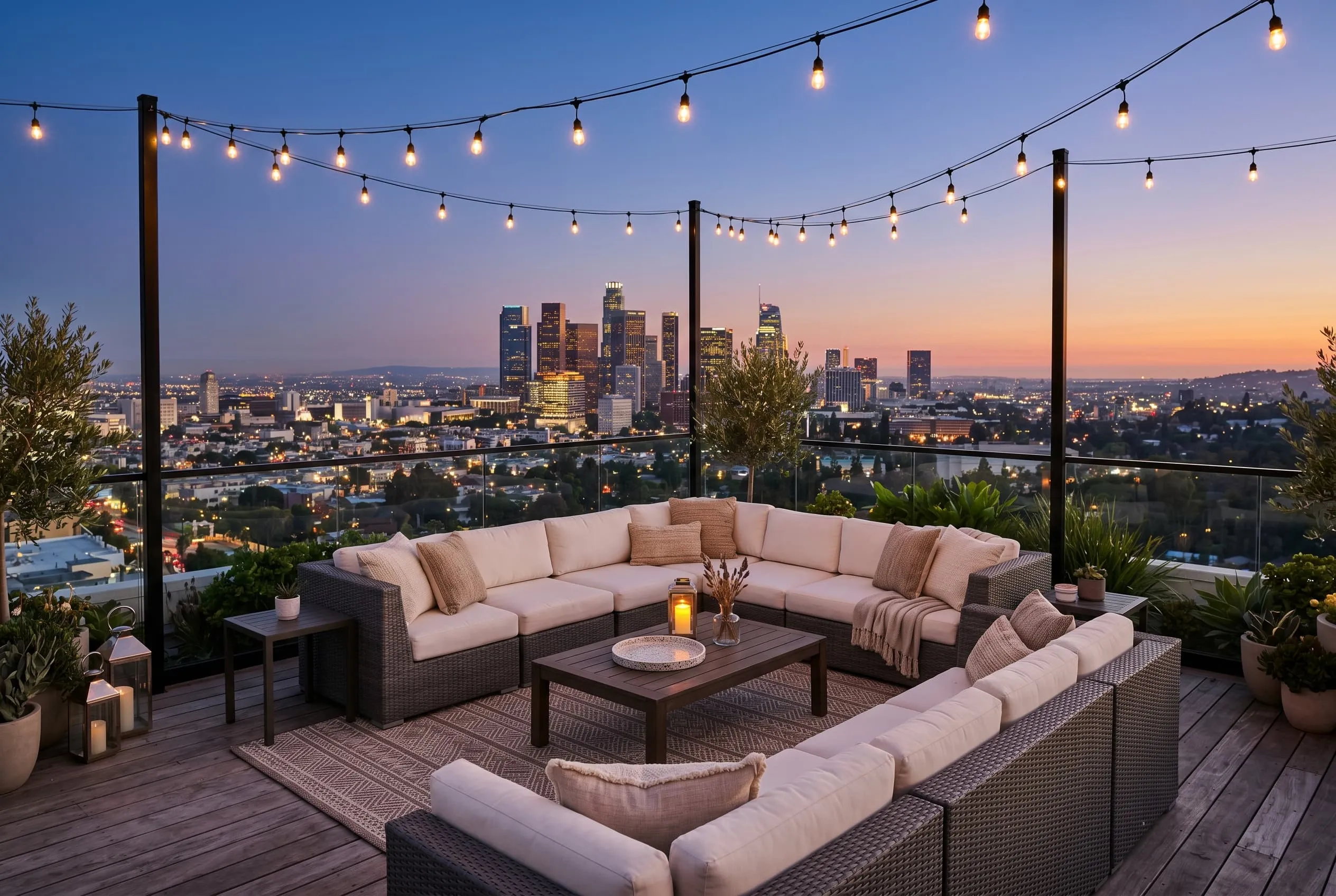
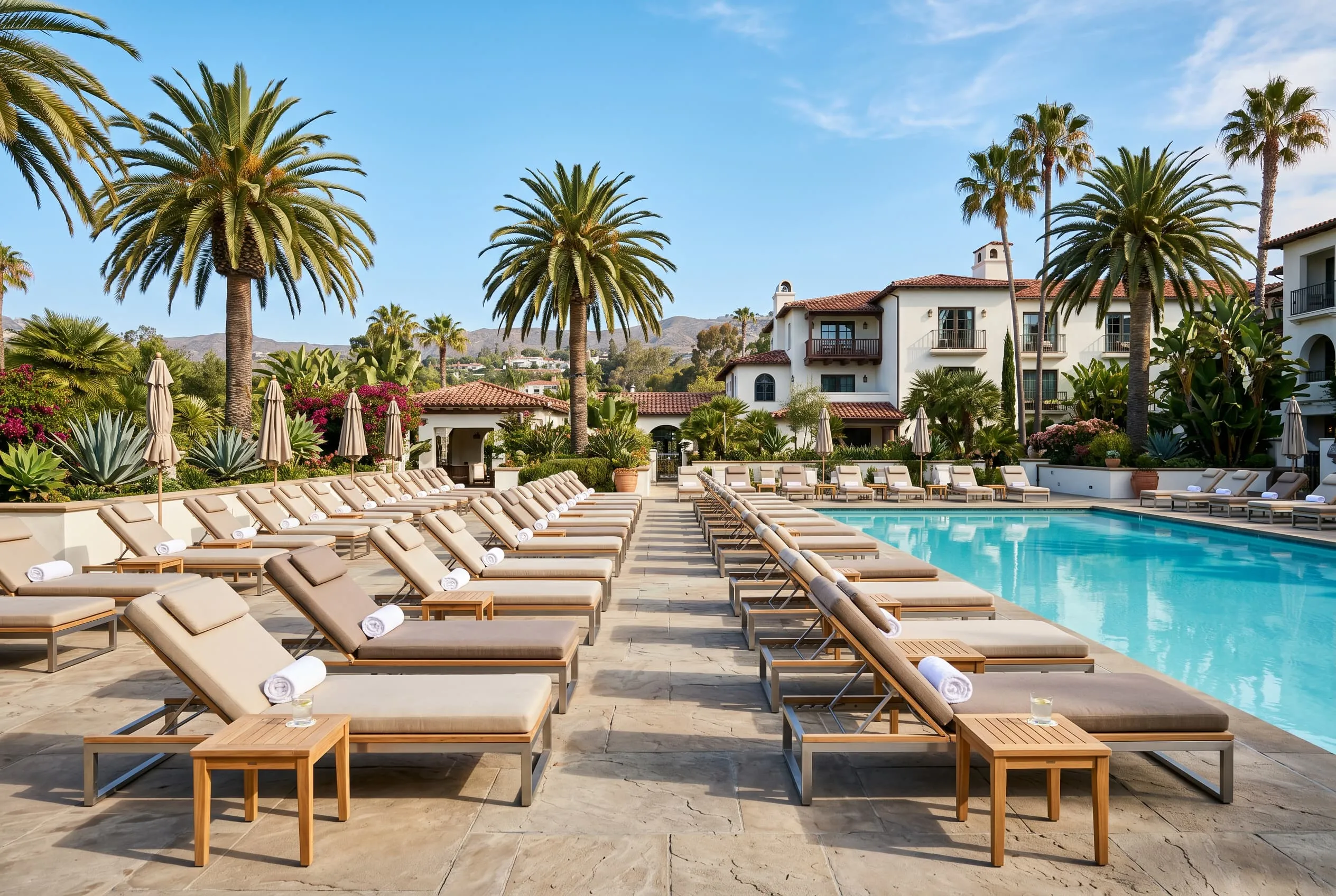
- Outdoor furniture a significant line item in LA given the year-round outdoor dining culture
- Decorative lighting fixtures
- Artwork and accessories, sometimes broken out as a separate FF&A line
Here is what consistently surprises owners on their first major LA project: outdoor furniture costs accumulate fast. A rooftop bar in WeHo or a dining terrace in Culver City requires contract-grade pieces engineered for UV exposure, salt air, occasional Pacific rain events, and punishing daily use cycles. Residential outdoor furniture does not hold up in those conditions. Specifying it to save money upfront creates replacement costs within 18 months and a guest experience problem long before that.
Working With Designers and Procurement Consultants
On most Los Angeles projects above a certain scale, the interior designer does not manage procurement directly. A dedicated FF&E procurement consultant or purchasing agent handles vendor communication, purchase orders, freight coordination, and punch list tracking. That separation keeps your designer focused on creative decisions while someone else owns the operational complexity.
If you are a hotel owner or restaurant operator managing your first major project, here is what you need to know: understanding who is responsible for what matters more than almost any other single factor. Your designer specifies what you need. Your procurement consultant sources it, negotiates pricing, and coordinates delivery. Your general contractor aligns the installation schedule with the procurement team. When those three parties are not talking clearly with each other, projects miss openings and in Los Angeles, where media coverage of a new opening is tied directly to the launch date, missing that window has real revenue consequences.
Lead time transparency is the thing that separates experienced procurement consultants from inexperienced ones. The good ones flag risk early. They know which manufacturers are running long right now, which finishes are on allocation, and when to push for alternatives before the schedule breaks.
FF&E procurement Los Angeles runs through a network of reps, dealers, and showrooms that take years to build. If you are new to sourcing in this market, working with someone who already holds those relationships cuts lead times and gets you better pricing than approaching manufacturers as an unknown buyer.
Getting Your Project Started
Whether you are sourcing furniture for a 20-room Silver Lake boutique, a new rooftop concept in Hollywood, a full-service hotel in Downtown LA, or a restaurant expansion in Venice, the fundamentals of FF&E procurement Los Angeles are the same: start earlier than you think you need to, lock your specifications before going to bid, and work with vendors who actually understand contract-grade hospitality requirements.
If you are still in the early stages of defining your furniture needs, the resources below are a useful starting point.
If you are sourcing FF&E for your Los Angeles property, the fastest way to real numbers is to tell us what you need. Request a quote with your quantities and timeline.