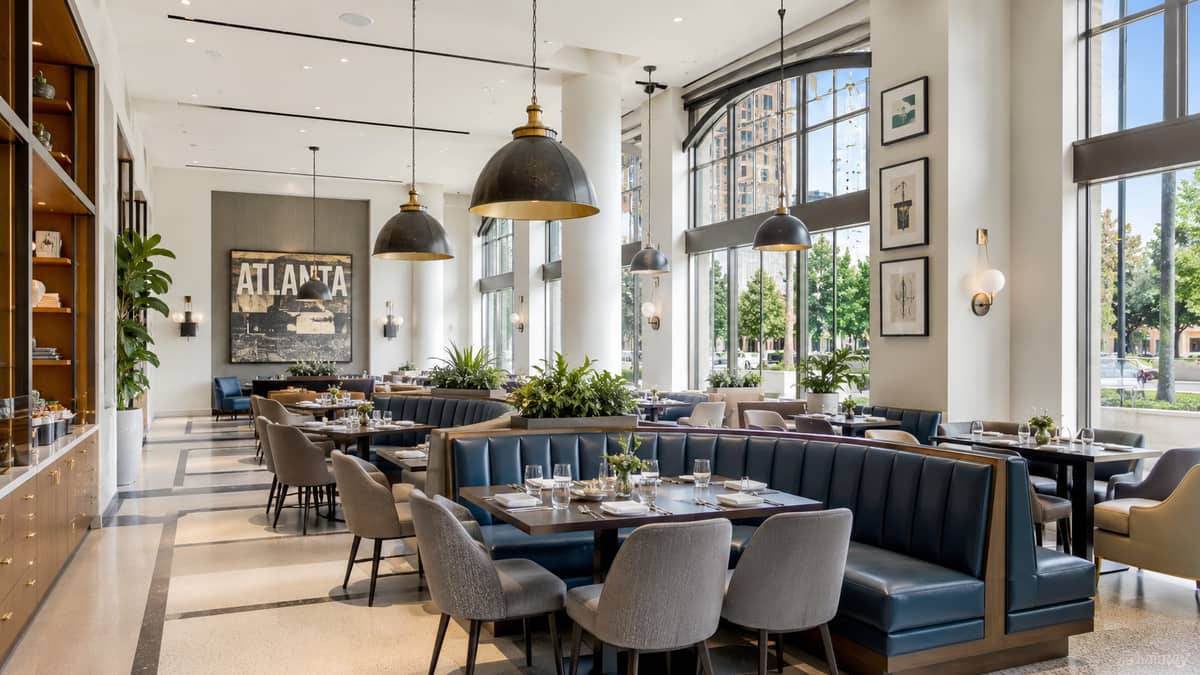
FF&E procurement in Buffalo covers everything that furnishes a hospitality property but is not part of the building itself, furniture, fixtures, and equipment ranging from guest room casegoods to lobby seating to restaurant tables. Getting this process right on a Buffalo project means understanding both the general procurement discipline every hospitality project needs and the specific timeline pressures this market creates, from winter freight risk to a renovation pipeline concentrated around downtown's historic building stock and the waterfront development corridor.
What FF&E Actually Covers (and What It Does Not)
FF&E is distinct from the base building construction scope. It includes case goods, seating, tables, soft goods, and often smaller equipment items, but not fixed architectural elements like millwork or built-in cabinetry, which typically fall under the construction contract instead. Getting this boundary right early prevents scope gaps where an item falls through the cracks between your general contractor's scope and your FF&E vendor's scope, a common and expensive mistake on renovation projects, particularly in Buffalo's older downtown building stock where original architectural elements sometimes complicate what counts as fixed versus furnished.
How the Buffalo Market Shapes Procurement Timelines
Buffalo's hospitality construction and renovation pipeline runs concentrated around a few corridors: downtown historic building conversions, waterfront development near Canalside, and a steady stream of renovation work tied to properties near the convention center and arena district. Each of these has its own timeline pressures.
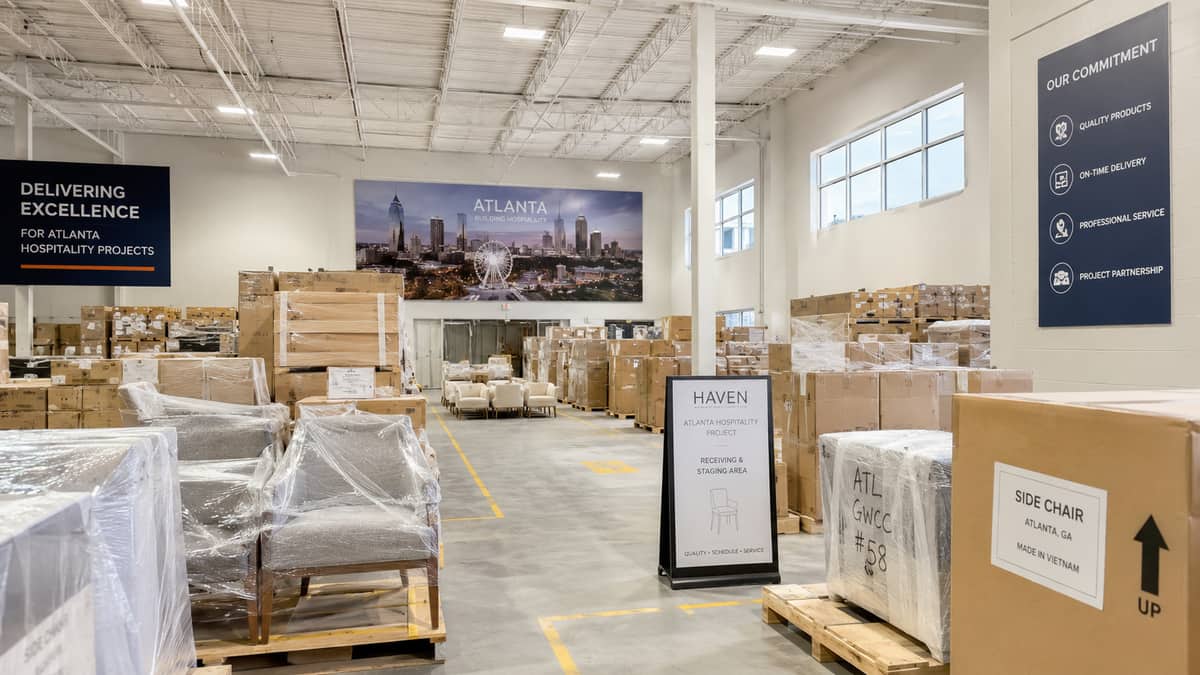
Winter weather is the variable outside a project's control that most affects Buffalo FF&E timelines. Freight delays tied to snow and ice across the Great Lakes region and the broader Northeast corridor are common between late November and early March, and any project targeting a spring opening needs to build that risk into the procurement schedule rather than assuming standard lead times will hold through the winter months. A procurement plan that ignores this seasonal risk is the most common cause of delayed openings on Buffalo hospitality projects.
Working With Designers and Procurement Agents
Most Buffalo hospitality projects run FF&E procurement through an interior design firm, a dedicated procurement agent, or some combination of both, particularly for larger downtown properties and branded hotels with corporate design standards to meet. Independent boutique and restaurant projects sometimes handle procurement more directly, working straight with a furniture supplier.
Either way, the procurement process works best when furniture specification happens in parallel with interior design finalization, not after. Locking finishes and fabrics early gives your supplier the lead time needed to hit a realistic delivery date, and it gives you room to negotiate on minimum order quantities and phased delivery before you are working against a hard deadline.
What Your Budget Should Account For
FF&E budgets on Buffalo projects need to account for more than the furniture line item itself. Freight costs to a Great Lakes market can run higher than a coastal metro with more frequent carrier service, and any project with winter delivery exposure should budget contingency for expedited shipping if a weather delay threatens an opening date.

Custom finishes and fabrics carry both cost and lead time premiums, and larger properties furnishing significant room counts should plan for phased delivery costs if construction access limits how much furniture can be received and staged at once, a common constraint in Buffalo's converted historic downtown buildings. Build these realities into your budget from the start rather than discovering them mid-project. Request a quote to begin scoping your FF&E package.
Related reading
- FF&E procurement: a practical guide for hotels and venues
- What is contract furniture
- Commercial furniture vs retail
- Hospitality furniture supplier guide
- Hotel seating catalog
- Guestroom casegoods
- Hotel renovation furniture in Buffalo
- Commercial furniture supplier in Buffalo
- Commercial furniture in New York