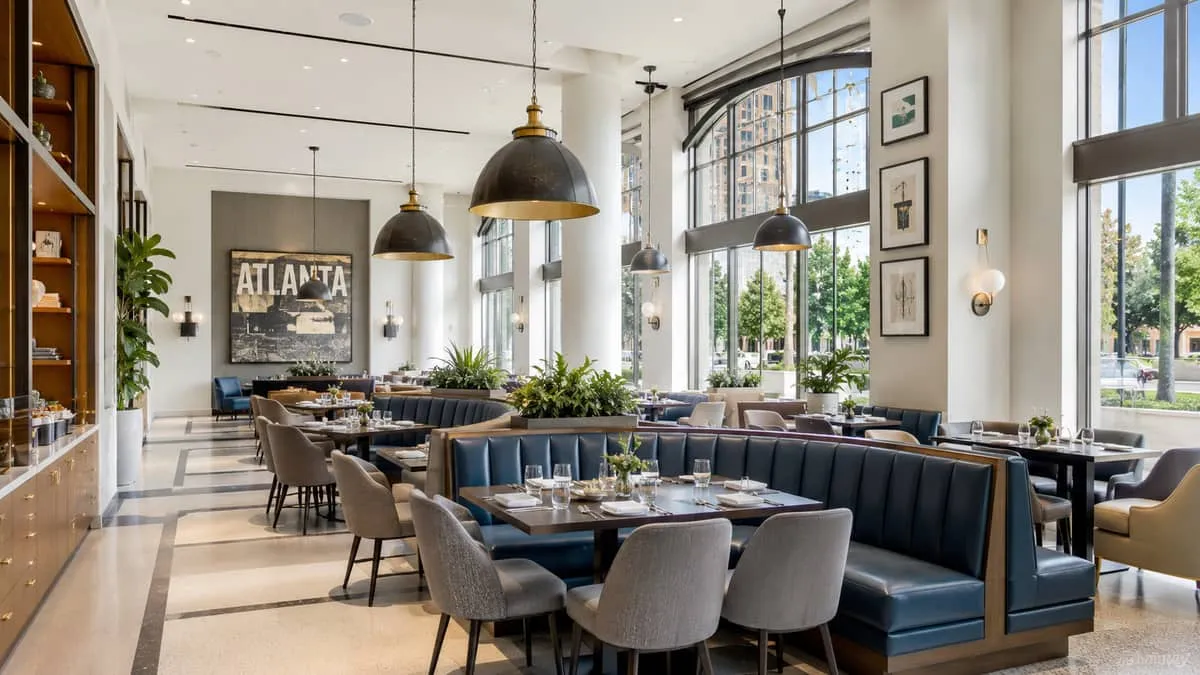
Bend's hospitality construction market does not run on the same rhythm as a large metro. Most projects here are independent hotels, restaurant buildouts, and renovations tied to the city's two-season tourism economy, ski season and summer outdoor recreation, rather than large branded ground-up builds. That changes the procurement conversation. Projects in Central Oregon also work against a shorter effective construction season, since winter weather and mountain-pass freight delays can compress the window for installation. If you are furnishing a hotel near downtown or a restaurant close to the Old Mill District, the challenge is not finding furniture, it is locking specifications and lead times against a construction calendar with little room to slip.
What FF&E Covers on a Bend Project
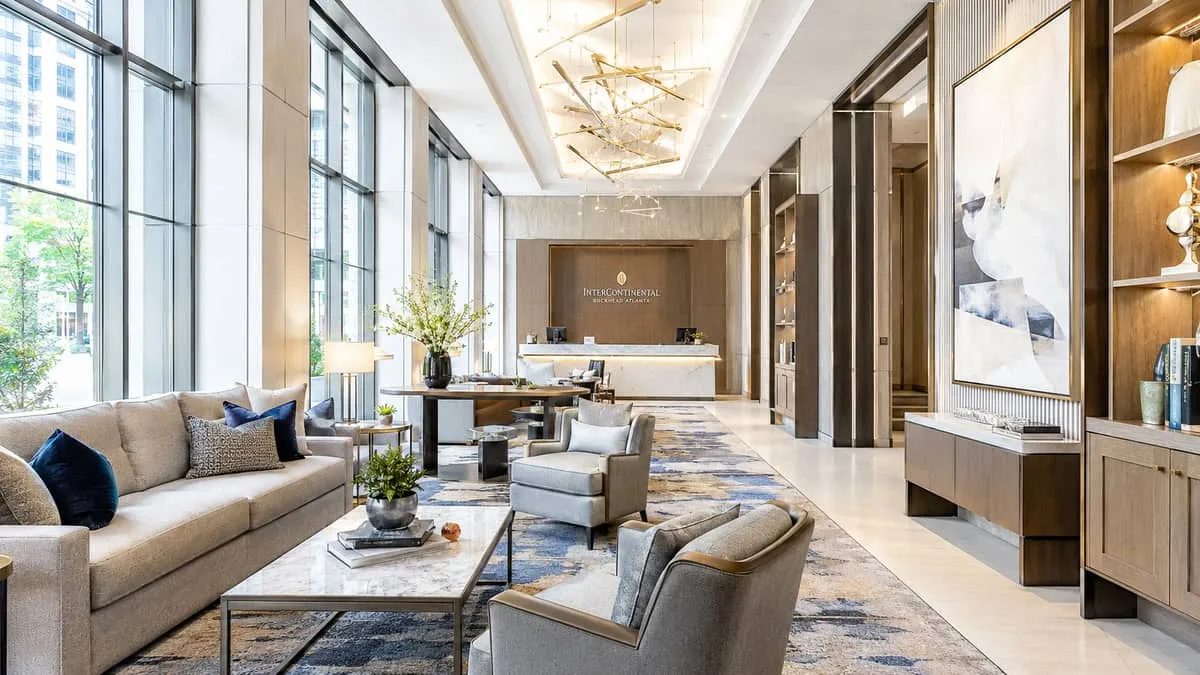
FF&E stands for furniture, fixtures, and equipment. For a hotel, that means guestroom beds, nightstands, desks, and chairs, along with lobby lounge seating, restaurant seating, bar stools, and the finish details that carry a property's design identity through its public spaces. For a standalone restaurant project, FF&E covers dining tables, all seating, host stands, and any built-in booth work paid for out of the furniture budget rather than general contractor line items.
Building a Realistic Procurement Timeline
Standard contract furniture lead times run 10 to 16 weeks domestic, longer for imported goods once shipping and customs delays are factored in. Freight into Central Oregon adds transit time most suppliers based in larger coastal markets do not plan around by default, and winter mountain-pass conditions can add further delay to a delivery scheduled for the wrong time of year. Build your procurement timeline backward from your target opening date, and add buffer specifically for the winter months if any part of your delivery window falls between late fall and early spring.
Budgeting and the Custom Work Question
Custom and semi-custom furniture work costs more and takes longer, but it is often what gives a Bend property the design identity that separates it from a generic branded look. Build a contingency of at least 10 percent into your FF&E budget from the outset, since field changes are common in renovation work and a buffer lets you absorb them without procurement decisions made under financial pressure. Standard contract product with strong finish options can get most independent properties most of the way to a distinctive look without the lead time and minimum order penalties custom work carries.
Getting Procurement Right in Bend
The Bend properties that open on schedule are the ones that started procurement early, respected realistic lead times against the region's freight and weather constraints, and kept the design team and procurement contact talking constantly through the process. Whether you're refreshing a property near downtown or opening a restaurant close to the Old Mill District, the fundamentals hold: start earlier than feels necessary, specify clearly before you bid, and get a quote locked in before your construction window narrows further.