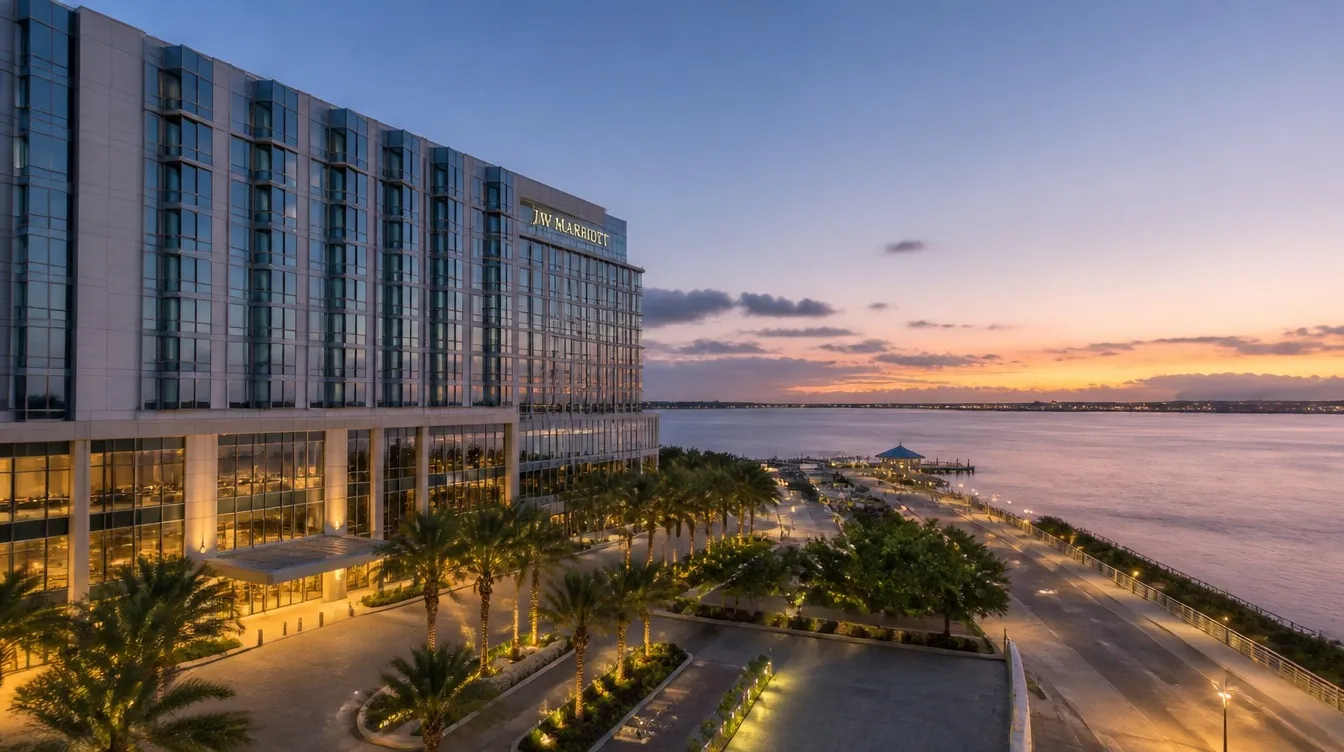
Tampa's outdoor hospitality season is effectively year-round, which means commercial patio furniture here is not a seasonal category. When the Channelside waterfront terraces are running convention dinner crowds in October, when Ybor City's courtyard bars are at capacity on a Thursday in November, when Hyde Park Village patios are full through a warm December weekend the furniture underneath all of those guests is doing sustained commercial work in a Gulf Coast climate that tests materials harder than most inland markets. Getting commercial patio furniture Tampa FL right is not a secondary purchasing decision. It is the foundation of outdoor hospitality revenue that runs most of the year.
What Tampa's Climate Does to Outdoor Furniture
The Gulf Coast climate is specific in how it damages outdoor furniture. High humidity from May through September creates sustained moisture exposure that accelerates mold in cushion foam and corrosion in any metal component with a compromised finish. Summer rainstorms in Tampa are intense and regular seats that do not drain quickly or cushions without solution-dyed, mold-resistant upholstery will not make it through the rainy season without problems. UV load from the Florida sun bleaches surface-treated fabrics and fades powder coats that were not applied to commercial thickness standards.
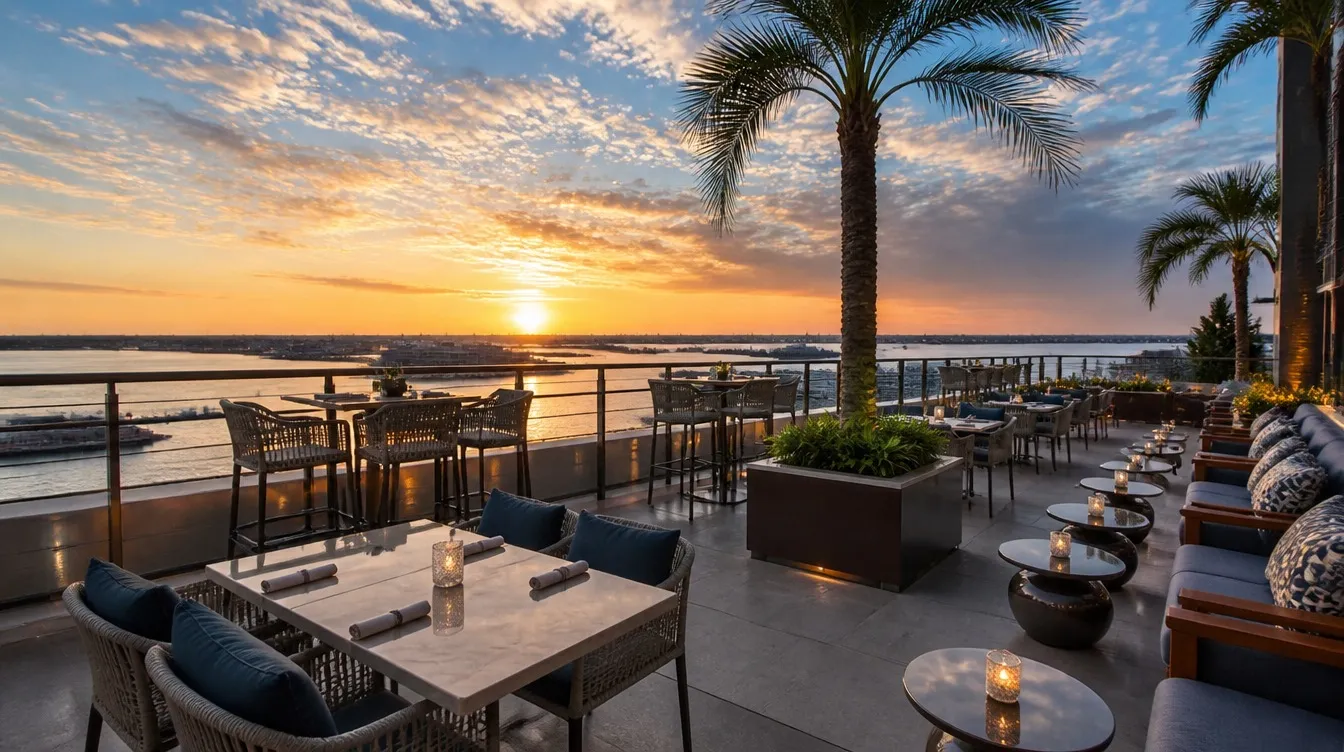
The combination of all three humidity, rain, and UV is what separates furniture that lasts a full operating cycle from furniture that needs replacement inside two seasons. Consumer-grade outdoor pieces are not built for this. Many light commercial pieces are not either. The specs that matter are straightforward: powder-coated aluminum frames with a 60-micron minimum coat thickness, stainless or marine-grade hardware on any fasteners, solution-dyed acrylic upholstery fabrics for cushioned pieces, and tabletop materials that handle moisture without swelling, warping, or delaminating.
Resin wicker over aluminum cores has become the standard for outdoor dining chairs and lounge pieces in the Tampa market for good reason it provides the visual warmth and texture of woven rattan without the cracking, color loss, and moisture absorption that natural materials develop quickly in this climate.
Channelside Waterfront: The Most Demanding Outdoor Environment
The restaurant and hotel patios along Channelside and the Tampa waterfront are doing more environmental damage to furniture than any other outdoor hospitality setting in the city. Bay air carries moisture and trace salt content. Direct waterfront exposure means pieces are in full sun for much of the day without the partial shade that building geometry provides on a street-level urban patio. And the guest volume on event nights when Amalie Arena events spill foot traffic through the corridor is hard commercial use by any measure.
For these locations, marine-grade aluminum alloys with sealed hardware are worth specifying over standard commercial aluminum. The difference in cost is real but not large relative to the total piece cost, and the corrosion resistance in a bay-adjacent environment is meaningfully better over a three-to-five year service life. For any cushioned pieces, closed-cell foam cores do not absorb water a critical specification when pieces need to be back in service quickly after an afternoon rainstorm. Mesh and sling seat options on dining chairs eliminate the cushion management problem entirely on the highest-volume outdoor dining sets.
Ybor City Courtyard Bars: Design Plus Durability
Ybor City's outdoor bar environments are architecturally distinctive brick walls, iron railings, Spanish tile, the particular character of a historic Latin Quarter that has been turning out hospitality since the 19th century. The commercial patio furniture Tampa FL properties in this neighborhood select has to carry design weight in a way that a generic aluminum stack chair simply cannot.
Wrought iron frames with dark matte finishes oil-rubbed bronze, black iron, antique bronze read well in Ybor City's visual context in a way that contemporary aluminum does not. These frames are heavier, which can limit stacking efficiency, but the aesthetic payoff for a well-reviewed Ybor City courtyard bar or Cuban restaurant patio is substantial. The furniture becomes part of the place rather than a background element.
Where weight is a concern venues that need to clear the courtyard regularly, or that have events requiring reconfiguration lighter aluminum frames in dark bronze or black powder coat can approximate the aesthetic while preserving operational flexibility. The key is specifying a finish that reads as warm and weighted rather than the brushed silver or champagne tones that belong in a different setting entirely.
Hyde Park and South Tampa Patios: Neighborhood Character
The outdoor dining patios in Hyde Park Village and South Tampa serve a different market neighborhood guests, brunch crowds, and the kind of leisurely dining that does not require the high turnover of a Channelside event venue. The furniture here should feel welcoming and considered, not institutional.
Teak is popular at higher-end Hyde Park dining patios for the natural warmth it brings. It handles the Gulf Coast climate well if maintained with seasonal oiling, and the aesthetic is genuinely warm rather than constructed. For operators who do not want the maintenance commitment, FSC-certified ipe or similar hardwoods in well-sealed finishes offer comparable warmth with less upkeep. Aluminum in warm-toned powder coat finishes gunmetal, champagne, warm white supports a more relaxed aesthetic than black or dark bronze and fits the neighborhood feel better.
Budgeting and Lead Times for Tampa Patio Sourcing
Tampa operators planning outdoor furniture purchases need to account for lead times that have gotten longer across the contract furniture market. Most contract-grade commercial patio furniture ships 8 to 14 weeks from order confirmation for standard product, and longer for custom colorways or non-standard configurations. If you are sourcing for a fall opening the smart target for any Tampa venue that wants to be ready before the October-through-April hospitality peak orders placed in July are already behind the ideal schedule.
Per-seat costs for contract-grade commercial patio dining chairs range from roughly $150 to $500 depending on material, construction, and whether custom work is involved. Lounge and pool deck pieces run higher. The math that matters is not the per-unit cost in isolation it is the cost over the full service life, including replacement cycles. A $200 chair that runs five years without maintenance intervention is a different business proposition than an $80 chair that needs full replacement every 18 months.
Work with a supplier who can give you an honest assessment of expected service life for specific products in the Tampa environment. Any supplier who cannot answer that question specifically by material, by application, by outdoor exposure type is not the right partner for a commercial patio project in this market.
For Tampa properties comparing commercial patio furniture options, project-specific pricing tells you more than any published range. Request a quote and we will scope it to your space and volume.