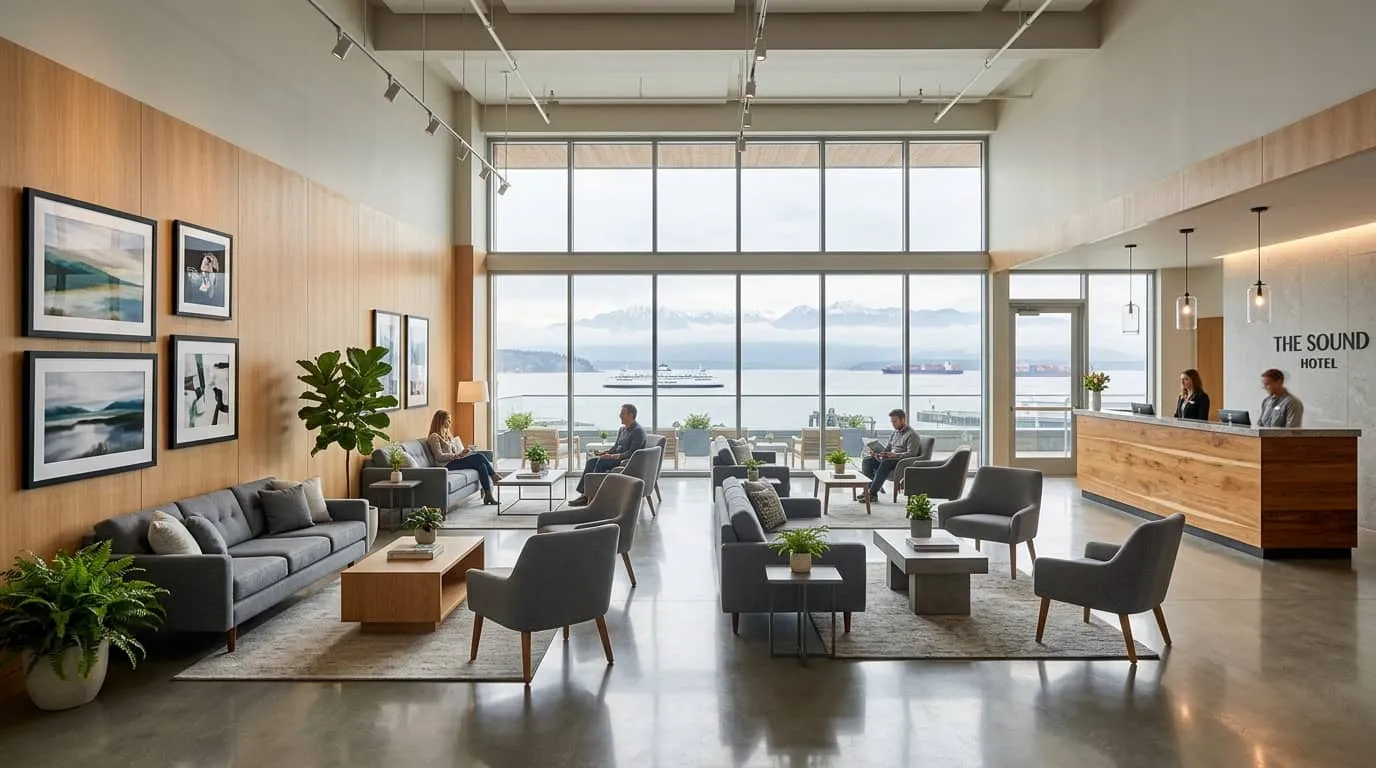
Weather-Resistant Materials for Seattle's Outdoor Season
Seattle's outdoor dining season is shorter and wetter than most markets, which means your patio furniture needs to work harder for every dollar you spend on it. The Pacific Northwest climate delivers persistent rain from October through April, salt-laden air from Puget Sound, and intense UV exposure during the dry summer months when your rooftop bar or sidewalk patio is operating at full capacity. Furniture that handles one of those conditions but not the others will fail you within two seasons.
For Seattle properties, the three materials that hold up best are marine-grade aluminum, high-density polyethylene (HDPE) lumber, and solution-dyed acrylic fabric. Marine-grade aluminum resists corrosion even in environments with high moisture and salt content a genuine concern if your property sits near the waterfront in areas like the Pike Place Market corridor or along the Puget Sound esplanade. HDPE lumber, made from recycled plastic, will not crack, splinter, or absorb moisture the way teak or other hardwoods do under repeated wet-dry cycling. Solution-dyed acrylic, used in commercial cushions and seat pads, resists mold and mildew at the fiber level rather than relying on a surface coating that degrades over time.
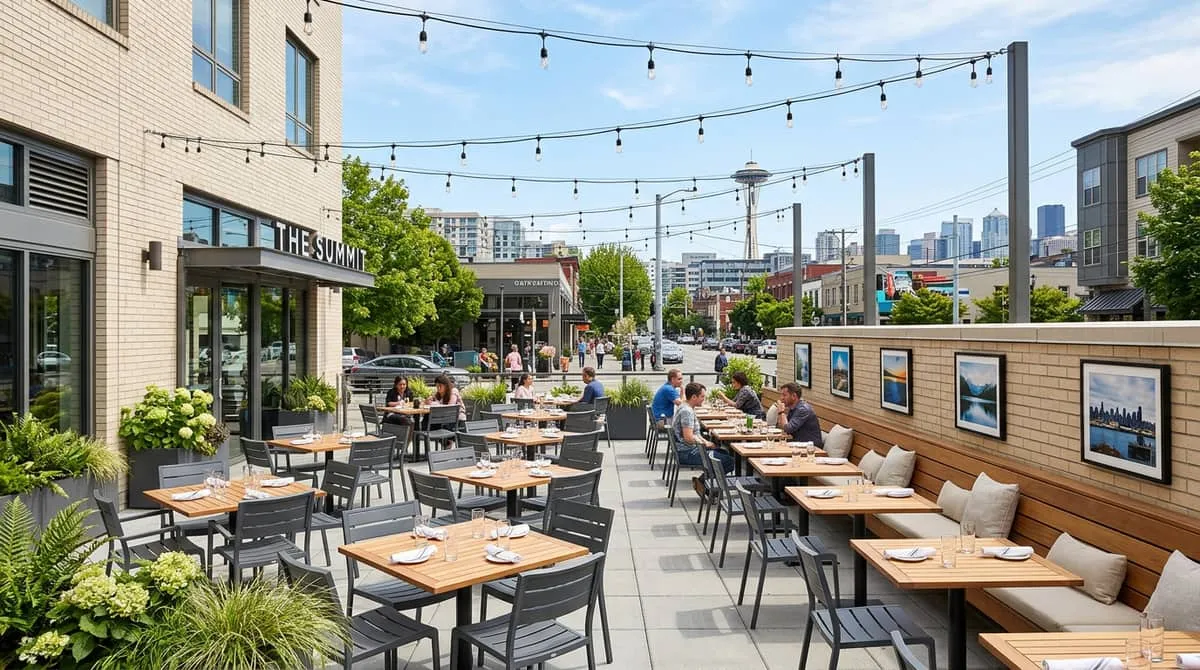
Avoid powder-coated steel unless the coating is thick, professionally applied, and inspected every season. Seattle's humidity accelerates rust at scratched or chipped edges, and once rust starts on steel furniture in this climate, it spreads quickly. If aesthetics require a steel look, specify cast aluminum with a textured powder coat it reads as steel but will not corrode.
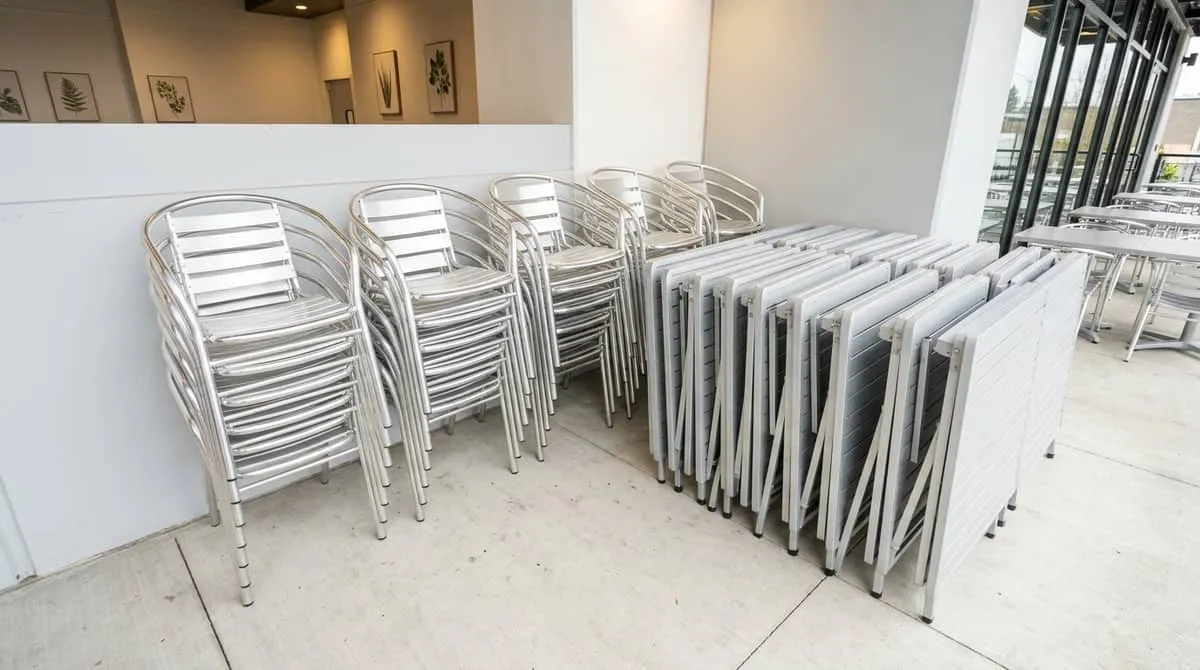
Stacking and nesting capability matters here more than in drier markets. You will need to pull furniture inside or under cover regularly, and stacking chairs reduce the time and labor required to do that efficiently. Specify frames with a stacking ratio of at least 8 to 12 chairs per stack for your outdoor inventory.
Rooftop Bars and Elevated Outdoor Spaces
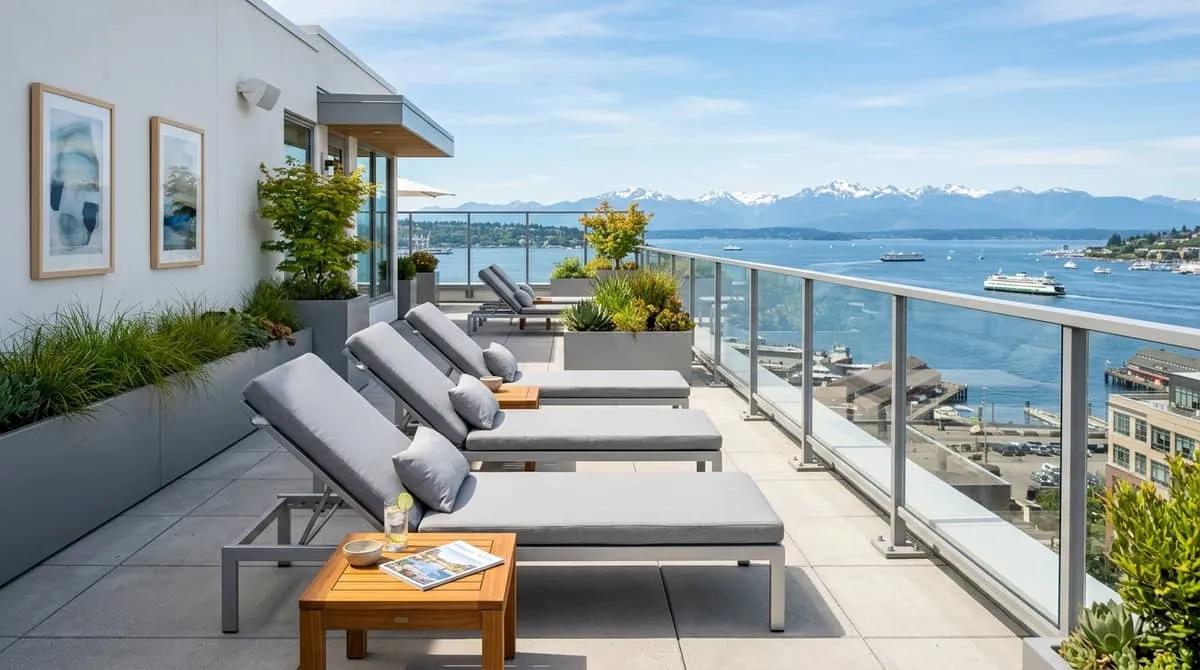
Seattle's rooftop bar scene has expanded significantly with development in South Lake Union and along the Amazon and Microsoft tech corridor. Properties in these neighborhoods are competing for the same corporate event business and weekend leisure crowd, and rooftop furniture is a visible differentiator. The challenge with rooftop installations is that wind load, weight restrictions, and sightline preservation all constrain your options in ways that standard patio situations do not.
For rooftop applications, work with your structural engineer before finalizing furniture specifications. Most commercial rooftop terraces in Seattle have a live load rating that accommodates standard commercial furniture, but adding heavyweight stone-top tables or large planter bases can push you toward that limit faster than expected. Aluminum furniture is the clear choice here: a commercial aluminum dining chair typically weighs 8 to 12 pounds versus 25 to 35 pounds for a comparable steel or cast-iron piece.
Wind is the other rooftop variable. Your furniture needs to be weighted or anchorable enough that a Puget Sound windstorm does not turn chairs into projectiles. Many commercial rooftop operators in Seattle use weighted umbrella bases of at least 50 pounds and choose low-profile seating configurations that reduce wind resistance. For tables, specify models with a wind vent option in the umbrella or plan to store umbrellas during high-wind advisories the National Weather Service issues these regularly in fall and winter.
Acoustic and visual experience matter on rooftops because guests are paying for the view and the atmosphere. Your furniture layout should not block sightlines to the skyline, the water, or the mountains. Work with your floor plan in advance and choose furniture profiles that are lower and less visually obstructive than you might use in a ground-level dining room.
Neighborhood Context: Capitol Hill, Ballard, and Beyond
Different Seattle neighborhoods have different expectations for outdoor hospitality environments, and your furniture specification should reflect the character of the area.
Capitol Hill's outdoor dining scene skews toward creative and casual. Restaurants and bars on the Hill are serving a mixed crowd of tech workers, longtime residents, artists, and nightlife guests. The design language that works here tends to be industrial but refined powder-coated aluminum in matte black or slate gray, simple slatted seating without ornate detailing, and modular configurations that let you shift from café service in the afternoon to bar seating in the evening. Operators on Capitol Hill also benefit from covered or semi-covered patio structures, since the neighborhood's street-level patios are exposed to rain in ways that rooftop spaces are not.
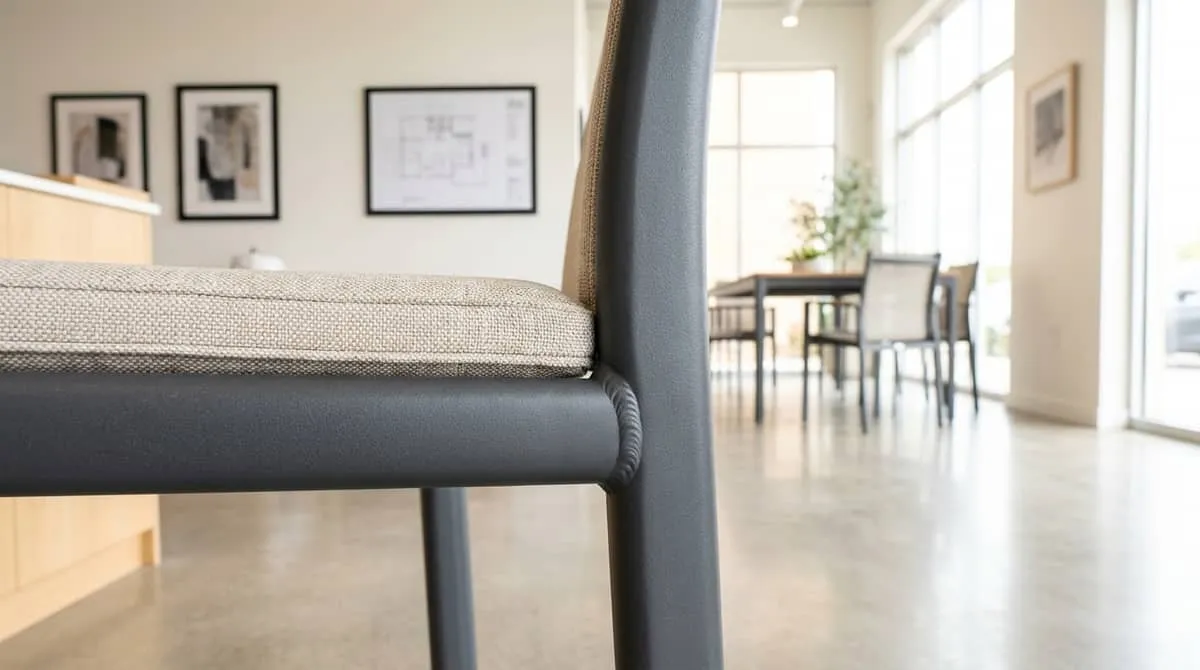
Ballard has become one of the city's most active dining and brewery districts, and its outdoor spaces reflect a more relaxed, neighborhood feel. HDPE lumber furniture in warm tones works well here alongside teak-look composite pieces. Ballard's industrial heritage makes weathered or raw-finish materials feel appropriate rather than underfinished. If your property is near the water or the Ballard Locks, salt-air resistance is a real specification concern, not just a brochure talking point.
Properties near the Washington State Convention Center, Pike Place Market, or the South Lake Union hotels catering to convention and corporate travel should spec furniture that holds up to higher volume, more diverse guest profiles, and frequent rearrangement. Contract-grade commercial furniture pieces rated for commercial use and built to BIFMA standards is not optional in those environments. Consumer-grade outdoor furniture from retail sources will not survive a full Seattle tourist season at the utilization rates a 200-room hotel or high-volume restaurant generates.
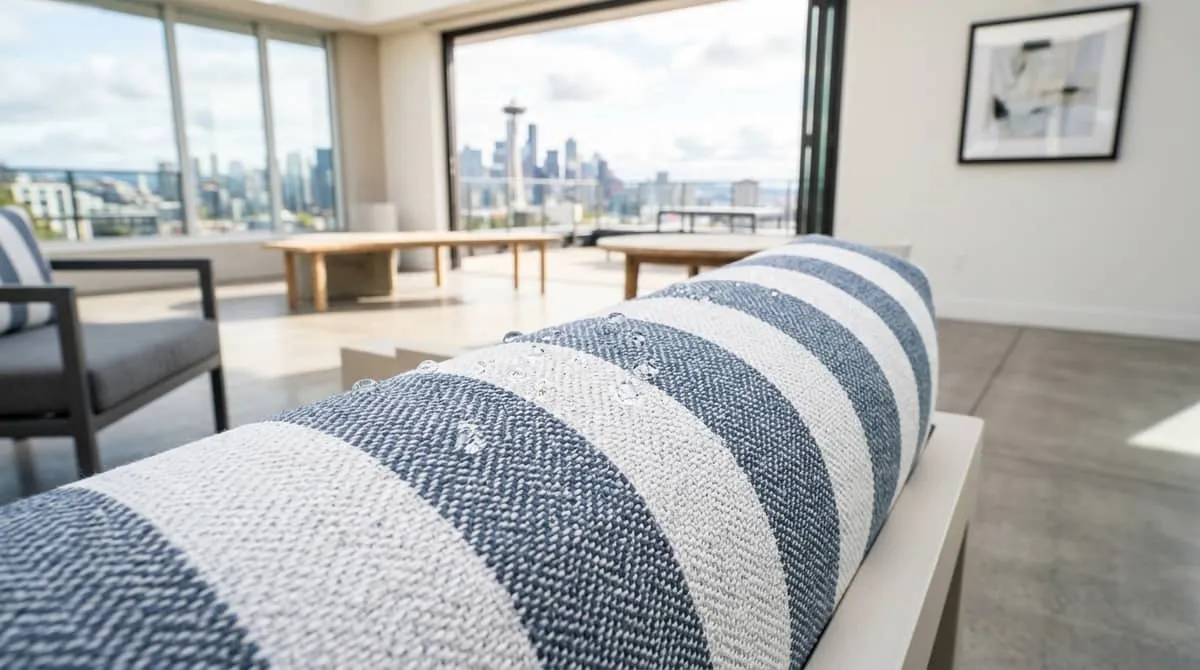
Wherever your property sits, invest in a commercial outdoor furniture care program: seasonal inspections, touchup coatings for powder-coated pieces, replacement of worn webbing or cushion covers before they become a visible problem. Seattle's climate is manageable for outdoor furniture, but only if you maintain it proactively rather than reactively.
Planning commercial patio furniture for your Seattle project? Share your specs and quantities and we will build pricing around your actual program. Request a quote to get numbers for your space.