Pittsburgh's outdoor dining and hospitality scene is shaped by two forces that pull in opposite directions: a warmer-season culture that is intensely outdoor-focused, centering on the city's rivers, deck spaces, and rooftop venues, and a winter climate that is genuinely punishing cold, wet, and occasionally heavy with snow from November through March. Commercial patio furniture in Pittsburgh has to earn its place in both seasons, which means all-weather material specifications are not optional considerations but baseline requirements. Operators who shortcut on weather resistance discover it after the first winter.
Pittsburgh's Outdoor Hospitality Landscape
The three rivers are Pittsburgh's most distinctive geographic feature and, for hospitality operators, a defining outdoor amenity. Restaurant and bar decks along the Allegheny, Monongahela, and Ohio rivers draw summer crowds that treat outdoor seating as a premium amenity guests choosing a river-view table are making a deliberate decision that should be rewarded with seating comfortable enough to extend a visit. Lounge chairs and outdoor dining chairs on river decks see extended seasonal use from May through October and need to be proportioned for comfort over longer visits, not just quick turns.
The North Shore riverfront, with its combination of stadium-adjacent sports bars and casual dining operators, represents some of Pittsburgh's highest-volume outdoor seating. Game-day crowds on deck spaces at Steelers, Pirates, and Penguins events create surge conditions that test furniture durability in concentrated bursts. Operators here need commercial-grade frames rated for repeated heavy use, not residential-grade outdoor furniture that looks similar but fails in half the time.
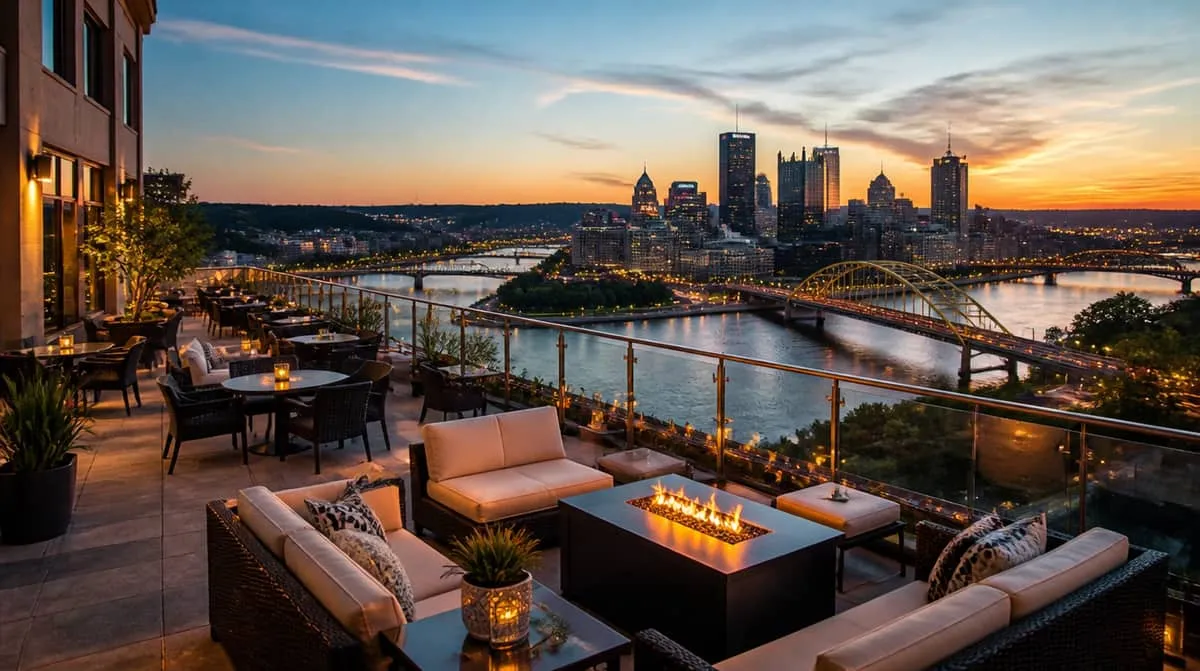
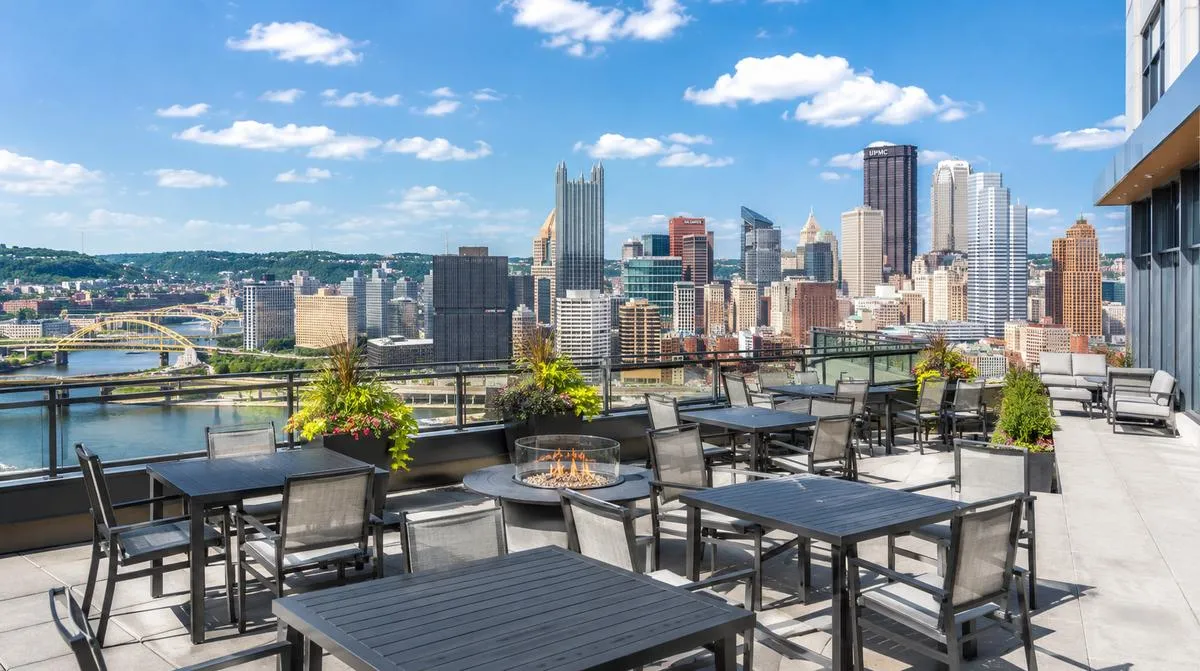
Rooftop bars in East Liberty and Lawrenceville have become among Pittsburgh's most socially visible venues the kind of spaces that generate social media content and drive reservation demand. These elevated spaces face additional exposure conditions: wind loading, direct sun, and the operational requirement that furniture be storable or covered through Pittsburgh winters without degrading. Sofas and lounge seating for rooftop environments should be specified with UV-stable fabrics, quick-dry foam cores, and frames that can be stacked or stored without requiring a dedicated storage crew.
Strip District outdoor seating sidewalk tables along Penn Avenue and the open-air market areas operates in a high-traffic pedestrian environment where furniture takes incidental contact from passersby, market carts, and delivery operations. Durability specifications that account for this kind of ambient physical contact, not just seated use, are appropriate for this location type.
Lawrenceville's sidewalk dining on Butler Street benefits from furniture that connects to the neighborhood's design identity while meeting the practical requirements of a commercial streetscape anchor-able in high-wind conditions, cleanable without special equipment, and proportioned for relatively narrow sidewalk setbacks.
Material and Design Specifications
Pittsburgh's outdoor furniture aesthetic follows the same industrial-craft principles that govern its indoor hospitality design, with weather-resistance layered in as an engineering requirement. Powder-coated steel and aluminum frames in black or dark graphite tones reference the city's steel heritage while meeting commercial durability standards. Aluminum lighter than steel, inherently rustproof is the more practical choice for rooftop applications where weight loading and corrosion resistance both matter.
For seating surfaces, commercial-grade woven synthetic materials (solution-dyed acrylic or polypropylene in dark or warm-neutral tones) are the correct specification for Pittsburgh's climate. These materials resist UV degradation, dry quickly after rain, and maintain color integrity through multiple seasons. The look is consistent with the city's honest-materials aesthetic no artificial wood grain or faux wicker that pretends to be something it isn't.
Ottomans in outdoor lounge configurations should be specified with removable, washable covers or all-weather vinyl that can handle the realistic conditions of a Pittsburgh river deck. Quick-dry foam cushions that don't require removal after every rainstorm reduce operational burden for outdoor service teams.
Stackable chairs and folding tables for variable-capacity outdoor spaces give operators flexibility to expand or contract seating with seasonal demand. Specifying furniture that stacks cleanly without requiring special equipment or producing storage configurations that damage frames is worth confirming before ordering.
Procurement and Seasonal Timing
Pittsburgh operators typically activate outdoor spaces in late April or early May and run through October. Furniture orders should be placed in January or February to ensure delivery before season opening. Spring delivery slots for commercial outdoor furniture suppliers book quickly in northern markets.
End-of-season storage planning should be specified at the procurement stage operators who don't plan for winter storage often leave outdoor furniture uncovered through Pittsburgh's winters and replace it after two or three seasons rather than the five to eight years that properly maintained commercial outdoor furniture should deliver.
Ready to spec commercial patio furniture for your Pittsburgh project? Send us the details and we will price it around your requirements. Request a quote to start.