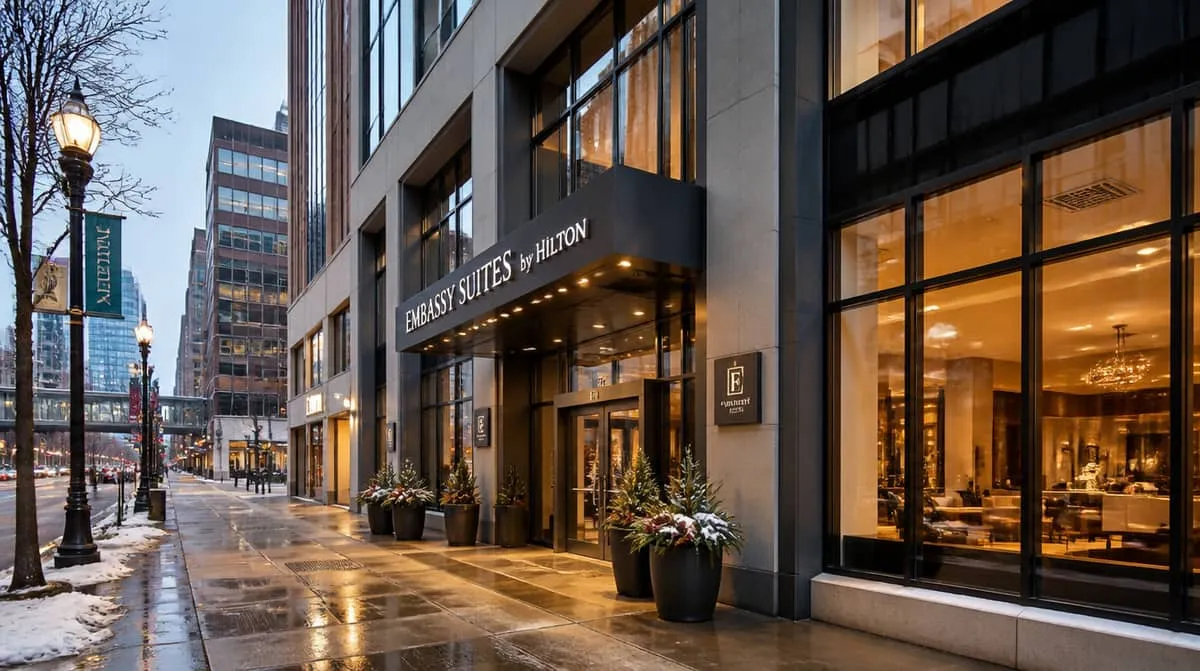
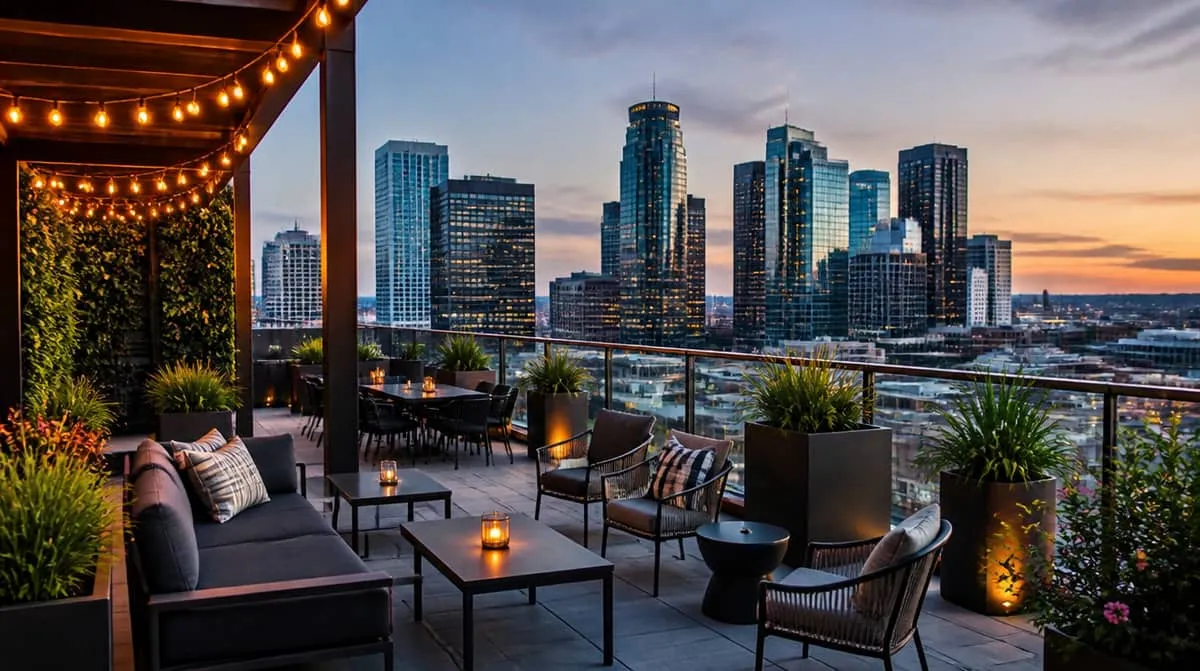
Minneapolis outdoor dining and patio hospitality runs on a short but serious season. From late April through October with the sweet spot from Memorial Day to Labor Day restaurant patios, hotel terraces, and rooftop bars in the North Loop, Northeast Minneapolis, and along the riverfront run at maximum capacity every warm weekend. Operators who get outdoor furniture right earn the season's revenue. Operators who under-specify pay for it through rust, UV fade, cracked webbing, and wobbly frames that deteriorate visibly before the season is over. The compressed timeline makes every mistake more visible and less recoverable there is no slow month to swap in replacements without guests noticing. Minneapolis commercial patio furniture procurement requires the same seriousness as interior specification.
Materials Built for Minnesota's Climate
The freeze-thaw cycle is the defining material challenge for Minneapolis commercial patio furniture. Any moisture that enters a furniture joint or frame seam in autumn will freeze and expand through the winter, and by spring that expansion has widened gaps, stressed welds, and worked fasteners loose. This happens to furniture that is "outdoor-rated" in temperate climates but not built for Minnesota winters. The specification requirement here is genuine commercial outdoor construction, not residential patio furniture with a weather-resistant label.
Aluminum frames are the correct default for Minneapolis commercial patio environments. Powder-coated aluminum does not rust, handles freeze-thaw cycling without joint damage, and maintains finish integrity through repeated seasonal storage and setup cycles. Steel frames with commercial-grade powder coating work for covered patio applications but require more attention to joint sealing. Avoid wrought iron in environments where the furniture will be moved regularly the weight creates handling strain and increases the chance of joint stress during seasonal transitions.
Sling fabric for seating surfaces should be UV-stabilized and rated for outdoor commercial use PVC-coated polyester or acrylic mesh rated for 1,000 hours of UV exposure minimum. Cheaper sling materials lose color and structural integrity within a single Minneapolis season when exposed to the sun angles and temperature swings typical of a Minnesota summer. Cushions, if specified, must use outdoor-rated foam with drainage core construction and quick-dry covers. Saturated cushions that hold water become mold vectors and a liability in a food and beverage environment.
Dining chairs in commercial outdoor configurations should have a weight and profile appropriate for the application light enough for staff to move efficiently for reconfiguration, heavy enough to stay put in the wind events common to open terrace locations along the Mississippi riverfront or rooftop settings in the North Loop.
Stacking, Storage, and Seasonal Logistics
Outdoor furniture in Minneapolis must have a storage plan before it has a purchase order. The season is compressed enough that storage logistics are as important as material specification. Equipment that cannot be efficiently stored through the winter will be stored badly, and badly stored furniture deteriorates faster than correctly stored furniture even if the initial spec was correct.
Stackable dining chairs and folding or knockdown tables reduce storage footprint significantly. A North Loop rooftop bar that seats sixty during summer needs to store all of that furniture through six months of winter the storage math has to work or the furniture sits outside and degrades. Stacking chairs that nest to twelve or fifteen units high on a dolly can be stored in a fraction of the floor space that non-stacking chairs require.
Barstools for outdoor bar counters or patio rail seating should stack or nest where possible and should be individually covered or stored indoors through the off-season. Bar-height seating takes more handling stress during setup and breakdown than dining-height chairs specify welded frame construction rather than bolted assembly for outdoor barstools that will be moved repeatedly.
Cover systems for fixed-frame furniture tables with fixed bases, large statement pieces extend service life and reduce off-season deterioration. Budget for custom or fitted covers at time of initial order rather than treating them as optional accessories.
Procurement Planning for Minneapolis Patio Projects
Commercial patio furniture for Minneapolis hospitality should be ordered no later than January for a spring installation. Lead times for commercial outdoor furniture run eight to twelve weeks from order placement, and suppliers managing high demand from markets ahead of the warm season can push those timelines out. An operator who places a patio furniture order in March risks taking delivery in June, compressing their revenue season before it starts.
Work with a contract furniture supplier, not a retail or big-box outdoor furniture channel. Contract suppliers carry commercial warranty coverage that retail sources do not structural warranty of five years minimum is standard in the contract channel. Retail outdoor furniture carries twelve to twenty-four month coverage that is structurally inadequate for commercial hospitality use cycles.
Request material specifications in writing: frame material and gauge, powder coat mil thickness, fabric UV rating and double-rub count if applicable, welding specification for steel or aluminum frames. A supplier who cannot provide these specs is not working from a commercial-grade product line. Minneapolis's climate will expose every gap in outdoor furniture specification within one to two seasons.
Tell us about your Minneapolis commercial patio furniture needs and we will turn your quantities, finishes, and timeline into a firm quote. Request a quote whenever you are ready to compare.