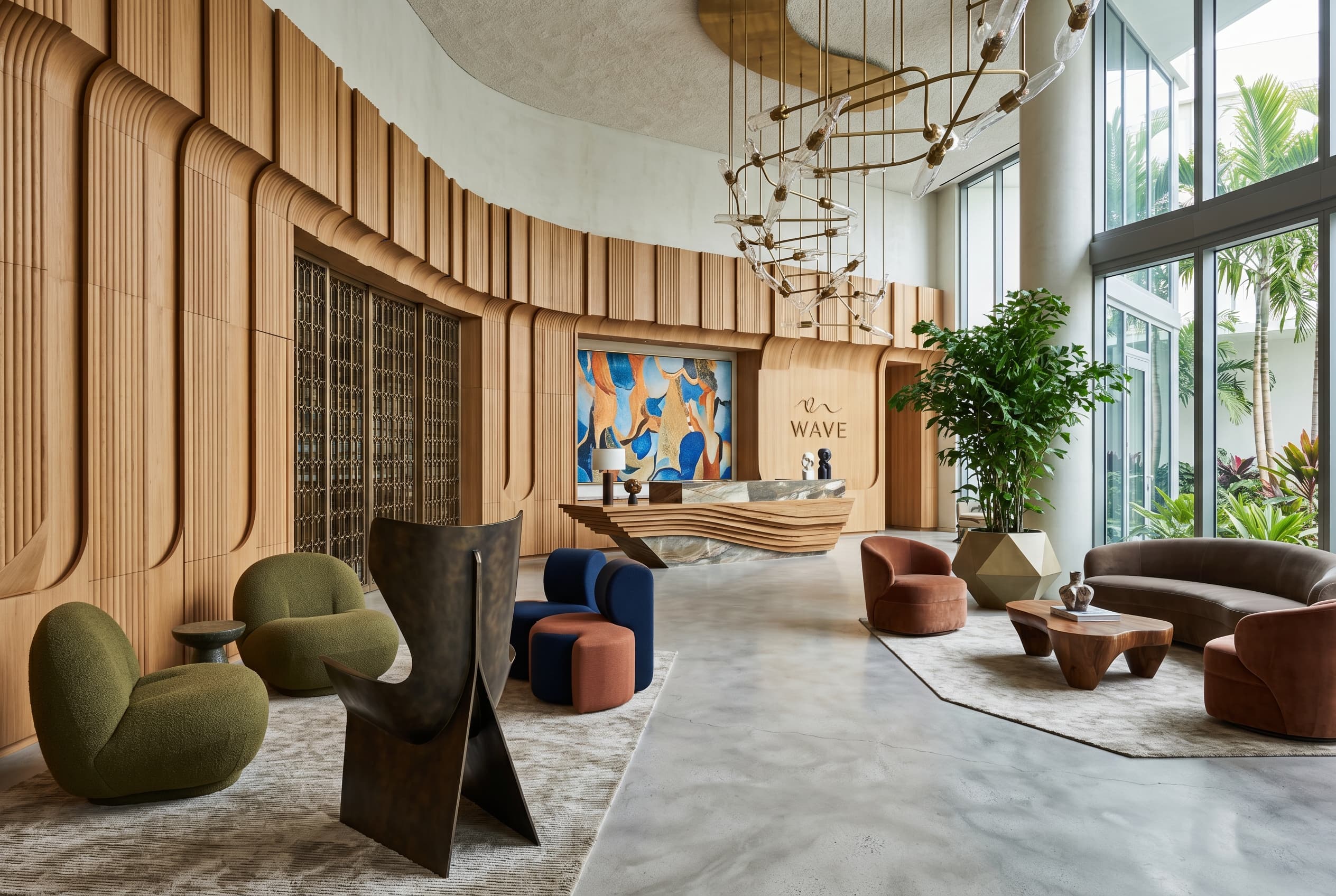
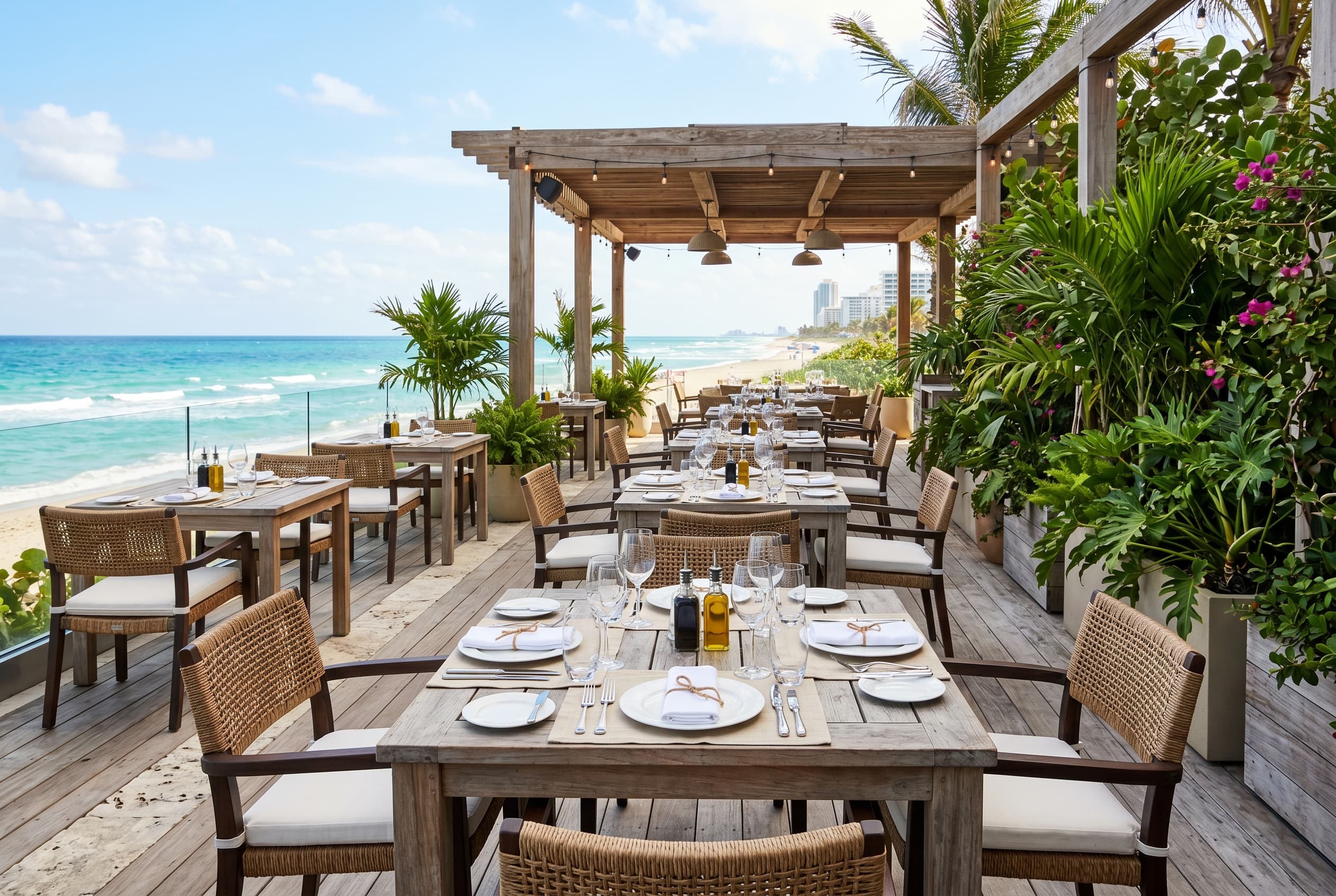
Biloxi runs one of the longest outdoor dining and lounge seasons on the Gulf Coast, and that is exactly what makes commercial patio furniture here such an unforgiving specification. Operators along Beach Boulevard, on casino resort pool decks, and at independent restaurants near the harbor are not treating outdoor seating as a warm-weather amenity that gets a few months of hard use and a long off-season to recover. They are running it as a near-year-round revenue program, which means the furniture needs to survive sustained humidity, salt air, direct Gulf sun, and the annual reality of hurricane season storage and restaging.
The operators who get commercial patio furniture in Biloxi right are specifying for the actual coastal environment from day one, not treating it as an upgraded version of a standard patio program. Getting those specifications correct from the start is the difference between an outdoor program that earns its ROI over eight years and one that needs a partial replacement after two.
Gulf Coast Conditions Require More, Not Less
The standard industry assumption is that warm coastal climates are easier on outdoor furniture because there is no ice or snow to worry about. Biloxi's environment says otherwise. Sustained humidity, salt-laden air off the Gulf, and direct sun for most of the year combine to create a durability challenge that is arguably tougher on materials than a cold-weather freeze-thaw cycle.
Salt air is the variable operators most often underweight. It accelerates corrosion at any point where a powder coat finish is compromised, even by a small chip or a weld seam that was not properly sealed. A finish that holds up for six years in a dry inland market may show visible corrosion in Biloxi within two or three seasons if it was not specified with marine-grade or coastal-rated protection. High-quality commercial powder coat for a Gulf Coast application should contain corrosion inhibitors and UV stabilizers the manufacturer can actually document. A general "weather resistant" claim without a corresponding spec sheet is not a sufficient answer this close to the water.
Humidity compounds the problem on the fabric side. Biloxi's relative humidity runs high across most of the year, with extended stretches in summer where it stays elevated for days at a time. That sustained moisture load creates mold and mildew conditions on cushion fabrics that are not rated for it, and it accelerates corrosion at any point where a frame finish is already compromised. Casino resort pool decks and hotel patios running large-scale outdoor programs know that fabric specification is not optional here, it is a maintenance cost that scales directly with how wrong you get it.
What the Beach Corridor and Harbor District Actually Require
Biloxi's patio market is not uniform. The design expectations at a casino resort pool deck along Beach Boulevard are different from a harbor-adjacent seafood restaurant patio, and both differ from a smaller boutique property's outdoor lounge. Specifying commercial patio furniture in Biloxi without matching the program to the location's guest profile and design context is how operators end up with furniture that functions correctly but reads as slightly wrong.
Casino resort pool decks and hotel terraces along Beach Boulevard serve a guest base that expects a polished, resort-standard program. Furniture here needs to be complete and cohesive: matching frame finishes across loungers, dining chairs, and side tables, shade structures that are specified rather than improvised, and a consistent aesthetic across the full pool deck rather than pieces added over time from different orders. A patio that mixes two frame programs because one was available on short notice communicates disorganization to guests who notice these details.
Harbor-district and independent restaurant patios operate on a different logic, closer to the working-waterfront identity that defines much of Biloxi's dining culture. The aesthetic here rewards materials with visual weight and texture, darker powder coat finishes, and designs that feel considered rather than resort-catalog. It also rewards durability specifically, since covered and semi-covered outdoor seating near the harbor takes on more direct exposure to both sun and salt spray than an interior pool deck does.
Heat, UV, and Fabric: Getting the Spec Right for the Gulf
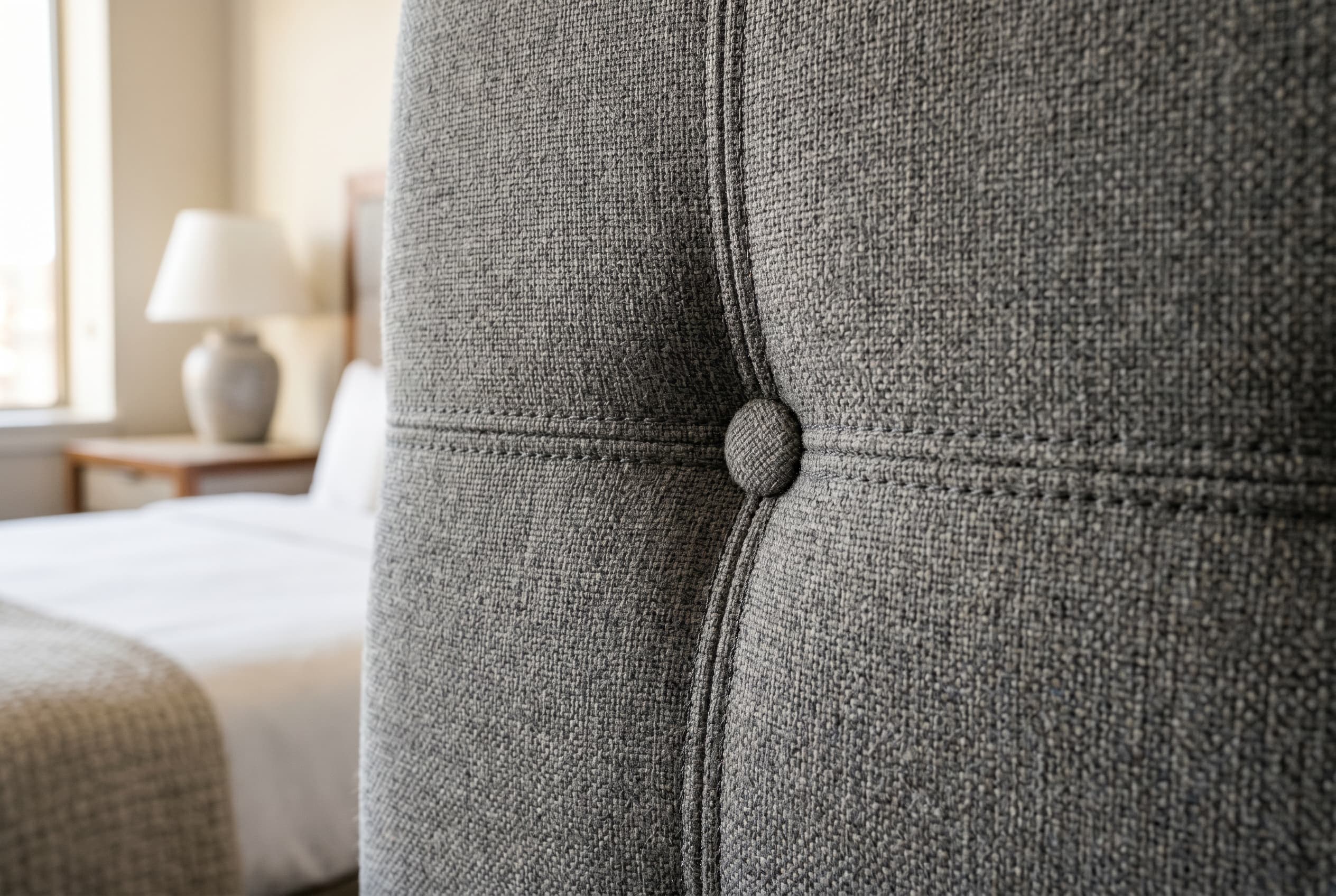
Fabric specification in Biloxi requires more attention than operators typically give it before the first season. Solution-dyed acrylic, with Sunbrella as the industry benchmark, is the correct base specification for any uncovered or partially covered Biloxi patio. The dye is embedded in the fiber during manufacturing rather than applied to the surface, which is why fade resistance holds up under sustained Gulf sun rather than washing out within two seasons the way surface-coated fabrics do. It also cleans with diluted bleach, the correct maintenance protocol for mold prevention in a humid climate, and it handles the cycle of getting soaked in a summer thunderstorm and drying in direct sun without the fiber structure degrading.
Foam density is where many patio programs fail quietly rather than dramatically. Standard foam rated at 1.8 lb density compresses and loses its profile within a season of serious hospitality use in a climate where guests spend extended time outside for most of the year. Commercial seating foam running 2.0 to 2.5 lb density with a higher ILD rating maintains its shape under continuous rotation across a Biloxi season that runs far longer than a typical inland market's.
For frame material, commercial-grade aluminum at 1.5mm wall thickness minimum is the appropriate starting point for a Biloxi hospitality application. Weld quality at the joints matters as much as wall thickness, and it is worth asking suppliers specifically about their joint construction rather than accepting frame weight alone as a proxy for quality.
Storage, Hurricane Season, and the Revenue Math
Gulf Coast properties have an operational reality that most inland markets do not share: a hurricane season that runs from early summer through late fall, during which outdoor furniture programs may need to be moved, secured, or stored on short notice. Specifying furniture that is realistically stackable, or that a property has committed dock or storage space to handle, is part of getting a Biloxi patio program right, not an afterthought.
A commercial aluminum dining chair correctly specified for a Gulf Coast climate, properly maintained, and stored appropriately during storm risk periods lasts eight to ten years in active service. A consumer-grade or "commercial-style" chair at a lower upfront cost that requires replacement in two years costs more per year and adds the operational disruption of sourcing replacements mid-season. For a casino resort pool deck or a beachfront restaurant patio, furniture that shows wear, fading, or structural failure signals to guests that the property does not invest in the experience, and that has measurable revenue consequences. Ready to specify a program built for the coast? Request a quote with your seating count and site conditions.