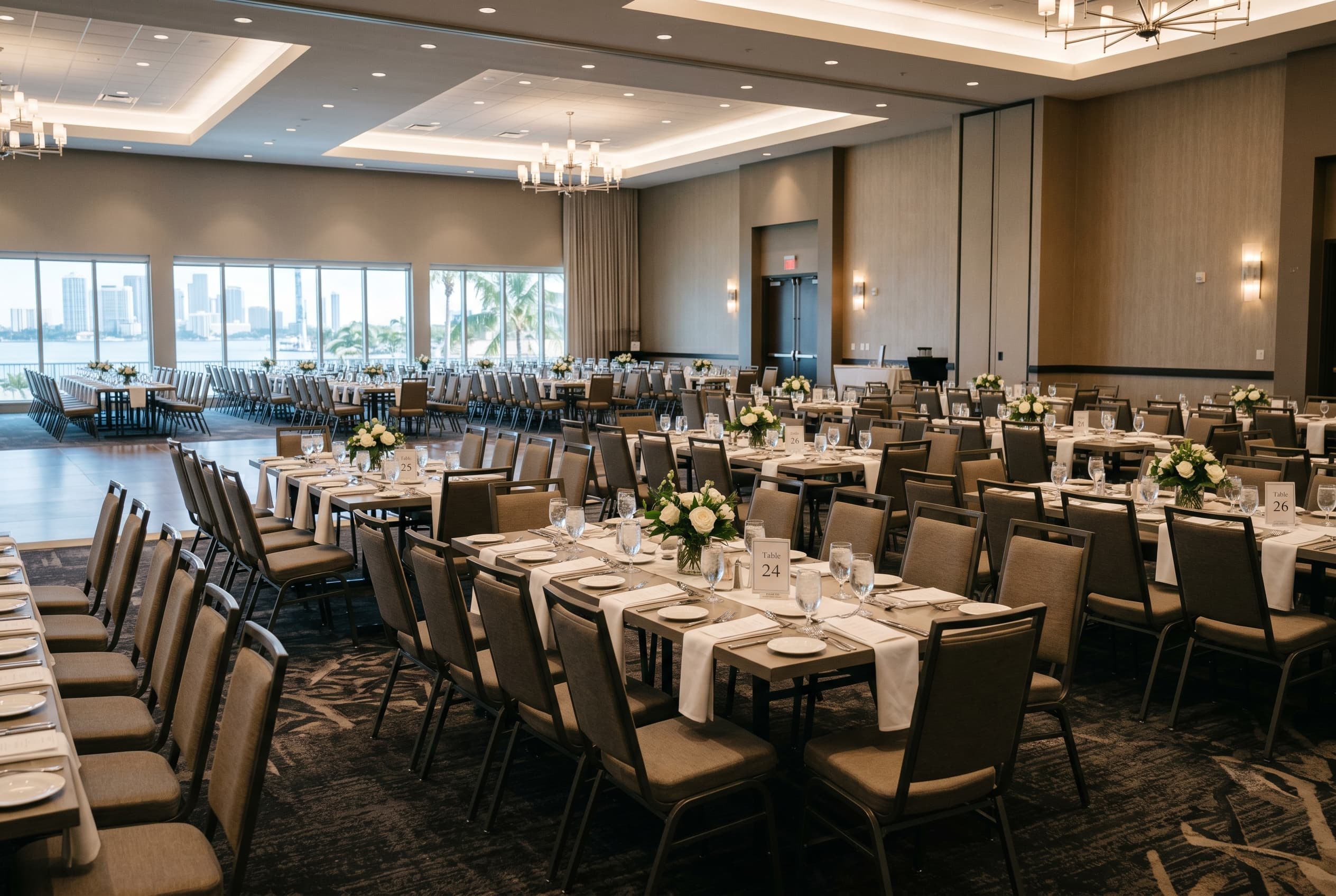
Biloxi's hospitality market is dominated by large casino resort towers, which makes the boutique and independent hotel segment here a genuinely different proposition than in a market where boutique properties are the default. A smaller property near the harbor or across the bay toward Ocean Springs is competing for guests who specifically want something the casino corridor does not offer: a distinct sense of place, a design point of view, and a scale that feels personal rather than processed. None of that changes what the furniture needs to survive. If you are sourcing boutique hotel furniture Biloxi style, the core challenge stays the same: contract-grade construction, smaller quantities, and an aesthetic that reads as intentional rather than assembled from a catalog.
Why Biloxi's Coastal Climate Changes the Durability Math
A boutique property on the Mississippi Gulf Coast faces a durability conversation that a comparable property in a dry inland market simply does not. Humidity runs heavy for most of the year, salt air off the Gulf accelerates corrosion on untreated metal components, and the tourist season brings sustained guest volume that puts real wear on lobby and guestroom furniture even at a boutique-scale property.
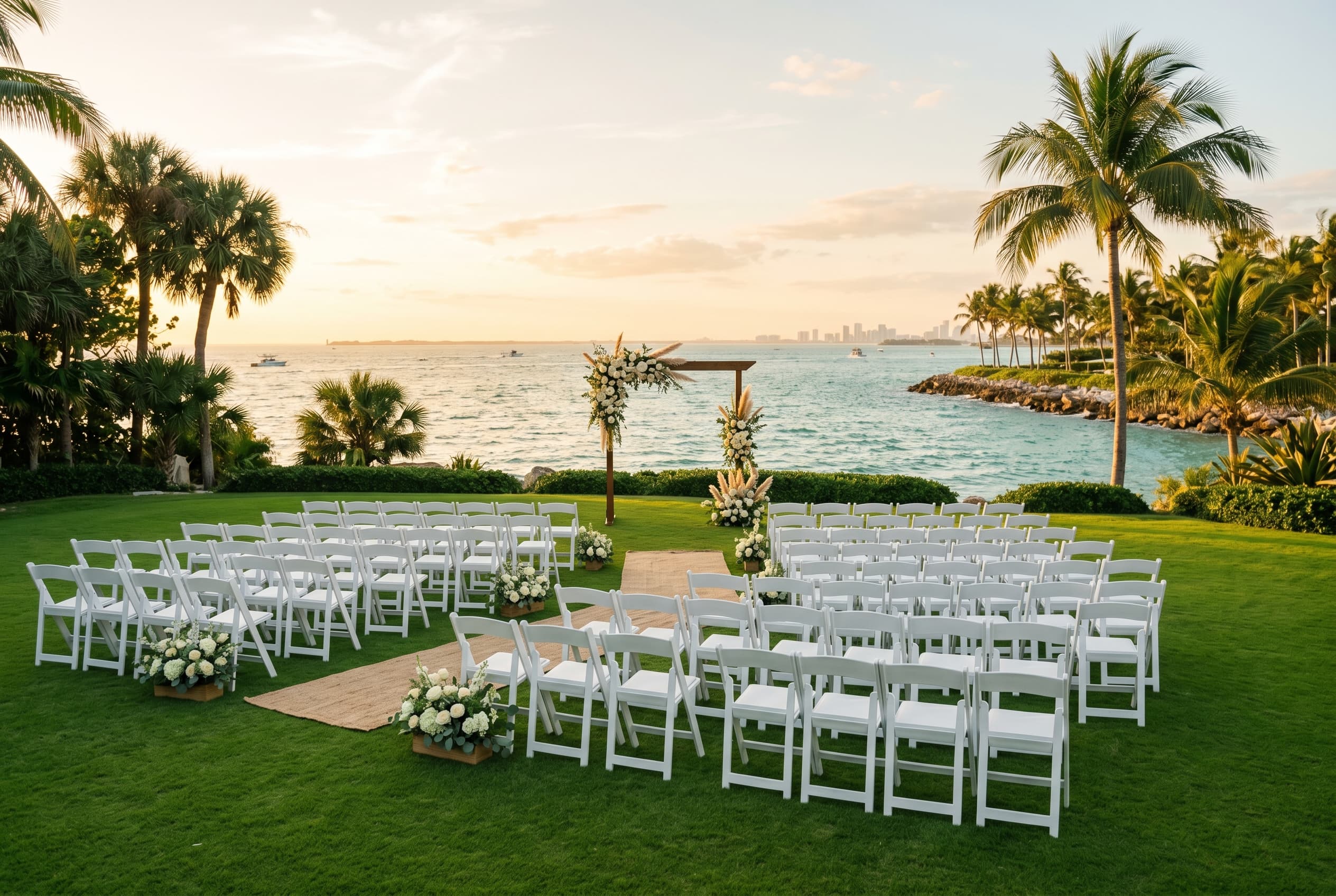
Furniture that performs fine in a slower shoulder-season week faces a different stress level during a peak Gulf Coast tourism weekend, when a small property can be running at or near full occupancy for days at a stretch. The lounge chairs in your lobby, the upholstered pieces in your bar area, and the guestroom seating all need to be specified for heavy commercial use and coastal exposure from the start. Residential-grade pieces dressed up with hospitality language fail fast under this combination. Frames corrode, joints loosen, and fabric shows moisture damage on a timeline that turns what looked like savings into a capital expense problem within two seasons.
Contract-grade construction means hardwood or engineered hardwood frames, upholstery rated above 30,000 double rubs for seating in high-traffic areas, corrosion-resistant hardware, and joinery built for repeated use in a humid environment. For a boutique property on the Gulf Coast, that construction standard is not optional, it is the floor.
Design Cohesion for a Property Competing Against the Casino Corridor
What separates a strong boutique property from an average one in Biloxi is not the individual pieces, it is whether the room reads as designed against the backdrop of a market dominated by large-scale resort towers. That distinction is entirely a function of how early you lock your material palette before sourcing begins.
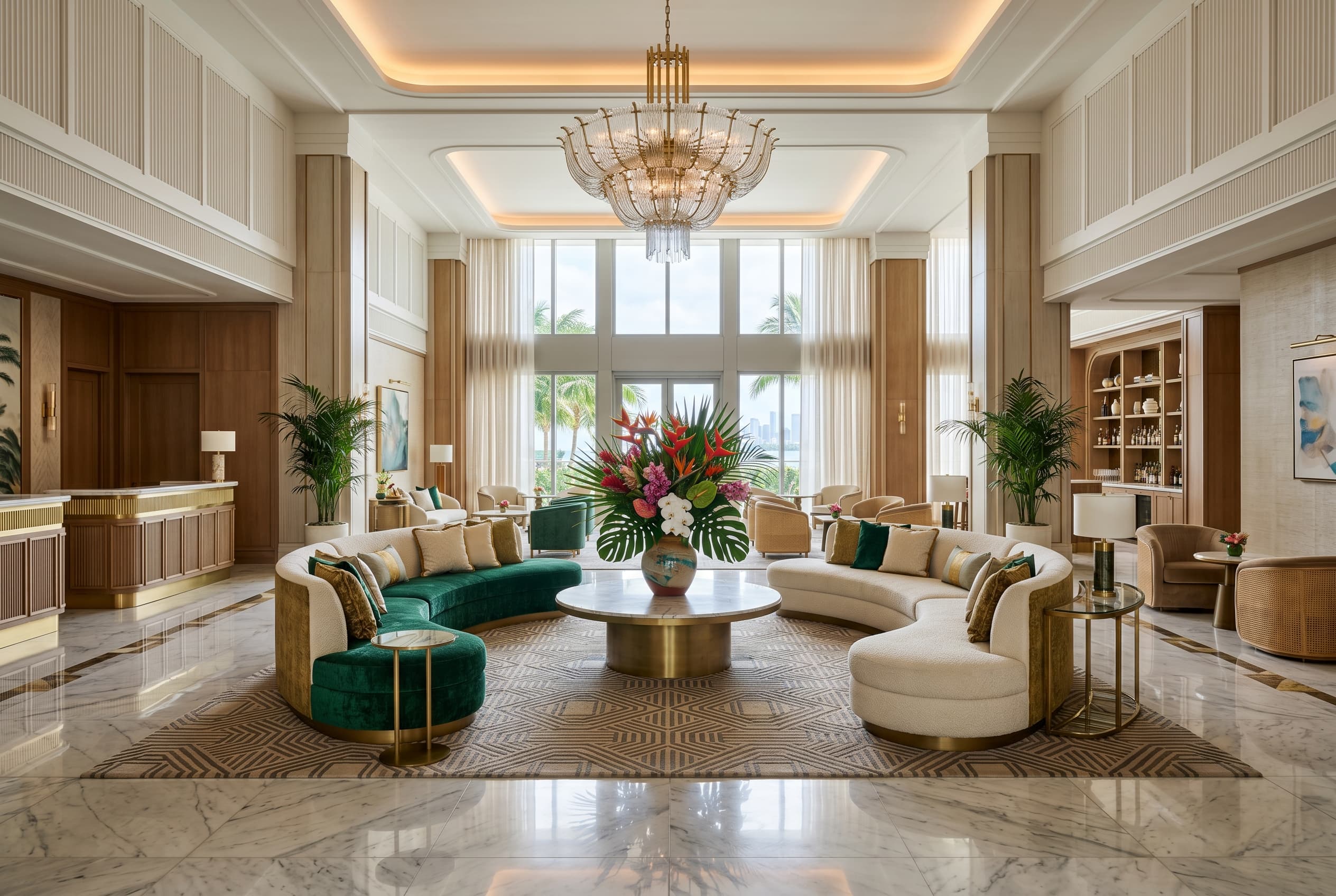
A property near the harbor can credibly pull from the working-waterfront vocabulary of Biloxi's fishing and seafood history: warm wood tones, rope and canvas textures, a coastal palette that feels rooted in the actual place rather than generic beach-resort styling. A property positioned toward a more design-literate leisure traveler, someone crossing the bay from the arts community in Ocean Springs, might lean into a tighter, more contemporary program: case goods with clean lines, upholstered seating in high-performance fabric that photographs well, metal accents finished to resist the coastal environment rather than chrome that will show corrosion within a year.
The mistake is sourcing individual pieces that each look compelling in isolation, then trying to make them cohere at install. You end up with rooms that guests read as assembled rather than designed, and design-literate guests, who represent the primary target for any boutique property competing against the casino resort towers, notice immediately when a room lacks visual logic. Palette first, sourcing second. Pick two or three anchor finishes, a consistent wood tone or metal family, and a tightly defined fabric range, and hold every piece to those constraints before a single approval goes out.
Navigating Minimums and Finding the Right Suppliers
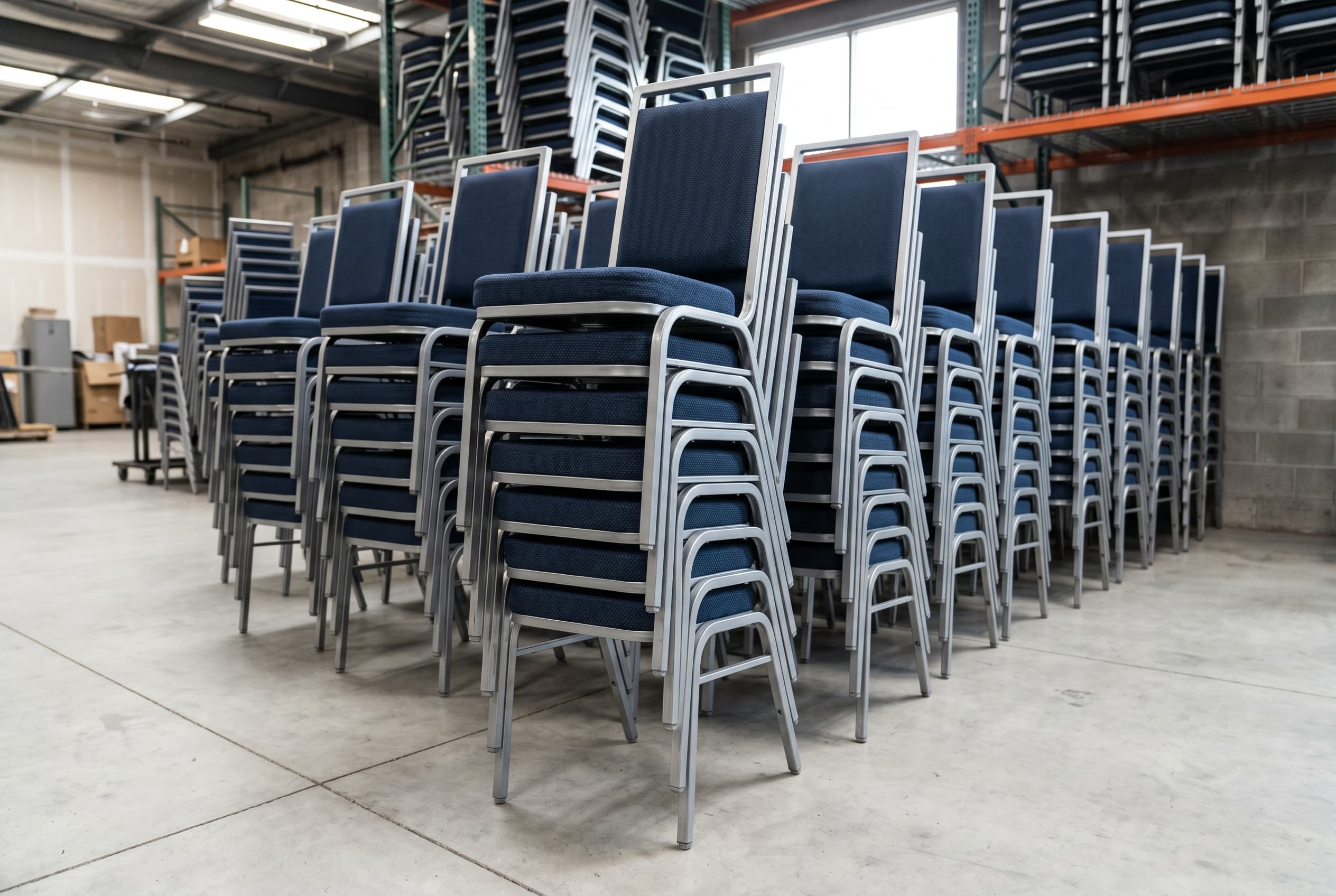
Most major contract furniture manufacturers are tooled for scale. They are comfortable with the order volume a full casino resort tower represents. A 30-room boutique property near the harbor ordering 35 units of a lounge chair and 20 guestroom desk chairs does not move the needle for most large manufacturers, and their minimum order requirements reflect that reality.
This is not an obstacle, it is a filter. The suppliers you want are the ones who have built their business around exactly this kind of account: independent hotels, boutique projects, and restaurant groups that need smaller quantities and mixed SKU orders. They will not push back when you need 18 units of one chair and 12 of another. Ask about minimums upfront, in writing, before you invest time building a specification around a supplier who cannot actually serve your project.
For hospitality-specific procurement on the Gulf Coast, work through suppliers who can document their commercial ratings, provide moisture and corrosion resistance data where required, and have a track record delivering into coastal properties with occupancy cycles similar to yours. If you are using an FF&E consultant or purchasing agent, one of their primary functions is exactly this: aggregating your order alongside other boutique hospitality projects to access manufacturer programs that your standalone order volume would not unlock.
Planning for Biloxi's Renovation Cycle
Boutique properties on the Gulf Coast refresh their interiors on a faster cycle than owners expect going in, partly because of guest volume and partly because coastal exposure ages finishes faster than an inland climate would. Properties that looked current at opening can feel dated, or simply show wear, within four or five years.
The right time to plan for that refresh is during initial procurement, not when you are already behind schedule. Specify frames and case goods built to last the full cycle. Treat upholstery as the variable you will swap on a shorter rotation. Require COM-ready construction on all upholstered pieces from the start, no proprietary fabric tracks, no hidden frame systems, so reupholstery is straightforward when the time comes. Keep clean documentation of your original specifications: frame construction, foam densities, fabric weights, finish codes. Knowing exactly what you used the first time makes the next sourcing conversation significantly faster.
Lead times on custom upholstery programs typically run 10 to 16 weeks. If you are targeting a seasonal opening ahead of Biloxi's peak tourism months, furniture orders need to go out early enough to absorb that timeline without compressing your install window. When you are ready to move forward, request a quote with your room count and finish preferences so lead time and pricing come back specific to your property.